By Gayle Harrop, Tamarak Products
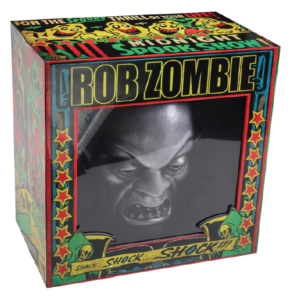
Want consumers to see and experience the product in a folding carton you’re manufacturing? Add a window to the design! Commonly found on bakery or pasta boxes, windows let consumers know exactly what they are purchasing.
I teach windowing at PPC’s biannual Folding Carton Boot Camps—and here are three questions I always tell attendees to ask themselves before starting a windowing job.
Should I Use an Inline or Offline Process?
There are two processes for windowing a folding carton: offline and inline. Inline processes combine both windowing and folding/gluing functions together so that cartons can be finished in one pass. This means that you can save labor because you won’t need people running both a windowing machine and a folder/gluer. Additionally, if the windowing and folding/gluer speeds are similar, then the overall production time is greatly reduced—a important for just-in-time production. Other inline advantages include reduced floor space, simplified scheduling, and less waste.
In the offline process, cartons are die-cut, transferred to a windowing machine, and then moved to a folder/gluer. In this case, windowing is an independent process that requires a separate set of operators. However, the overall job completion time may be reduced since offline windowers can run multi-lane, and many folder/gluers can run very fast—faster than the inline windowing operation allows. Additionally, if you need to run windowed work on multiple folder/gluers, or if you run flat-packed work, offline may make more sense for you.
Manufacturers of windowing machines often have both inline and offline solutions, allowing you to investigate both options and then do some calculations to determine which process will work best for your company based upon your planned production requirements.
What Kind of Film Works Best?
The film you choose for the window can make or break a job. Polypropylene is a very common film since it is relatively inexpensive and versatile. For high-end products, polyester is preferred for its strength and clarity, but those features come at a higher price. If the film needs to be breathable, for example on a sugar-coated bakery product, then acetate will be your best option. But don’t worry about all these choices—your film supplier will work with you to help evaluate the best film for the job at hand.
Do I Need Specialized Equipment?
Most windows only require a basic window patcher. However, some products do need additional equipment. Products such as tissue cartons need to have a slit in the film, and rigid windows that wrap multiple panels require scoring and cut-outs in the film.
Production efficiency options include quick set-up features such as pre-made glue plates for the adhesive pattern and downtime reducers such as automatic film splicing.
I encourage you to add a window to your next folding carton design! To learn more about windowing, be sure to attend my session at PPC’s next Folding Carton Boot Camp, November 19-20, 2019.