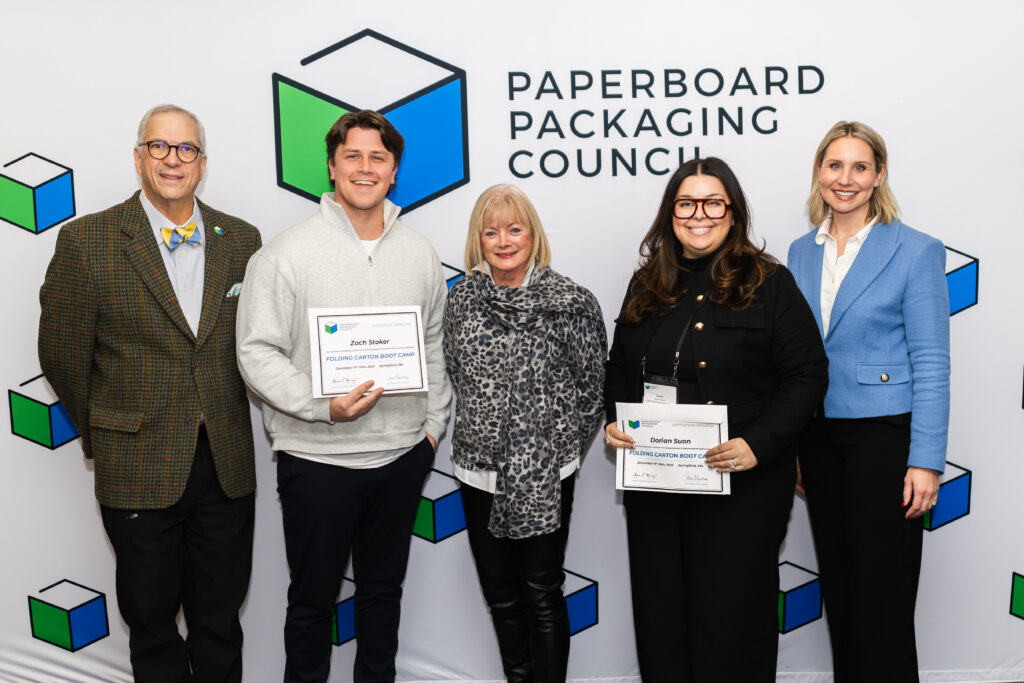
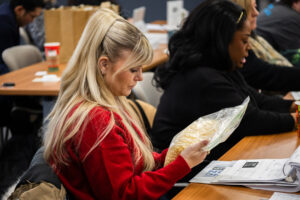
 PPC recently concluded our Fall Folding Carton Boot Camp, held December 9–10 at PPC Headquarters in Springfield, Massachusetts. PPC’s signature two-day program delivered a comprehensive educational experience that paired technical insights with hands-on learning and expert-led discussion.
Attendees strengthened their understanding of the folding carton industry end-to-end by exploring how materials, manufacturing decisions, and converting processes work together to drive performance, efficiency, and quality. From early conversations about fiber and paperboard formation to the realities of printing, cutting, finishing, and final assembly, Boot Camp is designed to connect the full production chain in a way that’s difficult to replicate elsewhere. The in-person format elevates the experience, allowing participants to engage directly with materials and concepts, ask questions in real time, and leave with practical takeaways they can apply immediately.
A Speaker Lineup Built for Real-World Learning
A major highlight of this year’s program was the depth and diversity of the expert speaker lineup, which covered the full carton workflow from fiber to finished package.
Fiber to Paperboard Performance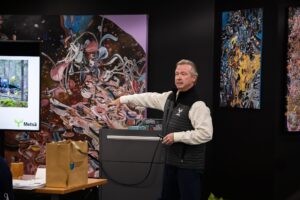
Steve Rote of Metsä Board Americas Corporation opened the materials discussion with a clear overview of virgin paperboard: how it’s made, what fiber choices mean for strength and printability, and how papermaking and finishing steps influence runnability.
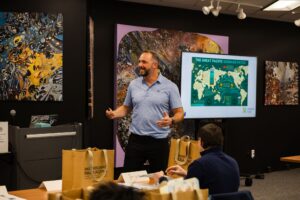 Building on that foundation, Quinn Garber of Integrity Fiber brought the recovered fiber story to life, breaking down where recovered material comes from, how it’s collected and valued, and how waste fiber is generated throughout converting operations.
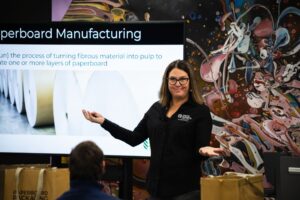 Jen Lechlitner of Graphic Packaging International advanced the discussion with an end-to-end view of recycled paperboard, from pulping and contaminant removal through forming, drying, coating, and winding. The session tied each manufacturing step to converter-critical properties such as stiffness, caliper, moisture stability, surface, and glueability, and compared grades such as CRB and SUS against real production outcomes.
Board to Press-Ready Formats
 As the program moved from board to production formats, Max Rawson of BW Paper Systems delivered a practical look at web and sheet processes, highlighting what it takes to turn rolls into consistent, press-ready stacks through nonstop unwind/splicing, tension control, curl management, and key sheeter components that keep lines running reliably.
Design, Prepress, and Print Fundamentals
 Susie Stitzel of Esko bridged structure and graphics, covering core structural design considerations alongside graphic fundamentals and a practical color and prepress primer, including CMYK, screens/line screen, avoiding moiré, and strategies for consistent brand color across substrates and print methods.
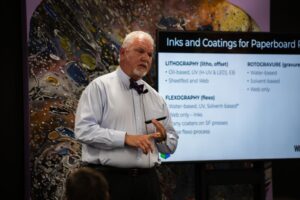 With that foundation set, Gene Cowden of Wikoff Color Corporation grounded inks and coatings in production realities, connecting print system and curing choices to key performance factors in finishing and distribution, such as adhesion, rub resistance, gloss, coefficient of friction (COF), and durability.
Converting, Finishing, and Capability Across the Carton Workflow
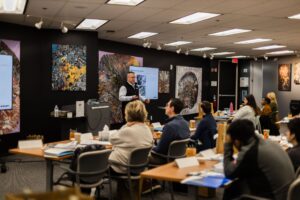 Harold Leete of Bobst North America expanded the lens across multiple technologies, leading sessions on Digital Printing, Intro to Laminating, Sheetfed Diecutting/Blanking/Embossing/Stamping, and Digital Diecutting, helping attendees evaluate how different approaches affect speed, flexibility, changeovers, and overall capability.
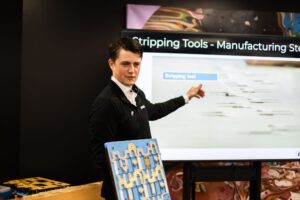
As the focus shifted deeper into converting, Miles Guessford of Marbach broke down converting tools and the critical tooling decisions behind cutting and creasing, ejection/rubbering, and makeready, highlighting how the right toolset supports quality, consistency, and efficiency on the diecutter.
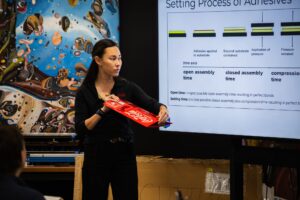 From there, Kirsty Drury of Henkel brought adhesives into the spotlight with a production-focused session on gluing fundamentals, comparing water-based and hot-melt systems and connecting bond formation to key performance attributes and day-to-day success on the folder gluer.
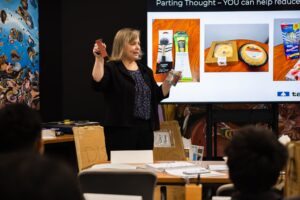 To round out key value-add processes, Gayle Harrop of Tamarack walked through carton windowing, from aperture creation to patch application either offline or inline, covering equipment features such as registration, slitting/perforating, and splicing, and how film and adhesive choices can support coated boards and specialty requirements like freezer or microwave-safe packaging.
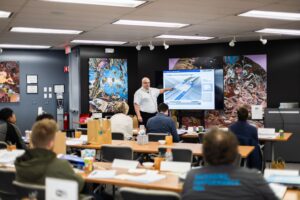
Chris Raney of Heidelberg USA then tied carton styles directly to folder gluer performance, helping attendees understand how structure and equipment operation work together from feeding and alignment through prefolding, folding, glue application, transfer, and compression/delivery.
Expanding the View: Premium Structures and Adjacent Technologies
The program also explored adjacent technologies and premium formats that continue to grow in relevance.
Harold Leete of Bobst returned to deliver an overview of litho-laminating and microflute packaging, explaining common production approaches and where litho-lamination can deliver both protection and shelf appeal.
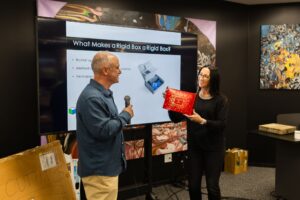
Joe Sico of Emmeci USA rounded out the experience with a look at rigid boxes, clarifying what makes turned-edge packaging unique, how materials and construction choices shape performance and appearance, and which design elements—finishes, inserts, and closures—can elevate the end-user experience.
Attendee Feedback: “Invaluable” Training, Built on Unbiased Technical Content
As the event concluded, the value of an end-to-end, technical-first program was clear in attendee feedback. Kirk Haltiner, Regional Sales Manager at Miraclon, shared:
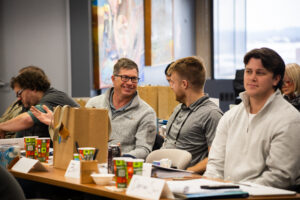 “The training at PPC Folding Bootcamp was invaluable. The industry experts’ knowledge and willingness to answer questions and provide clarity are impressive and important to the overall learning of each future boxineer. The differentiator of this training is its focus on content, free from bias or advertising for any particular brand or supplier. The information was presented in a way that prompted consideration of the result, and multiple troubleshooting paths were provided. Truly great training for anyone in the packaging industry, as it covers the entire production process.”
Thank You to Our Sponsors
PPC extends sincere thanks to the sponsors who helped make this Boot Camp possible, including: Diamond sponsor Koenig & Bauer; Sapphire sponsor Clearwater Paper; Platinum sponsors Komori and Metsä Board Americas; and Platinum sponsors Bobst, Kallima Box, RM Machinery, and Sappi for their support of this program and the learning experience it delivers.
Looking Ahead: Spring 2025 Boot Camp
With the Spring 2026 Folding Carton Boot Camp already scheduled for next May, PPC remains committed to driving innovation, sustainability, and professional growth for our members and the broader paperboard packaging industry.