The packaging industry is evolving faster than ever, driven by sustainability demands, AI-powered advancements, and a shift away from plastics. As brands race to adapt, designers are at the forefront—creating solutions that balance aesthetics, functionality, and environmental responsibility.
To dive deeper into these trends, we spoke with Emma Wingerd, Designer, Beverage North America at Smurfit Westrock. From plastic-free innovations to AI-driven automation, Emma shares how the industry is pushing boundaries and what’s next for paperboard packaging.
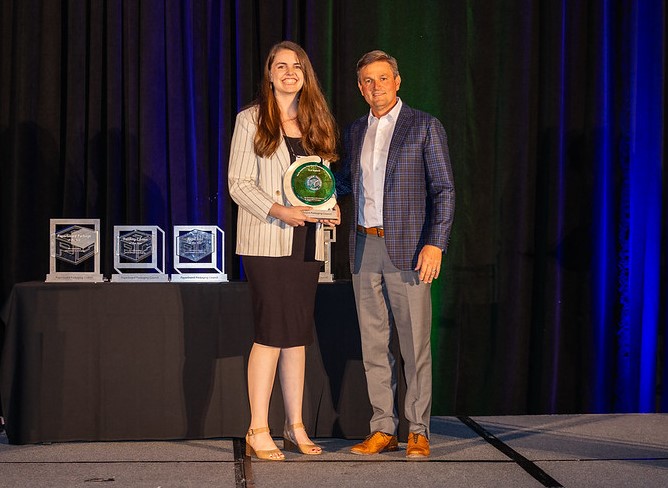
From Industrial Design to Packaging Innovation
Emma’s journey into paperboard packaging began with a background in industrial design and graphic design, but she quickly found her passion in structural packaging. At Smurfit Westrock, she focuses on developing new die lines and packaging solutions that meet the needs of both brands and consumers.
What excites her most? The growing demand for plastic alternatives and the role packaging design plays in reducing fossil-based materials. “Consumer preferences and expectations, along with regulatory and legislative compliance, are guiding brands to explore possibilities in fossil-free packaging,” Emma explains. “This shift opens doors for companies to act on sustainability initiatives and ultimately creates exciting opportunities for innovation.”
Cutting-Edge Design Trends
In the past year, Emma has seen major shifts in how packaging is designed — especially in the beverage sector. “I’m most excited to see more paperboard-based solutions replacing plastic in stores, like clips for PET bottles and wraps for cans, which were traditionally packaged in plastic rings or shrink film,” she says. Seeing these innovations not just in industry news but in her own shopping cart reinforces the real-world impact of these advancements.
Artificial intelligence (AI) is also beginning to play a role in packaging design, albeit gradually. Rather than directly designing cartons, AI is enhancing quality control and automation. Emma points to machine-learning camera detection in packaging lines, which ensures that defective products are properly identified and removed—particularly for locked-bottom wraps like ClusterPaks.
Balancing Aesthetics with Sustainability
One of the biggest challenges brands face is balancing visual appeal with sustainability goals. Smurfit Westrock is tackling this challenge with material innovations, such as GlisterKote, a printed silver coating that creates a metallic effect without laminates or foils.
Another major advancement is the ability to align primary packaging with paperboard formats using machine-learning technologies. With solutions like CanCollar and PETCollar Fortuna, brands can ensure that primary containers are always facing forward, essentially turning the product itself into an ad panel while reducing material use.
Additionally, recyclability remains a top focus, with brands simplifying their packaging by reducing components and moving toward monomaterials to improve recovery rates.
Consumer Engagement & The Future of Smart Packaging
Digital packaging technologies, such as QR codes and augmented reality (AR), are bridging the gap between physical and digital experiences. Emma notes that these tools allow brands to provide detailed product information, promotions, and interactive brand experiences directly from packaging—ultimately strengthening customer loyalty and engagement.
Challenges in the Industry & What’s Next
One of the biggest challenges facing fiber-based packaging designers today is evolving from testing standards that were originally developed for plastics. “It’s important to advocate for test methods that accurately reflect consumer experiences, since using traditional benchmarks can potentially lead to over-engineered or rejected designs,” Emma emphasizes.
Looking ahead, she predicts that the next big trend in paperboard packaging will be hybrid solutions—clever combinations of paperboard and plastic that significantly reduce plastic content while ensuring that packaging components remain easy to separate for recycling. While the end goal is fully fossil-free packaging, these intermediate steps are critical for industry progress.
Advice for Emerging Designers
Emma’s advice to up-and-coming packaging designers? Stay curious.
She encourages designers to:
- Explore new packaging solutions in stores
- Engage with professionals in related fields like graphic design, marketing, and automation
- Learn new software and tools to stay ahead of industry advancements
As the industry continues to evolve, Emma looks forward to tackling the more complex challenges of plastic replacement, finding creative ways to develop packaging solutions that are both functional and sustainable.
The insights shared by Emma highlight the dynamic and rapidly changing landscape of packaging design. As brands continue to push for innovation, efficiency, and sustainability, the role of paperboard packaging will only grow—reshaping the way products are designed, produced, and experienced by consumers.
Interested in learning more about the latest trends in our industry? Register and save your spot for PPC’s Spring Outlook & Strategies Conference in Indianapolis, IN, from April 23-25. Learn more about our upcoming conference here: https://paperbox.org/event/spring25/