A Firsthand Look at TAVO Packaging’s Manufacturing Facility
By Lauren Zuber, PPC Director of Marketing
Inside TAVO Packaging’sFairless Hills facility, folding carton manufacturing operates at an impressive scale. Towering rolls of paperboard, expansive warehouse systems, and highly advanced printing equipment immediately convey the complexity behind the cartons consumers interact with every day.
PPC President Emily Leonczyk and I recently toured the facility with CEO David Taylor, and we came away with a deeper appreciation for the operational coordination, technology, and expertise required to keep an operation like this moving.
TAVO specializes in high-volume folding cartons for quick-service restaurants, food service, refrigerated and frozen foods, and bakery products. Walking through the facility, it quickly becomes clear that the business is built to handle volume — and built to do it efficiently.
Built for Scale
One of the first things that stands out is the sheer size of the operation. Massive rolls of paperboard line the plant, warehouse racks stretch overhead, and cartons move continuously through different stages of production.
During the tour, Dave showed us the rail access area where freight cars deliver paperboard rolls directly into the building, underscoring the scale and logistical coordination behind their operation.
What also stood out was how integrated everything is. TAVO handles design, die-making, plate-making, printing, warehousing, and distribution in-house, giving the company a high level of control over quality, timelines, and consistency. That setup is a major advantage for customers who rely on uninterrupted supply and dependable production.
The facility itself reflects that mindset. Nothing felt excessive or performative. It felt organized, intentional, and built around efficiency.
Investing in Technology and Output
That same approach carries through to TAVO’s investment in technology. During the tour, we saw their Koenig & Bauer Rapida large-format press, part of TAVO’s continued investment in expanding capacity and increasing throughput.
Dave spoke frequently about responsiveness, specifically around the importance of moving quickly while maintaining high-quality standards. That focus was evident throughout our visit.
TAVO’s printing capabilities combine sheet-fed offset, large-format flexographic printing, CAD systems, and advanced converting technologies to support high-volume production while maintaining consistency across runs.
Beyond the equipment itself, one of the more interesting aspects of the tour was seeing the amount of precision involved behind the scenes. From the extensive die storage systems to the coordination required across the production floor, the visit served as a reminder that folding cartons are far more technically complex than most people realize.
Sustainability in Practice
Sustainability was visible throughout the facility in practical, operational ways.
We visited the area where paperboard scrap is collected, compacted, and prepared for recycling and reuse. This process reinforced how paperboard packaging manufacturers continually work to maximize material efficiency and reduce waste.
TAVO also incorporates energy-conscious initiatives throughout the facility, including solar energy systems, LED lighting, and responsibly sourced recyclable materials.
What stood out most was that sustainability did not feel separated from the operation itself. It appeared fully integrated into the company’s approach to efficiency, production, and long-term planning.
A Family Business with a Long-Term Mindset
One thing I appreciated most about the visit was that, despite the scale of the facility, TAVO still feels like a family-run business.
Founded in 1978 by Hal Taylor, the company is now led by second-generation brothers David and Jeff Taylor, and there’s a strong sense of accountability and pride throughout the operation.
The company’s core values, Team Player, Positive Attitude, Take Responsibility, Resourceful, Honest, are posted prominently inside the facility. Still, they also seemed reflected in the way the team operates day to day.
That combination of operational scale and family culture is not something you see everywhere.
Why Visits Like This Matter
Tours like this are an important reminder of the expertise, coordination, and investment required to manufacture folding cartons at scale.
Consumers interact with packaging every day, but seeing an operation like TAVO firsthand offers a much deeper appreciation for everything happening behind the scenes to make those products possible.
For PPC, visits like this are also an opportunity to highlight the innovation happening across the folding carton industry and the continued investment our member companies are making in its future.
…
Through member companies like TAVO Packaging, PPC continues to highlight the innovation and expertise shaping the future of folding cartons and paperboard packaging. To learn more about PPC and our member network, visit https://paperbox.org/about/
By Emily Leonczyk, President, Paperboard Packaging Council
A Welcome That Said Everything
There are some company visits that stay with you long after you leave the building. My recent time with Don Droppo, Kerry Brown, and the team at Curtis Packaging was one of those experiences.
When Kerry casually mentioned, “We’re going to have a quick moment to meet with the team before the tour,” I expected a few introductions and a handshake or two before heading onto the floor.
Instead, nearly a dozen managers walked into the room.
What struck me immediately was not just the size of the welcome, but the sincerity behind it. One by one, we went around the room meeting leaders from across the organization. The conversation felt genuine, personal, and intentional. Before I had even stepped onto the production floor, I already understood something important about Curtis Packaging:
This is a company built around people.
That spirit carried through the entire visit. The care and collaboration they extend internally is the same energy they bring to customers, suppliers, and industry partners. You can feel it in the way teams communicate, how departments work together, and the pride people take in supporting one another.
A Legacy Built on Craftsmanship and Care
Founded in 1845, Curtis Packaging has been a trailblazer in the luxury packaging industry for nearly two centuries. As one of the oldest independent packaging companies in the United States, they have built a legacy defined by craftsmanship, innovation, and a steady commitment to quality.
(Left) Emily Leonczyk and Kerry Brown (Right)
But what stood out most during my visit was how grounded the company remains in its family values and culture.
Curtis Packaging has clearly made a long-term investment in its people. There is a deep sense of pride across the organization, and it is easy to see why. From the production floor to leadership, employees are empowered to contribute ideas, collaborate openly, and continue pushing the company forward.
Their philosophy says it best: Driving loyalty through our passion for your success.
After spending time with the team, it became clear that this is not just a tagline. It is embedded into how they operate every day.
Leadership That Shapes Culture
(Left) Don Droppo and Emily Leonczyk (Right) at the 2026 Luxe Pack in New York City
You can see this philosophy reflected in the leadership of Don Droppo, President and CEO of Curtis Packaging, whose care for people shapes the organization’s tone. There is a clear focus on long-term relationships, continuous improvement, and creating an environment where employees feel supported and valued.
You see it equally in Kerry Brown, Chief Operations Officer, whose commitment to operational excellence and partnership was evident throughout every conversation and every part of the tour.
What impressed me most was how connected the leadership team is to the broader organization. There was no separation between “management” and “operations.” Instead, there was a strong sense of shared ownership and collaboration.
That kind of culture is difficult to create, and even harder to sustain over nearly 180 years.
Innovation That Feels Human
Seeing Curtis Packaging’s work firsthand gave me a real appreciation for the level of detail that goes into the luxury packaging they’re known for.
Their folding carton capabilities are exceptional, blending structural engineering, premium embellishments, and craftsmanship to transform packaging into an experience. The precision and creativity behind their work make it easy to understand why so many leading brands continue to trust them, and why they continue to be recognized in PPC’s Annual Paperboard Packaging Competition. Their work consistently pushes the boundaries of what paperboard packaging can achieve.
But what impressed me most was not just the packaging itself. It was the mindset behind it.
Throughout the visit, I had the opportunity to meet with leaders across operations, technology, manufacturing, and business strategy, and what became clear very quickly was how intentionally connected the organization is. Teams collaborate openly across departments, sharing ideas, solving challenges together, and approaching innovation as a collective effort rather than an isolated function.
One of the most fascinating parts of the visit was learning how Curtis Packaging is integrating AI across multiple business functions. It was one of the most advanced and practical implementations of AI I have seen in a manufacturing environment.
What made it especially compelling was that technology never felt disconnected from the people. Instead, AI was being used thoughtfully to strengthen efficiency, decision-making, communication, and overall performance while still maintaining the company’s people-first culture.
Sustainability with Staying Power
Another aspect of the visit that stood out was their long-term view of responsibility and stewardship.
Sustainability at Curtis Packaging is inseparable from the long-term future of the business, its people, and the customers they serve. It reflects a commitment to building a company that can endure, evolve, and thrive for generations. That perspective is evident not only in their environmental stewardship but also in the quality of their work, the investments they make in their people, and the lasting relationships they have built over decades.
What Partnership Really Means
As impressive as the technology, craftsmanship, and innovation were, what stayed with me most after leaving Curtis Packaging was something much simpler: the people.
In an industry that is constantly evolving, Curtis Packaging has found a way to embrace change without losing the values that made the company successful in the first place. They continue to invest in innovation, push creative boundaries, and explore what’s next, while remaining deeply committed to partnership, collaboration, and people.
That balance is what makes them special.
Learn more about Curtis Packaging and the work they’re doing across the luxury packaging space by visiting their website here.
…
Interested in connecting with more industry leaders like Curtis Packaging? Explore PPC’s member community, get involved in our programs and events, and discover why PPC is the leading association for converters and suppliers of paperboard packaging in North America.
PPC’s Spring Folding Carton Boot Camp Brings Packaging Education to Life
PPC’s Spring Folding Carton Boot Camp recently welcomed another outstanding group of attendees to Springfield, Massachusetts, for two days of hands-on education designed to strengthen technical knowledge across the full paperboard packaging lifecycle.
What continues to make Boot Camp so valuable is the range of professionals it brings together. Some attendees are brand-new to the industry, while others have spent years in paperboard packaging and are looking to deepen their technical understanding, take on new responsibilities, or refresh their knowledge of the manufacturing process. Regardless of experience level, Boot Camp is designed to help see the bigger picture of how every stage of paperboard packaging connects: from fiber sourcing to the finished carton on the shelf.
Throughout the program, attendees explored the full journey of folding carton manufacturing through presentations led by industry experts representing every stage of production, design, converting, and finishing.
Starting at the Source: Fiber, Forestry, and Paperboard Fundamentals
Boot Camp began where every carton begins: with fiber.
Steve Rote of Metsä Board Americas Corporation opened the program with an in-depth look at virgin paperboard production, walking attendees through sustainable forestry practices, pulping methods, papermaking, coating, calendaring, and board performance. His session helped attendees better understand how factors like fiber selection, grain direction, moisture control, and board construction directly influence printability, stiffness, runnability, and overall package performance.
Quinn Garber of Integrity Fiber then shifted the conversation toward recovered fiber and the critical role recycling continues to play within the circular economy. Attendees gained insight into how recovered materials are sourced, processed, and reintroduced into the manufacturing stream, reinforcing the deep connection between sustainability and operational efficiency throughout the industry.
Building on those conversations, Roberto Balaguer of Smurfit Westrock focused specifically on recycled paperboard and the evolving role recycled materials continue to play across the paperboard packaging landscape. His presentation helped attendees better understand recycled fiber applications, sustainability considerations, and the performance characteristics manufacturers must evaluate when selecting materials.
As the program transitioned further into manufacturing operations, Ben Markens, former President of PPC, guided attendees through foundational production concepts, including web-fed versus sheet-fed production, grain direction, carton measurement conventions, and key manufacturing terminology that influences efficiency across the production floor.
Attendees then explored sheeting and rewinding operations, gaining insight into how splicers, decurlers, tension control systems, rotary cutters, and stackers work together to create consistent, press-ready sheets while minimizing curl and reducing downstream production issues.
Together, these early sessions established a strong technical foundation for understanding how decisions made at the material and production stages ultimately influence every part of the finished package.
Bridging Creativity and Manufacturing
As Boot Camp moved into design and print production, attendees explored how creativity and manufacturing work hand in hand to create effective packaging.
Susie Stitzel of Esko guided attendees through structural design principles and color theory, helping bridge the gap between creative packaging concepts and real-world production realities. Her presentation highlighted how thoughtful design decisions impact everything from visual appeal to manufacturing consistency.
Gene Cowden and Chris Blackburn of Wikoff Color Corporation followed with a deep dive into inks and coatings, exploring how print chemistry, curing methods, coatings, and finishing processes influence package durability, appearance, and production performance.
Eric Frank of Koenig & Bauer led multiple sessions throughout Boot Camp focused on printing processes, cold foil applications, and rotary diecutting technologies. His presentations gave attendees a deeper understanding of how printing technologies continue to evolve to support greater efficiency, premium embellishments, and increasingly sophisticated packaging effects that help brands stand out on the shelf.
Harold Leete of BOBST expanded on those themes through several highly technical sessions covering digital printing, litho laminating, and sheetfed diecutting, blanking, and embossing operations. His presentations showcased how modern converting technologies are evolving to support shorter runs, faster makereadies, improved production flexibility, and enhanced finishing capabilities. Attendees also gained valuable insight into how embossing, laminating, and die-cutting contribute not only to package functionality but also to the carton’s overall visual and tactile experience.
Roy Oomen of Agfa Corp. introduced attendees to digital diecutting technologies and the growing opportunities digital advancements are creating for prototyping, shorter production runs, customization, and packaging innovation.
Chris Rainey of Heidelberg USA, Inc. then guided attendees through folding carton styles and folder-gluer operations, helping attendees better understand the differences between straight-line, lock-bottom, partition, 4-corner, and 6-corner cartons, as well as the operational workflow required to efficiently fold, glue, compress, eject, and package finished cartons. His sessions also explored the relationship between carton structure, grain direction, gluing systems, and overall production performance.
Throughout each presentation, attendees were reminded that successful packaging is never the result of a single process. It requires collaboration between materials, design, printing, converting, and manufacturing teams, all working together toward a shared outcome.
From Converting Operations to Consumer Experience
As the program continued, attendees took a deeper dive into the converting and finishing operations that ultimately bring cartons to life.
Miles Guessford of Marbach explored converting tools and their role in increasing quality, stripping, ejection, and overall production performance. His session highlighted how precision tooling directly affects manufacturing consistency and carton quality.
Gayle Harrop of Tamarack Products Inc. walked attendees through carton windowing processes and key operational considerations. At the same time, Kirsty Drury of Henkel explored gluing fundamentals, adhesives, substrate compatibility, and how bonding performance impacts both package integrity and production efficiency.
Ben Markens returned to lead additional sessions focused on automatic packaging systems, air-hammer stripping, and rigid box packaging, exposing attendees to the broader range of packaging applications and production systems used throughout the paperboard packaging industry. His rigid box presentation explored luxury packaging construction, embellishments, specialty finishes, and the growing role packaging plays in shaping premium brand experiences and consumer perception.
Together, these sessions reinforced an important takeaway from Boot Camp: every production decision contributes to the final consumer experience, from structural integrity and functionality to visual appeal and shelf impact.
Learning That Extends Beyond the Classroom
One of the most valuable aspects of PPC’s Folding Carton Boot Camp is its ability to make highly technical concepts approachable and immediately applicable.
Attendees are not simply learning isolated manufacturing processes. They are learning how every stage of production connects and how decisions made upstream can directly impact efficiency, quality, sustainability, and customer experience downstream.
Beyond the technical education itself, Boot Camp also creates opportunities for attendees to connect with peers, ask questions directly to industry experts, and strengthen relationships across the paperboard packaging supply chain.
“I would like to express my appreciation for the opportunity to attend PPC’s Folding Carton Boot Camp training,” shared Greg Bartolin, Quality Coordinator at Tavo Packaging. “I truly enjoyed the experience and gained valuable knowledge that I was able to bring back to my facility.
“Since returning, I have been recommending this Boot Camp to all associates because of the insight, hands-on learning, and overall value the training provided. I am grateful for the opportunity to attend.”
This year’s Boot Camp also welcomed PPC’s 2026 Woods Scholar, Karla Ness, Customer Service Manager at Mill Rock Packaging. The Woods Scholar Award is presented annually to a passionate and enthusiastic rising star within the folding carton industry. As part of the award, recipients receive a scholarship to attend PPC’s Folding Carton Boot Camp.
Karla’s participation in this year’s Boot Camp reflects the spirit of curiosity, growth, and industry engagement that the Woods Scholar Award was designed to recognize. PPC congratulates Karla on this well-deserved achievement and looks forward to her continued contributions to the industry.
This kind of feedback and engagement reflects exactly what PPC’s Folding Carton Boot Camp is designed to do: provide education that strengthens individuals, member companies, and ultimately strengthens the broader paperboard packaging industry.
PPC extends sincere thanks to all instructors and attendees who helped make this year’s Spring Folding Carton Boot Camp another success.
Thank You to Our Sponsors
PPC extends sincere thanks to the sponsors who helped make this Boot Camp possible, including Diamond sponsor Koenig & Bauer; Sapphire sponsors Metsä Board Americas, Smurfit Westrock, and Clearwater Paper; and Platinum sponsors BOBST, CMPC Forest Products NA, eProductivity Software, and Sappi for their support of this program and the learning experience it delivers.
Looking Ahead: Fall 2026 Boot Camp
With theFall 2026 Boot Camp already scheduled for November, PPC remains committed to driving innovation, sustainability, and professional growth for our members and the broader paperboard packaging industry.
SPC Impact 2026: Finding Momentum in “Realistic Optimism”
At this year’s SPC Impact conference in Nashville, TN, one idea kept surfacing: realistic optimism.
As GreenBlue Executive Director Paul Nowak put it, the sustainable packaging industry is at its best when it strikes a balance between ambition and practicality, urgency and progress. Set the bar too high, and you risk burnout. Set it too low, and you lose momentum. The path forward is somewhere in between: measurable progress, small wins, and a clear-eyed view of what it takes to move the industry forward. And across conversations throughout the week, that balance showed up everywhere.
Where Fiber Fits and Why It Matters
PPC was well represented on a panel of independent converters, with Ben Houser of Malnove and Mary Hutton of Southern Champion Tray highlighting how fiber-based packaging is helping brands navigate increasingly complex sustainability demands.
Their message reinforced that flexibility matters. Independent converters are uniquely positioned to adapt quickly: testing, iterating, and refining fiber-based solutions that meet performance needs while aligning with evolving regulatory and environmental expectations.
That theme, adaptability as an advantage, came up again and again.
Turning Ideas into Reality
One of the more grounded conversations focused on what it actually takes to translate sustainability goals into real products.
As Eva Caspary of Pregis pointed out, success doesn’t come from one team; it comes from alignment. Procurement, operations, marketing, leadership. If those groups aren’t working together, even the best ideas stall out.
Other panels reinforced how interconnected the system has become, from efforts to expand acceptance of poly-coated paper to ongoing conversations around EPR and its implications for the industry. The takeaway wasn’t that these challenges are solved, but that progress depends on collaboration across the value chain.
Big Ideas, Made Practical
The keynote sessions brought a wide range of perspectives, from policy to material innovation. There were conversations about EPR legislation at the state level, new material innovations like kelp-based alternatives to plastic, and the growing role of compostable packaging in diverting organic waste from landfills.
But one of the most memorable moments came from an unexpected voice.
Adam Met, musician, professor, and founder of Planet Reimagined, shifted the conversation from systems to people.
His perspective was powerful: sustainability movements often struggle because they’re too abstract. Big ideas like climate change and sustainability can feel distant. But when you focus on local, tangible issues that people can see and feel, you build momentum.
In other words, progress doesn’t just come from better solutions. It comes from better engagement.
Innovation That Signals What’s Next
SPC Impact always surfaces what’s coming next, and this year, one innovation stood out. PulPac’s fiber-based medicine bottle challenges one of the most entrenched packaging formats: the amber plastic pill bottle. With a recyclable paper design and a child-resistant cap that performs on par with plastic, it’s more than a product innovation; it’s an indication.
It shows that even the most established formats aren’t off-limits. And that the industry is starting to rethink not just materials, but assumptions.
The Value of Being in the Room
Beyond the sessions, SPC Impact remains one of the most valuable places to connect.
From PPC members like Tony Petrelli of Paperworks, Neal Haussel of Holmen Board & Paper, and Patrick Smith of Smurfit Westrock to partners across organizations such as AF&PA and RPA, the conversations happening outside the sessions are just as important as those on stage.
Because ultimately, progress in this industry doesn’t happen in isolation; it happens through relationships.
Moving Forward
If there was one takeaway from SPC Impact 2026, it’s this: The industry is making progress—but not through breakthroughs alone. Through alignment. Through iteration. Through people who are willing to stay engaged, even when the path forward isn’t simple. That’s what realistic optimism looks like. And it’s what will keep the industry advancing into the future.
Have questions about what these developments mean for your business?
Tom Hendrickson, PPC’s Industry Affairs Manager, is a dedicated resource for members, helping navigate policy changes, track regulatory developments, and keep you informed on the issues shaping the future of packaging.
A look inside the Renton facilityand the leadership mindset driving Mill Rock’s continued growth.
By Emily Leonczyk, PPC President
Some operations impress you with their size. Others stay with you because of the people leading them. At Mill Rock Packaging’s Renton, Washington, facility, it is both.
From the moment I arrived, I was welcomed by Lynnette Crowder, President of Mill Rock Packaging, whose leadership reflects a balance that defines the organization itself: strategic growth paired with a deep respect for the people behind it. With decades in the industry, Lynnette brings a perspective shaped by experience, but grounded in something even more important: an appreciation for the individuals who make the work possible every day.
That perspective did not come from a traditional path. Lynnette began her career at just 18 years old, stepping into a paper mill for the first time as an engineering student. The scale and complexity left an immediate impression. What followed was a career that moved across industries, but consistently returned to packaging.
“Every time I’ve left, it just pulls me back,” she shared. What has kept her here is not just the product, but the people. “This industry has such good, genuine, salt-of-the-earth people. That’s what makes it special.”
A Company That Knows What It’s Building
Mill Rock Packaging is a folding carton and SFL manufacturing company serving a wide range of markets, including food and beverage, wine, beer, spirits, beauty, healthcare, cannabis, and child-resistant packaging. With seven locations nationwide, the company was built as a growth platform to invest in high-capability organizations and scale them intentionally.
The Renton facility is a clear expression of that vision.
Joined by Tristan Butcher, General Manager of the West Region, we walked through the expansive facility, moving through each department and seeing firsthand how investment, systems, and people come together on the floor. There is an entrepreneurial energy here, paired with discipline. Teams understand expectations, take ownership, and operate with a shared sense of purpose.
(Left) Tristan Butcher, Emily Leoncyzk (Center), and Lynnette Crowder (Right)
Where Investment Becomes Impact
What stood out was not just the level of investment, but how thoughtfully it has been integrated.
A defining example is the addition of the Koenig & Bauer Rapida 164 eight-color UV press. The Renton site has operated Koenig & Bauer equipment since 1990, including a long-running press affectionately labeled “Ol Faithful.” Today, that legacy stands side by side with the future.
This investment is about more than equipment. It is about scale, capability, and long-term positioning.
With a 25 percent larger sheet size and faster run speeds, the new press is expected to increase capacity by as much as 30 percent, strengthening its ability to meet high-volume demand while maintaining precision and quality.
People First, In Practice
Yet throughout the visit, Lynnette and the leadership team returned to a consistent point: technology only performs when people do.
“Putting people first doesn’t mean everything is perfect,” she explained. “It means we treat people as human beings, not as a cog in the wheel, and we think about how our decisions affect their lives.”
That philosophy isn’t theoretical. It shows up in how the business operates every day.
Across the facility, new systems are improving workflow, strengthening quality, and increasing efficiency. But what makes those systems effective is the engagement of the team using them. There is accountability in how work is executed, pride in the output, and alignment around expectations.
Build Strength Where It Matters
Lynnette’s approach to leadership challenges conventional thinking around performance.
Rather than focusing primarily on correcting weaknesses, she emphasizes building on strengths. “If someone is a five in one area and a ten in another, you’ll get far more impact by developing the ten,” she explained.
The goal is not to ignore weaknesses, but to ensure they do not derail performance while focusing energy on what drives the greatest impact.
Curiosity Is the Starting Point
That same mindset carries into how Mill Rock is approaching workforce development.
As the industry faces talent challenges, the Mill Rock leadership team is focused less on finding perfect experience and more on identifying potential. “We look for curiosity, for people who want to learn and grow,” she said.
Programs designed to bring new talent into the industry and develop them from the ground up are a key part of that approach. New employees are often paired with experienced operators, creating an environment where knowledge flows both ways.
“We teach each other,” she noted.
That philosophy extends to how the company is preparing for the future. Lynnette sees technology, including AI, as a tool that will reshape how work gets done, but only when paired with the right people and mindset.
“The sky is the limit,” she said, pointing to the importance of combining technical knowledge with new capabilities to drive efficiency, decision-making, and customer experience.
You Can See Yourself Here
One moment on the floor brought that broader vision into focus.
Shelly Thurman, a material handler in the Finishing Department, moved confidently across the floor on a forklift, her presence both strong and expressive. It was a moment that captured something larger: the importance of creating space for people to see themselves in this industry.
For Lynnette, that visibility matters, especially for the next generation.
“I remember being the only woman in many of my classes and meetings,” she reflected. Today, that is changing. “There are more women in leadership roles, and more people who can look around and see someone who understands their experience.”
Still, she is intentional about continuing that progress, ensuring that others have the support and visibility she did not always have early in her career.
That sense of connection extends beyond Mill Rock. Through PPC’s Women in Packaging community, Lynnette has found an additional layer of engagement and support.
“I don’t think I would have felt as connected to PPC without that group,” she said.
Why This Industry Keeps Pulling People Back
As Mill Rock continues to grow, maintaining that balance—between scale and culture, technology and people—remains a priority.
In Renton, that alignment is already taking shape. A powerhouse not just because of its size, but because of the clarity of its direction and the strength of the people driving it forward.
And for the Mill Rock team, that clarity is what keeps them here.
An industry defined not just by what it produces, but by the people behind it.
…
At its core, PPC is about connection; bringing leaders together to share insights, challenge ideas, and grow. Explore how you and your team can be part of it: https://paperbox.org/pathways/
Turning Sustainability into Action: How Diamond Packaging Is Leading the Way
Sustainability is often framed as a trade-off. Reduce impact, but increase cost. Improve recyclability, but add complexity.
At Diamond Packaging, it’s approached differently: not as a constraint, but as a design challenge.
This Earth Day, that distinction matters.
For years, Diamond Packaging has embedded sustainability into the design, production, and delivery of packaging. What began as a focus on reducing environmental impact has evolved into something more integrated: a business model where sustainability drives innovation, performance, and long-term value.
More Than a Commitment: A Way of Operating
At Diamond, sustainability is not a standalone initiative. It is built into the business’s operations.
“Sustainability at Diamond isn’t theoretical. It’s operational, measurable, and directly tied to how we create value for our customers,” said Dennis Bacchetta, Marketing & Sustainability Director.
That definition is intentional. Diamond views sustainability through a broader lens, one that connects environmental, social, and economic outcomes, which they often describe as delivering “Beauty without compromise.”
That mindset didn’t happen overnight.
An early turning point came in 2007, when Diamond committed to 100% renewable electricity, becoming one of the first U.S. folding carton suppliers to do so. The move did more than reduce emissions. It fundamentally changed how the company thought about production, shifting the focus from incremental improvement to system-wide transformation.
That thinking carried forward into initiatives like Zero Waste to Landfill, where waste was redefined as a resource. By building local partnerships and redesigning internal processes, Diamond now diverts virtually all manufacturing waste from landfill, with portions of that material returning to the supply chain as new products.
What ties these efforts together is a clear structure. Diamond’s approach is built around three pillars: designs, materials, and methods, ensuring sustainability is embedded at every stage of the packaging lifecycle.
Designing for What Comes Next
For Diamond, sustainability begins at the design stage.
Packaging is engineered to reduce material use while improving recyclability, ensuring that environmental gains do not come at the expense of performance. Material choices are guided by responsible sourcing, with an emphasis on FSC-certified and recycled inputs, supported by greater transparency across the supply chain. At the same time, production methods continue to evolve through renewable energy, zero-waste operations, and ongoing process improvements that lower emissions and increase efficiency.
This integrated approach reflects a broader shift in the industry.
“Sustainability has evolved from a trend to an expectation, and now to a legal, financial, and consumer-driven imperative,” Dennis noted.
Proving It with Results
Execution is where sustainability strategies are tested.
At Diamond, progress has come from aligning innovation, operations, and partnerships around a shared approach. That alignment has led to measurable outcomes, from eliminating market-based Scope 2 emissions through renewable energy to diverting nearly all manufacturing waste from landfill. Structural design improvements continue to reduce material usage, while expanded data collection is improving visibility across Scope 1, 2, and 3 emissions.
What makes these efforts effective is their interconnectedness. Each improvement reinforces the next, creating efficiencies that extend beyond sustainability to cost, performance, and resilience.
Where Execution Gets Challenging
Even with a clear strategy, implementation is complex.
One of the most persistent challenges is balancing sustainability, performance, and cost, particularly in premium packaging, where aesthetics are critical.
“Our customers expect high-end decoration, so the question isn’t just ‘Is it sustainable?’ but ‘Can it deliver the same brand impact?’” Dennis explained.
Diamond’s response has been to invest in design innovation rather than compromise. Early work, such as Green Chic™ packaging, demonstrated that luxury presentation and environmental responsibility can coexist, using advanced in-line decorative technologies without adding unnecessary materials.
Other challenges have required a different approach. Improving the accuracy of Scope 3 emissions data has meant working closely with suppliers to move from broad estimates to more precise, product-level insights. Aligning the supply chain has required setting clearer expectations around transparency and collaboration. And navigating evolving regulations, from recyclability standards to global reporting frameworks, has reinforced the importance of flexibility and credible, data-backed claims.
Through it all, Diamond has treated complexity as a catalyst for improvement.
Meeting Higher Expectations
As sustainability expectations evolve, so do the demands placed on packaging.
Today’s brands are looking for solutions that are not only recyclable but optimized for recyclability. They expect reduced material use, improved recovery in real-world systems, and greater transparency across the product’s entire lifecycle.
“Customers are looking for partners who can turn sustainability into practical, scalable solutions,” Dennis said.
That shift is pushing the industry forward—and raising the bar for what packaging must deliver.
Making Sustainability Tangible
While much of this work happens behind the scenes, Diamond is equally focused on making sustainability visible and accessible.
Through its long-standing Earth Day partnership with the Seneca Park Zoo, now in its 12th year, and its involvement in PPC’s TICCIT program, the company is helping connect sustainability to real-world experiences.
Each year, these initiatives bring together hundreds of children and families to plant trees, create pollinator habitats, and learn about recycling and renewable materials. Programs like TICCIT make sustainability tangible, showing how paperboard packaging fits into a circular system.
The impact goes beyond education. These efforts help build trust, shift perceptions, and position packaging as part of the solution.
Leading the Transition
The opportunity for paperboard packaging is clear: to lead the transition to a more circular, low-carbon system—one that is scalable and measurable.
Reaching that future will require continued progress in design, stronger recovery systems, better data, and active collaboration across the value chain. It will also require the industry to stay engaged as regulations evolve, ensuring that policies reflect real-world conditions.
At Diamond Packaging, that work is already underway.
Sustainability is not treated as a separate initiative. It is embedded in how the business operates, innovates, and grows.
And this Earth Day, that leadership is worth recognizing.
…
Get involved in TICCIT (Trees Into Cartons, Cartons Into Trees), PPC’s hands-on program that brings sustainability to life by connecting students to the renewable lifecycle of paperboard packaging. Visit ticcit.info to learn more and join the effort to grow the next generation’s understanding of sustainable packaging.
How RRD is Designing for the Shelf, the Supply Chain, and the Future
Designing for the Shelf, the Supply Chain, and the Future
How RRD Packaging Solutions’ award-winning Quip Rev Toothbrush package balanced sustainability, efficiency, and brand differentiation to earn PPC’s Package of the Year
Innovation in folding carton packaging rarely comes from a single idea. More often, it emerges from a series of thoughtful design decisions that balance brand identity, sustainability goals, manufacturing realities, and the ever-present pressure to reduce cost and complexity.
That balance is exactly what our Annual Paperboard Packaging Competition was created to recognize. Each year, the competition highlights the most creative and technically advanced cartons produced across North America, celebrating the craftsmanship, ingenuity, and collaboration that drive the industry forward.
At the 82nd Annual Paperboard Packaging Competition, RRD Packaging Solutions captured the competition’s top honor, Package of the Year, for its work on the Quip Rev Toothbrush package. The design stood out to judges for its distinctive curved structure, plastic-free materials, and thoughtful engineering that reduced both material use and manufacturing complexity while maintaining a strong shelf presence.
Behind that result was a design process that challenged conventional trade-offs. Could a package maintain a distinctive retail identity while reducing cost? Could sustainability goals be met without sacrificing production efficiency? And could the entire structure be simplified while still protecting the product and supporting high-volume fulfillment?
To explore how those questions were answered, PPC spoke with Joe Schewe, Director of Structural Design (CPP) at RRD Packaging Solutions, about the thinking behind the design and the broader trends shaping innovation in paperboard packaging.
PPC: What was the core problem the Quip Rev packaging needed to solve, and what “non-negotiables” were set from the start (performance, sustainability, brand experience, cost, etc.)?
Joe Schewe (JS): Since their inception, Quip has stressed the importance of having a unique, attention-grabbing look on the retail shelf. Their previous packaging iterations included curved edges, which stood out from standard, squared-off cartons and were the primary driver for all initial concepts. Beyond the curved edges that signified their brand, other requirements included using plastic-free, recyclable materials. Lastly, they wanted to reduce the overall cost of their packaging while allowing for reasonable filling and assembly times in manufacturing.
PPC: As the packaging design evolved, where did you have to make the hardest trade-offs between protection, sustainability, shelf presence, and production realities?
JS: The largest challenge was to include a unique curved edge while maintaining high quality at a lower cost than the previous packaging design. Each of these factors impacts the others, but the desire for a unique shelf presence drove innovation as much as possible within the limitations of not using plastic.
PPC: The redesign eliminated wafer seals, integrated molded pulp, and significantly reduced material and size. What structural decisions enabled those measurable gains, and how did you validate performance throughout development?
JS: The previous packaging included curved edges on the sides. As we evaluated ways to make the shape unique, we found that keeping the curved feature on the front and back faces kept costs down, enabling a much more efficient production process. That direction allowed us to get away from sealing multiple components together. For sizing, we found that the molded pulp was effective at protecting the product when sized exactly to the product’s height, keeping the overall packaging footprint to a minimum. Quip then studied the shelf appeal of this design through user testing and found the results to be positive. High-temperature and humidity testing, along with drop and vibration analysis, was completed to ensure the packaging’s viability.
PPC: The rounded corners and embossed vibration-wave graphics are distinctive. What influenced those structural and tactile choices, and how did they enhance consumer experience or retail differentiation?
JS: Quip’s creative team had been focused on these aspects from the start. The curved edges are used to stand out, while the debossed vibration waves clearly communicate the product’s working action. With each packaging generation, we have collaborated to maintain these distinctive features across all their products, ensuring cohesive brand identity and shelf presence.
PPC: How did nesting, cubing, and fulfillment efficiency influence the final structure? And how important is it to design with the entire supply chain in mind?
JS: We wanted to keep the design compact for supply chain efficiency by keeping the package footprint as close to the product size as possible, reducing the amount of empty space shipped. With a high unit volume and overseas freight involved in their distribution, this significantly contributed to costs. Additionally, the design was created with the efficiency of filling and assembly in mind. The number of components was reduced from the previous iteration, and using a single molded pulp component enabled very fast and effective product loading with minimal touchpoints in manufacturing.
PPC: Looking at the bigger picture, what ultimately sets the Quip Rev packaging apart, and what structural design trends or opportunities are you seeing shape the future of paperboard innovation?
JS: This package is a great example of how you don’t necessarily have to sacrifice cost, sustainability, or efficiency to make something different. Quip, along with many modern brands, is looking for ways to stand out from its competition. However, the perception is often that too many sacrifices to other areas of the business would be needed. We have found that when clients take the time to evaluate options and partner with their vendors, it can lead to innovative and amazing results.
Innovation Happens When Teams Push Beyond Assumptions
The Quip Rev package demonstrates what can happen when brands and packaging partners take the time to challenge assumptions. Rather than treating cost, sustainability, and differentiation as competing priorities, the project approached them as interconnected design problems, resulting in a solution that improved shelf presence, reduced material use, and streamlined manufacturing.
That kind of innovation is exactly what the Paperboard Packaging Competition celebrates.
Each year, converters across North America submit their most advanced and creative work, allowing the industry to recognize breakthrough designs while sharing ideas that inspire the next generation of packaging innovation. If your team developed a package this past year that demonstrates exceptional craftsmanship, sustainability, or structural ingenuity, we encourage you to share it with the industry.
Submissions for the 83rd Annual Paperboard Packaging Competition are now open. Entries close May 15. Submit your best work and join the industry leaders recognized on the PPC stage this fall: https://paperbox.org/programs/carton-competition/
In a moment defined by rapid change, shifting expectations, and increasing complexity, PPC’s Spring Meeting in Louisville brought the folding carton industry together to do what matters most: focus, align, and act.
Over three days, one idea surfaced again and again: the most successful companies are those that are intentional about how they lead, invest, and respond to what’s changing around them.
Setting the Tone: Leadership, Community, and Direction
The meeting opened with a clear call to action from PPC leadership: this is a moment for the industry to be more intentional, more aligned, and more engaged.
PPC President Emily Leonczyk positioned PPC not just as a convening point, but as a working platform where members exchange insight, challenge assumptions, and turn ideas into action that drives real industry impact.
PPC Board Chair Hilda Murray reinforced that message, urging members to actively engage by contributing, connecting, and helping shape the industry’s direction rather than simply reacting to it.
Eric Frank, SVP of Marketing at Koenig & Bauer, our Diamond Sponsor, grounded the conversation in the customer. Packaging is not just functional; it is a direct signal of quality and trust. How a product arrives, opens, and feels plays a critical role in its perception.
Together, these perspectives set the tone for the meeting: focus on what matters, take ownership, and execute with clarity.
Leadership Starts with Intentionality
Professional Speaker & Author, Dan Irvin, challenged leaders to step out of reactive mode and rethink how they manage their time, prioritize, and make an impact.
At the center of his message were the habits of intentional leaders—starting with a simple yet often-overlooked principle: slow down to speed up.
“Our days are filled with things that are on fire that make us look busy… and then we try to fit what actually matters into what’s left.”
Key themes included:
Intentionality is the foundation: If you don’t define what matters, your time will be consumed by what doesn’t
Lead with fulfilled focus: Align your time and energy with what drives meaningful outcomes, not just output
Put the “big rocks” in first: The most important priorities must be scheduled, not squeezed in
Protect your time and attention: Focus is a leadership discipline, not a default
Slow down to speed up: Taking time to think, communicate, and prioritize leads to better execution and stronger results
The takeaway was realistic: define what matters, protect your time, and lead with intention.
Packaging as a Moment of Decision
Vicki Strull, Principal of Vicki Strull Creative Collective, focused on a critical yet often overlooked driver of purchase behavior: what happens when a consumer physically engages with packaging.
Her research quantified the impact of touch:
The number of touches and time spent handling a package directly increases the likelihood of purchase
Premium packaging reaches decision thresholds faster. For example:
~17 seconds of touch can increase purchase likelihood by 50%
Spot gloss achieves that lift in ~11 seconds, foil in ~17 seconds, embossing in ~26 seconds
Plain packaging requires ~41 seconds to reach the same effect
At four touches, premium packaging can drive up to a 90% higher likelihood to buy
Even when shoppers spent more time looking at non-premium packaging, they still purchased premium options more frequently. Attention alone did not explain sales; interaction did.
The takeaway: packaging performance is not just visual. Material choice, finishes, and physical interaction are measurable drivers of consumer decision-making.
Sustainability: From Ambition to Execution
The brand panel, led by Paul Schutes, President of the Recycled Paperboard Alliance, brought a real-world lens to sustainability, grounded in operational and commercial constraints.
Panelists Courtney Chance (Nothing Bundt Cakes), Benjamin Dunlap (U.S. Mint), and Kate Stites (The Fold Design) emphasized that broad commitments no longer define sustainability; it is being measured by what can actually be implemented.
Key shifts discussed:
From long-term targets to near-term actions: Brands are prioritizing incremental improvements, such as material reduction or recyclability enhancements, rather than relying solely on ambitious future goals.
From standalone initiatives to integrated decision-making: Sustainability now sits alongside cost, scalability, and product experience as a “top priority among top priorities.”
From concept to execution: Solutions must work across global supply chains, meet varying regional regulations, and maintain consistency in brand presentation.
The panel also highlighted the importance of early and ongoing collaboration with suppliers. Brands are looking for partners who can provide transparency into materials, waste, and environmental impact, not just propose alternatives.
Consumer expectations remain a factor, but they vary by category. In areas like spirits and gifting, packaging serves as both a sustainability signal and a storytelling vehicle, while in collectibles, the product itself often outweighs packaging in perceived value.
The takeaway: Sustainability is not a separate initiative. It is a set of trade-offs that must be managed in real time, with practical, scalable solutions aligned with business performance.
Policy Is Moving Fast
Abigail Sztein, Executive Director of Recovered Fiber at AF&PA, outlined a regulatory environment that is becoming more active, more fragmented, and more consequential for packaging decisions.
Key developments discussed:
Ongoing legal and legislative activity around EPR programs and truth-in-labeling laws, including state-by-state variation
Increased involvement from industry groups through advocacy efforts and legal challenges
A growing gap between policy intent and operational feasibility
The takeaway: Regulatory change is no longer a future consideration; it is actively shaping material choices, labeling, and compliance requirements. Companies need to monitor developments closely and engage early. Waiting for clarity is no longer a viable strategy.
An Economy That Requires Precision
Chris Kuehl, Managing Director at Armada Corporate Intelligence, provided a data-driven view of an economy that is stabilizing but uneven.
Key dynamics:
Manufacturing is returning to growth, but at a slow pace and with significant variation by sector
Stronger activity is concentrated in areas like data centers, healthcare, energy, and education
Reshoring and supply chain shifts continue to influence where capital is being deployed
Workforce constraints, particularly in skilled trades, remain a limiting factor
At the same time, customer behavior is shifting:
Spending is more selective
ROI and total cost are under greater scrutiny
Demand is less predictable across segments
The takeaway: Broad, one-size strategies will underperform. Growth will come from targeting the right sectors, aligning capabilities to demand, and making decisions based on data rather than assumptions.
AI: Opportunity with Discipline
Gene Marks, CEO of The Marks Group, focused on how businesses should approach AI in practical terms, not as a trend, but as an operational tool.
Key realities:
AI is already embedded in everyday platforms like Microsoft 365, Google Workspace, CRM, and ERP systems
Current use cases are delivering value in customer service, sales support, reporting, content creation, and operations
Risks are real and immediate, including data quality issues, misinformation, bias, and security concerns
His guidance was specific:
Start with 1–2 focused use cases, not broad adoption
Clean and standardize data before layering AI tools
Train teams on tools already in place before investing in new platforms
Establish clear policies around data usage and governance
The takeaway: AI is a productivity multiplier, but only when applied with discipline. Companies that approach it strategically will gain efficiency and insight; those that don’t risk wasted investment or exposure.
This year’s Member Spotlight featured Neff Packaging Solutions, a company that reflects what long-term investment, innovation, and disciplined execution look like in practice.
Led by Bob Neff, President/CEO, the company, founded in 1918 and now in its third generation, has built its position through a combination of advanced technology, operational discipline, and customer-driven thinking. From dedicated digital printing capabilities to an in-house Innovation Center, Neff continues to evolve while maintaining a strong focus on efficiency and sustainability.
That story extended beyond the stage on Friday morning, when Neff opened its doors to PPC members for a Plant Tour of its 122,000 sq. ft. facility just outside of Louisville. Attendees saw firsthand how those principles translate into real operations, from equipment and workflow to execution on the production floor.
The takeaway: sustained success comes from aligning innovation with execution and building systems that support both customer needs and long-term growth.
Women in Packaging Council: Playing the Long Game
The Women in Packaging Council session, led by Dr. Ann Bowers-Evangelista, focused on building long-term influence rather than short-term success.
Through structured exercises, participants mapped their careers, networks, and strengths in real time, turning reflection into action.
Key Takeaways
Your reputation is your foundation: Career growth is not just about what you do, but how you are known.
Networks must be intentional: Advancement depends on building the right mix of relationships, including mentors, sponsors, and underdeveloped connections.
Strengths are your leverage: Your value comes from how you solve others’ problems. Influence is built through contribution, not just connection.
Influence depends on context: Effective leaders understand where they have influence and where they need to build it.
The takeaway: Long-term career growth is not accidental. It requires clarity, intentional relationships, and consistent action. Playing the long game starts with how you show up today.
Industry Campaign Roundtable: Aligning the Industry Voice
The Industry Campaign Roundtable brought members together to shape PPC’s new industry promotional campaign. It highlighted a key opportunity: while the industry has strong stories around sustainability, innovation, and performance, those stories are not being told consistently or collectively.
Key takeaways included:
A need for a unified narrative: Members aligned on sustainability, innovation, and brand impact as core strengths, but emphasized the importance of clearer, more coordinated messaging.
Commercial value is critical: The industry story must reflect not only sustainability, but also the role of paperboard packaging in driving brand differentiation and consumer engagement.
Member-driven storytelling is essential: Authentic content rooted in real designs, innovations, and experiences will be most effective.
Participation will drive success: The campaign’s impact will depend on active member involvement and contribution.
The takeaway: The session introduced the campaign platform, “Every Folding Carton Tells a Story,” and reinforced that its success will rely on coordinated industry engagement. Learn more and share your story here
Safety in Action
Safety was recognized not as a benchmark, but as a direct reflection of leadership, culture, and operational discipline.
This year, PPC expanded its Safety Excellence Awards Program to recognize performance across multiple categories and measures. These awards highlight companies that have demonstrated sustained commitment to safe operations through strong systems, accountability, and employee engagement.
The 2026 Safety Excellence Award honorees included:
The program culminated with PPC’s highest safety honor, the Chair’s Safety Award, presented to Smurfit Westrock (Joplin, MO). This recognition represents the highest total hours worked without an OSHA-recordable injury across all categories: 1,014,240 hours, a milestone that reflects not just performance but also Smurfit Westrock’s consistency, discipline, and a deeply embedded safety culture.
The takeaway: these organizations set the standard for what safety looks like in practice and have rooted it in daily operations.
Leadership Legacy: Honoring Ben Markens
The meeting also provided an opportunity to recognize one of the industry’s most influential leaders.
The Robert T. Gair Award, PPC’s highest honor, is reserved for individuals whose contributions have shaped the industry, the association, and the broader community. In 2026, that recognition was awarded to the immediate past President Ben Markens.
Ben’s impact was reflected in decades of consistent leadership within PPC, a willingness to engage beyond his own company to strengthen the industry as a whole, and a focus on building relationships, developing people, and advancing the association’s role.
As noted during the program, “industries do not evolve by accident… they evolve because of individuals who choose to contribute to something bigger than themselves.”
Ben’s leadership embodied that principle. He helped shape PPC into a platform for collaboration, opened doors for others, and influenced how the industry works together today.
The takeaway: lasting impact comes from sustained contributions that show up, engage, and invest in the industry’s long-term success.
The Thread That Connected It All
Across every session, from leadership to economics to AI, the same principle emerged:
Focus.
Focus on what drives real outcomes
Focus on what matters most to your business
Focus on building long-term value, not chasing short-term noise
Or, as reinforced throughout the meeting: not every trend deserves your attention—but the right ones demand it.
The support of our sponsors plays a critical role in bringing PPC together, enabling the conversations, connections, and collaboration that make our community so special.
Moving Forward, Together
PPC’s Spring Meeting wasn’t about abstract ideas; it was about alignment.
Alignment with where the industry is going. Alignment on what matters most.
And alignment on how to move forward, together.
Because in a rapidly changing environment, the strongest advantage isn’t just insight. It’s a community willing to share it.
Women Shaping the Future of Packaging: A Conversation with Marie Rosado
Marie Rosado of 3A Press reflects on leadership, resilience, and why supporting the next generation of women in packaging matters.
The hum of a printing press has a way of staying with you.
For Marie Rosado, President of 3A Press, it’s a sound that has shaped her entire life. Long before she built a company of her own, she grew up surrounded by the rhythm of presses running, the scent of ink and paper in the air, and the pride that comes from producing something tangible that people rely on every day.
But Rosado’s leadership story is not simply one of continuity. It is also one of reinvention.
In the mid-1990s, a moment that could have ended her career in packaging instead became the beginning of something far greater. After being unexpectedly let go from the family business she had helped build, Rosado and her brother made a bold decision: they would start again from scratch.
That decision led to the founding of 3A Press in 1996, a company built not only on craftsmanship and customer relationships, but on a deeply personal philosophy of leadership rooted in resilience, respect, and long-term stewardship.
Today, nearly three decades later, Rosado stands among a growing group of women helping shape the future of the packaging industry. Across the sector, more women are stepping into leadership roles—bringing fresh perspectives, strengthening organizations, and helping guide the next generation of innovation and talent.
In recognition of Women’s History Month, PPC spoke with Marie Rosado about the experiences that shaped her leadership philosophy, the lessons learned from rebuilding after adversity, and why supporting other women in packaging remains an important part of her work.
A Career Built in Ink
PPC: Your career in packaging has included both rewarding successes and difficult turning points. Looking back, what first drew you to the paperboard packaging industry, and what has kept you passionate about it over the years?
Marie Rosado (MR): I often say that it is ink, not blood, that runs through my veins. I was born into this industry. My family was involved in printing long before I founded 3A Press, so from a very young age, I was surrounded by the presses running, the smell of paper and ink, and the pride that comes from creating something tangible that serves people every day.
When my brother and I founded 3A Press in 1996, what began as a continuation of that legacy quickly became a mission of our own: to build a company grounded in quality, trust, and long-term relationships with our customers and our community.
But beyond the business itself, what truly fuels my passion is the legacy. I feel a deep responsibility to honor the generations that came before us while preparing the path for the next generation of leaders who will carry this industry forward. Knowing that we are building something that will outlive us, something that creates opportunities for others, continues to inspire me every day.
“Legacy is not just what you build—it’s the opportunities you create for the people who follow you.”
When a Setback Becomes the Beginning
PPC: You’ve spoken openly about being let go from your family business in the 1990s, a moment that marked a major turning point in your career. What did that moment teach you about leadership, resilience, and perspective?
MR: That moment was one of the most difficult turning points in my professional life. My brother and I were let go from the company that had once belonged to our father, and it happened without conversation or negotiation. At the time, it felt like the worst day of my life.
But with time and perspective, I came to realize that it was also one of the most defining moments of my leadership journey.
Experiencing that situation taught me a very important lesson about the kind of leader I never wanted to become. Leadership is not about authority or control—it is about responsibility. It is about caring for the people entrusted to you.
What felt like a setback quickly became an opportunity. Just one month later, my brother and I incorporated 3A Press. Nearly three decades later, as we approach our 30th anniversary, I can say with certainty that what I once thought was the worst day of my life has turned out to be one of the greatest blessings.
“Sometimes the moments that break us open are the same ones that push us to build something greater than we ever imagined.”
Navigating a Male-Dominated Industry
PPC: The packaging industry has historically been male-dominated. As a woman building a career and leading in this space, what challenges did you face early on, and how did you navigate them?
MR: The packaging and printing industry has traditionally been male-dominated, and early in my career, that reality was certainly present. However, I chose to approach it the same way I approach every other aspect of life—with confidence, commitment, and a deep belief in my own worth.
Rather than focusing on barriers, I focused on the work. I believed that if I remained persistent, prepared, and consistent in delivering results, respect would follow.
Over time, I learned that leadership is less about proving yourself to others and more about trusting yourself enough to lead with clarity and conviction.
When people see dedication, persistence, and integrity, the conversation shifts from who you are to what you are capable of achieving.
A Leadership Philosophy Shaped by Experience
Experiences like these helped shape Rosado’s leadership style over time—one grounded not only in performance, but in optimism, accountability, and respect for the people who make an organization successful.
PPC: How would you describe your leadership style today, and what lessons from your career have influenced it most?
MR: My leadership style is grounded in optimism, respect, and a deep sense of responsibility for the people entrusted to my care. Leadership is about creating an environment where individuals feel valued, supported, and inspired to do their best work.
I also believe strongly in celebrating the wins, both big and small. Recognizing the team’s effort builds confidence and reinforces the culture we want to nurture.
At the same time, not every moment is perfect. The challenging moments are just as valuable because they give us the chance to pause, recalibrate, learn, and move forward with renewed clarity.
Success allows us to celebrate dedication. Setbacks allow us to grow. Leadership is about balancing both while encouraging people to believe in what they can achieve together.
The Strength of Family Businesses
PPC: Family-owned businesses play a major role in the folding carton industry. From your perspective, what makes family businesses unique?
MR: What makes family businesses unique is the culture they create. At their best, they foster an environment that feels like home, a place where people genuinely care for one another, while still meeting the highest standards required by our customers and industry.
In a family business, the work is never just about the present. There is a strong sense of stewardship. We carry the responsibility of honoring the generations that came before us while preparing the path for those who will follow.
Keeping a family business strong across generations requires intentional leadership. When you combine long-term vision with a culture rooted in respect, accountability, and care for people, you create a foundation that can endure for generations.
Supporting the Next Generation of Women Leaders
PPC: You’ve also been active in supporting and encouraging other women in the industry. Why is that important to you?
MR: Leadership carries a responsibility beyond our own success. It’s about helping others recognize their potential and encouraging them to step forward with confidence.
Supporting other women in our industry matters because representation matters. When women see other women leading and creating impact, it expands what we believe is possible.
Programs like PPC’s Women’s Leadership initiatives create opportunities for connection, mentorship, and shared learning. Our industry becomes stronger when diverse voices are part of the conversation and talented individuals feel supported as they grow into leadership roles.
“When one woman advances in leadership, she doesn’t move forward alone—she helps widen the path for others to follow.”
Advice for the Next Generation
PPC: What advice would you give to women just beginning their careers in the packaging industry?
MR: Be bold and trust yourself. Walk into every room knowing that your voice and perspective have value.
At the same time, commit yourself to continuous learning. Our industry is evolving quickly, driven by advancements in technology, automation, and sustainability. Staying curious will strengthen your expertise and help you contribute meaningfully to the industry’s future.
Most importantly, approach leadership as a way of life. Lead with integrity, respect, and a genuine commitment to the people around you. When you live leadership in the way you think, act, and serve others, you create the kind of impact that lasts far beyond any single role or title.
Continuing the Conversation
Stories like Rosado’s reflect a broader shift taking place across the packaging industry. As more women step into leadership roles, they are strengthening companies, expanding perspectives, and helping shape the future of the sector.
For Rosado, the mission remains simple: build something that lasts and create opportunities for others to do the same.
At PPC’s Spring Meeting in Louisville, that conversation will continue during the Women in Packaging (WIP) Council Session, where women leaders will gather to share experiences and strengthen connections.
Developed by PPC in 2010, TICCIT teaches school-aged children about the renewability and sustainability of paper and paperboard packaging while helping them understand the essential role trees play in our ecosystem. Each year, PPC member companies bring the program into classrooms and communities, guiding students through interactive lessons and tree-planting activities that demonstrate the circular lifecycle of paper-based products.
Every year, PPC members reach thousands of students across the country, reinforcing the industry’s commitment to sustainability education and community engagement. Since its launch, the TICCIT program has helped students plant more than 150,000 trees across North America.
A key milestone for the program this year is PPC’s new partnership with Neighborhood Forest, a mission-driven nonprofit organization that provides free trees to children every Earth Day. Through this collaboration, TICCIT participants receive 6–12-inch native or fruit-bearing saplings, helping connect students directly with nature while reinforcing the message that trees are a renewable resource.
“Programs like TICCIT show how our industry can make sustainability tangible for the next generation,” said Emily Leonczyk, President of the Paperboard Packaging Council. “By partnering with organizations like Neighborhood Forest and engaging students through hands-on learning, our members are helping young people understand the role renewable materials play in a circular economy.
“The TICCIT program ignites a moment of discovery and opens the door to a bigger story about how paperboard packaging is made, why renewable materials matter, and the many creative, technical, and business careers that make it all possible. It also allows our member companies to connect with their local communities in a meaningful way. We hope experiences like this inspire students to see packaging not only as an environmental solution, but also as a field filled with exciting opportunities.”
What makes the TICCIT program especially impactful is the way PPC member companies bring it to life in their own communities. PPC provides the program framework, resources, and guidance to members at no cost, allowing packaging converters to shape each experience to reflect their local community and team culture. Over time, TICCIT has become a meaningful community engagement and team-building opportunity that employees look forward to year after year. From classroom presentations to interactive activities, the creativity of PPC members continues to expand what the program can be.
Through TICCIT, students learn that trees are a renewable resource, much like fruits and vegetables, and explore how paperboard packaging is produced, recycled, and responsibly returned to the environment. The program’s message of Trees into Cartons, Cartons into Trees, memorably comes to life for students. Each child receives a tree sapling packaged in a paperboard carton produced by one of the participating member companies. Students take the sapling home and plant it with their families, turning a classroom lesson into a hands-on experience that continues beyond the school day.
This simple but powerful activity helps students see circularity in action. The same renewable material used to make the carton that protects products on store shelves is also part of the cycle of growing new trees for the future. By planting their saplings at home, students share the story with their families and communities, creating a lasting connection between sustainable packaging, responsible forestry, and everyday life.
Packaging manufacturers interested in bringing TICCIT to their communities are encouraged to start by reaching out to the PPC to learn more about the program. The first step is identifying an ambassador within your company who is excited to champion the effort and help lead the experience locally. From there, the PPC team provides guidance, resources, and connections to fellow members who have hosted successful events and are eager to share ideas and best practices.
Partnering with Neighborhood Forest also allows PPC and its members to expand the reach and impact of the TICCIT program. By working with an organization dedicated to connecting children with nature, PPC can help make access to tree saplings easier and more scalable for participating converters. The collaboration simplifies the process for member companies to host events while ensuring students receive healthy, regionally appropriate trees to plant at home. Together, PPC and Neighborhood Forest are helping more communities experience the powerful lesson at the heart of TICCIT: that renewable materials and responsible forestry create a cycle where trees truly become cartons and cartons can help grow new trees.
With support from PPC and inspiration from peers across the industry, it is easy to launch a meaningful program that engages employees and connects with local students. Join PPC members in bringing the story of renewable packaging to the next generation and help reach more students by visitinghttps://ticcit.info.
A Legacy of Leadership: Ben Markens to Receive the Robert T. Gair Award
At this year’s PPC Spring Meeting in Louisville, our community will gather for a moment that carries special meaning for the paperboard packaging industry.
Immediate Past President Ben Markens will be honored with the Robert T. Gair Award, the highest recognition presented by the Paperboard Packaging Council.
The award is named for the innovator who helped transform folding carton manufacturing. In the late eighteen hundreds, Robert Gair discovered that cutting and creasing could be performed in a single pass through the press. That insight laid the foundation for modern folding carton production.
The honor is awarded to candidates whose lifetime achievements have made a meaningful and lasting impact on the paperboard packaging industry. Since the award was established in 1988, only a small group of leaders have received this distinction. Explore the legacy of past honorees here.
This spring, Ben Markens will join that distinguished group.
Many people may not realize just how deep Ben’s roots run in the folding carton industry. He has dedicated more than 45 years to the industry, working across nearly every function and gaining an understanding of the industry from the inside out.
His career began in accounting at a camera factory, but it did not take long for packaging to find him. He joined Federal Paperboard as a junior accountant and soon moved into the Carton Division. Over the next several years, he worked across cost accounting, scheduling, estimating, and sales service before managing the department.
Ben later relocated to Massachusetts to work at a folding carton plant where he designed a new costing and estimating system and implemented a company-wide quality program. At just twenty-six years old, he became Plant Manager. By twenty-eight, he became Vice President of Operations.
At thirty, Ben launched his own consulting practice, partnering with manufacturers across the industry to strengthen operations and improve performance.
In 2008, Ben was asked to help support PPC during a challenging period marked by declining membership and uncertainty for many associations. What began as an opportunity to lend his expertise quickly became something much more meaningful. Ben embraced the mission with passion and purpose, dedicating himself to reinvigorating PPC. Through his leadership, he helped inspire a new generation of volunteer leaders and strengthen the association’s role as a unified voice for the folding carton industry.
Ben’s perspective is shaped by decades of experience across operations, leadership, and strategy. Just as importantly, it reflects a deep respect for the people who make this industry what it is.
Technology evolves. Markets shift. Companies grow and change. Yet the strength of this industry continues to come from the people who participate in it and the relationships that connect them.
On Wednesday, March 25, the Spring Meeting Awards Dinner brings the PPC community together to celebrate leadership, legacy, and the people who continue to shape the future of the paperboard packaging industry. It will be a special evening as we recognize Ben Markens and the lasting impact he has made on PPC and the industry he has spent a lifetime serving.
We invite you to join us in Louisville for this celebration. Register now and secure your place at the Spring Meeting as we honor Ben and recognize the legacy of the Robert T. Gair.
Fiercely Independent: A Visit to Sonderen Packaging
A banner honoring Sonderen’s 60 year legacy hung proudly behind Ben Markens (Left), Mark Sonderen, Keva Sonderen (Middle), Matt Sonderen, and Emily Leoncyzk (Right)
Walking into Sonderen Packaging, you quickly sense that legacy runs deeper than the walls. It shows up in the way the plant and its people operate.
My recent visit to PPC Member Sonderen Packaging in Spokane, Washington was exactly that.
Founded in 1963, Sonderen began with eight employees working out of a 2,000-square-foot basement shop. Today, the company has grown to more than 125 employees operating in a 130,000-square-foot facility. That kind of growth is intentional and happens through grit, vision, reinvestment, resilience, and an unwavering commitment to people.
In 1998, a massive fire nearly destroyed the entire operation. It could have been the end. Instead, it became a defining chapter. With the help of a dedicated workforce, loyal customers, trusted suppliers, and even a few friendly competitors, Sonderen rebuilt quickly. Remarkably, they retained 100% of their customers and did not lay off a single employee. That tells you everything you need to know about this company’s character and the strength of the relationships it has built over decades.
At the helm today are third-generation siblings Matt and Keva Sonderen.
They walked me through every phase of their operation. From production to finishing, from design to shipping, the operation was in motion. Sonderen serves a diverse mix of markets. “If it is made out of paperboard, we can design and manufacture it,” they say. The confidence behind that statement comes from decades of investment, craftsmanship and strategic growth.
Matt joined the company in 1998, starting on the production floor and learning the business from the ground up. Today, as a third-generation co-owner, he focuses on operations and long-term investment. He showed me the location where their next major capability, hot foil stamping, will soon be installed. As he put it, “We’re here to stay competitive and solve our customers’ needs.” That mindset is evident throughout the facility. Equipment investments are strategic. Layout decisions are intentional. The future is always in view.
Our conversation about industry trends was candid and thoughtful. We discussed pre- and post-COVID shifts, evolving consumer expectations, supply chain recalibrations, and the ongoing demand for speed, customization, and sustainability. The paperboard packaging industry has evolved rapidly in recent years, and Sonderen has evolved with it, not by chasing every trend, but by staying close to customers and grounded in operational excellence.
Keva brings that same intentionality to culture and brand. In addition to serving as a third-generation co-owner, she leads marketing and champions a deeply family-oriented culture. She shared a 2025 achievements poster that highlights the power of putting people first. Their culture initiatives are practical and visible and are reflected in how team members interact, the pride they take in their work, and the way leadership speaks about their workforce.
In a rare and meaningful moment, Mark Sonderen, a retired second-generation past owner and Chairman of the Board, walked the floor with us. Hearing him reflect on the growth, the rebuild, and the resolve it required added depth to everything I was seeing. He was asking thoughtful questions, offering perspective, and doing what great leaders do at that stage of their careers: providing steady guidance while empowering the next generation to lead.
A banner hanging proudly in the facility honors their 60-year legacy. It serves as a powerful reminder that success is built over time and across generations through steady growth and unexpected adversity.
Their focus is clear: invest in technology, invest in people, stay competitive, exceed customer expectations, and advance sustainability, all while loving what they do. That is how they remain fiercely independent.
Sonderen Packaging embodies what is possible when family leadership, operational excellence, and people-first values come together. Thank you to the Sonderen family for welcoming me so warmly. Our industry is stronger because of leaders like you who are committed to reinvestment, resilience, and ready for whatever comes next. That is the power of fiercely independent leadership.
February 2026: President’s Message from Emily Leonczyk
It’s been a bumpy start to the year for many in our industry. Demand uncertainty, pricing pressure, labor concerns, and the broader economic environment are weighing heavily. There’s a lot to navigate, and at the same time, we’re also seeing positive signs. Companies are continuing to invest in equipment, people, and the long-term health of their businesses.
Earlier this month, I traveled to Washington state and had the opportunity to visit Sonderen Packaging in Spokane and Mill Rock Packaging in Renton. Time in a plant always brings perspective. What stood out was steady leadership. Our industry’s strength is built every day by leaders making thoughtful, real-time decisions.
That’s why PPC exists. No company succeeds alone. We move forward when we learn from one another, share what’s working, and develop the next generation of leaders.
PPC Pathwayswas created to make participation clearer and more intentional for you and your team. Whether through benchmarking, safety insights, industry affairs discussions, or training programs, our goal is simple: create space for peers to learn from one another and make informed decisions for their businesses. I invite you to send the PPC Pathways sign-up link to those in your organization you’d like to see more engaged in PPC.
Our Spring Outlook & Strategies Conference in Louisville (March 25–27) is just a few weeks away! We’re trying a few new things this year. There will be fresh content, new networking opportunities, and lots to celebrate. We’ll dig into the economic environment, talk about how AI is showing up in manufacturing operations, hear directly from brand leaders about performance and sustainability expectations, and a lot more. Not theory. Practical insight you can bring back to your business.
If you have not yet made plans to join us, I hope you will. There’s real value in stepping away from the day-to-day and being in the room with others who understand the pressures and opportunities ahead.
Thank you for investing in our industry and your PPC. I look forward to continuing to visit plants, listen, and move forward together. Reach out anytime.
Emily
PPC Announces New President and Board Chair; Prepares to Honor Industry Leadership at Spring Meeting in Louisville, KY
Springfield, MA – January 21, 2026 –The Paperboard Packaging Council (PPC) enters 2026 with renewed focus and momentum, announcing new leadership while preparing to honor a longtime industry champion at its upcoming Spring Outlook & Strategies Conference in Louisville, KY, from March 25-27, 2026.
Effective January 1, Emily Leonczyk, MBA, CAE, has assumed the role of President of the Paperboard Packaging Council, marking a new chapter for the association as it advances its mission to grow, promote, and protect the North American paperboard packaging industry.
PHOTO CAPTION – Pictured (left to right): Hilda S. Murray, Executive Vice President and Owner of TPC Printing & Packaging and Chair of the PPC Board of Directors; Ben Markens, outgoing President of the Paperboard Packaging Council and 2026 Robert T. Gair Award recipient; and Emily Leonczyk, President of the Paperboard Packaging Council.
Since joining PPC leadership as Executive Director and Vice President, Leonczyk has worked closely with the Board of Directors, Executive Committee, and member companies to reaffirm the association’s purpose and strengthen its role as the trusted authority for the paperboard packaging industry. Her work has focused on clarifying PPC’s role: to serve as the industry’s collective voice, expert resource, and convening table for converters and suppliers navigating an increasingly complex marketplace.
PPC members represent a broad cross-section of converters and suppliers who are navigating an evolving consumer packaging market. Coming off a year marked by cautious consumer behavior and an uncertain environment, companies are responding to shifting brand expectations, heightened sustainability requirements, and rising expectations for customer service and speed-to-market. At the same time, converters are focused on driving growth, strengthening operational excellence, and building a resilient workforce pipeline for the future.
“Our members are the voice of the folding carton and rigid box industries, and my top priority is making sure there is a seat at the table for their perspectives, experience, and shared challenges,” Leonczyk said. “Their collective learning helps us grow and protect the industry for the benefit of all. This is an important moment for fiber-based packaging as brands and consumers look for impactful, sustainable solutions. PPC’s role is not to overpromise outcomes, but to bring people together, foster informed dialogue, and share trusted insight so our members can navigate change and move forward together.”
Leonczyk will focus on elevating collaboration among PPC stakeholders, aligning leadership around shared priorities, and sharpening the association’s delivery of clear, relevant member value while preserving the culture that has defined the organization for nearly one hundred years.
Alongside this leadership transition, PPC is pleased to announce the election of Hilda S. Murray, Executive Vice President and Owner of TPC Printing & Packaging, as Chair of the PPC Board of Directors.
A respected leader and advocate for independent converters, Murray brings decades of business and industry experience to the role. Under her leadership, TPC Printing & Packaging, a 100-year-old, family-owned folding carton converter based in Chattanooga, Tennessee, has evolved through multiple industry transformations while maintaining a reputation for craftsmanship, innovation, and sustainability.
“Hilda represents the very best of our industry,” Leonczyk said. “Her understanding of the challenges converters face today, paired with her passion for people and innovation, makes her an ideal leader to guide PPC through this next chapter.”
Throughout her career, Murray has championed new technologies and sustainable materials, helping ensure her company remains competitive and resilient in a changing marketplace. As Board Chair, she will help guide PPC’s strategic direction while supporting education, advocacy, workforce development, and sustainability initiatives that strengthen the entire paperboard packaging value chain.
“It’s an honor to serve as PPC’s Board Chair at such a pivotal time,” Murray said. “Converters share a spirit of creativity and collaboration that drives continuous improvement. My goal is to support our members through change, celebrate one another’s success, and keep the industry moving forward together.”
Supporting PPC’s leadership is a dedicated Executive Committee that provides governance and strategic oversight on behalf of the association. Under Murray’s leadership as Chair, the committee includes Brian Janki (PaperWorks), Secretary; Lisa Pruett (RRD Packaging Solutions), Treasurer; and Members at Large Eric Malnove (Malnove Packaging Solutions) and Sam Shoemaker (Smurfit Westrock). The Executive Committee works closely with PPC leadership and the Board of Directors to guide strategic priorities, uphold organizational accountability, and ensure strong stewardship of member value.
In addition to these leadership announcements, PPC is proud to share that Ben Markens, outgoing PPC President and longtime industry leader, will be honored with the Robert T. Gair Award for Lifetime Achievement at PPC’s Spring Meeting in Louisville this March.
Markens’ career reflects decades of dedication to the paperboard packaging industry, grounded in hands-on operational experience and a deep commitment to the converter community. His background spans the full spectrum of folding carton manufacturing, from plant-level operations to executive leadership, giving him a practical understanding of the challenges and opportunities facing converters.
In 2008, Markens was invited to lead PPC, an organization he had long supported through volunteer service. Under his leadership, PPC revitalized its membership, strengthened its industry voice, and reestablished itself as a trusted authority for paperboard packaging converters and suppliers across North America.
Throughout his tenure, Markens championed PPC’s role as the industry’s trusted authority and leading resource for insight and leadership. He played a pivotal role in expanding benchmarking programs, strengthening advocacy efforts, and fostering a culture of collaboration that encouraged members to learn from one another and lead together.
“Ben’s impact on PPC and the industry is profound,” Leonczyk said. “He brought clarity, conviction, and a deep respect for the people who make this industry work. His leadership strengthened PPC not just as an organization, but as a community.”
The Robert T. Gair Award, named for the innovator whose invention gave rise to the modern folding carton, is PPC’s highest honor and is reserved for individuals who have made extraordinary and lasting contributions to the paperboard packaging industry. In PPC’s more than 95-year history, only a select group of leaders have received this distinction.
As PPC looks ahead to 2026, the association does so with confidence, guided by new leadership, strengthened by continuity, and grounded in a shared commitment to expertise, collaboration, and community.
PPC’s leadership announcements and industry recognition will be celebrated at the 2026 PPC Spring Outlook & Strategies Conference, taking place March 25–27, 2026, at the Omni Louisville in Louisville, KY. Members and industry partners are encouraged to register now at www.paperbox.org/spring.
January 2026: President’s Message from Emily Leonczyk
2026 is already moving quickly, with no shortage of activity or change across the folding carton and rigid box industry.
Every year brings new pressures and new opportunities. PPC exists to help our members navigate both by convening the right conversations, sharing credible insight, and creating space for collaboration that strengthens our industry.
No single company can address today’s challenges alone. PPC brings our industry together through training, benchmarking, peer learning, and leadership development, all powered by our members’ collective experience. Together, we deliver insight and impact that would not be possible individually.
You see this in resources like the RISI Trends Report, which helps members understand market dynamics, demand signals, and economic indicators shaping our sector. You see it in PPC’s industry benchmarking program, where shared, confidential data allows members to measure performance, identify opportunities, and make more informed decisions. These tools are only as strong as the participation behind them, and their value grows when members lean in.
As we look ahead, our focus is clear. We’ll continue to strengthen PPC’s role as the voice of the folding carton industry, while making it easier for members to understand how to engage and where their time and expertise can have the greatest impact. Our priority is ensuring members have access to the network, data, and perspective they need to succeed in a changing marketplace.
The need for collaboration is especially clear in industry-wide challenges like Extended Producer Responsibility (EPR). Recent EPR data from California shows paperboard recycling rates well below where they need to be. Progress will require shared data, aligned voices, and coordinated action. PPC is where that work happens. If you want to engage in industry affairs or learn more, I encourage you to reach out to our Industry Affairs Manager, Tom Hendrickson, and join the conversation.
Participation in PPC looks different for every member. As you read this newsletter, I encourage you to consider how PPC can support your team this year, and where you may want to contribute. If you are looking to get more involved, please reach out to the PPC team or to me directly. We are committed to making participation clearer and more meaningful for both your company and the industry.
The passion and engagement of our members are what sustains this nearly 100-year-old association. I look forward to working with you to ensure PPC remains an essential resource and a place where our industry comes together to learn, grow, and move forward.
From Fiber to Finished Carton: PPC’s Fall Folding Carton Boot Camp Delivers End-to-End Industry Training
PPC recently concluded our Fall Folding Carton Boot Camp, held December 9–10 at PPC Headquarters in Springfield, Massachusetts. PPC’s signature two-day program delivered a comprehensive educational experience that paired technical insights with hands-on learning and expert-led discussion.
Attendees strengthened their understanding of the folding carton industry end-to-end by exploring how materials, manufacturing decisions, and converting processes work together to drive performance, efficiency, and quality. From early conversations about fiber and paperboard formation to the realities of printing, cutting, finishing, and final assembly, Boot Camp is designed to connect the full production chain in a way that’s difficult to replicate elsewhere. The in-person format elevates the experience, allowing participants to engage directly with materials and concepts, ask questions in real time, and leave with practical takeaways they can apply immediately.
A Speaker Lineup Built for Real-World Learning
A major highlight of this year’s program was the depth and diversity of the expert speaker lineup, which covered the full carton workflow from fiber to finished package.
Fiber to Paperboard Performance
Steve Rote of Metsä Board Americas Corporation opened the materials discussion with a clear overview of virgin paperboard: how it’s made, what fiber choices mean for strength and printability, and how papermaking and finishing steps influence runnability.
Building on that foundation, Quinn Garber of Integrity Fiber brought the recovered fiber story to life, breaking down where recovered material comes from, how it’s collected and valued, and how waste fiber is generated throughout converting operations.
Jen Lechlitner of Graphic Packaging International advanced the discussion with an end-to-end view of recycled paperboard, from pulping and contaminant removal through forming, drying, coating, and winding. The session tied each manufacturing step to converter-critical properties such as stiffness, caliper, moisture stability, surface, and glueability, and compared grades such as CRB and SUS against real production outcomes.
Board to Press-Ready Formats
As the program moved from board to production formats, Max Rawson of BW Paper Systems delivered a practical look at web and sheet processes, highlighting what it takes to turn rolls into consistent, press-ready stacks through nonstop unwind/splicing, tension control, curl management, and key sheeter components that keep lines running reliably.
Design, Prepress, and Print Fundamentals
Susie Stitzel of Esko bridged structure and graphics, covering core structural design considerations alongside graphic fundamentals and a practical color and prepress primer, including CMYK, screens/line screen, avoiding moiré, and strategies for consistent brand color across substrates and print methods.
With that foundation set, Gene Cowden of Wikoff Color Corporation grounded inks and coatings in production realities, connecting print system and curing choices to key performance factors in finishing and distribution, such as adhesion, rub resistance, gloss, coefficient of friction (COF), and durability.
Converting, Finishing, and Capability Across the Carton Workflow
Harold Leete of Bobst North America expanded the lens across multiple technologies, leading sessions on Digital Printing, Intro to Laminating, Sheetfed Diecutting/Blanking/Embossing/Stamping, and Digital Diecutting, helping attendees evaluate how different approaches affect speed, flexibility, changeovers, and overall capability.
As the focus shifted deeper into converting, Miles Guessford of Marbach broke down converting tools and the critical tooling decisions behind cutting and creasing, ejection/rubbering, and makeready, highlighting how the right toolset supports quality, consistency, and efficiency on the diecutter.
From there, Kirsty Drury of Henkel brought adhesives into the spotlight with a production-focused session on gluing fundamentals, comparing water-based and hot-melt systems and connecting bond formation to key performance attributes and day-to-day success on the folder gluer.
To round out key value-add processes, Gayle Harrop of Tamarack walked through carton windowing, from aperture creation to patch application either offline or inline, covering equipment features such as registration, slitting/perforating, and splicing, and how film and adhesive choices can support coated boards and specialty requirements like freezer or microwave-safe packaging.
Chris Raney of Heidelberg USA then tied carton styles directly to folder gluer performance, helping attendees understand how structure and equipment operation work together from feeding and alignment through prefolding, folding, glue application, transfer, and compression/delivery.
Expanding the View: Premium Structures and Adjacent Technologies
The program also explored adjacent technologies and premium formats that continue to grow in relevance.
Harold Leeteof Bobst returned to deliver an overview of litho-laminating and microflute packaging, explaining common production approaches and where litho-lamination can deliver both protection and shelf appeal.
Joe Sico of Emmeci USA rounded out the experience with a look at rigid boxes, clarifying what makes turned-edge packaging unique, how materials and construction choices shape performance and appearance, and which design elements—finishes, inserts, and closures—can elevate the end-user experience.
Attendee Feedback: “Invaluable” Training, Built on Unbiased Technical Content
As the event concluded, the value of an end-to-end, technical-first program was clear in attendee feedback. Kirk Haltiner, Regional Sales Manager at Miraclon, shared:
“The training at PPC Folding Bootcamp was invaluable. The industry experts’ knowledge and willingness to answer questions and provide clarity are impressive and important to the overall learning of each future boxineer. The differentiator of this training is its focus on content, free from bias or advertising for any particular brand or supplier. The information was presented in a way that prompted consideration of the result, and multiple troubleshooting paths were provided. Truly great training for anyone in the packaging industry, as it covers the entire production process.”
Thank You to Our Sponsors
PPC extends sincere thanks to the sponsors who helped make this Boot Camp possible, including: Diamond sponsor Koenig & Bauer; Sapphire sponsor Clearwater Paper; Platinum sponsors Komori and Metsä Board Americas; and Platinum sponsors Bobst, Kallima Box, RM Machinery, and Sappi for their support of this program and the learning experience it delivers.
Looking Ahead: Spring 2025 Boot Camp
With the Spring 2026 Folding Carton Boot Camp already scheduled for next May, PPC remains committed to driving innovation, sustainability, and professional growth for our members and the broader paperboard packaging industry.
Fastmarkets RISI Releases 2025–26 Trends Industry Outlook & Market Data Report Exclusively for the Paperboard Packaging Council
Key Insights Highlight Shifting Consumer Behavior, Economic Recovery, and Growth Opportunities for the Folding Carton Market
Fastmarkets RISI has released its 2025–26 Trends Industry Outlook & Market Data Report, prepared exclusively for the Paperboard Packaging Council (PPC). This year’s report provides a detailed analysis of the U.S. and Canadian folding carton markets, exploring how evolving economic policies, inflation expectations, and changing consumer behaviors are shaping near- and long-term industry performance.
Following the pandemic and post-lockdown restocking surges that drove record carton shipments through 2022, the market has now entered a period of recalibration. As inflation tightened budgets and spending shifted back toward services, folding carton shipments declined 4.8% from 2023 to 2024. Entering 2025, early signs of growth, such as easing inflation and strong employment, were tempered by renewed economic uncertainty, fluctuating consumer confidence, and policy shifts impacting trade and production.
Despite these challenges, the long-term outlook remains steady. Fastmarkets RISI projects folding carton demand to grow at an average annual rate of 0.8% through 2029, reaching 5.3 million tons. Growth will be supported by improved consumer spending, stronger industrial production, and continued substitution away from plastic packaging as sustainability expectations accelerate across the value chain.
The report notes that while folding carton shipments surged 11.6% between 2019 and 2022, the pace of expansion has moderated as consumers balance goods and services spending. Non-durable goods production, that are an important driver of carton demand, is forecast to grow 0.8% annually through 2029, buoyed by a weaker U.S. dollar that supports exports and global competitiveness.
Seven end-use markets are expected to expand by more than 1% annually, including food, beverages, cosmetics and toiletries, pharmaceuticals, household supplies, and recreational goods. Eight markets are projected to remain stable, while two—primarily in processed foods are forecast to decline slightly as consumer preferences continue to evolve.
On the pricing front, cartonboard costs have consistently outpaced folding carton price growth, rising 4.4% per year between 2014 and 2024 compared to 3.0% for folding cartons. This imbalance continues to challenge independent converters, though modest stabilization is expected as demand levels out and economic policies take effect.
In Canada, folding carton shipments increased for four consecutive years through 2023, reaching 511,000 tons valued at C$1.64 billion, before declining 5.1% in 2024 amid slower consumer spending and reduced food manufacturing output. The upcoming closure of a major cartonboard mill in 2026, reducing national capacity by roughly 24%, is projected to lower shipments by 1.1% annually through 2029, to 460,000 tons. While this will tighten supply, Fastmarkets RISI notes that the impact on independent converters may be less severe given the mill’s integration structure.
Though near-term growth faces headwinds from inflation, policy uncertainty, and evolving consumer priorities, underlying fundamentals, including employment strength, sustainability-driven substitution, and steady demand for non-durable goods, continue to support the folding carton sector’s long-term resilience.
A free public summary of the 2025–26 Trends Industry Outlook & Market Data Report is available here. The full report and overview are exclusively available for PPC members in the Member Portal.
There is nothing little about the Great Little Box Company (GLBC). From its expansive 250,000-square-foot operation to the big-hearted culture that fills every corner, this company lives up to its name in all the best ways, and then some.
During PPC’s 2025 Fall Meeting in Vancouver, members had the special opportunity to step inside one of Vancouver’s most admired operations. With open arms, GLBC graciously welcomed more than 100 PPC members, including a group of exuberant university students whose curiosity and excitement were contagious.
PPC Board Member Doree Quayle, Division President of Retail Packaging, took to the Fall Meeting stage the day before to outline the history of GLBC and share countless examples of their standout culture. It was almost hard to believe until we stepped into the plant and saw it firsthand.
Doree began her presentation, What’s Inside the Box: The Story, The Strength, The Soul, by sharing how second-generation leaders Brad and Christine Tindall have continued to carry forward the company’s remarkable legacy. Today, GLBC operates seven locations with more than 500 employees serving Western Canada and the Pacific Northwest, driven by a model of growth through reinvestment and acquisitions.
She spoke about the company’s strength, rooted in product diversity and an unwavering customer focus. As Doree put it, “We are a one-source solution”—and our members saw that in action. The tour showcased every area of production, including labels, folding cartons, corrugated materials, protective packaging, shipping supplies, and digital printing and packaging.
Equally inspiring were the ways GLBC celebrates and supports its people. Diversity is proudly honored through flags representing every country an employee calls home. Health and wellness are prioritized through an on-site gym, personal trainer, yoga, and physiotherapy. And the sense of fun and togetherness is unmistakable, with celebrations for anniversaries, barbecues, ice cream days, golf tournaments, holiday parties and their “Big Outrageous X-Travaganzas” a stretch goal that everyone works towards, and if reached is a memorable company trip.
As Doree closed her presentation, she reminded everyone that the true soul of the Great Little Box Company is its people.
Founded in 1982 with just three employees in a modest 5,000-square-foot space, GLBC has grown into one of Western Canada’s most dynamic packaging operations. Yet even with their remarkable growth, the company remains grounded in what has always set them apart: great people doing great work together.
It is always one of the best parts of our PPC community in action when members open their doors to allow our community of box makers to step inside, learn from their team and operations, and share in a collective spirit of improvement and collaboration. In association, we are all better.
PPC extends heartfelt thanks to the Great Little Box Company for welcoming our members, sharing their story, and reminding us that true greatness comes from within.
“Hosting and speaking at the Fall PPC in Vancouver was an honor. Sharing about our ‘People First Culture’ with so many talented professionals reminded me why the PPC community matters relationships and ideas that move all of us forward. Great event!”- Doree
PPC Fall Meeting & Leadership Conference Key Takeaways Vancouver, BC
Unity & Collaboration: A Conference of Industry Insight, Leadership, and Shared Purpose
Vancouver greeted the PPC community with a spirit that was fitting for this moment in time, one defined by collaboration, continuity, and the collective strength of an industry that succeeds when it moves forward together.
With the rising economic complexity and technology reshaping entire business models, the 2025 Fall Meeting & Leadership Conference became more than just a gathering. It became a statement of unity, an affirmation that PPC members thrive because they lead, adapt, and face change as a community.
A Leadership Team Charting the Path Forward
The morning began with remarks from PPC Board Chair Hilda Murray, stepping onto the stage for the first time in her new role. With both clarity and conviction, she acknowledged the significance of this year, one in which leadership is transitioning not just at PPC, but across many member companies, as they navigate generational succession. Her message was steady and straightforward: “We succeed when we move forward together.”
Beside her stood PPC’s VP & Executive Director Emily Leonczyk, whose leadership, now entering its next chapter, continues to redefine PPC through modernization, member-driven programming, and a reinvigorated strategic direction. Emily spoke candidly about the work ahead: strengthening PPC’s advocacy voice and ensuring that PPC remains “the table where folding carton leaders solve problems together.”
Finally, PPC President Ben Markens offered his signature blend of pragmatism and perspective, reminding the room that unity within PPC has always been rooted in shared values, education, stewardship, and the consistent belief that collaboration is the foundation of industry progress. “Transitions are not headwinds,” he noted. “They’re simply the next step in a long arc of growth.”
Together, the three leaders set the tone for the day: confident, steady, and forward-looking; a united front guiding an industry in motion.
A Message from Koenig & Bauer: Leading with Presence and Purpose
Eric Frank, SVP of Marketing & Product Management at our Diamond Sponsor, Koenig & Bauer US/CA, delivered a candid reminder that in uncertain times, leadership is less about strategy and more about presence. Drawing on real-world experiences, Frank illustrated how meaningful connections happen when leaders step out from behind their desks and engage face-to-face.
Frank emphasized that today’s environment, defined by what he called FUD: fear, uncertainty, and doubt, requires leaders to be intentional about the tone they set. Employees don’t just hear words; they read posture, expression, and energy. A single reaction can unite a room or tear it apart. He urged leaders to avoid “energy vampires” who drain team momentum, and instead model steadiness, authenticity, and optimism.
When leaders consistently show up and stand behind their people, unity naturally follows. The charge he left the room with echoed throughout the day: in moments that matter, seize the opportunity to lead with clarity, confidence, and connection.
A CEO’s Perspective on a New Global Giant
Few moments captured the theme of transition more clearly than the CEO keynote from Laurent Sellier of Smurfit Westrock North America, speaking in his first year at the helm of the newly merged global entity.
Sellier delivered the message the industry has been waiting for: clarity on how the combined company intends to operate, invest, and lead. With characteristic transparency and a calm, operational focus, he explained that Smurfit Westrock is positioning itself not as the largest packaging company in the world, but as the most resilient, agile, and globally integrated.
“We are not building a giant for the sake of size,” Sellier told attendees. “We are building a company prepared for the future—one connected from region to region, combining the best of both legacies into something stronger than either could be alone.”
He emphasized the necessity of global connectivity, responsible growth, and long-term investment, particularly at a time when customers expect both innovation and consistency. His keynote grounded the meeting’s early hours with a real-world example of transition done with vision and purpose.
Environmental & Market Intelligence: A Morning of Expertise
Charting the Environmental Landscape
Rachel Kagan, Executive Director of the Paper & Paperboard Packaging Environmental Council (PPEC), brought a Canadian perspective to the room, one that continues to accelerate regulatory influence across North America. Her briefing highlighted the ongoing shifts in extended producer responsibility, recycled-content mandates, and the development of carbon-focused policies.
Kagan emphasized that packaging policy is no longer evolving; it is accelerating, and she challenged companies to work proactively rather than defensively. Her message resonated clearly: prepare early, engage often, and never underestimate the speed at which environmental expectations are shifting.
Europe’s Market and Regulatory Pulse
From across the Atlantic, Mike Turner, Managing Director of the European Carton Makers Association (ECMA), delivered one of the most globally contextualized updates of the day. With wit, honesty, and sharp industry insight, Turner explained the political and regulatory climates shaping Europe’s folding carton markets.
He pointed to both opportunity and caution: the continued expansion of fiber-based packaging demand, balanced against increasingly restrictive policy frameworks. “Europe is not just a preview of what may come,” he warned. “In some cases, it is the testing ground.”
His presentation provided attendees with a clear understanding of why staying informed about European policy is now non-negotiable for North American converters.
Industry Affairs: What PPC Is Watching
PPC’s own Tom Hendrickson, Manager of Industry Affairs, provided a structured view of the advocacy landscape PPC is navigating on behalf of members. His update, grounded in fact rather than conjecture, highlighted state-level legislation, federal regulatory momentum, and the areas where PPC is actively representing the interests of converters.
Tom’s work reinforced PPC’s commitment to being the authoritative, collective voice for folding cartons, particularly at a time when legislation and regulation increasingly shape business planning.
Do you have questions regarding EPR, packaging policy legislation, and what it all means for your business? Reach out to Tom at tom@paperbox.org.
Strategic Forces Reshaping Packaging
McKinsey’s David Feber: How to Plan for What Comes Next
In a high-energy, insight-rich presentation, David Feber, Senior Partner of McKinsey & Company, brought a long-view perspective on the industry’s most pressing strategic forces. Feber’s analysis was grounded in data but delivered with accessible clarity, showing members not only what is happening, but what to do next.
He outlined emerging shifts in consumer demand, the realities of cost pressure, and the accelerating role of sustainability and digitalization across value chains. He underscored the ongoing transformation of packaging from a cost center to a strategic growth driver and urged converters to build flexibility into their planning cycles.
Feber’s takeaway was evident: those who prepare for long-term structural change, not just short-term disruption, will lead the next decade of industry growth.
Women’s Leadership Council Luncheon: Communicating with Conviction
The Women’s Leadership Council (WLC) Luncheon, now in its second decade under the steady guidance of Dr. Ann Bowers-Evangelista, marked its largest gathering of women leaders to date. What began years ago as a small circle of emerging voices has grown into one of PPC’s most energizing and ambitious communities, and this year’s turnout reflected that momentum.
Ann, who has shepherded the WLC since its earliest days, brought her signature blend of psychological insight, executive coaching expertise, and endurance-athlete discipline to a session focused on one of leadership’s most critical challenges: communicating with conviction when it matters most.
She explored why even the most experienced leaders can lose clarity or confidence in high-stakes moments, whether advocating for a new idea, addressing conflict, or influencing a pivotal decision. “Our conviction isn’t about having the right words,” she reminded the room. “It’s about having the presence to deliver them.”
At the center of her workshop was the PACE framework, a practical model designed to strengthen executive presence under pressure. Through interactive exercises, candid reflection, and real-world scenarios, participants examined the communication habits that diminish their impact and practiced techniques that elevate clarity, composure, and authority.
Drawing on her identity as an endurance athlete, Ann connected effective communication to sustainable leadership: “Conviction isn’t a personality trait—it’s a skill. And like any endurance discipline, it grows with deliberate effort.”
Attendees left not only with tools to command the room, but also with renewed confidence, buoyed by the largest community of women leaders the WLC has ever brought together.
Emerging Leaders Session: Managing Up with Confidence and Clarity
The Emerging Leaders cohort gathered for a high-energy afternoon session led by Tiffany Koettel, President & CEO of Growth Mindset Sales, whose 16 years in the paperboard packaging industry and deep expertise in the Sandler Sales System set the tone for a refreshingly candid discussion on navigating hierarchy and driving change from any position.
Framing the conversation around a familiar challenge, Tiffany noted that even the most innovative ideas can stall when they meet entrenched habits or the dreaded “we’ve always done it this way” mindset. Managing up, she emphasized, is both an art and a discipline, one that requires clarity, credibility, and an understanding of what motivates top-level decision-makers.
With her signature blend of storytelling, behavioral insight, and practical application, Tiffany guided participants through real-world examples of how organizational resistance manifests and how emerging leaders can anticipate and overcome it. She challenged the room to think differently about influence, urging them to build trust through curiosity, alignment, and disciplined communication rather than force or frustration.
Through interactive exercises and guided reflection, attendees explored how to reframe ideas in ways that resonate, present innovation through a leadership lens, and move projects forward even within traditional or risk-averse cultures. Tiffany’s emphasis on equal business stature and intentional communication offered a new perspective on advocating for change while maintaining strong relationships with senior leadership.
Participants left with a clearer roadmap for navigating upward, reducing friction, and building momentum, armed with tools grounded not just in theory but in the practical realities of working within the packaging industry. Tiffany’s message resonated deeply: influence isn’t granted by title, but earned through preparation, empathy, and the courage to communicate with purpose.
Member Spotlight: Great Little Box Company
Culture as Strategy, People as Purpose
Among the day’s most memorable moments was the Member Spotlight from Doree Quayle, Division President at Great Little Box Company. Standing before peers, many of whom would tour the company’s facility the next morning, Quayle shared the story not of machines or buildings, but of people.
She began by telling the origin of the company name, which was rooted in a decades-old Yellow Pages advertisement that the founders couldn’t afford to change in 1982. It was a charming reminder that great companies are often built first on grit, not grandeur. But the heart of her message was this: “Grow our people, grow our business, and care for our community.”
Quayle described a culture of remarkable depth, one defined by transparency, safety, employee development, celebration, and genuine care. Flags representing more than 40 nationalities hang proudly in their facilities. Annual traditions, town halls, employee-driven profit sharing, and deeply personalized recognition programs form a foundation unlike anything else in the industry.
“This is the soul of Great Little Box,” she said. “Culture is not meant to be a mission statement. It’s a commitment to how people show up when no one is watching.”
Her words became one of the day’s most profound reflections on unity through transition: culture is the only strategy that endures.
Working on the Business: Protecting While You Grow
In a session that blended legal insight with practical leadership, Chris Santomassimo, Attorney-at-Law, of OGC Solutions, challenged members to think differently about risk, not as something to fear, but as something to understand, evaluate, and use as a strategic advantage.
Santomassimo walked through the realities that companies face daily, including customer contracts, vendor agreements, employment complexities, cybersecurity, AI policies, succession planning, and other key issues. With humor, candor, and deep experience as outside general counsel for manufacturers across the country, he emphasized a message that resonated with every leader in the room: “You can’t fix what you don’t understand. Risk isn’t the enemy; being unprepared is.”
He urged companies to establish structured processes, foster accountability, and avoid being paralyzed by uncertainty. In a year of transition across PPC member companies, his presentation was both timely and grounded.
Economic Outlook: Jeff Rosensweig’s Annual Deep Dive
A Changing Global Landscape
Jeff Rosensweig, Director of the John Robson Program for Business, Public Policy, and Government at Emory University, returned to the stage with his unmistakable blend of insight, wit, and global perspective, offering a clear-eyed look at the forces reshaping the economic horizon. His analysis painted a picture of an economy in transition: dynamic, uncertain, and defined by pressures that demand strategic foresight from business leaders.
At the center of his presentation was the scale and speed of transformation. Artificial intelligence, he noted, is no longer an emerging disruptor; it’s a gravitational force. By comparing the market capitalization of AI-driven companies to the GDP of entire countries, Rosensweig underscored how profoundly technology has reordered global value creation. Innovation is accelerating, but so are the risks.
Energy, too, is undergoing a tectonic shift. The fracking revolution has fundamentally altered America’s position in the global energy hierarchy. What was once a liability, dependence on foreign oil, has become a strategic advantage as the U.S. moves toward surplus production. This new reality is reshaping trade patterns, geopolitical influence, and long-term supply-chain planning.
Tariffs, he cautioned, are also playing an increasingly prominent role in inflation. While designed to protect domestic industries, these policy decisions ripple outward, elevating consumer costs, altering purchasing behavior, and complicating sourcing strategies for manufacturers.
Rosensweig emphasized that debt levels, both national and consumer, are nearing structural thresholds that could constrain future growth. Combined with demographic shifts and persistent labor shortages, businesses must prepare for a market in which talent is scarce, wage pressure continues, and middle-class households face mounting financial strain.
Taken together, these factors contribute to an increased risk of recession. Not an inevitability, he stressed, but a possibility leaders must be ready to navigate.
Still, Rosensweig’s message was not one of doom. His call to action was grounded in confidence:
“We are transitioning into a different kind of economy. Plan for slower growth. Plan for turbulence. But remember—productivity and resilience are still American strengths.”
Closing the Day: Unity Through Transition
As the day of thought-provoking presentations came to a close, the themes that defined the morning leadership remarks echoed through every session:
Unity. Preparedness. Leadership. Resilience through change.
From the CEO of one of the world’s largest packaging companies to the cultural heartbeat of Great Little Box, from economic realities to strategic risk management, the 2025 Fall Meeting reinforced that the future of folding cartons will not be shaped by a single force, but by a united community of companies ready to face transition together.
PPC remains the place where that unity is built.
Where leadership grows.
Where insight turns into action.
And where the folding carton industry prepares, collectively, for whatever comes next.
This is PPC. This is unity through transition. And this is how industries move forward: together.
Student Design Challenge: A New Generation Elevates Pet Care Packaging
The energy shifted on Wednesday evening as the ballroom filled for one of the most anticipated moments of the conference, the Student Design Challenge Awards, where the next generation of packaging talent took center stage. This year’s brief, which involved developing fully recyclable paperboard packaging for a fictional line of pet care products, including at least one DNA test or lab-dependent item, pushed students into uncharted territory. The complexity of the assignment was evident, yet the clarity and professionalism of the student presentations stunned even the most seasoned attendees.
Teams from across North America delivered solutions that were not only technically sound but also strategically and emotionally compelling. Their stage presence mirrored that of industry professionals: articulate, confident, and deeply thoughtful about sustainability. Faculty advisors, many of whom have shaped packaging education for decades, beamed from their seats as their students showcased what the future of this industry looks like.
The judges awarded first place to the Rochester Institute of Technology (RIT) for “Protection, Prevention & Awareness for Pets,” a cohesive system that blended consumer education with structural ingenuity. California Polytechnic State University captured both second and third place with PAWSH and Teef Story, demonstrating Cal Poly’s continued dominance in paperboard innovation and its reputation for design excellence.
Honorable mentions celebrated standout entries from Cal Poly, Millersville University, Michigan State University, Pennsylvania College of Art & Design, Rochester Institute of Technology, and Toronto Metropolitan University, each bringing its own creative take on the pet care category. And this year’s People’s Choice Award, voted on by the full PPC audience, went to Cal Poly’s PAWSH, highlighting the strong connection between student work and industry expectations.
The evening closed with a celebration of their accomplishments and the announcement of next year’s design challenge, which invites students to imagine a luxury confectionery influencer PR box. This assignment promises even more creativity, storytelling, and experience-driven design.
For many PPC members, the Student Design Challenge is more than an awards program. It is a reminder that the future of folding cartons is not just sustainable, it is bold, curious, and already here.
Celebrating Excellence: Honoring the Year’s Most Exceptional Paperboard Packaging
Following the excitement of the Student Design Challenge, the ballroom shifted into celebration mode as PPC announced the winners of the 82nd Annual Paperboard Packaging Competition, a tradition that continues to spotlight the craft, creativity, and technical mastery that define our industry. This year’s entries demonstrated that paperboard packaging is not only keeping pace with market demands but is also actively setting new standards.
RRD Packaging Solutions took Package of the Year with the Quip Rev Toothbrush, a masterclass in minimalist, plastic-free design. JohnsByrne earned Folding Carton of the Year for its dramatic Goose Island Bardstown carton, while TPC Printing & Packaging captured Rigid Box of the Year with Bacardi’s MTV Video Awards collector box.
Innovation shone through in Oliver Inc.’s “Ugly Duck” paperboard wine bottle, and Smurfit Westrock secured Sustainability of the Year for Bio-Techne’s fully recyclable retainer kit. Judges also recognized standout work from JohnsByrne, Oliver Inc., and Graphic Packaging International, whose ingenuity in structure, converting, and design showcased the best of what paperboard can achieve.
Honoring Legacy and Leadership: The Woods Scholar Award
This year’s Woods Scholar Award carried special significance as PPC formally renamed the honor to recognize both J. Edward Woods and his recently passed son, Doug Woods, of Dixie Pulp & Paper, two leaders whose commitment to education and industry development shaped PPC for decades. Established by the Woods family, the award celebrates rising talent in the folding carton industry and provides each recipient with a full scholarship to PPC’s Folding Carton Boot Camp, continuing Ed’s legacy of hands-on learning.
The 2025 Woods Scholar, Chris Cox of Malnove, exemplifies the curiosity, dedication, and promise that both Ed and Doug championed. In a year centered on unity and transition, honoring the Woods legacy, and uplifting the next generation, felt especially resonant.
Sponsor Acknowledgment: Partners in Progress
PPC’s Fall Meeting was made possible through the partnership of sponsors who continue investing in the growth, education, and connection of our industry. Their support strengthens PPC’s ability to deliver high-value programming, advocacy, and community-building initiatives. They are essential partners in the unity and forward motion of our membership.
Thank You: PPC’s Executive Committee & Board of Directors
PPC’s strength is rooted in the visionary leadership of our Executive Committee and Board of Directors, whose guidance ensures the association remains focused, forward-looking, and deeply aligned with its mission to advance the paperboard packaging industry.
Their stewardship fosters collaboration, strengthens PPC’s voice, and empowers the organization to anticipate change while championing the needs of converters, suppliers, and the next generation of packaging professionals. We are grateful for their commitment and proud to recognize those who dedicate their time, expertise, and passion to shaping PPC’s future.
Executive Committee
Hilda Murray, TPC Printing & Packaging — Chair
Laura Brodie, Pusterla US — Treasurer
Brian Janki, PaperWorks — Secretary
Sam Shoemaker, Smurfit Westrock — Member at Large
Eric Malnove, Malnove Packaging Solutions — Member at Large
Lisa Pruett, RRD Packaging Solutions — Member at Large
Board of Directors
Tommy Conner – Accord Carton Company Laura Parlagreco – Astro Box Corporation Jean-Christophe Duchamp – Autajon Packaging Joel Zaas – BOXit Corporation John Lackner – Colbert Packaging Corporation Kerry Brown – Curtis Packaging Emma Roehlke – F. M. Howell & Company Katherine Roehlke – F. M. Howell & Company (Past Chair) Ken Petty – Indiana Carton Company, Inc. Sarah Skinner – Ingersoll Paper Box Company Limited Eric Frank – Koenig & Bauer (US) Inc. (Chair, Associate Members; Chair, Membership) Robert Feeser – Mill Rock Packaging Holdings, LLC Robert Neff – Neff Packaging Solutions Darryl Carlson – Royal Paper Box Company Brian Hunt – Southern Champion Tray Roy Hibbs – Southern Champion Tray David Taylor – Tavo Packaging, Inc. Madison Keyser – Utah Paper Box Company Stacy Warneke – Warneke Paper Box Company
Paperboard Packaging Council Elects Hilda S. Murray of TPC Printing & Packaging as New Board Chair
PPC is pleased to announce the election of Hilda S. Murray, Executive Vice President and Owner of TPC Printing & Packaging, as the new Chair of its Board of Directors.
Murray’s appointment marks a continuation of strong, values-driven leadership at PPC as the organization advances its mission to promote innovation, collaboration, and sustainability across the North American paperboard packaging industry.
A respected leader and advocate for independent converters, Murray brings decades of business and industry experience to her new role. Under her leadership, TPC Printing & Packaging, a 100-year-old, family-owned folding carton converter based in Chattanooga, Tennessee, has grown into a dynamic company recognized for its craftsmanship, innovation, and commitment to sustainability.
“Hilda’s leadership represents the very best of our industry,” said Emily Leonczyk, Executive Director and Vice President of the Paperboard Packaging Council. “Her deep understanding of both the challenges and opportunities facing converters today, combined with her passion for people and innovation, makes her the ideal person to guide PPC through this next chapter. She embodies the values of integrity, adaptability, and community that define our membership.”
Throughout her career, Murray has helped TPC evolve through multiple industry transformations—from textiles to digital workflows, from mass-market to high-end luxury packaging, and, most recently, into rigid box manufacturing. Known for her forward-thinking mindset, she has championed new technologies and sustainable materials, helping TPC remain competitive and resilient amid an ever-changing marketplace.
Commenting on her new role, Murray said, “It’s an incredible honor to serve as PPC’s Board Chair at such a pivotal time for our industry. As converters, we share a spirit of creativity and collaboration that drives continuous improvement. My goal is to build on that energy, to unite and support our members through change, celebrate one another’s success, and keep moving the industry forward together.”
Under Murray’s leadership, PPC will continue to strengthen its member community through education, advocacy, and workforce development initiatives, while advancing the sustainability goals that are vital to the future of paperboard packaging.
As PPC enters this new era of leadership, members and partners are invited to continue engaging, collaborating, and shaping the future of paperboard packaging together. Learn more about our Executive Committee and Board of Directors here.
Celebrating Excellence & Innovation: Announcing the Winners of the 2025 Annual Paperboard Packaging Competition
PPC is proud to recognize this year’s top winners from the 82nd Annual Paperboard Packaging Competition. These folding cartons and rigid boxes represent some of the best paperboard packaging manufactured by North American converters over the past year.
Each year, PPC’s judging panel honors designs that push the boundaries of form and function, demonstrating how paperboard packaging continues to lead in innovation, sustainability, and shelf appeal. From structural ingenuity to environmental impact, the following winners reflect the very best of our industry.
Quip’s Rev Toothbrush packaging redefines what sustainable healthcare design can look like. Built from durable C1S paperboard with aqueous coating, paired with a molded pulp tray, the package eliminates wafer seals and dramatically reduces reliance on plastic. A key innovation is the use of softly rounded carton corners, an uncommon structural choice in retail packaging, which not only enhances the brand’s modern identity but also improves handling and differentiation on the shelf. Embossed vibration-wave graphics further reinforce the toothbrush’s purpose while adding a tactile, memorable experience for consumers. Technically, the redesign reduced multiple packaging components into a streamlined system that cuts overall material costs by 70% and size by over 50%. The molded pulp tray provides intuitive organization for the brush and accessories while protecting them during transport. Combined with efficient nesting and cubing during fulfillment, the Quip Rev package proves that thoughtful engineering can deliver measurable sustainability gains and a distinct, premium look.
Folding Carton of the Year Goose Island Bardstown Bourbon County
Submitted by the JohnsByrne PHOTO DOWNLOAD
The Goose Island Bardstown folding carton showcases how structural design can transform spirits packaging into a luxury experience. Constructed from 28pt SBS, the carton maintains the strength needed for a heavy glass bottle while delivering a flawless visual presentation. Its signature shadowbox construction, achieved through dual internal cradles at the base and lid, creates the illusion of a floating bottle, framed precisely within die-cut apertures. Achieving this effect required millimeter-perfect tolerances, ensuring stability while preserving sleek visual flow across the window openings. Finishing techniques — gold foil stamping, soft-touch coating, and spot gloss varnish — heighten the package’s premium feel, while rich green PMS inks align with brand heritage. Despite the layered complexity, careful prototyping ensured the design could be produced at scale with automated precision. Balancing artistry with manufacturability, this carton doesn’t just contain a bottle — it elevates a collaboration into an immersive unboxing experience worthy of the luxury spirits market.
Bacardi’s limited-edition rigid box for the MTV Video Awards is a showcase of creativity, sustainability, and craftsmanship. Unlike traditional rigid boxes that rely on magnets, foam, or plastic, this design achieves both strength and secure closure entirely with paperboard engineering. Using ESKA Mono Black chipboard laminated with Neenah Senzo paper, the package maintains a consistent texture throughout, while a custom-designed tuck-flap closure replaces magnets. Cold foil applied inline replaces conventional hot stamping, eliminating excess tooling while maintaining a striking metallic finish. Designed as a collectible for celebrities, the box graphically ties Bacardi’s iconic bat motif to the MTV partnership, even incorporating a QR code that links to a curated “Sound of Rum” playlist. Manufactured with precise die cutting and hand-finished assembly, the package is both durable and striking. Its tactile appeal, sleek black finish, and interactive digital tie-in demonstrate that eco-conscious innovation can also deliver glamour, memorability, and brand impact.
Innovation of the Year Award
Ugly Duck Paperboard Wine Bottle
Submitted by Oliver Inc. PHOTO DOWNLOAD
Magnotta Winery’s Ugly Duck bottle delivers a bold reinvention of wine packaging with the world’s first commercially available bottle made entirely from recycled paperboard. Built from 35pt post-consumer recycled board wrapped around a mono-material polyethylene pouch, the design reduces carbon footprint sixfold compared to glass, lowers water use by four times, and uses 77% less plastic than an equivalent PET bottle. Technically, the package relies on three large-format printed and die-cut components, assembled into a bottle form using automated equipment at KinsBrae Packaging. Its 360-degree printable surface provides brands with full creative freedom, here transformed into a playful “ugly duck” design that draws inspiration from the classic fable. Shatterproof and lightweight at just 83 grams, the bottle is ideal for outdoor events and easily recyclable by separating the paper shell from the pouch. Both whimsical and sustainable, the Ugly Duck bottle proves that packaging innovation can disrupt tradition while delighting consumers.
Bio-Techne’s redesigned retainer kit demonstrates how sustainability can drive innovation, efficiency, and impact. By replacing plastic trays and components with recyclable Printkote® SBS paperboard across three kit sizes, the design saves an estimated 70,000 pounds of plastic annually. Four plastic elements were reduced to just two optimized paperboard components, simplifying manufacturing while lowering costs. A universal die-cut insert accommodates multiple vial sizes within a single structure, eliminating the need for SKU-specific inserts and streamlining fulfillment. Engineered for cold-chain distribution, the kit withstands dry-ice shipments while maintaining the security and integrity of sensitive pharmaceutical products. Its coated surface supports vivid printing, ensuring consistent branding, while integrated QR codes deliver instant access to product data. Durable, recyclable, and operationally efficient, the Bio-Techne retainer kit sets a new standard for medical packaging, striking a balance between performance, aesthetics, and sustainability.
Kiehl’s 2024 Advent Calendar transforms seasonal packaging into an eco-friendly, interactive experience. Constructed entirely from FSC Mix Candesce paperboard, the multi-layer system comprises a dark blue outer rigid box, a hinged pink inner carton, and 24 pillow packs printed with fluorescent inks. The standout innovation lies in its dual-layer reveal: perforated tear strips on the outer box unveil hidden printed messages, while strategically engineered nicks trigger the pink inner box to automatically “pop open” during the final reveal. This seamless structural choreography required meticulous die-cutting and registration, aligning exterior perforations with interior graphics. Each pillow pack was designed to optimize space while avoiding plastic trays, ensuring efficient fulfillment without sacrificing aesthetics. Finishes such as embossing, varnish contrasts, and tactile coatings enhance the premium look and feel. Marrying sustainability with delight, the calendar exemplifies how luxury beauty brands can deliver surprise, elegance, and responsibility in one extraordinary package.
Trish McEvoy’s eyeshadow replacement envelope demonstrates how a small package can make a major sustainability statement. Transitioning from plastic clamshells to paperboard envelopes with 12pt FSC-certified SBS, the redesign reduces plastic use by 96% while improving both product protection and consumer experience. A 7mil PET window provides rigidity and shade visibility, while strategically placed creases and glue-line adjustments ensure secure sealing without compromising usability. Structurally, the compact envelope incorporates two inserts tailored for different tray sizes, holding the delicate eye shadow firmly in place. Compared to the fragile clamshells, the new format offers greater resistance to scratching or denting, ensuring pristine product presentation. Minimalist black-and-white graphics paired with a soft-touch exterior elevate the brand’s premium aesthetic, while the matte-coated interior protects the ink finish. Beyond sustainability, the redesign reduces shipping volume and corrugated shipper usage, creating efficiencies across the supply chain. Elegant, protective, and eco-conscious, this envelope sets a new standard in cosmetics packaging.
Mathys AG’s hip and knee implant packaging showcases the kind of inventive craftsmanship this award was created to honor. By eliminating polyurethane foam inlays and replacing them with a fully paperboard system, the design team achieved a recyclable, mono-material pack with a clear end-of-life pathway. The three-part construction features an outer box with easy-open perforation, an inner hinged carton, and a precision-engineered honeycomb inlay that flexes to cradle implants of varying sizes. This adaptive design reduced SKUs from five to two and simplified fulfillment by allowing pre-glued cartons to ship flat and erect quickly on site. Converting challenges — from multi-layer die-cutting to stabilizing inserts — were solved with ingenuity, creating a package that balances sustainability, efficiency, and protection. Designed with input from healthcare professionals, the structure enhances usability in surgical settings while future-proofing against evolving EU regulations. A practical triumph of creative converting.
Student Design Challenge Winners Find Sustainable Alternatives for Pet Care Packaging
Rochester Institute of Technology Students Win 2025 Competition
The Paperboard Packaging Alliance (PPA) announced the winners of the 2025 Student Design Challenge. The Student Design Challenge is an annual competition where university students in leading sustainable packaging or graphic design programs create innovative, recyclable paper-based packaging solutions that meet real-world customer needs. PPA is a joint initiative of the American Forest & Paper Association (AF&PA) and the Paperboard Packaging Council (PPC).
This year’s challenge tasked design teams from across North America to create sustainable, recyclable packaging for a line of pet care products, PPA Pets. One product must be a DNA testing system or lab-dependent item, which was a unique requirement of the competition.
Student design projects from the following schools were named as winners:
1st Place: Rochester Institute of Technology: Protection Prevention & Awareness for Pets
2nd Place: California Polytechnic State University: PAWSH
3rd Place: California Polytechnic State University: Teef Story
“This year’s design submissions were remarkably creative and forward thinking. It’s inspiring to see these college students infuse the paperboard packaging industry with such bold ideas,” said Heidi Brock, AF&PA President and CEO. “As part of the Paperboard Packaging Alliance, we proudly work to help open doors for the next generation of designers and demonstrate the exciting opportunities available in this innovative field.”
“The Paperboard Packaging Council is thrilled to congratulate this year’s winners and every student who took on the challenge with curiosity and passion. Their work proves that sustainable packaging isn’t just possible, but exciting and inspiring,” said Ben Markens, PPC President. “We’re grateful to the student design teams who joined us at our fall conference in Vancouver, where they had the opportunity to connect with industry leaders and take a firsthand look at the vibrant future of paperboard packaging.”
Additional acknowledgements were announced for the following entries:
Honorable Mentions:
California Polytechnic State University: WagLab
Millersville University: Flea/Tick Spray & DNA Kit
Michigan State University: NEI
Pennsylvania College of Art & Design: PPA Pets Disposable Litter Box & Litter Testing Kit
Rochester Institute of Technology: Priority Postal Agency for Pets
Toronto Metropolitan University: Rope Roll System
People’s Choice Award:
California Polytechnic State University: PAWSH
The PPA honored the winners on November 5 during the 2025 Fall Meeting & Leadership Conference in Vancouver, Canada, which brought together more than 230 paperboard packaging professionals. At the conference, PPA also announced the theme for next year’s Student Design Challenge, which will task students with designing an influencer PR box for an original luxury confectionery brand. The package must not only contain and protect the retail product, but also elevate the consumer experience by creating an engaging and memorable unboxing moment that reflects the brand’s premium positioning.
Regroup, Recharge, and Respond: Key Takeaways from the Sustainable Packaging Coalition’s Advance Conference By Tom Hendrickson, Industry Affairs Manager, Paperboard Packaging Council (PPC)
Last month, I had the privilege of attending the Sustainable Packaging Coalition’s Advance Conference in Boston. The eventbrought together hundreds of sustainability leaders from around the world to discuss the challenges and opportunities shaping the future of packaging.
The theme, “Regroup, Recharge, and Respond,” set the tone for three days of connection and collaboration. As GreenBlue Executive Director Paul Nowak explained, the conference provides our industry with the opportunity to regroup by convening leaders across the value chain, recharge through shared knowledge and inspiration, and ultimately respond with renewed purpose to the challenges ahead.
Brands Remain Deeply Committed to Sustainability
Among the standout presentations was one from Andrew Winston, a global expert on megatrends and sustainable business. In light of recent headlines claiming that major brands are scaling back on sustainability commitments, Winston set out to test whether this perception matched reality.His analysis of sustainability targets from 4,000 companies revealed that 37% of companies are increasing their sustainability ambitions, while only 16% are scaling back.
Please note that this content is intended to serve as general information for the benefit of PPC’s members and DOES NOT constitute legal or business advice or guidance. Member companies should consult with their experts and advisors regarding the applicability of content to their products or operations.
Bright Ideas in Istanbul: Reflections from ECMA Congress 2025
Bright Ideas in Istanbul: Reflections from ECMA Congress 2025
By Emily Leonczyk, Executive Director & Vice President, Paperboard Packaging Council
PPC Vice President & Executive Director, Emily Leonczyk and President, Ben Markens joined industry colleagues from across the globeat the ECMA Congress in Istanbul Türkiye. Below is Emily’s full reflection and takeaways.
Every so often, I find myself in a room where the conversations remind me of just how global and connected our industry is. That was the case last week as I joined PPC President, Ben Markens and colleagues from around the world at the ECMA Congress in Istanbul. Folding carton conversations echoing across Istanbul to North America and beyond, uniting our global industry in one resounding voice. With the theme “Folding Cartons: The Future is Bright,” the gathering could not have been more fitting.
Over the course of the week, the program brimmed with insights from across the value chain. We celebrated with longtime PPC-ECMA members, welcomed new connections, and reconnected with colleagues. Coupled with ECMA’s 65th anniversary, the gathering felt both historic and forward-looking, a reminder of where we’ve been and where we’re going.
Amid these conversations, I had the privilege of sharing PPC’s perspective in a presentation on the North American folding carton market. The discussions that followed reminded me how valuable it is to compare notes across continents. Europe’s evolving regulatory environment, in particular, offers important lessons as we anticipate what may be on the horizon in North America.
Among the many highlights, ECMA’s Managing Director and fierce advocate for the industry,Mike Turner, spoke with conviction in his call for unity. As he put it, “When a sector is having tough times, it’s more important for colleagues to come together to solve problems.” His words, delivered against the backdrop of Europe’s mounting regulatory pressures, rang true for North America as well. PPC continues to look to our European partners to share lessons and anticipate what lies ahead.
The winners of the 2025 European Carton Excellence Awards (ECEA) were unveiled after a cruise along the Bosphorus before Thursday’s dinner, offering a breathtaking backdrop for meaningful conversation and camaraderie. Hosted by Pro Carton and ECMA, the ECEA brings together partners from across the supply chain to showcase the most innovative and impactful carton board packaging designs.Pro Carton’s Director of Marketing and Communications, Winfried Mühling, brought his signature energy and vision to the stage.
Perhaps most inspiring of all was seeing students take the stage during the Pro Carton Young Designers and Student Video Awards. Their creativity, boldness, and fresh ideas, including a clever and beautifully executed coffee carrier, left me confident and inspired by our industry’s future talent.
As Ben and I departed, I felt very grateful for the warm welcome of our ECMA partners, for the strength of our shared industry, and for the reminder that when we work together, geography is no barrier. The future of folding cartons is not only bright, it’s brilliant.
Investing in People, Facilities, and the Future of Packaging: My Visit to Southern Champion Tray
Investing in People, Facilities, and the Future of Packaging: My Visit to Southern Champion Tray
By Emily Leonczyk, Executive Director & Vice President, Paperboard Packaging Council
Ed Curtis, VP of Operations; Emily Leonczyk, PPC; Moolay Teklemariam, Flexo Print Manager; and Ben Walter, Manufacturing Site Leader, proudly stand in front of their new Heidelberg Boardmaster press, marking an exciting step forward in innovation and production.
When you step inside Southern Champion Tray (SCT) in Chattanooga, TN, you immediately sense that this is more than a place where packaging gets made. It’s a place built on people, values, and a clear vision for the future.
On my recent visit, I had the privilege of touring two of their Chattanooga plants: the new Centre South facility and their long-standing operation at Compress Street. While one highlights SCT’s latest investment in space and technology, both are a testament to the Zeiser family legacy. For generations, the Zeiser’s have led with values that extend far beyond business, a deep commitment to people, service, community, and the future. Walking through each facility, it’s clear those values aren’t just words on paper but actions in motion, shaping a culture of care, excellence, and forward-looking stewardship that defines SCT today.
A Facility Designed for People
The $60 million expansion at Centre South adds more than 300,000 square feet of space. What struck me the most was not just the scale, but the attention to detail in its design. From the white-painted ceilings to brighten the atmosphere, to the large windows that let in natural light. Every choice was intentional, reflecting a belief that when people feel supported, they do their best work.
I was fortunate to be there on the day the team was firing up their brand-new Heidelberg press. The excitement was contagious. You could feel the pride in the air, the sense that this investment wasn’t just about equipment, it was about building momentum for the future.
Culture and Values in Action
What impressed me even more than the facilities and machinery was the culture. During my visit, I witnessed new teammates beginning their onboarding process. Training didn’t begin by jumping into machinery but started with learning SCT’s core values first. It spoke volumes to see that from the first day, employees are welcomed into a culture grounded in service, humility, and excellence.
I also happened to cross paths with Hayden Poirier, a recent PPC Woods Scholar Award recipient, who was hard at work configuring solutions on the floor. His hands-on, problem-solving spirit reminded me that this is the foundation that defines the SCT team. Across both facilities, the warmth, humility, and pride of the people stood out just as much as the equipment and production lines.
Moolay Teklemariam, Flexo Print Manager
Serving Customers of Every Size
What makes SCT special is how they structured their business to serve customers of every size with flexibility and speed. Their Ready-to-Ship program offers a wide range of packaging options, from bakery boxes to foodservice designs, all available quickly and reliably, thanks to their own fleet of trucks. Even my local Uber driver commented, “Their trucks are everywhere”, a nod to SCT’s reputation as a brand that delivers.
At the same time, SCT is innovating with Printing on Stock, an approach that lets customers bring creative ideas to life using SCT’s stock catalog. This solution combines creativity with convenience, offering brands all the possibilities without the hassle. This ability to balance custom work with ready-to-ship solutions shows how SCT caters to meet the needs of both large and small businesses alike.
Honoring History While Building the Future
SCT’s legacy as a family-owned business runs deep. Over the years, the Zeiser family has welcomed multiple generations of families into the business, building not just a company but a true, thriving community. At their Compress facility, I was touched to see Brian Hunt, Past PPC Chair, honored on the wall for his role in shaping the facility as a distribution hub, a reminder that his vision continues to inspire and guide SCT today.
A Spirit of Service and Sustainability
Beyond technology and expansion, SCT continues to prioritize customer service and sustainability at the center of its work. From designing ready-to-ship products that reduce waste and speed delivery, to offering creative printing solutions that provide customers with more options and less hassle, the company is constantly finding new ways to serve. Sustainability is not just a tagline here; it’s woven into their operations and product design, ensuring that their growth benefits both customers and the environment.
The Spirit of SCT
After visiting both facilities, one thing is clear: SCT’s strength doesn’t come only from new equipment or larger buildings. It comes from its people, its culture, and the way it serves both customers and community. Regardless of the task, SCT maintains the same commitment to quality and care.
Southern Champion Tray is one of the largest family-owned manufacturers of paperboard packaging in the United States. But at its heart, it remains a people-first company deeply rooted in Chattanooga.
SCT is proof that investment and innovation matter most when they’re paired with values and community.
TPC Packaging: A Century of Craftsmanship and Innovation
TPC Packaging: A Century of Craftsmanship and Innovation
By Emily Leoncyzk, Executive Director & Vice President, Paperboard Packaging Council
Throughout my time with PPC, I have visited many PPC member plant sites, but there aresome visits that stay with you long after you leave because of the impression they make.
Hilda Murray, Executive Vice President of TPC Packaging
Walking into TPC Packaging in Chattanooga, TN, felt less like entering a factory and more like entering a gallery of craftsmanship with a rich history. Every corner of the facility carried the weight of a century of expertise paired with a clear eye toward the future.
TPC is an all-inclusive supplier of folding cartons, rigid boxes, and shaped canisters for cosmetics, health and beauty, spirits, pharmaceutical, and collectable gaming industries that is celebrating its 100th year anniversary. This family–owned and operated company has not only expanded its physical footprint but also its capabilities, investments, and vision for what lies ahead.
During my visit, I spent the day with third-generation owners and siblings, Hilda Murray, Joey, Mark, and Kurt Schmissrauter. Hilda, Executive Vice President, set up every department to give me a full, behind-the-scenes look at the operation they proudly lead.
From start to finish, the Schmissrauter family’s welcoming presence, and the genuine warmth of their team, created an unmistakable sense of family that permeates the company culture. By the end of the day, one thing was undeniable: TPC’s dedication to advancing and championing our industry is woven into every aspect of their business.
A Facility Built for the Next Century
TPC recently expanded its footprint by 60,000 square feet, creating a facility of more than 200,000 square feet dedicated to growth. The new modular layout supports the group’s rapidly growing rigid box division, digital and flexo workflows, and a full suite of specialty packaging services. Over the past five years, the company has invested more than $25 million in new technologies and this facility’s expansion, paving the way for as many as 100 new jobs.
Walking through the plant, I saw everything from CAD design and pre-press to service, scheduling, and press operations. Their investment in technology is evident not only in scale but also the beauty of the products coming off the line. The rigid boxes, in particular, were breathtaking: polished, elegant, and perfectly aligned with TPC’s refreshed branding. And while I was fortunate enough to hear hints of what’s still to come (my lips are sealed), it was clear that every step TPC takes is with tomorrow in mind.
Beauty Meets Innovation
TPC’s capabilities read like a masterclass in premium packaging: recyclable metallized substrates with holographic registration, digital foil, cast and cure, lenticular effects, cold and hot foil stamping, silkscreen finishes, embossing, lamination, windowing, and more. But seeing these techniques in action was something else entirely.
In the CAD department, designers walked me through their approach to customer challenges, transforming paperboard and rigid boxes into true showstoppers. Their systems are elegant, their solutions precise, but beyond the machines and workflows, what stood out most was the people. Pride, care, and creativity were evident at every step of each project, ensuring that the final product not only meets but exceeds expectations.
Third generation owners and siblings, Hilda Murray, Executive Vice President (Left), Joey Schmissrauter, President (Right)
Family Leadership, Future Focus
Today, TPC’s fourth generation has entered the mix. Spending time with Erich Murray and Blaes Green, I could see how their values, vision, and spirit are preparing the company for its next century. They balance carrying the Schmissrauter family legacy with innovation, growth, and collaboration.
This dual focus on respecting legacy and preparing for the future defines TPC. After a hundred years, they are still evolving, still innovating, and still finding ways to push the boundaries of what packaging can do.
The Spirit of TPC
What makes TPC unique is not just the equipment or the embellishments, but the people-first culture that underpins it all and their commitment to giving back to the community. From leaders to operators, I was greeted with smiles and genuine enthusiasm. Many of the same faces I have seen over the years, like the plant operators who joined us at PPC Next, were there, hard at work, leading their teams with pride and passion.
The new branding, both inside and outside the facility, reflects who TPC is: elegant, polished, and innovative. Just like the rigid boxes they produce, TPC shines as an example of what happens when craftsmanship meets creativity.
Looking Ahead
At 100 years strong, TPC stands not only as a packaging partner, but they are also a steward of craft and creativity. Guided by their family leadership and powered by their cutting-edge technology, TPC honors its past, while shaping its future. Their growth is purposeful, their products breathtaking, and their culture inspiring.
TPC Packaging is ready for its next hundred years, and they will do it the same way they always have, with family, innovation, and a relentless commitment to excellence.
PPC Next 2025 Inspires, Equips, and Connects Leaders in the Paperboard Packaging Industry
In an industry where innovation, collaboration, and leadership determine the pace of progress, PPC Next: Leadership Summit 2025, held July 30–August 1, 2025, at the Omni Frisco at The Star in Frisco, TX, proved that the future is in capable hands. Over two days, leaders from across the folding carton sector came together not just to learn, but to challenge themselves, share openly, and reimagine what’s possible.
From candid conversations about the realities of leading through change to hands-on workshops that turned big ideas into practical strategies, this year’s summit built on the momentum of its inaugural event with an even deeper focus on practical leadership skills, cross-functional collaboration, and strategies for navigating workforce challenges. Whether on the plant floor, in the design studio, or in the C-suite, participants left with the clarity, confidence, and connections to lead with greater impact: for their teams, their companies, and the industry as a whole.
Designed for managers, directors, and executives from across operations, sales, marketing, design, and plant management, PPC Next delivered a highly interactive program that equipped attendees with tangible leadership skills, deepened their cross-functional understanding, and fostered a stronger sense of community within the paperboard packaging industry.
“PPC Next is more than an event; it’s an investment in the people who will carry our industry forward,” said Emily Leonczyk, Executive Director and Vice President of PPC. “Leadership isn’t built in a day, but when you bring together talented professionals, give them the tools, the space, and the community to learn from one another, you create a ripple effect that transforms companies. The conversations and commitments that happened here will show up on plant floors, in customer meetings, and in boardrooms for years to come.”
The Power of Partnership
PPC Next would not be possible without the generous support of its sponsors, whose commitment to leadership development goes beyond brand visibility. Valco Melton, Event Sponsor, powered networking experiences that sparked new connections, from the opening reception to the lively evening at Sidecar Social. Joe Piper, Inc., Program Sponsor, helped deliver the educational content that made the summit so impactful. Metsä Board Americas Corporation, Giveaway Sponsor, provided attendees with branded items that will serve as reminders of the event’s insights and connections for months to come.
Day One: Resilience, Perspective, and Intentional Leadership
The summit opened with Ann Bowers-Evangelista, Psy.D., MBA, President of Llumos, whose keynote, The Endurance Leader: Leadership Longevity in a World of Quick Wins, challenged attendees to view leadership as a marathon rather than a sprint. Drawing parallels between her work as an executive coach and her experience as an Ironman triathlete, Ann offered strategies to pace themselves, manage energy, and adapt leadership styles over time. She provided practical tools for avoiding burnout, sustaining motivation through uncertainty, and maintaining high performance during prolonged periods of change.
The Industry Leadership Panel that followed featured Roy Hibbs of Southern Champion Tray, Hilda Murray of TPC Printing & Packaging, and Eric Frank of Koenig & Bauer (US/CA), in an open, unscripted conversation about career-defining moments, lessons learned from setbacks, and approaches to developing and retaining top talent. The candid discussion reinforced that leadership growth often comes from challenges and that investing in people pays dividends for the entire organization.
“One of the most powerful things about PPC Next is how it breaks down silos,” said Hilda Murray, Vice Chair of PPC’s Board of Directors. “We had people from operations, design, sales, and leadership all in the same room, sharing the real challenges they face and the lessons they’ve learned. When you hear those stories, the wins, the failures, the pivots, you realize how much we can learn from one another. It’s a reminder that leadership is a journey, and we’re all better when we walk it together.”
After lunch, the energy shifted with Dan Irvin, professional speaker and author, who delivered 3 Habits of Consciously Intentional Leaders. Dan’s high-energy presentation pushed attendees to break out of a “firefighting” mindset and adopt a leadership style grounded in clarity, focus, and accountability. Using his SMARTEST Goals framework, he walked participants through ways to align daily actions with larger strategic objectives, cut through distractions that drain productivity, and build habits that inspire team performance. Attendees worked through real-life scenarios, identifying where they could shift from reactive decision-making to proactive leadership, and left with concrete action plans to implement immediately upon returning to their organizations.
The afternoon closed with A Day in My Life: Real Talk Discussions, facilitated by Tiffany Koettel, President of Growth Mindset Sales. Far from a surface-level exchange, Tiffany’s session created an environment where leaders could speak candidly about the challenges, mindsets, and habits that define strong, sustainable leadership in the paperboard packaging industry.
The session commenced with a “Day in the Life” panel featuring Arika Stoecker of Case Paper Company, Patrick Debusk of Frankston Packaging Company, and Al Horn of Pusterla US. Their frank reflections on the realities of leadership, from navigating plant-floor pressures to bridging communication gaps across departments, set the stage for deeper, table-level conversations.
Each table was assigned a focused topic such as communication, collaboration, mindset, or operational discipline, and challenged to explore it in depth. The resulting discussions produced a collection of practical, experience-based insights that leaders could bring back to their companies immediately. Attendees talked openly about the power of leading with clarity and consistency, creating cultures of safety and trust, and practicing purposeful collaboration. They emphasized the importance of focusing on execution over activity, aligning people to their strengths, and making critical information accessible across the organization.
From these conversations emerged a set of shared truths: conflict doesn’t age well, cross-training is a culture move, not a checkbox, and the speed of communication often determines the speed of trust. Leaders underscored the value of modeling calm, focused leadership during high-pressure moments and the importance of building systems that strengthen culture every day, not just when it’s convenient.
The session ended with an encouraging reminder: outstanding leadership is not about having all the answers, but about asking the right questions, together. As Tiffany noted, when people come together with openness and purpose, everyone gets stronger. What unfolded in that room wasn’t just a sharing of ideas; it was the building of momentum, fueled by connection, curiosity, and a shared commitment to leading well for the long game.
Day Two: Building a Culture of Feedback with Radical Candor
The second day was devoted to Radical Candor, based on Kim Scott’s bestselling book and led by Executive Coach Mike Pugh. Attendees arrived prepared, having reviewed pre-work materials including a short video, a podcast episode, and a reflection exercise exploring times they avoided giving feedback.
Mike guided the group through the Radical Candor framework, teaching leaders how to challenge themselves directly while caring personally. Through interactive role-plays and group coaching, participants learned how to navigate difficult conversations, address performance issues constructively, and create a team culture where feedback is continuous, honest, and rooted in trust.
Rather than leaving feedback for annual reviews, attendees were encouraged to make it a regular habit, integrated into everyday interactions. The workshop also explored common pitfalls such as “ruinous empathy” (avoiding candor to spare feelings) and “obnoxious aggression” (candor without care), and provided practical steps to avoid both extremes.
Attendees left with an implementation toolkit that included facilitator guides, team rollout plans, and conversation prompts to help them embed Radical Candor in their organizations – ensuring that the lessons from the summit translate into lasting change on the ground.
“The level of openness, collaboration, and curiosity we saw this year was extraordinary. It proves that our industry’s leaders aren’t just ready to adapt; they’re ready to drive meaningful change,” Leonczyk concluded. “When we invest in leadership, we invest in the future of folding cartons.”
Thank you to all our member companies listed below for participating in PPC Next 2025 and for your continued commitment to leadership development, cross-industry collaboration, and advancing the future of paperboard packaging.
PPC is proud to announce the return of PPC Next: Leadership Summit, taking place July 30–August 1, 2025, at the Omni Frisco at The Star in Frisco, TX! Open to both members and non-members, this immersive event offers a unique opportunity for professionals across the paperboard packaging industry to invest in their leadership development, regardless of title, company size, or prior participation in PPC programs.
Designed specifically for managers, team leaders, and mid-career professionals, PPC Next equips attendees with the confidence, tools, and community to step into greater responsibility. Now in its second year, the 2025 program builds on the success of the inaugural summit, introducing a broader lineup of sessions and workshops, deeper peer engagement, and more actionable insights tailored to the real challenges of leading in today’s packaging environment.
This year’s agenda will feature a hands-on Radical Candor Workshop, facilitated by Executive Coach Mike Pugh, based on the bestselling book by Kim Scott. The workshop offers a practical framework for giving feedback, leading with empathy, and building trust-based teams. Attendees will also explore what it means to lead with resilience in a session focused on sustaining performance under pressure and managing through long-term change.
This year’s keynote, “3 Habits of Consciously Intentional Leaders,” will be delivered by Dan Irvin, a nationally recognized speaker, author, and former CEO. Known for his high-energy approach and relatable style, Irvin will walk attendees through three powerful habits that help leaders cut through distraction, adapt to change, and lead with intention using his proven SMARTEST Goals framework.
The Summit also features “The Endurance Leader: Leadership Longevity in a World of Quick Wins,” led by Ann Bowers-Evangelista, Psy.D., MBA. Drawing on lessons from elite endurance athletes and two decades of executive coaching, Bowers-Evangelista will help attendees reframe their leadership strategies to focus on sustainability, resilience, and long-term performance. Attendees will learn how to prevent burnout, increase personal stamina, and lead with a mindset that withstands volatility and fosters long-term impact.
For those seeking to deepen their role-specific knowledge, breakout discussions will offer an insider’s look at what leadership entails in operations, sales, design, and plant management. These small-group conversations, paired with curated networking moments, will culminate in a collaborative main-stage session that helps attendees gain a deeper understanding of their colleagues’ roles and a broader perspective on industry operations.
“The future of our industry depends on strong, adaptive leaders who understand both people and performance,” said Emily Leonczyk, Executive Director and Vice President of PPC. “PPC Next is about more than inspiration. It’s about offering real skills and perspectives that leaders can apply immediately to elevate their work, their teams, and their companies. We’re proud to open this opportunity to the full industry, not just our members.”
The inaugural PPC Next in 2024 brought together participants for two days of genuine conversation, skill-building, and cross-functional collaboration. Feedback from attendees highlighted the event’s value in creating a safe and energizing space for professional growth and connection with others facing similar challenges. This year’s event will continue to build that sense of community while offering all-new content and speakers designed to meet today’s evolving workplace dynamics.
Register now to save your spot! Book your hotel by July 9 to receive the special rate. Learn more atpaperbox.org/ppcnext2025.
PPC Members Inspire the Next Generation Through 2025 TICCIT Program
This spring, we proudly celebrate the outstanding commitment of our member companies to sustainability education through the Trees Into Cartons, Cartons Into Trees (TICCIT)program! Across the country, PPC members led hands-on events in schools, communities, and even local zoos, teaching thousands of students about the vital role trees, recycling, and paperboard packaging play in building a sustainable future.
TICCIT is a hallmark of our industry’s educational outreach, showing students how trees are used to make renewable, recyclable paperboard cartons—and how those same cartons can return to the earth. Through engaging lessons and the symbolic planting of tree saplings in biodegradable paperboard containers, the program demonstrates the circular nature of paperboard packaging and PPC’s commitment to environmental stewardship.
This year, PPC member companies collectively reached more than 7,500 students and planted over 8,000 saplings through TICCIT events, marking one of the program’s most impactful years to date.
From small classrooms to multi-location campaigns, PPC member companies designed creative, hands-on programs that went far beyond the basics.
Accord Carton in Alsip, IL, hosted an energetic event at Paul Revere Elementary School. On April 25, the team worked with 150 students in the school’s lunchroom, guiding them through TICCIT lessons and a tree-planting activity.
American Carton Company also made a strong impact on Earth Day by visiting more than 100 students on April 22. Their program reinforced the critical message of tree renewal, paperboard recycling, and the role packaging professionals play in advancing sustainability.
At Autajon Packaging, 55 students participated in a vibrant, interactive session that explored the connection between nature and packaging. The company proudly shared the experience online, extending the impact to the broader community.
Case Paper Co. expanded the reach of the TICCIT program in 2025 by engaging more than 320 students across two communities. In Sunman, Indiana, 1st and 4th grade students at Sunman Elementary explored the forestry and papermaking process, examined samples of various folding carton substrates, and participated in an interactive “sheeter” simulation that brought industry concepts to life. In East Hanover, New Jersey, Case Paper collaborated with 3rd and 6th-grade classes, distributing 260 saplings. The events received enthusiastic feedback from educators and students alike, with both schools requesting the program’s return in 2026.
Colbert Packaging conducted TICCIT activities at both of its locations. In Elkhart, Indiana, they hosted a program on April 4, followed by a second event in Kenosha, Wisconsin, later in April. Across the two locations, approximately 150 students participated.
Curtis Packaging brought TICCIT to Hawley Elementary School, where 70 students participated in a meaningful Earth Day celebration. From learning about sustainability to planting saplings, the day delivered a lasting impression.
Diamond Packaging celebrated Earth Day by bringing the TICCIT program to 200 students at the Seneca Park Zoo in Rochester, NY. Students learned about trees, sustainability, and the importance of recycling in a setting that reinforced environmental awareness. The event highlighted Diamond’s ongoing commitment to community education and corporate sustainability.
Frankston Packaging participated in the 2025 TICCIT program, reaching 150 students during their Arbor Day celebration.
Graphic Packaging International engaged team members through internal TICCIT activities focused on sustainability awareness and employee education, reinforcing that the program’s principles resonate both inside and outside the classroom.
At Great Northern Corporation, Earth Day plans aligned with TICCIT values, as the team promoted responsible forestry and packaging through educational events that emphasized the importance of community connection.
Indiana CartonCo. participated in their 55th Earth Day celebration, using the occasion to host a special TICCIT event that connected students with the importance of renewable packaging and how paperboard fits into a greener future.
Malnove, with operations in both Jacksonville and Omaha, conducted impactful events for 105 students, including a 4th-grade class at St. Vincent de Paul Catholic School. The sessions gave students a firsthand look at sustainability in action.
Manchester Industries celebrated Earth Day with a TICCIT outreach campaign that combined school visits and employee engagement, sharing the story widely across their channels to amplify the program’s reach.
Metsä Board Americas went above and beyond by hosting four separate TICCIT events across four different schools this April, reaching a total of 511 students. Their robust engagement demonstrated a strong commitment to environmental education at scale.
PPC headquarters in Springfield, MA, joined in the effort by visiting two local schools to deliver the TICCIT program firsthand. Together with educators, PPC staff planted over 100 saplings and inspired young minds with stories about renewable materials and the many exciting careers available in the packaging industry. It was a joyful reminder of the power of community engagement and the lasting impression we can make when we connect students to purpose-driven work.
RRD‘s dedication to TICCIT was on full display, with 4–6 plants across their network hosting events in celebration of Earth Day. In total, RRD engaged 271 students, pairing their packaging expertise with a focus on environmental impact.
Southern Champion Tray made a remarkable difference by engaging more than 800 students across its Chattanooga and Mansfield locations. Their large-scale events showcased the power of TICCIT to bring communities together around sustainability.
At W.H. Leary Co., Inc., 220 students participated in a thoughtful and enthusiastic TICCIT event, helping spread the word about the importance of sustainability in packaging.
And Smurfit Westrock set the bar high with one of the largest TICCIT outreach efforts to date, engaging an estimated 5,000 students through a multi-location initiative. Their expansive reach emphasized the profound impact the packaging industry can have on education and environmental awareness.
“TICCIT isn’t just about planting trees—it’s about planting awareness, action, and a sense of environmental responsibility in the next generation,” said Emily Leonczyk, Executive Director and Vice President of the Paperboard Packaging Council. “By connecting students with the renewable nature of paperboard and the importance of sustainability, our members are not only giving back to their communities—they’re helping shape a future workforce that values innovation, stewardship, and circular thinking. That’s a legacy we’re proud to support.”
To learn more about the TICCIT program and how your company can get involved in 2026, visit ticcit.info. PPC encourages all member companies to take part in this impactful initiative—whether it’s your first time or your fifth. Together, we’re growing more than trees; we’re growing the future of sustainable packaging.
Celebrating 175 Years of Innovation: A Look Inside Heidelberg’s New Home of Print
By Emily Leonczyk, PPC Executive Director and Vice President
Dr. David Schmedding, Heidelberg’s Chief Technology and Sales Officer
Earlier this month, I had the opportunity to represent PPC at Heidelberg’s 175th anniversary celebration in Germany. More than just a milestone, this occasion offered an intimate look into the company’s bold trajectory toward the future of print and packaging.
With over 1,500 guests and industry leaders from over 35 countries in attendance, the event was both a celebration of legacy and a showcase of transformation. Heidelberg’s legacy is well known—175 years of craftsmanship, reliability, and partnership—but it’s their relentless drive toward innovation that left the deepest impression.
A highlight of the event was the grand opening of Heidelberg’s Home of Print—the largest customer experience center in the printing industry. Designed to inspire and engage, this space represents a new era of collaboration between Heidelberg and its global partners.
Packaging Front and Center
Heidelberg’s focus on folding carton solutions—especially its reentry into the large-format space—was a major highlight. The unveiling of the Cartonmaster CX 145, a large-format press based on the Roland Evolution 900 platform, signals a meaningful return to a vital segment of the market.
One of the standout innovations reinforcing their strategic direction was the Boardmaster (picture above), Heidelberg’s flagship flexographic press for high-volume board packaging. This press is designed for speed, precision, and high-volume output, making it ideal for applications in food, beverage and consumer goods sectors. Its impressive flying job change capability allows uninterrupted production during job transitions, significantly reducing downtime and boosting overall efficiency.
A Rare Look Inside R&D
In an unprecedented move, Heidelberg opened the doors to its Research & Development headquarters, a space rarely accessible to outside visitors. With 850 engineers and specialists leading innovation across disciplines, we experienced firsthand how Heidelberg is reimagining the future of print—from advanced inks and robotics to automation and AI.
More than just a manufacturer, Heidelberg is positioning itself as a technology incubator and system integrator—delivering a seamless workflow, a unified digital interface, and a global service network designed to support printers and converters every step of the way.
Clarence Penge, President of Heidelberg USA and Heather Banis, Director of Marketing and Sales Excellence
Familiar Faces and Service as Strategy
Clarence Penge, the newly appointed President of Heidelberg USA and a familiar, steadfast presence within the PPC community, provided a warm welcome to all. His leadership signals Heidelberg’s continued investment in the North American market and its commitment to supporting folding carton converters with solutions that are as dependable as they are forward-thinking. Also pictured is Heather Banis, Director of Marketing & Sales Excellence—her title says it all. Heather delivered excellence at every turn, offering thoughtful logistics and warm hospitality that elevated every aspect of the visit, from campus tours to experiencing the charm of Heidelberg itself.
Heidelberg’s tagline—“We’ve got your back”—was more than just a message. It came to life in every demo, conversation, and strategic discussion. From predictive maintenance to real-time diagnostics, the company is clearly committed to long-term value creation and customer success. Their robust service infrastructure reflects a simple but powerful promise: they’re in it with you.
Mark Mills, President of Spectrum Packaging Corporation
PPC Member, Spectrum Packaging Corporation
Among the attendees was Mark Mills, President of Spectrum Packaging Corporation in Orlando and a longtime PPC member. Every day at Spectrum, his team lives their brand philosophy: “thINK Different.” That same curious and creative spirit brought Mark to Heidelberg to explore how global collaboration and cutting-edge technology can shape what’s next.
“What surprised me most was the sheer breadth of their offering. It’s not just presses—it’s die cutters, gluers, automation—everything under one roof. And it’s not just the technology. It’s the people. Everyone here is working with you, focused on finding real solutions,” Mark shared.
“It’s powerful to see packaging professionals coming together to share ideas. We’re all looking to integrate our systems, use AI more effectively, increase speed, and reduce costs.”
Looking Ahead
In a private interview with Dr. David Schmedding, Heidelberg’s Chief Technology and Sales Officer, we discussed what these advancements mean for the North American folding carton market. He emphasized the importance of an integrated, end-to-end workflow and the value of cross-industry dialogue.
“What sets us apart today is our ability to deliver true end-to-end solutions. For the North American market in particular, today’s announcement of our reentry into the large-format segment means we’re closing critical gaps in the portfolio. We now offer all printing technologies from a single source, across all formats, along with a seamless workflow that integrates every component—regardless of the original equipment manufacturer.”
And that’s what Heidelberg’s 175th anniversary celebration truly embodied—collaboration that moves the industry forward. While honoring a remarkable past, Heidelberg is clearly focused on building what’s next—through partnership, innovation, and a deep understanding of what converters need today and in the future.
Journey Through Innovation and Hospitality: PPC’s Executive Director Visits Koenig & Bauer in Dresden, Germany
By Emily Leonczyk, PPC Executive Director and Vice President
There are moments in your career that stay with you—not because of the itinerary, but because of the vision, passion, and people behind it. Visiting Koenig & Bauer’s campus in Radebeul, Germany, was one of those rare moments. From the moment I stepped onto their grounds just outside of Dresden, I felt as though I had entered the epicenter of printing press manufacturing—a place where precision engineering meets bold imagination.
I was honored to attend Koenig & Bauer’s Open House Factory Event this May, just outside of Dresden, and was treated to an immersive, behind-the-scenes look at what it means to lead the way in the future of print and packaging. From the moment I arrived, it was clear that Koenig & Bauer tailor makes each and every press to meet their customers’ exact needs.
The event kicked off at their Customer Experience Center (CEC), where we were introduced to Koenig & Bauer’s impressive ecosystem spanning packaging, label, and commercial print technologies. With live demonstrations around every corner, it was hard not to be amazed by their Rapida presses, folder-gluers and die-cutters. As known leaders in large-format printing technology, their large-format portfolio of 57” and 64” presses were remarkable to see in manufacturing.
But what stood out to me most was the complete folding carton workflow: pre-press, press, and post-press—all integrated, intelligent, and intuitively designed. Watching the presses in action, I was struck not only by their speed and automation but by how Koenig & Bauer is embedding foresight into everything they do. Their connected packaging platform, myKyana, was a showstopper—leveraging AI to add value to printed packaging and deepen consumer engagement.
Throughout the visit, we were encouraged to explore, ask questions, and personalize our experience— with engagement from press design to engineering to product management, as well as senior management. Every person I met was generous with their time, their knowledge, and their pride in the work they do. Many had been with the company for decades—a testament to Koenig & Bauer’s deep-rooted, 208-year culture of quality, care, and long-term relationships.
I was also thankful for the opportunity to connect with several folding carton converters during the visit. We had meaningful conversations about workforce challenges, skilled labor, evolving customer demands, and the global economy. These touchpoints reminded me of the importance of PPC continuing to grow, promote, and protect the future of our industry by listening closely and providing the right tools and connections at the right time.
Koenig & Bauer offers PPC members exclusive access to VIP factory tours, and if you’re interested in joining a future session, I’d be happy to help make that connection.
And then there was the hospitality. From the historic walking tour of Dresden to dinner at the Augustiner and a scenic paddle steamer ride up the Elbe River, the Koenig & Bauer team made sure we experienced the beauty of their city as fully as their technology. At every turn, I felt like I was walking through a living, breathing vision of the future of packaging, reflecting not just on the machines we had seen, but on the people behind them—the true heart of the company.
In a time when our industry is evolving rapidly, Koenig & Bauer is not just keeping pace—they’re setting it. Their commitment to sustainability, automation, and customer-centric innovation positions them not just as a supplier, but as a strategic partner ready to grow with the folding carton industry of tomorrow.
I left with new knowledge, new ideas—and new friends. My sincere thanks to everyone at Koenig & Bauer for the unforgettable experience. Your pioneering spirit is alive and well.
PPC’s Spring Folding Carton Boot Camp Delivers High-Impact, Hands-On Learning Across the Full Packaging Lifecycle
Inside PPC’s Spring 2025 Boot Camp: Two Days of Immersive Learning and Industry Expertise
On May 20–21, PPC welcomed professionals from across North America to our Spring 2025 Folding Carton Boot Camp—a two-day, hands-on training event designed to unbox the entire folding carton process, from fiber sourcing to final packaging.
Held at PPC’s Springfield, MA headquarters, the program brought together new hires, rising leaders, and non-plant personnel eager to build fluency in paperboard packaging. Over the course of two packed days, attendees engaged with subject matter experts, observed real-world demonstrations, and took a deep dive into every major step of the folding carton production lifecycle.
“Boot Camp is more than training—it’s a launching pad,” said Ben Markens, President of PPC. “In just two days, attendees gain a comprehensive perspective of our industry’s ecosystem, equipping them to communicate more effectively with clients, collaborate across departments, and return to their roles with renewed confidence about where they fit into the bigger picture.”
A Step-by-Step Look at the Folding Carton Journey
The experience kicked off with a state-of-the-industry overview from Ben Markens, followed by Steve Rote of Metsä Board Americas Corporation, who unpacked the environmental leadership of virgin fiber. Quinn Garber of Integrity Fiber gave attendees a practical understanding of recovered fiber and the complexities of the North American recycling system.
Rich Machovina and Jen Lechlitner of Graphic Packaging International expanded on this foundation with a detailed look at recycled board and substrate characteristics. Markens then returned to walk through converting formats and sheeting operations, highlighting distinctions between web and sheet-fed workflows.
After a networking lunch, Susie Stitzel of Esko laid the groundwork for effective prepress with a comprehensive session on structural design, workflow optimization, and color theory. Joe Lyons of Wikoff Color Corporation followed with insights on inks and coatings, while Eric Frank of diamond sponsor Koenig & Bauer (US/CA) Inc. wrapped up day one with a compelling overview of printing processes, cold foil, and rotary die cutting.
From Digital Printing to Rigid Box Construction
Day two began with Harold Leete of Bobst North America, Inc., guiding attendees through digital printing advancements. Leete explored laminating methods and continued with sessions on sheetfed die cutting, embossing, hot foil, and blanking techniques.
Tooling experts Fernando Pires and Miles Guessford of Marbach Americas, Inc. offered best practices for rule and die design. Leete returned for a review of digital die cutting systems before Markens introduced air hammer stripping. Kirsty Drury of Henkel followed with a session on adhesives and gluing techniques specific to folding carton production.
Later in the day, Gayle Harrop of Tamarack Products Inc. demystified the windowing process, covering machinery, film types, and sealing. Bill Rice of Heidelberg rounded out the technical sessions with a thorough presentation on carton styles and folder gluer operations, from lock-bottoms to 6-corner designs and everything in between.
“Boot Camp moves quickly, and that’s part of the value—it’s a concentrated opportunity to learn alongside industry peers and get curious about the parts of the packaging process that likely impact your job, even if they aren’t part of your day-to-day,” said Emily Leonczyk, PPC’s Executive Director and VP. “You’re not just hearing how things work—you’re seeing them, asking questions of industry experts, and building not only a clearer understanding of the ‘why’ behind each step, but also a deeper respect for the complexity and craftsmanship involved.”
Celebrating Achievement and Looking Ahead
Spring Boot Camp concluded with a graduation ceremony and a virtual keynote address from Graphic Packaging International CEO Mike Doss, who encouraged attendees to lead with innovation, collaboration, and purpose.
PPC extends sincere thanks to all presenters:
Steve Rote (Metsä Board Americas Corporation)
Quinn Garber (Integrity Fiber)
Rich Machovina & Jen Lechlitner (Graphic Packaging International)
Susie Stitzel (Esko)
Joe Lyons (Wikoff Color Corporation)
Eric Frank (Koenig & Bauer (US/CA) Inc.)
Harold Leete (Bobst North America, Inc.)
Fernando Pires & Miles Guessford (Marbach Americas, Inc.)
Kirsty Drury (Henkel Corporation)
Gayle Harrop (Tamarack Products Inc.)
Bill Rice (Heidelberg)
Special appreciation goes to our partners and sponsors: Diamond Sponsor:
Koenig & Bauer Sapphire Sponsors:
Clearwater Paper Corp.
The Komori Group
Metsä Board Americas Corp. Platinum Sponsors:
Bobst North America
Kallima Box
RM Machinery
Sappi North America
Ready to Join the Next Boot Camp?
Our next Folding Carton Boot Camp takes place December 9–10, 2025. Don’t miss this opportunity to immerse yourself in the complete world of folding cartons.
SPC Impact Recap: Building Relationships, Driving Innovation, and Reaffirming Purpose By Tom Hendrickson, Industry Affairs Manager, Paperboard Packaging Council
At the SustainablePackaging Coalition’s (SPC) Impact event last month in Seattle, the conversation around sustainable packaging was not only dynamic—it was deeply personal. I left energized by the powerful ideas shared and the connections made, all of which reinforce the role PPC and our members must play in shaping the future of sustainable packaging.
Strengthening Industry Connections
One of the greatest values of SPC Impact was the opportunity to engage with leaders across the sustainability ecosystem. I was proud to connect with professionals from PPC member companies like Midland Paper & Packaging and Belmark Inc., as well as many prospective members—converters and mills curious about the impact of PPC’s advocacy, education, and community. These one-on-one conversations allowed me to highlight the tangible benefits of PPC membership and explore future collaboration.
Please note that this content is intended to serve as general information for the benefit of PPC’s members and DOES NOT constitute legal or business advice or guidance. Member companies should consult with their experts and advisors regarding the applicability of content to their products or operations.
Momentum, Resilience, and the Best Spring Meeting Yet: A Look Back at PPC’s 2025 Spring Outlook & Strategies Conference
At PPC’s 2025 Spring Meeting in Indianapolis, the energy was unmistakable: momentum was not just a theme—it was a spirit that carried through every conversation, presentation, and connection. From the moment we gathered for our unforgettable Welcome Reception at the Indianapolis Zoo’s Dolphin Exhibit, it was clear we were experiencing something special. New ideas sparked, old friends reunited, and a shared optimism for the future of paperboard packaging set the tone for what many called our “best ever” Spring Meeting.
Our conference opened with powerful remarks from Eric Frank, SVP, Marketing and Product Management at Koenig & Bauer, our Diamond Sponsor, and longtime champion of the print and packaging industries. Eric reminded us that while technology—especially AI—continues to accelerate, it is human creativity, inspiration, and storytelling that drive true innovation. He challenged us to embrace emerging tools without losing sight of the human spirit that no algorithm could replicate, urging us to balance heart, purpose, and ingenuity as we move forward.
PPC Board Chair Steve Scherger, EVP & CFO of Graphic Packaging International, built on this message of resilience and leadership. In a time of economic uncertainty and shifting market dynamics, Steve encouraged members to recognize that while some forces are beyond our control, our response—and our commitment to progress—remains firmly in our hands. He called on all of us to view this moment as an opportunity: to adapt, to lead with confidence, and to distinguish ourselves through positivity, perseverance, and a steadfast belief in the future of paperboard packaging.
Together, we reflected on our industry’s momentum as something we actively build, protect, and propel forward. From the main stage to breakout rooms, the spirit of collaboration and innovation was evident. As you explore the key takeaways from this year’s conference, we hope you find inspiration, practical insights, and a renewed sense of purpose to carry the momentum home to your businesses and teams.
This is what leadership looks like. This is what momentum feels like. And thanks to you, this truly was our best Spring Meeting yet.
Lisa Pruett, President, Packaging and Label Segment, RRD
When RRD began its packaging business transformation, the initial focus was where many companies start: stabilizing operations and improving financial performance. The team aligned their product offerings, streamlined operations, and centralized key functions like sales enablement and estimating. They put systems in place, consolidated ERP platforms, and addressed declining productivity trends with a laser focus on data-driven KPIs. These efforts brought the business back to solid ground—revenue grew, profitability improved, and key operational metrics stabilized.
But as Lisa Pruett shared, the numbers didn’t tell the full story. While the business was healthier, morale was strained. Aggressive changes had eroded trust, and the organization lacked a shared growth mindset. Stabilization was not enough.
RRD realized that to truly thrive—and sustain the momentum—they needed to invest in building a strong culture. Culture could not be left to grow organically; it had to be designed with the same rigor and intentionality as any operational initiative.
From 2022 to 2024, RRD launched a comprehensive cultural transformation. They implemented a Culture Scorecard to help plants measure engagement and community-building activities. Over 450 employees globally participated in culture-shaping training. Plant-level initiatives like safety committees, employee roundtables, community service projects, and town halls reinforced a sense of belonging and shared purpose. Recognition became part of the fabric of leadership, celebrating both personal milestones and team achievements.
This intentional focus on culture delivered measurable business results. In the North American packaging business, RRD grew revenue by 25% and improved employee turnover by 28% in 2023 alone. Teams became more resilient, collaborative, and aligned with a long-term growth mindset.
Throughout the journey, one lesson stood above the rest: communication must be constant. Leaders are committed to ongoing dialogue—repeating key messages often, staying visible in plants, and creating opportunities for feedback. In moments of change and uncertainty, communication kept the team focused and moving forward.
Lisa’s presentation underscored a powerful message for all industry leaders: Stabilization is just the beginning. True transformation happens when organizations strengthen the cultural foundations that allow innovation, growth, and resilience to take root and endure.
As companies integrate AI tools and refine their diversity initiatives, new legal risks are emerging. Jessica Rosen offered a timely and practical roadmap to help members stay compliant and proactive in today’s shifting environment.
AI in the Workplace:
The use of AI in hiring and operations is growing rapidly, but it comes with hidden legal risks. Companies are responsible not only for the AI tools they build, but also those they buy.
Employers should:
Establish internal policies for AI governance, monitoring, and accommodation.
Audit hiring and AI platforms for compliance with anti-discrimination and privacy laws.
Validate that AI tools are job-related and business-necessary.
Train staff to use AI appropriately, keeping a human in the loop to oversee decisions. Failure to address systemic bias or provide proper accommodations for AI-driven assessments could result in discrimination claims and heavy penalties.
DEI Programs and Litigation Risks:
While diversity, equity, and inclusion (DEI) remain important, the legal landscape around these efforts is shifting.
There is a rising risk of reverse discrimination and retaliation claims.
The EEOC is increasing enforcement on private companies’ DEI programs.
Lawsuits are on the rise from employees who perceive discrimination tied to DEI efforts.
Jessica emphasized that abandoning DEI initiatives carries reputational risks, but poorly structured programs can expose companies to lawsuits.
Employers should:
Audit DEI programs for legal compliance—avoiding quotas or mandates.
Consider rebranding or repositioning programs to focus on inclusive culture-building.
Move from employer-driven DEI initiatives to employee-led affinity groups with clear, inclusive policies.
Always work closely with legal counsel to adapt policies thoughtfully.
A Unified Approach:
Jessica stressed the importance of a cross-functional response team—legal, HR, communications, finance, and leadership—ready to assess risks, manage incidents (especially online conduct), and ensure decisions align with company values. In today’s legal climate, being proactive isn’t optional—it’s critical to protect your people, your reputation, and your future growth.
In his dynamic session, Paul Nowak, Executive Director at GreenBlue, challenged the PPC community to see collaboration not as an option, but as a responsibility. Paul emphasized that industry transformation happens when companies step out of their silos and work together toward circular solutions.
Key Themes and Takeaways:
Collaboration Fuels Progress: The success of programs like How2Recycle and the Recycled Material Standard demonstrates the power of uniting brands, retailers, suppliers, and converters around common goals. Paul reminded us that real change happens when organizations prioritize progress over individual agendas.
Legislation is Reshaping the Industry: Extended Producer Responsibility (EPR) legislation is rapidly advancing across the U.S., with five states already passing laws. Companies must act now—register with Producer Responsibility Organizations (PROs) like the Circular Action Alliance and prepare for reporting obligations.
Eco-Modulation is Changing Costs: Future EPR fees will be linked to packaging recyclability and design. Companies that invest in sustainable materials, clear labeling, and consumer education will save costs and gain a competitive edge.
Paper is Well-Positioned: With eco-modulation favoring recyclable, renewable materials, paperboard packaging is uniquely poised for growth. However, Paul stressed that industry leadership will require active participation in standard-setting efforts like the Paper Packaging Recyclability Collaborative.
Data is Essential: Harmonization of recycling standards and data collection is critical. Without it, packaging companies risk regulatory challenges, misinformed design decisions, and missed opportunities for innovation.
Overcoming Fear, Ego, and Inaction: Paul called on the industry to choose courage over hesitation. Fear of failure, attachment to outdated practices, and analysis paralysis can stall progress. Instead, he urged members to lean into collaboration, share information openly, and keep momentum moving forward.
Marie Rosado captivated attendees by sharing the inspiring multigenerational story of 3A Press. The company’s roots date back to 1948 when her grandfather founded a humble printing shop in Puerto Rico. After years of dedication, Marie, her brother Alex, and their family expanded those early dreams into a leading force in the folding carton industry.
In 1996, after facing unexpected professional setbacks, Marie and Alex founded 3A Press on April 23—transforming adversity into opportunity. Over the next 26 years, they built a company grounded in resilience, innovation, and a deep commitment to quality. Even following Alex’s passing, his legacy lives on as the fourth generation of the Rosado family carries the business forward.
Marie spoke proudly about how “ink runs through her veins,” reflecting a lifetime passion for the craft. 3A Press’s success is driven by consistency in service and quality, a visionary focus on environmental responsibility, and strategic investments in new technologies to stay competitive. Their growth story mirrors broader industry shifts—while demand for paper products has declined, folding cartons are on the rise.
Today, as a certified minority-owned business, 3A Press stands as a beacon of perseverance, evolving with market demands while remaining grounded in its mission. As Marie emphasized, their excellence is not just about meeting today’s challenges—it’s about building something lasting for future generations.
Chris Kuehl, Managing Director, Armada Corporate Intelligence
Chris Kuehl joined us virtually to deliver a fast-paced, engaging economic update, reminding PPC members that while volatility remains high, businesses that stay agile and invested in their people and processes will be best positioned to thrive.
Key Takeaways:
Tariff Volatility:
Tariff policy changes continue to shift quickly. While tariffs on China remain a flashpoint, the overall approach is moving toward a more country-specific, case-by-case evaluation. Negotiations and exclusions are accelerating, and mid-summer is expected to bring a more stable environment for businesses to plan around.
Retail and Consumer Spending:
Consumer behavior remains the heartbeat of the economy—and by extension, packaging demand. High-income consumers ($100K+) continue to spend steadily on goods and travel, while the bottom third of consumers (under $50K) is feeling significant pressure. The middle-income bracket remains critical: if wage growth keeps pace with inflation, spending should hold; if not, caution could ripple into retail.
Labor Shortages and Workforce Challenges:
A looming labor shortage will define the next decade. By 2030, the U.S. will face a severe skills gap if training and recruitment efforts aren’t scaled aggressively. Only 5% of high school students participate in industrial arts today, despite 40% of the population being kinetic learners who excel through hands-on experience. If we don’t address this skills gap now, with better technical training, workforce development, and AI integration, manufacturers risk walking away from business opportunities due to a lack of talent.
Manufacturing and Capital Investment:
Despite global disruptions, U.S. manufacturing remains resilient, with growth fueled by sectors like aerospace, automotive, and healthcare. Capital investment in automation and robotics is also rebounding sharply, driven both by necessity (labor shortages) and opportunity (new technologies and reshoring efforts).
Global Trade and Geopolitical Complexity:
Trade negotiations are no longer purely economic; geopolitical alliances and pressures (e.g., immigration, defense spending) now heavily influence policy shifts. Companies must be prepared for trade dynamics that blend economic and diplomatic priorities.
Inflation, Recession, and Future Risks:
Despite media speculation, Chris does not foresee an imminent recession or stagflation. Inflation is a concern, but has not reached crisis levels. Small business confidence is down slightly but remains stronger than historical averages. The bigger, longer-term concern is not recession, but a workforce crisis by 2030 if proactive action isn’t taken.
Social Security and Demographics:
While demographic shifts are straining programs like Social Security, Chris reassured that it will evolve but not disappear. As boomers retire and millennials become the dominant cohort, structural adjustments will be necessary, but the system is expected to remain viable.
Bottom Line: Chris emphasized that while economic uncertainty is real, many fundamentals—retail strength, manufacturing resilience, capital investment—remain encouraging. Businesses must focus on workforce development, flexible supply chain strategies, and strategic investments in technology to stay competitive. The next few years will be defined not just by reacting to external pressures, but by how aggressively industries invest in training, innovation, and collaboration.
Beth Z, “Your Nerdy Best Friend,” delivered a fast-paced and eye-opening session on the real opportunities—and real risks—of AI today. In just 22 months, ChatGPT became the fastest-growing platform in history, setting the stage for an entirely new way businesses and individuals interact with technology.
AI Anxiety: What’s Real and What’s Hype
Beth tackled the widespread fear that “AI is going to take our jobs.” Her prediction? AI won’t replace people—it will replace tasks. Especially for roles like administrative work, AI offers streamlined solutions that can eliminate tedious responsibilities like performance reviews, translations, and even basic onboarding plans. She emphasized that the companies that integrate AI thoughtfully, not fearfully, will create stronger, more efficient teams.
The Reality Behind Generative AI
Beth explained that tools like ChatGPT don’t “know” facts—they generate content based on patterns in the data they’ve absorbed. That’s why fact-checking is critical. She showed how AI has already triggered lawsuits, particularly in audio and video content creation, and emphasized the importance of protecting intellectual property as AI tools “scrape” existing works to learn.
Tools of the Trade: Making AI Work for You
Beth demonstrated practical AI applications that members could start using today, including:
Microsoft Copilot: Quickly generate branded PowerPoint decks in seconds, with notes.
Perplexity and You.com: AI tools designed for real research, complete with citations and fact-checking (ideal for ensuring content accuracy).
ZeroGPT and StealthGPT: Tools to detect or humanize AI-generated content to maintain authenticity.
Voice Cloning and Protection: She stressed the importance of setting up a “safe word” to guard against deepfake threats and cloned voices.
The New Workplace Reality: Be a “Prompt Engineer”
Beth compared the AI revolution to the rise of consumer-friendly computers with Steve Jobs and Bill Gates. She encouraged attendees to sharpen their “prompt engineering” skills—becoming experts in asking the right questions to get better, safer results from AI tools.
Protecting Data and Navigating Bias
Beth warned that AI systems are hungry for data—and not always discerning about how they use it. Uploading proprietary information without precautions could expose companies to risks. She also discussed how AI can perpetuate biases, making it even more important to monitor how organizations deploy these tools.
Call to Action for PPC Members
Beth closed by urging everyone to embrace AI with their eyes open:
Use it to eliminate “heinous tasks” and free up your teams for creative, high-impact work.
Protect your IP and sensitive data aggressively.
Invest time in learning how to leverage AI for research, branding, and communication.
Remember: The future isn’t about replacing people with machines—it’s about empowering people with better tools.
Introducing Breakout Sessions
In Indianapolis, we introduced breakout sessions, giving members the opportunity to dive deeper into the topics shaping our future. Your willingness to engage in a new, more dynamic format helped create some of the most meaningful conversations of the event.
Sustainability Breakout Session: Moving from Talk to Action
Paul Nowak, Executive Director, GreenBlue
In an informative follow-up to his main stage presentation, Paul Nowak engaged PPC members in an interactive breakout session focused on sustainability, extended producer responsibility (EPR), and industry collaboration. The session provided a valuable forum for members to ask in-depth questions, explore real-world implications, and clarify how upcoming policies will impact the entire packaging value chain.
The discussion not only addressed challenges but also surfaced clear, actionable steps for converters, suppliers, and brand owners navigating the evolving regulatory and market landscape.
Collaboration Is Critical.
Paul opened by emphasizing that collaboration, especially among competitors, is essential. Alternative materials are advancing quickly, and if the folding carton and paperboard industry doesn’t collaborate on recyclability data and infrastructure, they risk losing ground.
EPR Is Here—and Will Tighten Over Time.
EPR legislation is already shifting brand behavior, and while converters are not the primary targets today, that could evolve. Fees will initially fall on brand owners and retailers, but converters should anticipate trickle-down effects. Everyone in the supply chain needs to prepare for greater reporting and compliance requirements.
Data Gaps Must Be Closed.
The biggest gap for paperboard packaging? Holistic, national data on recyclability and recovery. Without it, claims cannot be properly defended against litigation or state requirements. Issues like the recyclability of pizza boxes or labels and RFID tags on cartons still need better national data backing.
Eco-Modulation and Material Costs Are Changing the Game.
Eco-modulation—charging higher fees for harder-to-recycle materials—is gaining momentum. While fiber-based packaging has an advantage, brands are carefully watching costs. Converters need to be ready to demonstrate how their products help brands avoid higher fees through better recyclability.
California Will Set the Bar.
California’s approach is stricter than other states: it’s not banning materials outright but making it increasingly difficult for non-recyclable materials to compete. Because of California’s market size, national brands will likely adjust their packaging for California standards and apply those nationwide, driving greater demand for sustainable, recyclable paperboard solutions.
Recovery, Not Just Access, Will Define Recyclability.
The next evolution will measure not just whether a material is collected (access) but whether it’s actually recovered and turned into new products. This raises the bar for recyclability claims, and paper packaging is relatively well-positioned, but gaps remain.
Change Will Be Messy—but It’s Progress.
Paul encouraged attendees to view EPR and recyclability challenges like a startup business: the system will have early hiccups, and not everything will work perfectly at first. But it’s better than standing still while waste continues to grow.
The Consumer Education Piece Matters.
Improving recycling rates isn’t just about building infrastructure—it’s also about educating consumers. Part of EPR funding will be used to create behavior change campaigns to ensure that good recycling systems are actually used properly.
Litigation Will Shape the Future.
Rather than crystal-clear guidelines from regulatory bodies, much of the definition around recyclable claims will likely be shaped by lawsuits and court rulings. Companies must be ready to defend their practices with strong data.
Be Proactive, Not Passive.
Converters and suppliers shouldn’t wait for regulations to force change. Instead, they should gather better recyclability data now, work with organizations like GreenBlue and SPC, and prepare for a future where sustainable packaging isn’t just a goal—it’s a regulatory and market necessity.
Bottom Line: The path to a truly circular packaging economy requires bold collaboration, shared data, and a willingness to adapt. As Paul put it: “Choose courage over fear, collaborate with purpose, and continue the momentum.”
Cybersecurity Breakout Session: Fortifying Your Human Firewall
Darryl Carlson, President, Royal Paper Box
Cybersecurity is no longer just an IT issue, it’s a business-critical priority. In this breakout session, Darryl Carlson emphasized the rising risks facing manufacturers, particularly from social engineering attacks, and the urgent need for layered defenses.
Key Insights:
Social Engineering is the Biggest Threat.
Most successful attacks aren’t technical breaches—they’re social engineering scams that trick employees into transferring money or revealing sensitive information. Real-world examples from session participants included fraudulent payment redirections, phishing emails, and fake vendor requests.
Training is the First and Best Defense.
Employees form the “human firewall.” Ongoing, mandatory phishing simulations, cyber training, and clear consequences for repeated missteps were cited as critical. Companies that tied phishing test performance to employee evaluations saw significant improvements in awareness.
Insurance Matters—But Read the Fine Print.
Cyber insurance and social engineering insurance are different and both are necessary. Policies often require companies to use their insurer’s preferred cybersecurity and legal firms to receive full reimbursement. Missing these steps can cut your coverage in half.
Incident Response Must Be Planned.
Several companies described tabletop exercises where teams practiced simulated cyberattacks to refine their technical response, legal protocols, and vendor/customer communications. Regular penetration testing also helps expose vulnerabilities before bad actors can.
Limit Access—Always.
Limiting employee access to only necessary systems and files reduces the damage when breaches happen. Even executives and IT staff should avoid having broad admin rights.
Manage Passwords and External Software Access.
Password managers were strongly recommended, along with disabling auto-saved browser passwords. Companies also flagged the hidden risks of third-party software (like pre-press and equipment providers) using generic credentials across client networks, creating backdoors for hackers.
The Threat Landscape is Constantly Evolving.
Tens of thousands of attacks hit manufacturers’ networks every year. Manufacturing is now one of the top-targeted sectors because hackers see it as under-protected compared to industries like finance or healthcare.
Proactive Security Improves Insurance Costs.
Companies that demonstrated employee training, penetration testing, strong password policies, and layered cybersecurity defenses reported better terms and discounts from insurers.
Bottom Line: Cybersecurity isn’t a one-time project—it’s a continuous, layered strategy combining people, technology, insurance, and constant vigilance. As Darryl put it, “Focus your energy on training your people—because if a breach gets past them, it’s already too late.”
Safety Breakout Session: No Secrets, Just Smarter Choices
Galen Killam, Vice President & General Manager, Great Northern Corp.
In his breakout session, Galen Killam led a thoughtful and solution-focused discussion on what it takes to create a truly proactive safety culture. Members shared challenges, insights, and real-life examples from their own operations—sparking practical dialogue on how to move beyond compliance toward a mindset of shared responsibility.
Key Takeaways:
Mindset Over Metrics:
Galen emphasized that safety can’t be reduced to numbers alone. True safety requires a mindset shift—from tracking lagging indicators to spotting and acting on early “weak signals” that predict risk.
Empowerment at Every Level:
The most effective programs enable employees to identify and report hazards in real time. At Great Northern, all team members are encouraged to take ownership, no matter their role.
Mindfulness on the Floor:
Several incidents discussed weren’t due to mechanical failure but momentary lapses in focus. Members highlighted the importance of mental presence and consistent reminders to stay alert.
Curbing Cell Phone Distraction:
Companies shared ongoing challenges with managing cell phone use in production areas. Galen’s team uses third-party certifications (like BRCGS) to help enforce no-phone policies with success.
Recognition with Care:
While incentives like gift cards and small rewards help reinforce safe behaviors, members noted that overemphasizing “days without incidents” can backfire—discouraging transparent reporting of minor injuries.
Peer Learning and Support:
Participants expressed a desire for more tools from PPC to support safety leads across the industry—including accessible contact lists, shared metrics, and continued peer roundtables.
Culture Is Built Through Conversation:
The session reaffirmed that open, honest discussion is key to evolving safety programs. Informal peer exchanges like this one play a powerful role in helping companies benchmark and grow.
Bottom Line: Building a strong safety culture takes more than policies—it requires leadership that empowers, systems that listen, and a workforce that believes in its role. As Galen noted, it’s not about perfection, it’s about continuous improvement—and PPC members are stronger when they learn from one another.
Leadership & Workforce Breakout: Engaging Your Team for the Long Term
Lisa Pruett, President, Packaging and Label Segment, RRD
In her breakout session, Lisa Pruett facilitated an energetic, solutions-driven conversation around strengthening workforce engagement and building leadership at all levels of an organization. Attendees shared real-world strategies and challenges, leading to a dynamic exchange of ideas.
Key Takeaways:
Mentorship Matters: Several companies reported success with formal mentor programs where new employees select mentors from different departments, fostering cross-functional learning and stronger early engagement.
Internal Engagement Metrics: Measuring employee sentiment with quick, consistent internal surveys—similar to customer NPS scores—can offer real-time insights into culture and morale. Companies emphasized the importance of acting on results to build trust.
Peer-to-Peer Recognition: Platforms that enable employees to recognize and celebrate each other’s contributions—like digital “touts” or public shoutouts—were highlighted as low-cost but high-impact tools for reinforcing a culture of appreciation.
Attitude Over Aptitude: When hiring and promoting, several leaders stressed the importance of prioritizing attitude and willingness to collaborate over pure technical skill alone.
Communicate with Brevity and Consistency: Whether it’s safety, culture, or business updates, short, consistent messages were seen as more memorable and effective than longer, infrequent ones.
Celebrate Wins: Recognition for hitting milestones—whether through barbecues, awards, or public acknowledgments—helps to solidify a sense of shared purpose.
Culture Requires Full Commitment: Several participants stressed that building culture isn’t something organizations can “dabble” in; it requires leadership to be all-in, both formally and informally modeling the desired behaviors.
Cross-Training and Career Visibility: Posting skill matrices and showcasing growth opportunities within companies encourages workforce mobility and retention, particularly for those motivated to advance.
Accountability and Action: Leaders must address attendance, engagement, and safety issues consistently. Team members need to know that expectations are real, and that accountability is part of the culture.
Bottom Line: Lisa’s session reinforced that culture isn’t built through checklists alone—it’s an intentional, daily effort that demands leadership at every level.
Honoring Excellence: Safety & Service
During our annual Chair Safety Awards Ceremony + Dinner, we celebrated the individuals and organizations that exemplify the values of our industry—safety, service, and leadership.
Chair’s Safety Award
Presented as part of PPC’s Industry Benchmarking Program, the Chair’s Safety Award recognizes the plant with the most hours worked in a year without an OSHA recordable incident. This year’s recipient, Graphic Packaging International’s Queretaro Plant in Mexico, demonstrated their uncompromising commitment to workplace safety—turning policy into daily practice.
Congratulations to the entire Queretaro team for setting a powerful example and raising the bar for safety across the industry.
Volunteer Leader Award
At the heart of PPC is a vibrant, committed member community. This year, we proudly recognized Andy Johnson of Graphic Packaging International with the Volunteer Leader Award. Andy’s contributions to PPC—from driving sustainability initiatives to mentoring future leaders—embody the spirit of service that powers our progress. His impact is a testament to what’s possible when members lead with heart, integrity, and purpose.
Thank you to Andy and the Queretaro Plant team for inspiring us all.
Thank You to Our Partners
This event wouldn’t have been possible without the incredible support of our sponsors. Thank you for continuing to invest in our community.
The packaging industry is evolving, driven by innovation, sustainability, and visionary leaders redefining its future.
Among them, women are breaking barriers and making strides in manufacturing, operations, and executive leadership. Their impact extends beyond their own success, paving the way for the next generation of talent and shaping a more inclusive, dynamic industry.
Few embody the spirit of resilience and impact more than Lisa Pruett, President of RRD Packaging, Labels, and Supply Chain Solutions businesses. With a career spanning leadership roles in sales, operations, and executive management, Lisa has led through transformation, driven results, and built a leadership style rooted in collaboration, decisive action, and relentless hard work. She has been at RRD for 5 years and leads a talented global team dedicated to providing clients with cutting-edge, sustainable, and impactful solutions. While at RRD, her focus has been on driving growth through strategic capital investments, expanding capabilities, and fostering strong partnerships, particularly with clients.
In honor of Women’s History Month, Emily Leonczyk, Executive Director and VP of PPC, sat down with Lisa to discuss her career journey, leadership philosophy, and how the industry can better support women.
Lisa’s approach to leadership is refreshingly direct: work hard, move fast, and don’t waste time worrying about what others think. But her insights go deeper, exploring what it means to be the only woman in the room, why true leadership is about influence rather than authority, and why the idea of work-life balance might just be a myth.
Her story is a powerful example of growth and bold decision-making—offering instrumental lessons for anyone striving to lead, innovate, and make a lasting impact in their career.
…
Emily Leonczyk (EL): Lisa, can you start by sharing a bit about your career journey? How did you get into the packaging industry?
Lisa Pruett (LP): My path wasn’t exactly traditional. I went to West Point, served in the Army, and when I was transitioning out of the military, I was recruited into the manufacturing sector. Many packaging companies actively recruit junior military officers because they make great leaders in manufacturing due to leadership, teamwork, adaptability, and a strong work ethic.
When I transitioned into sales, I really found my footing. My career evolved from sales leadership into broader operational roles, eventually leading to my current role as President of RRD Packaging, Labels, and Supply Chain Solutions.
EL: Was there a moment early in your career when you realized this was an industry where you could build a future?
LP: Absolutely. I remember the first time I saw dots through a loupe and understood that’s how printing worked. It felt like magic.
Beyond that, I loved the dynamic nature of the business—working with our clients’ marketing teams, purchasing teams, and manufacturing leaders all at once. That complexity was exciting to me then and still is today.
EL: Since we’re celebrating Women’s History Month, I want to ask: Have you faced specific challenges as a woman in manufacturing?
LP: I’ve always taken the approach of: I’m just going to be amazing at what I do. I can’t control other people’s views, but I can control how I show up.
There’s actually a power in being the only woman in the room. You stand out. That can be intimidating, or it can be an opportunity. I choose to see it as the latter.
EL: I love that perspective. Shifting to leadership—how has your approach evolved over time?
LP: Early in my career, leadership was more about execution—getting things done, managing teams, hitting numbers. But as I moved into bigger roles, it became more about influence.
At RRD, we have a highly matrixed organization. I don’t have a direct reporting relationship with many of the functions I work with—finance, procurement, HR—so success comes from collaboration and partnership.
You don’t lead by telling people what to do. You lead by making them want to be part of what you’re building.
EL: You’re known for having a strong work ethic. What do you think about work-life balance?
LP: Balance doesn’t exist—at least not on a daily basis.
You make choices. Family, career, health, friendships—something will always take priority at any given time. And that’s okay.
I’ve learned to give myself grace. For example, I used to stress about working out while traveling. A few years ago, I just decided—I won’t work out when I travel. Instead, I make sure I prioritize fitness when I’m home. That shift was freeing.
The key is looking at balance over the long term, not the day-to-day.
EL: That’s a great takeaway. Let’s talk about women in manufacturing. How do we get more women into leadership and technical roles?
LP: It’s tough. We work really hard on it at RRD, but it’s a challenge across the industry.
One initiative I’m really proud of is our Women in Manufacturing group. It started small—with just a few women meeting for training and mentorship—and has now grown into a global network.
The goal is simple: create a community where women feel supported, connected, and empowered. RRD is a big company so making it feel a little smaller is important for us.
That’s how change happens—one person at a time.
EL: If you could go back and give advice to your younger self, what would you say?
LP: Worry less about what people think. Be fearless sooner.
I think that’s something you gain with experience, but I wish I had learned it earlier.
EL: Last question—what excites you most about the future of the packaging industry?
LP: We are brand stewards. Packaging isn’t just about the box—it’s about telling a story, protecting products, and driving sustainability.
With the shift away from plastics and a growing focus on sustainable solutions, paperboard packaging is in a powerful position. That’s what excites me—being part of an industry that’s evolving, growing, and making a real impact for clients and their customers.
…
As we celebrate Women’s History Month, Lisa’s insights reinforce an essential truth: when we support one another, challenge norms, and lead with intention, we don’t just shape our own success—we transform industries, open doors, and build a stronger future for all.
Want to hear more from Lisa? Join her at PPC’s 2025 Spring Outlook & Strategies Conference, where she’ll share insights on how to create effective, intentional environments, inspiring people to bring their best, drive results, and fuel growth. Learn more here: https://paperbox.org/event/spring25/
PPC Welcomes Tom Hendrickson as Industry Affairs Manager
We’re pleased to announce the appointment of Tom Hendrickson as PPC’s new Industry Affairs Manager! With a strong background in public policy, stakeholder engagement, and advocacy, Hendrickson will play a key role in advancing PPC’s efforts to support members and navigate evolving industry challenges.
Hendrickson holds a master’s degree in public policy from the University of Massachusetts Amherst and brings experience in political governance, grassroots organizing, and legislative analysis. His expertise in facilitating discussions, analyzing industry challenges, and developing strategic resources will strengthen PPC’s advocacy and engagement initiatives.
Hendrickson assumes this role at a pivotal moment for the paperboard packaging industry, as sustainability, regulatory compliance, and evolving market demands continue to shape the sector. With increasing pressure for circular solutions and responsible packaging, PPC is committed to ensuring its members remain at the forefront of sustainable innovation, regulatory preparedness, and industry leadership.
“Tom’s experience in public policy and his ability to foster meaningful industry discussions make him a tremendous asset to PPC,” said Ben Markens, President of PPC. “As our industry continues to navigate sustainability regulations, packaging legislation, and economic shifts, his leadership will be instrumental in ensuring our members stay informed and prepared.”
In his new role, Hendrickson will monitor legislative and regulatory developments affecting the paperboard packaging industry while connecting PPC members with critical resources to navigate policy changes. He will also facilitate discussions with industry stakeholders, helping to address pressing challenges and opportunities, and will strengthen PPC’s engagement with policymakers, trade associations, and advocacy groups to promote sustainable business practices and innovation.
“I’m honored to join PPC and be part of an organization that supports the $12 billion folding carton industry,” said Hendrickson. “What excites me most is the opportunity to learn from PPC members and affiliates, gain a deeper understanding of the industry, and contribute to strengthening collaboration. I look forward to supporting the key stakeholders who are driving meaningful change.”
Hendrickson’s passion for policy, industry engagement, and community service stems from his background in grassroots advocacy and public office. Coming from a family of educators, he developed a deep respect for community engagement, learning, and service. His early exposure to grassroots organizing led him to serve as a City Councilor in his Massachusetts hometown, where he works closely with local leaders and businesses to drive policy improvements and economic initiatives.
In addition to his elected role, Hendrickson has spent the past several years supporting grassroots organizing, field coordination, and campaign strategy, most recently managing a successful Massachusetts State Representative campaign. His ability to translate complex policy issues into actionable strategies has earned him the trust of policymakers, industry leaders, and the public.
“Tom’s background in public policy, stakeholder engagement, and advocacy makes him well-equipped to support our members in navigating industry opportunities and challenges,” said Emily Leonczyk, Executive Director and VP of PPC. “His work will focus on providing timely industry updates, facilitating discussions on key legislative topics, and ensuring PPC remains a strong voice for paperboard packaging manufacturers and suppliers.”
We look forward to the expertise, energy, and strategic insight Tom brings to PPC. His role will be instrumental in keeping members informed, advocating for the industry, and fostering collaboration to navigate the evolving policy landscape.
If you have questions about regulatory changes, sustainability initiatives, or industry advocacy, we encourage you to reach out to Tom directly at tom@paperbox.org. Whether you’re looking for policy guidance, industry insights, or opportunities to get involved in PPC’s advocacy efforts, Tom is here to support you!
Redefining Packaging: How Innovation, AI, and Sustainability Are Shaping the Future
The packaging industry is evolving faster than ever, driven by sustainability demands, AI-powered advancements, and a shift away from plastics. As brands race to adapt, designers are at the forefront—creating solutions that balance aesthetics, functionality, and environmental responsibility.
To dive deeper into these trends, we spoke with Emma Wingerd, Designer, Beverage North America at Smurfit Westrock. From plastic-free innovations to AI-driven automation, Emma shares how the industry is pushing boundaries and what’s next for paperboard packaging.
From Industrial Design to Packaging Innovation
Emma’s journey into paperboard packaging began with a background in industrial design and graphic design, but she quickly found her passion in structural packaging. At Smurfit Westrock, she focuses on developing new die lines and packaging solutions that meet the needs of both brands and consumers.
What excites her most? The growing demand for plastic alternatives and the role packaging design plays in reducing fossil-based materials. “Consumer preferences and expectations, along with regulatory and legislative compliance, are guiding brands to explore possibilities in fossil-free packaging,” Emma explains. “This shift opens doors for companies to act on sustainability initiatives and ultimately creates exciting opportunities for innovation.”
Cutting-Edge Design Trends
In the past year, Emma has seen major shifts in how packaging is designed — especially in the beverage sector. “I’m most excited to see more paperboard-based solutions replacing plastic in stores, like clips for PET bottles and wraps for cans, which were traditionally packaged in plastic rings or shrink film,” she says. Seeing these innovations not just in industry news but in her own shopping cart reinforces the real-world impact of these advancements.
Artificial intelligence (AI) is also beginning to play a role in packaging design, albeit gradually. Rather than directly designing cartons, AI is enhancing quality control and automation. Emma points to machine-learning camera detection in packaging lines, which ensures that defective products are properly identified and removed—particularly for locked-bottom wraps like ClusterPaks.
Balancing Aesthetics with Sustainability
One of the biggest challenges brands face is balancing visual appeal with sustainability goals. Smurfit Westrock is tackling this challenge with material innovations, such as GlisterKote, a printed silver coating that creates a metallic effect without laminates or foils.
Another major advancement is the ability to align primary packaging with paperboard formats using machine-learning technologies. With solutions like CanCollar and PETCollar Fortuna, brands can ensure that primary containers are always facing forward, essentially turning the product itself into an ad panel while reducing material use.
Additionally, recyclability remains a top focus, with brands simplifying their packaging by reducing components and moving toward monomaterials to improve recovery rates.
Consumer Engagement & The Future of Smart Packaging
Digital packaging technologies, such as QR codes and augmented reality (AR), are bridging the gap between physical and digital experiences. Emma notes that these tools allow brands to provide detailed product information, promotions, and interactive brand experiences directly from packaging—ultimately strengthening customer loyalty and engagement.
Challenges in the Industry & What’s Next
One of the biggest challenges facing fiber-based packaging designers today is evolving from testing standards that were originally developed for plastics. “It’s important to advocate for test methods that accurately reflect consumer experiences, since using traditional benchmarks can potentially lead to over-engineered or rejected designs,” Emma emphasizes.
Looking ahead, she predicts that the next big trend in paperboard packaging will be hybrid solutions—clever combinations of paperboard and plastic that significantly reduce plastic content while ensuring that packaging components remain easy to separate for recycling. While the end goal is fully fossil-free packaging, these intermediate steps are critical for industry progress.
Advice for Emerging Designers
Emma’s advice to up-and-coming packaging designers? Stay curious.
She encourages designers to:
Explore new packaging solutions in stores
Engage with professionals in related fields like graphic design, marketing, and automation
Learn new software and tools to stay ahead of industry advancements
As the industry continues to evolve, Emma looks forward to tackling the more complex challenges of plastic replacement, finding creative ways to develop packaging solutions that are both functional and sustainable.
The insights shared by Emma highlight the dynamic and rapidly changing landscape of packaging design. As brands continue to push for innovation, efficiency, and sustainability, the role of paperboard packaging will only grow—reshaping the way products are designed, produced, and experienced by consumers.
Interested in learning more about the latest trends in our industry? Register and save your spot for PPC’s Spring Outlook & Strategies Conference in Indianapolis, IN, from April 23-25. Learn more about our upcoming conference here:https://paperbox.org/event/spring25/
PPC’s Story of 2024: Celebrating 95 Years of Leadership and Innovation
As we dive into 2025, we’re still energized by the milestones we celebrated in 2024—95 years of leadership, innovation, and a shared commitment to advancing the paperboard packaging industry. Last year was filled with moments that reminded us of the strength and ingenuity of our members, from groundbreaking ideas to collaborative triumphs. As we look ahead to the opportunities of 2025, we remain inspired by the legacy we’ve built together and are excited to write the next chapter of our story with all of you.
In 2024, the Paperboard Packaging Council (PPC) proudly celebrated 95 years of leadership in the folding carton industry, a milestone that reflects not only our rich history but also the momentum we’re building for the future. Our story began during one of the most challenging economic times in history. What started as small carton associations banding together to survive the Great Depression evolved into the unified organization we know today, representing the $12-billion paperboard packaging industry and leading the way forward.
Over the decades, PPC’s strength has always come from its people. The visionary leadership of former chairs paved the way for innovation, collaboration, and investment in the next generation. Because of their dedication, we are not only honoring our past but building a clear path for the future. Today, PPC is a vibrant community of leaders, innovators, and changemakers. With the contributions of C-Suite level executives driving industry transformation, student designers with bold, fresh perspectives, and industry veterans and emerging leaders working together to shape what’s next. Our membership represents the folding carton industry’s past, present, and future. We are the innovators of today, the mentors of tomorrow, and the stewards of a sustainable, prosperous future. Here’s to 95 years—and the next chapter of our shared success.
2024: A Year to Remember
Passing the Gavel to New Board Chair Stephen Scherger of Graphic Packaging International
At our Fall Meeting & Leadership Conference, we were proud to announce Steve Scherger, Executive Vice President and Chief Financial Officer of Graphic Packaging International, as the new Chair of our Board of Directors. With a wealth of experience in the paperboard packaging industry, Steve brings strategic insight and leadership that will help guide our future.
Laura Brodie, CEO of Pusterla US, concluded her tenure as Board Chair by passing the gavel, leaving behind a legacy marked by record-breaking growth. Laura’s dedication and vision have been instrumental in advancing our mission, fostering collaboration, and addressing key industry challenges. Her focus on nurturing emerging leaders and expanding opportunities for growth led to initiatives like PPC Next: Leadership Summit and strengthened our vibrant communities of interest. Laura’s impact resonates deeply, and her enduring contributions will continue to shape PPC’s future trajectory.
This year, PPC proudlywelcomed new Board Memberswhose expertise and vision further strengthen our Board of Directors. Together, our Board is steadfastly committed to driving growth, fostering innovation, and achieving unparalleled success across the paperboard packaging industry.
“It’s inspiring to see the profound impact our engaged members have on the vibrancy of PPC. They are willing to put in the time and contribute – and it’s imperative that we acknowledge and implement ideas from the people attending our events and are engaged with every aspect of our association.” – Laura Brodie, Immediate Past Board Chair
Spring Outlook & Strategies Conference: Learning, Connection, and Inspiration
PPC’s Spring Outlook & Strategies Conference in Frisco, TX, was an unforgettable blend of learning, collaboration, and celebration.
An Epic Kickoff
We started things off in style at the Dallas Cowboys’ premier practice facility, the perfect setting for networking, engagement, and fun.
Plant tours at American Carton Company and Southern Champion Tray gave attendees a behind-the-scenes look at innovation and excellence in action.
Keynote Moments That Mattered
Mark Brothers (RRD) delivered smart tips for managing multigenerational teams through clear communication and inclusivity.
Trent Tucker (formally of American Carton Company) shared ACC’s growth story, highlighting how disaster preparedness and meaningful partnerships drive success.
Dr. Chris Kuehl (Armada Corporate Intelligence) broke down the economic landscape, helping us plan for what’s next.
Dan Felton (formally of AMERIPEN) urged us to get involved and help shape the future of packaging policies.
Lisa Ryan (Grategy) inspired us with ways to build positive workplace cultures and keep great talent.
The energy was electric, the insights were practical, and the connections were invaluable. Attendees left with new strategies, fresh perspectives, and a renewed drive to move our industry forward.
Fall Meeting & Leadership Conference: Celebrating Innovation
PPC’s Fall Meeting & Leadership Conference in Atlanta brought industry leaders together to shape the future of paperboard packaging. From bold ideas to big celebrations, it was a milestone event marking PPC’s historic 95th Anniversary.
A Call to Action
Steve Scherger, PPC’s Board Chair, kicked things off by urging the industry to embrace its “right to win” in driving a circular economy.
Key Voices and Insights
Vicki Strull (Tulane University): Showed how packaging creates emotional connections with consumers.
Mike Turner (European Carton Makers Association) & Abigail Sztein (AF&PA): Addressed critical legislation shaping the EU & U.S. packaging landscape.
Jeff Rosensweig (Emory University): Delivered an optimistic economic outlook to guide strategic planning.
Dan Ahern (GPI) & Pat Shields (Smurfit Westrock): Explored how AI is transforming packaging design.
The Student Design Challenge wowed attendees as university finalists from PCAD, RIT, and CalPoly presented eco-friendly packaging concepts for fresh produce.
The future leaders spoke about the inspiration and excitement they felt seeing their work come to life and the valuable experience they gained from interacting with industry professionals. For many, the Challenge solidified their passion and desire to pursue careers in graphic design and packaging, emphasizing the tangible impact they could have by creating structurally innovative and sustainable packaging solutions.
Folding Carton Boot Camp
In 2024, ourFolding Carton Boot Camps were a runaway success—both spring and fall sessions sold out completely. It’s clear these programs are essential for building expertise and innovation in the paperboard packaging community.
A hands-on experience covering critical topics, including:
Windowing, rigid boxes, and automatic packaging.
Cold and hot foil, tooling, laminating, and more.
Insights from industry leaders who share their expertise and real-world knowledge.
Opportunities to network with peers who share a passion for packaging excellence.
2024 J. Edward Woods Scholar Award
Our annual Wood’s Scholar Award, named on behalf of the late J. Edward Woods, former CEO of Gulf State Paper Corporation, honors a passionate and enthusiastic member of the folding carton industry.
Nominated by his peers in February 2024, the 2024 Woods Scholar Honoree, Hayden Poirier of Southern Champion Tray (SCT), has made a lasting impression through his dedication and impactful contributions to SCT’s engineering department and has supported their continued growth. Recognized for his outstanding efforts, Hayden was awarded the opportunity to attend our Folding Carton Boot Camp earlier this year, where he further honed his expertise in paperboard packaging, solidifying his role as a leader and innovator in the industry. Congratulations, Hayden!
“Hayden is a key contributor in long-term automation planning. He’s helping shape the future of SCT through technical insights and new automation opportunities.” – Jeff Bruce, Engineering Manager (Chattanooga), SCT
PPC Next: Leadership Summit: Empowering the Future of Paperboard Packaging
The inaugural PPC Next: Leadership Summit was a game-changer for our community. Hosted by RRD and sponsored by Sappi North America, rising leaders came together over three dynamic days to build connections, sharpen leadership skills, and tackle industry challenges.
What Attendees Gained
Actionable strategies to thrive in their roles.
A strong network of peers to lean on and collaborate with.
Renewed energy to drive innovation and sustainability in the paperboard packaging industry.
Key Highlights
Leadership Training: Teri Kinsella from Predictive Index MidAtlantic led insightful sessions to help attendees grow as leaders.
Sustainability Spotlight: Bakul Wadgaonkar of sponsor Sappi North America delivered an inspiring keynote on driving sustainability forward.
Industry Wisdom: Veterans like Bill Codo (Accord Carton Co.) and Ken Petty (Indiana Carton Co.) shared candid reflections and lessons learned.
Looking Ahead: The success of this first summit sets the stage for what’s to come—stay tuned for the second annual PPC Next: Leadership Summit in 2025!
“The enthusiasm and talent showcased at this inaugural event reflect a bright future for our industry. The commitment shown by this leadership cohort gives me great confidence that our leaders are ready to tackle the challenges ahead and drive innovation in paperboard packaging.” – Laura Brodie, CEO, Pusterla US, Former PPC Chair, ‘22-‘24
PPC at drupa 2024
PPC was proud to represent the North American folding carton industry at drupa 2024in Düsseldorf, Germany—the world’s premier trade fair for printing and packaging technologies. After years of disruption, this year’s event marked a powerful return to in-person collaboration and groundbreaking innovation.
The “Olympics” of Printing and Packaging
Over the course of the week, we reconnected with global colleagues, explored cutting-edge advancements, and strengthened our shared vision for the industry’s future.
Key Themes That Shaped the Conversation
Sustainability:
The focus on reducing environmental impact was inspiring and tangible.
Innovations included recyclable and compostable materials, energy-efficient processes, and next-gen manufacturing techniques.
Automation & Digitalization:
Technologies enabling real-time data integration, connected systems, and streamlined workflows took center stage.
Workforce Optimization:
Tools and strategies to bridge skills gaps and improve operational efficiency were woven into presentations and demonstrations.
The Power of Community
Walking the halls of drupa reminded us how essential collaboration is to industry progress.
Conversations with professionals from around the globe offered invaluable insights, best practices, and renewed energy to move forward together.
PPC’s Commitment to Our Members
By engaging in emerging trends and technologies, we’re equipping our members with the tools and knowledge to stay competitive in an ever-evolving landscape.
drupa 2024 was more than a trade fair—it was a testament to our industry’s collective drive to innovate, adapt, and grow. Together, we’re shaping a future that’s sustainable, connected, and full of opportunity.
Industry Affairs
In 2024, PPC focused on providing industry affairs initiatives that will directly shape the future of paperboard packaging. We provided members with key regulatory changes and engaged in policy discussions to ensure the industry’s voice was heard. From tracking new packaging laws to addressing the evolving requirements of extended producer responsibility, we provided members with actionable insights and guidance to navigate these complexities.
Our Sustainability Task Force tackled pressing issues such as recyclability and compostability, helping members stay ahead of regulatory expectations and meet consumer demand for environmentally responsible packaging solutions. Through these efforts, PPC not only supported our members but also strengthened the industry’s position as a leader in sustainable, innovative, and compliant packaging solutions. Recently, we launched the State of Sustainability Survey, exclusively for PPC members, to better understand sustainability challenges and priorities. These insights will help PPC deliver targeted resources and advocate effectively for the industry. Stay updated on our Industry Affairs efforts by subscribing to our email newsletter here.
Advancing Industry Knowledge with PPC’s Industry Benchmarking Program
Our partnership with Fastmarkets RISI delivered the 2024-25 Trends Industry Outlook & Market Data Report, providing members with critical insights into economic and consumer trends shaping the folding carton market. This exclusive member resource ensures our community is confidently navigating the evolving paperboard packaging landscape.
We’ve also expanded our Industry Benchmarking Program, enabling members to assess performance, set informed goals, and adopt best practices for greater efficiency and competitiveness.
PPC University (PPCU) Coming in 2025
Thanks to the focused efforts of our PPCU Task Force, we’re excited to share that significant progress has been made in advancing Folding Carton Boot Camp Online through PPCU. This initiative is a key step in delivering accessible, high-quality educational content, bringing the expertise and insights from our live events into a new, digital format.
We’re looking forward to launching PPCU content by the end of 2025—stay tuned!
TICCIT: A Member-Driven Movement
PPC’s commitment to sustainability shines through our TICCIT (Trees into Cartons, Cartons into Trees) program, which educates students nationwide on the renewability of paper and paperboard packaging. This year, with the support of our members, we saw a remarkable 40% increase in saplings planted from 2023 to 2024. Our members led efforts to teach young people about the critical role of trees, the many applications of paper, and the importance of fostering environmental awareness in the next generation.
As we reflect on an incredible year, PPC would like to extend our deepest gratitude to our sponsors for their invaluable contributions. Your support has been instrumental in making 2024 such a success—allowing us to host impactful events, deliver meaningful programs, and drive progress across the paperboard packaging industry.
Diamond Sponsor: Koenig & Bauer
Platinum Sponsors: Kallima Box by RYAM, Metsa, Bobst, and Sappi North America
PPC is proud to announce our 2024-2025 Board of Directors, a dynamic group of industry leaders dedicated to shaping the future of the paperboard packaging industry. We feel confident that these accomplished professionals, with their breadth of expertise and forward-thinking vision, will steer our mission to advance innovation, champion sustainability, and strengthen the industry’s workforce.
At the forefront is PPC’s Executive Committee, chaired by Stephen Scherger of Graphic Packaging International. Scherger is joined by Vice Chair Hilda Murray of TPC Printing & Packaging, Treasurer Laura Brodie of Pusterla US, Inc., and Secretary Brian Janki of PaperWorks Industries. Complementing this powerhouse leadership team are Members-At-Large Lisa Pruett of RRD Packaging Solutions, Sam Shoemaker of Smurfit Westrock, and Eric Malnove of Malnove Packaging, each bringing invaluable experience and perspective to PPC’s strategic initiatives.
We’re is grateful for the continued dedication of several directors extending their board seats, offering unwavering guidance and invaluable expertise, including Kerry Brown of Curtis Packaging, Darryl Carlson of Royal Paper Box, Jean-Christophe DuChamp of Autajon Packaging, Robert Feeser of Mill Rock Packaging, Eric Frank of Koenig & Bauer (US/CA), Galen Killam of Great Northern Corporation, John Lackner of Colbert Packaging, Laura Parlagreco of Astro Box, Kenneth Petty of Indiana Carton Company, Dan Rodenbush of Oliver, Inc., Emma Roehlke of FM Howell & Company, Sarah Skinner of Ingersoll Paper Box, David Taylor of Tavo Packaging, Stacy Warneke of Warneke Paper Box, and Joel Zaas of BoxIt Corporation. Their steadfast commitment is a cornerstone of our ongoing success.
PPC also proudly welcomes an accomplished group of new directors. These industry leaders—Tommy Conner of Accord Carton Company, Corey Gustafson of JohnsByrne Company, Roy Hibbs of Southern Champion Tray, and Madison Keyser of Utah Paper Box—join a board steadfastly dedicated to driving growth, innovation, and success across the paperboard packaging sector. Working together, their commitment ensures that PPC’s goals remain closely aligned with the evolving needs of its members and the broader industry.
“Our industry benefits from the dedication and expertise of our Board of Directors and Executive Committee,” said Emily Leonczyk, Executive Director and VP of PPC. “Their ability to ask thoughtful, challenging questions and engage deeply in critical issues like sustainability, innovation, and workforce development drives our collective progress. Together, we are creating meaningful change and securing a brighter future for the paperboard packaging industry.”
PPC extends its heartfelt gratitude to all board members—past, present, and future—for their commitment and service. Through their leadership, PPC continues to champion the value of paperboard packaging and its critical role in a sustainable circular economy. Learn more about our Executive Committee and Board of Directors here.
PPC’s Fall Folding Carton Boot Camp Equips Industry Professionals with Comprehensive Expertise
PPC recently concluded our sold-out Fall Folding Carton Boot Camp, held on November 12-13, 2024, at PPC Headquarters in Springfield, Massachusetts. The immersive two-day event offered participants a comprehensive educational experience, seamlessly combining technical insights, hands-on learning, and expert-led discussions. Attendees gained a deep understanding of the folding carton industry, exploring topics such as material selection, production techniques, sustainability practices, and the latest innovations.
Our Fall Folding Carton Boot Camp featured a distinguished lineup of industry leaders who brought a wealth of expertise and diverse perspectives. Steve Rote, Technical Director at Metsä Board Americas Corporation, shared his 45+ years of experience in the printing and packaging industries, emphasizing the importance of technical training for corrugated box and folding carton plants. Aaron Stull, Midwest Sales and Marketing Professional at Integrity Fiber, offered insights into recycling innovation, drawing from his 19 years of experience in the industry. Rich Machovina, Director of Sales Operations at Graphic Packaging International, discussed his extensive career in sales and quality assurance, while Jennifer Lechlitner, Technical Services Manager at Graphic Packaging International’s Kalamazoo Mill, provided a detailed look into product quality and mill operations.
The sessions also included Susie Stitzel, Director of Product Management for Design and 3D Solutions at Esko, who explored structural design, workflow optimization, and color theory. Eric Frank, Senior Vice President of Marketing and Product Management at Koenig & Bauer North America, provided insights into printing processes, rotary cutting, and cold foil applications, drawing from his four decades in the industry. John Pettus, Director of Strategic Accounts at Wikoff Color Corp., showcased his expertise in a variety of ink and coating technologies. Harold Leete, Sales Account Manager at Bobst North America, shared expertise in litho laminating, digital die-cutting, and hot foil applications, while Travis Moellers of CTI Cutting Dies emphasized the importance of precision tooling. Kirsty Drury, Application Engineer at Henkel Corporation, highlighted advancements in adhesives, and Gayle Harrop, Executive Vice President at Tamarack Products Inc., explored window patching technology. Bill Rice, Product Manager at Heidelberg USA Inc., brought his expertise in folder gluers and carton styles, while Erich Murray of TPC Printing + Packaging delved into the production of rigid boxes.
Throughout the event, participants engaged in sessions designed to provide a holistic understanding of the industry. These included an overview of the $10 billion paperboard packaging market in the U.S. and Canada, an exploration of growth trends, and an examination of the sustainability initiatives driving the industry forward, including innovations in recycling and forestry practices. The industry’s commitment to planting five trees for every one harvested has resulted in a 49% increase in tree populations over the last 50 years. Sessions also explored the potential of cutting-edge technologies like 3D fiber products, which offer biodegradable solutions to replace plastics in packaging.
Technical expertise was at the heart of our Boot Camp event. Participants learned about the intricacies of papermaking, gaining a greater appreciation for processes like pulping, refining, and coating, as well as the unique properties of various paperboard grades, including Solid Bleached Sulfate (SBS), Folding Boxboard (FBB), and Coated Recycled Board (CRB). The event also featured hands-on sessions exploring folder gluer operations and the transformation of flat blanks into sophisticated cartons. Attendees explored modular designs, advanced quality control measures, and the application of innovative technologies like image inspection modules and extrusion gluing systems. Discussions on rigid box fundamentals showcased the durability, reusability, and luxury aesthetics that these packages bring to premium markets like cosmetics, electronics, and specialty foods.
Reflecting on Folding Carton Boot Camp’s success, PPC President Ben Markens remarked, “Our Fall Folding Carton Boot Camp wasn’t just about learning the mechanics of folding cartons—it was about inspiring a new wave of professionals to lead the industry forward. By equipping them with the technical expertise and strategic insights they need, we are building a foundation for a sustainable and innovative future in paperboard packaging.”
To support their learning journey, attendees received a comprehensive binder containing over 20 technical presentations, the 2023-24 Trends Industry Outlook & Market Data Report Summary by Fast Markets RISI, and samples of various paperboard types. Practical tools like printer’s loupes and color quizzes allowed participants to apply their knowledge directly, making the experience both engaging and impactful.
As Folding Carton Boot Camp concluded, attendees left with a renewed sense of purpose and confidence in their roles within the paperboard packaging industry. The experience resonated deeply with participants, many of whom expressed their enthusiasm for applying their newfound knowledge. Jeffrey Zelman of Baker-Titan Adhesives shared, “I’ve taken in so much during this Boot Camp. I feel more equipped than ever to engage with customers, dive deeper into their concerns, and even have meaningful conversations with printing managers—something I never thought I’d be able to do.”
With the Spring 2025 Folding Carton Boot Camp already scheduled for next May, we’re steadfast in our commitment to driving innovation, sustainability, and professional growth for our members.
A Season of Gratitude: Celebrating PPC’s Achievements in 2024
As Thanksgiving approaches, it’s a time for gratitude and reflection here at PPC. This year, our industry has risen to the challenges of an evolving world, and through resilience and community, we have achieved major objectives that strengthen the future of paperboard packaging. With the support of our members, partners, and sponsors, we have made meaningful strides toward sustainability, innovation, and workforce development. We extend a heartfelt thank you to every member who contributed to our landmark year – your commitment to PPC and our industry is the foundation of our success. Join us as we look back on 2024 and reflect on the passion, dedication, and collaboration of our members.
Honoring a Legacy of Leadership
“Our right to win will be a full-contact sport—we have to be engaged, and we’ll do it together.” – Steve Scherger, PPC Board Chair, EVP & CFO, Graphic Packaging International
2024 wasn’t just any year for PPC—it marked our 95th anniversary. This milestone honors nearly a century of leadership in the paperboard packaging industry and the strong, adaptable, and visionary spirit that has guided us through decades of transformation. Our sold-out Fall Meeting & Leadership Conference in Atlanta brought together industry leaders who shared fresh ideas, practical solutions, and a vision for the next generation of paperboard packaging. Earlier in the year, our Spring Outlook & Strategies Conference in Frisco, TX, combined tactics for managing a diverse workforce and meaningful networking with hands-on plant tours at American Carton Company and Southern Champion Tray. We also took time to honor our dedicated, long-serving volunteers and recognize exemplary safety practices, making this conference an experience that focused on building community, strategic foresight, and actionable insights.
Empowering Emerging Leaders at the Inaugural PPC Next: Leadership Summit
“Seeing so many talented individuals come together, eager to learn and grow at PPC Next: Leadership Summit was inspiring. The enthusiasm and commitment shown by this leadership cohort gives me great confidence in the future of our industry.” – Laura Brodie, Immediate Past Board Chair, CEO, Pusterla 1880 North America
In July, we launched the PPC Next: Leadership Summit, gathering emerging industry leaders in Greater Chicago for a powerful three-day experience. Sponsored by sappi North America and hosted at the RRD Corporate Offices, the summit was a sold-out success, packed with skill-building workshops and networking opportunities.
Highlights included “Leaders at Every Level,” led by Teri Kinsella, where attendees explored their leadership styles using the Predictive Index Behavioral Assessment. A keynote by Bakul Wadgaonkar from sappi North America highlighted practical strategies for sustainability, emphasizing emissions reduction, forestry, and water stewardship. And, of course, a panel with industry veterans Bill Codo and Ken Petty offered wisdom on the importance of connection, mentorship, and perseverance. Bill’s advice, “Get involved early. You’ll grow faster by surrounding yourself with sharp people,” speaks to the heart of PPC’s mission.
Showcasing Excellence and Fostering Future Talent in Paperboard Packaging
“Our objective was to develop a standout design with a ‘wow’ factor while maintaining the high-value feel that resonates with our client’s customers. The final result combines innovation and impact, elevating the product’s presentation in a way that truly connects with consumers.” – Jared Unterborn, Curtis Packaging, Winners of the 2024 Folding Carton of the Year
Every year, our North American Paperboard Packaging Competition brings together the best in design and innovation within our industry. This year’s entries shined, combining functionality, craftsmanship, and sustainability in unprecedented ways. These designs weren’t just visually stunning—they embodied the creative spirit and technical expertise that make our industry exceptional.
“Once I got into packaging, I was hooked—especially with paperboard, which is delicate yet structurally sound. As a graphic designer attending CalPoly, it’s inspiring to create something beyond just a logo—structural innovation that makes an impact motivates me to pursue this profession.” – CalPoly Student Design Challenge Finalist
Our dedication to advancing paperboard packaging also extends to cultivating the next generation of leaders through the Student Design Challenge. The passion and ingenuity that students bring to the Challenge year after year demonstrate the exciting future that lies ahead for our industry. Thank you for the commitment of the students, faculty members, and sponsors of this year’s finalists at Pennsylvania College of Art & Design (PCAD), California State Polytechnic University (CalPoly), and Rochester Institute of Technology (RIT).
Mastering the Craft: Spring and Fall Folding Carton Boot Camps
“Folding Carton Boot Camp is a once-in-a-lifetime experience and an optimal way to introduce employees to the vast Folding Carton Market. With sessions led by the industry’s top experts in a fast-paced, fun, and interactive atmosphere, attendees gain insights and inspiration that stay with them long after. Plus, the networking experience is unmatched, helping attendees stay motivated and understand the big picture.”– Eric Frank, SVP, Marketing & Product Management, Koenig & Bauer US/CA
We are committed to advancing knowledge and expertise across the paperboard packaging industry, and our Folding Carton Boot Camps are a cornerstone of this mission. Each year, our Spring and Fall Boot Camps bring together industry newcomers and seasoned professionals looking to expand their knowledge on the intricacies of carton manufacturing. Held at our headquarters in Springfield, MA, our immersive two-day programs provide attendees with a comprehensive introduction to every step of the folding carton process.
For both our Spring Folding Carton Boot Campand our sold-out Fall Boot Camp, we welcomed over 50 industry professionals for a hands-on experience, where they gained valuable insights into structural design, inks and coatings, tooling, laminating, digital diecutting, gluing and adhesives, rigid box manufacturing, and more. With a diverse lineup of industry experts, our instructors offer attendees a wealth of knowledge and practical insights that enhance their understanding of the industry. Whether learning about color theory, laminating, or the advanced techniques involved in rigid box production, our participants graduate from Folding Carton Boot Camp with a newfound appreciation for the craft and ready to make an impact in their roles.
Exploring Innovation and Connectivity at drupa 2024
“One thing is sure, our industry is experiencing a technological revolution. The emphasis on automation, connectivity, sustainability, digitalization, and workforce optimization points towards a future that is both efficient, eco-friendly and deeply integrated. Working together, we elevate the industry for the benefit of our members and a promising future.” – Emily Leonczyk, VP & Executive Director, PPC
In 2024, PPC had the unique opportunity to join the global packaging community at drupa in Düsseldorf—the world’s largest printing equipment exhibition. Walking the expansive halls, PPC’s President, Ben Markens, and Executive Director, Emily Leoncyzk, explored every corner of the event, reconnecting with colleagues and discovering exciting new advancements shaping our industry’s future. This journey wasn’t just about technology; it was a reminder of the powerful connections that drive our community forward, blending innovation with the human touch that keeps us grounded.
Emily and Ben’s days at drupa were packed with highlights—from factory tours to live demonstrations of cutting-edge packaging solutions that showcase the latest in connectivity, automation, sustainability, digitalization, and workforce optimization. These themes wove seamlessly through each display and conversation, offering us a vision of the future for paperboard packaging.
Advancing Industry Knowledge with the 2024-25 Trends Industry Outlook & Market Data Report & PPC’s Industry Benchmarking Program
“Staying ahead in today’s competitive landscape demands constant evaluation. PPC’s benchmarking program & industry trends report equips us with the tools and knowledge to thrive.” – Ken Petty, President, Indiana Carton Company
This year, our partnership with Fastmarkets RISI brought forth the 2024-25 Trends Industry Outlook & Market Data Report, equipping members with insights into economic and consumer trends impacting the folding carton market. The report has been transformative, helping members navigate the evolving landscape of paperboard packaging with data-driven confidence.
To support our members further, we continue to refine and expand our Industry Benchmarking Program, an invaluable tool for member companies aiming to gauge their performance and identify areas for improvement. By participating, members can assess their standing relative to industry standards, set informed goals, and identify best practices to enhance efficiency and competitiveness.
Through our Benchmarking Program, we recently launched the State of Sustainability Survey, exclusively for PPC members, helping to gain deeper insights into the sustainability challenges and priorities members face. Through this survey, we aim to understand our members’ sustainability needs, enabling PPC to provide targeted resources and advocate effectively on behalf of our industry.
Championing Sustainability with TICCIT
“It’s really exciting to see the kids light up with enthusiasm. We ask them a lot of questions rather than just pushing information on them and having them sit quietly and listen. They like to talk and share their feedback, and seeing their imaginations soar is fun.” – Wanda Speer, Marketing Manager, Colbert Packaging
PPC’s commitment to sustainability shines through our TICCIT (Trees into Cartons, Cartons into Trees) program, which educates students nationwide on the renewability of paper and paperboard packaging. This year, with the support of our members, we saw a remarkable 40% increase in saplings planted from 2023 to 2024. Our members led efforts to teach young people about the critical role of trees, the many applications of paper, and the importance of recycling, fostering environmental awareness in the next generation.
Thank you to all members who hosted and participated in a TICCIT event in your local communities – your dedication to environmental stewardship and community education helps us build a brighter, more sustainable future.
Looking Ahead with Gratitude and Anticipation
“Let’s ensure we put a healthy amount of fiber in the packaging diet of consumers, members, and supporters.” – Brad Fisher, sappi North America
As we express our gratitude for the achievements of 2024, we look ahead to 2025 with anticipation and excitement. Our industry’s trajectory is shaped by every member, each product, and every innovation that reinforces PPC’s mission to elevate the paperboard packaging sector. Your contributions make all of this possible, and we are honored to work alongside such passionate and forward-thinking leaders. Here’s to continued success and innovation in the year ahead.
Stephen Scherger of Graphic Packaging International Elected Chairman of the Paperboard Packaging Council
PPC is pleased to announce the election of Stephen R. Scherger, Executive Vice President and Chief Financial Officer of Graphic Packaging International, as its new Board Chair. Scherger’s leadership and commitment to the paperboard packaging industry have been pivotal in driving both innovation and sustainable growth, making him a natural choice to lead PPC during this exciting time of industry transformation. Scherger previously served as PPC’s Board Chair in 2012, and his return to the role marks a continuation of his dedicated service to the industry.
Commenting on his role as PPC Board Chair, Scherger said, “Taking on this leadership role with the PPC is both an honor and an exciting opportunity. Under Laura Brodie’s leadership as Chair, PPC has gained tremendous momentum, and I look forward to working with our dedicated members to build on this foundation. Together, we’ll continue advancing the critical work of our industry: promoting innovation in paperboard packaging, building and retaining high-performing teams, investing in our next generation of leaders, and advancing the circular economy through more renewable, recyclable materials.”
Since 2012, Scherger has been an integral part of Graphic Packaging’s senior management team, serving as CFO since 2015, with financial leadership over 20 acquisitions. In 2024, Scherger played a key role in introducing Vision 2030, the company’s strategic plan, focused on driving innovation across its expansive consumer packaging portfolio and driving sustainability through science-based carbon reduction targets. Throughout his career, he has been a champion for industry and community causes and an avid mentor.
Ben Markens, President of the PPC, added, “Steve’s experience and leadership are invaluable to the paperboard packaging industry. We are excited to have him back as Board Chair, where his passion and strategic vision will help us navigate the challenges and opportunities ahead. His previous tenure as Chair demonstrated his ability to inspire progress, and we look forward to achieving great things under his guidance.”
Learn more about our Executive Committee and Board of Directors here.
PPC recently participated in the How2Recycle Summit, gaining valuable insights into the organization’s next strategic steps and how our industry can work with them to improve packaging, sustainability, and recyclability. For our members, particularly manufacturers and packaging designers, the Summit revealed insights into the definition of recyclability as well as opportunities to engage with How2Recycle.
“How2Recycle Forward” Campaign: A Strategic Evolution
The highlight of the Summit was How2Recycle’s introduction of the ‘How2Recycle Forward” campaign, a fresh strategic initiative designed to enhance the effectiveness of their labeling and data systems. As part of this campaign, they are launching a label design refresh to make recyclability information clearer to consumers. This effort is not happening in isolation—How2Recycle is actively working with industry groups, including PPC, to help harmonize data ecosystems and conduct third-party audits aimed at improving transparency and accountability in the recycling system.
Please note that this content is intended to serve as general information for the benefit of PPC’s members and DOES NOT constitute legal or business advice or guidance. Member companies should consult with their experts and advisors regarding the applicability of content to their products or operations.
Fastmarkets RISI Releases 2024-25 Trends Industry Outlook & Market Data Report Exclusively for PPC
Key Insights Highlight Shifting Consumer Behavior, Economic Recovery, and Growth Opportunities for the Folding Carton Market
Fastmarkets RISI recently released its 2024-25 Trends Industry Outlook & Market Data Report exclusively for PPC, providing an in-depth analysis of the U.S. and Canadian folding carton markets. The report offers valuable insights into key trends shaping the industry, covering the impacts of the COVID-19 pandemic, inflation, and shifting consumer behaviors.
The report highlights how the folding carton market experienced unprecedented growth during the pandemic. As lockdowns pushed consumers to spend more on goods rather than services, demand for folding cartons surged, particularly for nondurable goods. This resulted in a significant 11.6% increase in shipments between 2019 and 2022. The peak occurred in 2022, with a 5.6% annual rise in shipments. However, as the world began returning to normal and consumers shifted their focus back to services like dining and travel, inventory destocking followed. This led to a cooling in carton shipments, which fell by 2.4% in 2023. Despite this, the report forecasts that the folding carton market will stabilize by the end of 2024, with shipments still expected to be 6.7% higher than pre-pandemic levels.
The outlook for the coming years remains cautiously optimistic. Over the next five years, folding carton demand is expected to grow at an average annual rate of 1.1%, reaching 5.5 million tons by 2028. This growth will be driven by several key factors, including a rebound in nondurable goods production, which is forecasted to expand by 1.6% annually. Additionally, shifting consumer spending patterns, with increased demand for sustainable packaging solutions, will fuel this growth. In particular, consumers are increasingly favoring paperboard packaging over plastic alternatives due to environmental concerns, a trend that is expected to continue over the forecast period.
The report also delves into the performance of specific end-use markets for folding cartons. It identifies nine markets poised for notable growth, including food products, beverages, cosmetics, pharmaceuticals, and household supplies. These growth markets are expected to see more than 1% annual growth. In contrast, other markets, such as certain processed food categories, may face challenges due to changing consumer preferences and cost pressures. Nevertheless, the report underscores that, overall, folding carton demand is likely to experience steady growth across most sectors.
In the Canadian market, the report shows that folding carton shipments experienced three consecutive years of gains from 2020-22, driven largely by increased consumer spending and higher industrial production. However, 2023 saw a slight decline in shipments by 1.3%, largely due to slowing consumer spending in key sectors. Despite this, the value of Canadian carton shipments increased to C$1.47 billion, indicating resilience in the face of challenging market conditions. However, a significant concern on the horizon is the planned closure of a major cartonboard mill in 2026, which will reduce Canada’s cartonboard capacity by nearly 30%. This will have a noticeable impact on folding carton production, with shipments expected to decline slightly, at 0.6% annually, over the next five years.
The 2024-25 Trends Industry Outlook & Market Data is available as a free summary here, with the full report and overview exclusively available for PPC members in the Member Portal here.
PPC’s Fall Meeting & Leadership Conference in Atlanta: Key Takeaways Highlight Industry Innovations and Future Trajectories
PPC’s Fall Meeting & Leadership Conference in Atlanta, held from September 30 to October 2, 2024, marked a milestone celebration of our 95th anniversary. The sold-out event brought together a dynamic mix of industry leaders, designers, converters, and manufacturers for a powerful exchange of ideas. With sustainability, innovation, and workforce development at the forefront, attendees explored the evolving impact of paperboard packaging, all while commemorating nearly a century of PPC’s influence and leadership in the industry.
Steve Scherger, PPC’s Board Chair, Executive Vice President, and Chief Financial Officer of Graphic Packaging International, opened the conference with a powerful message. Scherger emphasized the industry’s responsibility in leading the global push toward sustainability through innovation. “We have the right to win,” Scherger declared, encouraging attendees to proactively address challenges and build a future based on excellence and teamwork. His remarks set the tone for a dynamic conference that focused on how the paperboard packaging industry is uniquely positioned to thrive in the circular economy.
Scherger’s message was clear: success lies in engaging the next generation, fostering a culture of innovation, and remaining agile in response to the ever-changing landscape. He called on all industry players to be fully engaged, stating, “Our right to win will be a full-contact sport—we’ll do it together.”
Vicki Strull, a brand strategist and packaging design expert, opened the event with a presentation on the critical importance of emotional connections through packaging. Strull highlighted how packaging not only engages visually but also through touch, which activates psychological ownership, making consumers more likely to invest in products. She emphasized that even small embellishments on packaging can elevate the customer experience and drive greater return on investment.
A State of the Industry panel, moderated by Scherger, focused on key issues, including sustainability and workforce retention and development. Panelists including Hilda Murray, PPC Vice Chair and Owner of TPC Printing & Packaging, Matt Sonderen, Principal of Sonderen Packaging, Laura Parlegreco, VP of Operations of Astro Box Corp., and Galen Killam, General Manager of Great Northern Corp., highlighted the industry’s need to attract and retain skilled talent, especially in technical roles. The panel discussed creative solutions such as PPC’s forthcoming educational platform, PPCU, and partnerships with local educational institutions to draw new talent into the industry.
The importance of employee engagement, training, and mentorship was underscored throughout, with panelists advocating for customized workforce training and development programs to meet evolving needs. The discussion was a call to action for the industry to invest in their people to remain competitive.
Key sessions on global and U.S. regulations provided insight into the evolving legislative landscape affecting packaging. Mike Turner, Managing Director of the European Carton Makers Association, delivered a comprehensive overview of European regulations, highlighting the EU’s ambitious goal for carbon neutrality by 2050. He stressed the need for the industry to design packaging for recyclability and to engage with policymakers to dispel misconceptions about fiber sourcing.
Abigail Sztein of the American Forest & Paper Association (AF&PA) echoed Turner’s call for advocacy, focusing on U.S. regulations. She discussed Extended Producer Responsibility (EPR) laws and their potential impact on businesses, urging industry leaders to stay informed and collaborate on a circular value chain for sustainable packaging.
Economist Jeff Rosensweig shared an optimistic economic forecast for the U.S. and global markets, noting that despite inflationary pressures, job creation and wage growth continue to signal resilience. He highlighted shifting supply chains and growing labor force participation as key trends shaping the future of packaging demand.
In a timely and engaging presentation, Dan Ahern, VP of Global Innovation and Design at Graphic Packaging International and Pat Shields, Design Director Americas, Consumer Packaging at Smurfit Westrock, explored the impact of artificial intelligence (AI) on packaging design. While AI offers exciting possibilities for ideation and process optimization, both Ahern and Shields emphasized the continued need for human oversight and creativity. As AI evolves, designers who embrace the technology will lead the future of packaging design.
The next generation of packaging designers took the stage during the Student Design Challenge panel, featuring students from the Pennsylvania College of Art and Design (PCAD), Rochester Institute of Technology (RIT), and California State Polytechnic University (CalPoly). The 2024 finalists presented their innovative solutions for creating sustainable paperboard packaging for a fresh produce product that is typically not packaged in paper-based packaging. Their designs, ranging from garlic packaging to potato packaging, embodied the fresh perspectives needed to push the industry forward.
Ron Sasine, Founder of Hudson Windsor, closed the conference with an exploration of cutting-edge trends in structural packaging design. Sasine lead a panel featuring designers from the 2024 North American Paperboard Packaging Competition’s top award-winning packages including Pusterla, U.S., TPC Printing & Packaging, Curtis Packaging, Autajon Packaging, Graphic Packaging International, and Smurfit Westrock. The panel discussed their award-winning designs and the innovative ways in which advancements in paperboard materials, geometry, and coatings are elevating both the functionality and aesthetic appeal of retail packaging.
“It was truly inspiring to see so many dedicated members, colleagues, and industry partners come together in Atlanta to advance our industry and commemorate PPC’s 95th anniversary. The event not only showcased the tremendous strides we’ve made as an industry, but it also solidified our commitment to shaping a more sustainable future,” said Emily Leonczyk, VP & Executive Director of PPC. “The energy, collaboration, and innovation demonstrated by our industry leaders, pioneers, and future talent left me with absolute confidence that we are not only prepared to meet the challenges ahead but will continue to lead the charge in driving the paperboard packaging industry to new heights.”
“The turnout and engagement speak volumes about the commitment our members have to driving advancement in paperboard packaging,” added Ben Markens, President of PPC. “As we celebrate 95 years of growth, I’m confident that the passion and collaboration we’ve seen here will continue to propel our industry forward for many more years to come.”
PPC’s Fall Meeting emphasized that the paperboard packaging industry is at the forefront of sustainable innovation. From legislative updates and workforce challenges to design trends and AI integration, the conference provided insights to aid the development and growth of all attendees. As Scherger noted, this is an exciting time to be part of the industry, with ample opportunity to lead the way toward a more sustainable future.
Colbert Packaging’s Commitment to Paperboard Packaging Shines Through PPC’s TICCIT Program
In 2024, Colbert Packaging proudly celebrates 65 years of innovation in paperboard packaging. As a committed member of PPC since 2004, Colbert Packaging has seamlessly integrated the TICCIT (Trees into Cartons, Cartons into Trees) program into its sustainability initiatives, leaving a lasting impact on local school-aged children. If one thing is clear, Colbert’s commitment to the environment extends beyond their products, through all their business practices, and out into the community. In fact, in 2023, they received the Wisconsin Business Friend of the Environment Award for medium-sized businesses from the Wisconsin Manufacturers & Commerce (WMC). This award recognizes businesses for programs that demonstrate an innovative approach to environmental protection beyond what is required for regulatory compliance. This award recognizes businesses for programs that demonstrate an innovative approach to environmental protection beyond what is required for regulatory compliance. With Colbert’s robust sustainability program, PPC is proud that their expert facilitation of TICCIT was just an element of this prestigious designation. As a recent member of EcoVadis, a global business sustainability rating network, and through their investment in green energy renewable energy certificates (RECs), Colbert’s sustainability and community investment programs continue to shine.
A Legacy of Sustainability
A steadfast commitment to sustainability lies at the heart of Colbert Packaging’s operations. Marketing Manager Wanda Speer emphasizes the company’s three-pronged approach: corporate longevity, comprehensive paperboard products, and sustainable manufacturing practices. With an impressive average employee tenure of over ten years, Colbert’s focus on paper-based packaging positions it as a leader in sustainable alternatives to plastics. Notably, none of the manufacturing waste from Colbert’s facilities ends up in landfills, and the company invests in renewable energy credits for wind power, reinforcing its dedication to environmental stewardship.
TICCIT: Growing Minds
Colbert Packaging’s journey with the TICCIT program began in 2018, and its impact has evolved and matured since then. The company’s first TICCIT event engaged over 300 eager students, ranging from first to fourth grade. Since then, Colbert has refined its approach, learning from each event to make subsequent iterations even more successful. By 2023, the program expanded to reach 135 students company-wide, and in 2024, it grew further to involve 150 students in Wisconsin and Indiana.
Interactive Learning for Lasting Impact
The TICCIT program at Colbert Packaging is more than just a classroom activity; it’s an interactive, hands-on experience that captures the imagination of young minds. Detailed planning, tracking spreadsheets, and collaboration with local schools ensure the program’s success. By leveraging personal connections within the community, Colbert secures enthusiastic participation from schools. Engaging presentations tailored to specific age groups, combined with the production of custom paperboard containers for the saplings, teach students about both sustainability and the packaging manufacturing process.
Wanda, who spearheads Colbert’s TICCIT efforts, is consistently moved by the positive reactions from student participants: “It’s really exciting to see the kids light up with enthusiasm. We ask them a lot of questions rather than just pushing information on them and having them sit quietly and listen. They like to talk and share their feedback, and seeing their imaginations soar is fun.”
Navigating Challenges with Creativity
While securing school participation and aligning the program with Earth Week can be challenging, Colbert’s proactive promotion and contingency planning ensure smooth execution. During the COVID-19 pandemic, Colbert demonstrated remarkable flexibility with its “TICCIT at Home” initiative, allowing employees to share the program with their families, ensuring continuity despite lockdowns.
From this experience, Wanda acknowledges the importance of adaptability: “My advice is to start locking in schools as soon as you can—I recommend as early as the beginning of the school year. Then, be sure to promote the event to employees by using it as a marketing tool for volunteer engagement while highlighting your company’s commitment to sustainability.”
PPC’s Role in Preparing Member Companies
Wanda shares that PPC plays a pivotal role in equipping its member companies to successfully host TICCIT programs. PPC provides comprehensive resources, including educational materials, planning guides, and best practices to ensure that member companies like Colbert can effectively engage with their communities. PPC’s support extends to offering promotional tools and templates, facilitating a smooth and impactful program implementation.
Wanda offers practical advice to other PPC member companies interested in hosting TICCIT programs: “Tailor your approach to engage the students actively. In our experience, it’s been more impactful to focus on a program with just one or two grade levels that are close in age rather than a vast number of students of different levels.” Wanda adds, “Preparing ahead of the event allows you to be flexible if and when things switch on a dime due to supply chain issues or issues securing saplings. The further you get ahead of it, the better.”
Looking Forward: Annual Commitment to Sustainability
Colbert Packaging is committed to making the TICCIT program an annual event, continuously reinforcing its dedication to sustainability and community engagement. Wanda shares that the TICCIT program not only educates children about the lifecycle of trees and the importance of recycling but also fosters environmental awareness among Colbert’s employees.
Spreading the Message
Colbert actively promotes its sustainability initiatives through its website, press releases, and PPC meetings, ensuring that its efforts are recognized and celebrated within the industry and the broader community.
Colbert Packaging’s success with the TICCIT program exemplifies its commitment to sustainability and community involvement, making a lasting positive impact on future generations and solidifying its role as an industry leader in paperboard packaging solutions.
Are you interested in getting involved and hosting a TICCIT program locally? Visit ticcit.info to learn more about TICCIT and get started today.
As brands and consumers continue to demand more sustainable options, paperboard
packaging has become a prime solution due to its recyclability. That said, another avenue
is composting. As we look to diversify waste streams and make our product as circular as
possible, our industry should explore all the available options. This brief will serve as your
introduction to composting for paperboard packaging.
What is Composting?
According to the Biodegradable Products Institute (BPI), “Composting is a natural process
that turns organic materials into a valuable soil amendment. As an organic-matter
resource, compost has the unique ability to improve the chemical, physical, and biological
characteristics of soils.” A great introductory video from Packaging World defines
compostable packaging as that which is able to “break down into carbon dioxide, water,
and biomass within a specific timeframe under specific conditions.”
During the composting process, aerobic (oxygen-requiring) microorganisms break down
materials; in industrial settings (see more below), temperature and other environmental
conditions are kept at optimal levels to accelerate the decomposition process. Compost
can be created from many different “feedstocks”—mostly organic raw materials and food
scraps. Yet, as we will see, composters are also utilizing increasing amounts of fiber-based
packaging.
Please note that this content is intended to serve as general information for the benefit of PPC’s members and DOES NOT constitute legal or business advice or guidance. Member companies should consult with their experts and advisors regarding the applicability of content to their products or operations.
Students from California State Polytechnic University, Pennsylvania College of Art and Design, and Rochester Institute of Technology Named as Finalists
The Paperboard Packaging Alliance (PPA), a joint initiative between the American Forest & Paper Association (AF&PA) and PPC, announced the finalists of its 2024 Student Design Challenge, an annual competition in which university students apply their talent and design skills to innovate, creative approaches to paper-based packaging in response to real-world customer needs and marketing scenarios.
This year’s Design Challenge tasked students with creating sustainable paperboard packaging for a fresh produce product that is typically not packaged in paper-based packaging.
Student design projects from the following schools were named as finalists:
Grovey Garlic – Rochester Institute of Technology
Lively Roots – California State Polytechnic University
SPUDS Potatoes – Pennsylvania College of Art and Design
“Through the Student Design Challenge, students all across the country get to exercise their creativity and apply their knowledge of sustainable design at the same time,” said Heidi Brock, AF&PA CEO. “Each year, we are impressed by every submission from the next generation of sustainability leaders. The challenge also gives participants real-world experience. Many Student Design Challenge participants have pursued careers in packaging design.”
The winner will be announced at our Fall Meeting & Leadership Conference from September 30 – October 2 in Atlanta, Georgia. Each team will present their designs and showcase their prototype to current industry professionals, ultimately supporting the goal of engaging the next generation.
“The Student Design Challenge serves as a launching pad for students who see that the paperboard packaging industry has a bright future,” said Ben Markens, President of PPC. “It not only showcases the creativity of aspiring designers but the inherent sustainability of paper-based packaging. We’re looking forward to learning about all of the finalists’ exciting designs in Atlanta this fall.”
“What a fun and eye-opening experience getting to connect with other people who work in my industry from all over the country.” -PPC Next Attendee
The results are in—our inaugural PPC Next: Leadership Summit at the RRD Corporate Offices in Chicago was a resounding success! The sold-out event, with programming sponsored by sappi North America, marked a significant milestone in the paperboard packaging community, bringing together top talent to foster community, sharpen leadership skills, and address the pressing issues facing many professionals today.
Teri Kinsella, Talent Optimization Advisor at Predictive Index MidAtlantic (featured center), facilitated leadership sessions guiding attendees by using the Predictive Index Optimization Platform, challenging leaders to share their strengths, weaknesses, and actionable tips to enhance their leadership skills. Bill Codo, EVP of Accord Carton Co. (featured left), and Ken Petty, President of Indiana Carton Co. (featured right), joined the panel of industry leaders to share their personal reflections on leadership, connection, and the importance of cultivating friendships within the paperboard packaging industry.
The PPC Next: Leadership Summit was not just a gathering of industry professionals but a platform designed to equip PPC member companies with practical tools to engage and retain their most promising leaders. The summit, held over three days, featured dynamic discussions, collaborative sessions, and deep-rooted networking opportunities. The content emphasized practical tools that left attendees equipped and ready to tackle the challenges faced in their respective roles.
The ‘Leaders at Every Level’ session was a standout at the summit, offering a unique opportunity for personal development. Led by Teri Kinsella, Talent Optimization Advisor for PI MidAtlantic, Kinsella delivered insights into The Predictive Index (PI) Behavioral Assessment and gave attendees a comprehensive understanding of their natural working styles and how they influence diverse teams. The ‘Self-Aware Leader Exercise’ that followed was a practical tool for identifying strengths and areas for improvement, fostering deeper self-awareness and hands-on techniques for effective teamwork and collaboration.
Bakul Wadgaonkar, Director of Sustainability for sappi North America, featured in green, delivered an engaging industry keynote inspiring leaders with insights on sustainability in emissions reduction, forestry, water stewardship, stakeholder engagement, supply chain, and product footprint.
Keynote speaker, Bakul Wadgaonkar, Director of Sustainability for sappi North America, educated and inspired leaders with insights on sustainability in emissions reduction, forestry, water stewardship, stakeholder engagement, supply chain, and product footprint. Her keynote delivered actionable strategies for converters of folding cartons, emphasizing the importance of incorporating climate-smart elements into everyday decisions. Wadgaonkar reiterated the importance of industry collaboration in her closing message, inspiring attendees with her message of unity: “The more we do to support biodiversity, the more it will enhance circularity. We’re stronger as an industry when we work together.”
The event also featured an engaging PPC Industry Panel, where industry leaders shared their enthusiasm for the industry and highlighted the successes and challenges they have faced over the years. The panel featured renowned industry veterans, including Bill Codo, Executive Vice President of Accord Carton Company, and Ken Petty, President of Indiana Carton Company. Codo and Petty shared their real-life leadership lessons, reflections from their worst and best decisions, mistakes they’ve learned from, and how mentorship has transformed their careers – noting that the lifelong connections they’ve cultivated through PPC have been paramount to their success.
During the discussion, Codo highlighted the importance of making industry connections and the power of friendship, urging attendees to “Get involved early. You’ll grow faster by surrounding yourself with sharp people.” Petty reaffirmed this sentiment and added, “When you need to solve a problem, be patient and invite the right people in the room – the only way to create ownership is to communicate context and provide the ‘why.’”
Another noteworthy session was “Preparing for and Executing Difficult Conversations,” where participants learned strategies for addressing challenging conversations with confidence and poise using the DESC (Describe, Express, Specify, and Consequences) framework. The summit addressed the need for effective time management in today’s fast-paced industry with a session on “Mastering Time Management.” This session covered various tools and techniques essential for productivity.
Public speaking, a crucial skill for leaders, was also addressed during the summit. Attendees received tips on establishing credibility, harnessing the power of persuasion, and preparing impactful presentations. This session aimed to help participants overcome nerves and deliver their messages with confidence.
Emily Leonczyk, VP and Executive Director of PPC, delivered an inspiring introduction where she reflected on her five years with the organization – highlighting the resilience and growth of the industry, especially through the challenges posed by the COVID-19 pandemic. “Covid was hard, but it strengthened our industry; it increased demand and created further momentum towards the demand for paper-based solutions. I’m excited to be part of an industry undergoing a revolution, and I hope you walk away from this event with more excitement, enthusiasm, and commitment to shaping our future together,” said Leonczyk. Leonczyk also emphasized the importance of community, friendship, and shared growth within PPC, inviting attendees to leverage this network for mutual support and industry advancement.
Laura Brodie, CEO of Pusterla 1880 North America and PPC’s Board Chair, expressed her delight with the summit’s success and the promise of our industry’s most promising leaders, saying, “The PPC Next: Leadership Summit was an outstanding success. Seeing so many talented individuals come together, eager to learn and grow, was inspiring. The enthusiasm and commitment shown by this leadership cohort gives me great confidence in the future of our industry. I’m assured our leaders are ready to tackle the challenges ahead and are equipped to drive innovation and sustainability in paperboard packaging,” said Brodie.
PPC Board Member Lisa Pruett, President of the Packaging and Labels Segment of RRD (middle right), stopped by to greet her team and welcome the leaders to their facility. RRD served as the warm hosts for the Summit, inspiring engagement, camaraderie, and partnership.
The PPC Next: Leadership Summit provided companies with an exclusive opportunity to identify and invest in their current and future leaders. Attendees left the summit with tangible skills to better equip their organizations to compete in the marketplace and a strong network of peers for camaraderie, best practice sharing, and friendship.
Moments You Missed at drupa: a Technological Revolution.
Boxmakers worldwide were energized to see the technology and innovation on display at drupa, yet it is the human element that will continue to drive the future of packaging.
PPC’s President, Ben Markens, and I walked every inch of drupa’s halls to ensure we didn’t miss a thing in Düsseldorf. In clocking over 100,000 steps, we visited many friends and industry colleagues – boxmakers and suppliers alike, and encountered a few special surprises, too (more on that soon). To truly grasp the full Düsseldorf experience, we drank a lot of top-notch espresso, enjoyed a few brats, and took in the sights on a boat cruise down the Rhine.
More than ever, we’re thankful to our sponsors and members for delivering cutting-edge solutions that allow our industry to compete and grow. From factory tours to live demonstrations of real-time innovation, many of our PPC members came to drupa and delivered on their promise to unbox the future of packaging. One of my favorite moments was running into Dorotea Bajic. You might remember Dorotea from our 2020 Student Design Challenge, a joint venture with the American Forest and Paper Association. She and another student at Ryerson took first place for their ingenious TICCIT package. As a direct outcome of participating in and winning the challenge, Dorotea was hired by a PPC Principal member as an entry-level structural designer. We have all had a lot of conversations about the workforce challenges facing our industry, but running into Dorotea was an energizing reminder of the bright, enthusiastic talent we have available and who have an affinity for folding cartons. More than ever, our community needs to be diligent in our efforts to promote the bright lights and excitement of our industry.
Connectivity, automation, sustainability, digitalization, and workforce optimization were the five key themes on display at drupa. These concepts were the threads intricately woven into nearly every conversation and solution on display. Here are some of the highlights from our sponsors:
Koenig & Bauer launched their generative AI solution, Kyana Assist, highlighting the future of automation and systems integration and their impressive analog and digital presses in Printing and Cutting. They featured the world’s fastest press on display.
Bobst delivered on their promise to prioritize sustainability throughout the value chain with end-to-end solutions and leading innovations to increase productivity, connectivity, digitalization, automation, and sustainability.
EProductivity Software showed us their ERP system for packaging including their Automator solution to deliver a single source of truth.
W.H. Leary gave us a behind the scenes demonstration of their IQ smart services for glue application, real-time data collection, production displays, and notifications.
Marbach introduced marbaject, a high-performance rubber. They also showcased their die-making station with accessories and hand tools, highlighting a wide array of tooling solutions for cutting, blanking, and embossing,
Heidelberg focused on four key industry challenges: competitiveness, labor force, sustainability, and digitization. We were thrilled to see their automation in action and learn more about the innovations they’ve been working on to improve efficiency, throughput, and knowledge transfer across the value chain.
Baumer hhs highlighted their approach to optimizing carton recyclability by using only as much adhesive as the packaging function requires and also brought us to their local factory to give us a behind-the-scenes tour of their adhesive applications, and their production and quality assurance tools.
Komori revealed their Lithrone GX40P advance, a high-speed, high-quality one-pass two-sided printing press highlighting the capability of connected automation and remarkably fast plate and color changes.
Miraclon showcased their real-world Modern Flexo solutions and the efficiency and innovation to deliver bottom-line impact in production.
PPC was proud to visit and showcase all of our supplier members presenting on drupa’s global stage. We were pleased to bring daily updates on behalf of our sponsor, EUKALIN, and visit with our other suppliers of PPC at ACTEGA, Charta Global / APP, BW Papersystems, Emmeci, Esko-Graphics, Gietz, Vinfoil, Heiber + Schröeder, Henkel, manroland, RM Machinery Inc., Scodix, Valco Melton, and Zünd.
One thing is sure, our industry is experiencing a technological revolution. The emphasis on automation, connectivity, sustainability, digitalization, and workforce optimization points towards a future that is both efficient, eco-friendly and deeply integrated. Working together, we elevate the industry for the benefit of our members and a promising future.
Ben and I are incredibly grateful for the opportunity to travel to Düsseldorf, Germany, to attend drupa 2024, the first trade fair since the COVID-19 pandemic. It was a transformative experience to walk over 100,000 steps at the event. We were thrilled to reconnect with our international friends and colleagues, and it was fantastic to see so many people from the United States making the trip across the pond.
drupa is considered the Olympics of the printing and packaging world. I wasn’t sure what to expect when we arrived in Germany, but all our expectations were exceeded. During our time there, we noticed three key themes everywhere we looked: sustainability and automation, innovations and digitalization, and data integration.
Read on to follow our travels throughout our eventful week at drupa!
Our drupa tour stop at BOBST featured a presentation on their leading innovations to increase productivity, connectivity, digitalization, automation, and sustainability. Thank you, Harold Leete and team, for having us at your booth!
We’re delighted to have been joined by the Southern Champion Tray team including Brian Hunt, John Zeiser, and our friend and Carton Comp Judge, Ronald D. Sasine. Thanks for being part of our drupa tour!
We were so pleased to meet with Graphic Packaging International, LLC Packaging International CEO, Michael Doss. Thank you for taking the time to celebrate our Associate Members’ innovation and technology advancement.
Thank you Gary Roberts, Anne Wozniak, and Jeff Bates for sharing how W. H. Leary Co., Inc. helps customers reduce the burden of skilled workforce through three solutions: Leary View Flex (machine vision glue inspection), Retrofit Diverter Ejector, and IQ smart services for real time data collection, production displays and notifications.
We’re thrilled to joined by some familiar faces from the Superior Lithographics team at drupa. Thank you Jeff Ku for meeting us on our tour route.
We stopped by the BW Papersystems booth where Max Rawson featured their innovative Mercury project. The new generation of web-fed platen die cutter can get up to 2.5 times the output of traditional flatbed die cutters, producing up to 25,500 boxes per hour!
Something noteworthy we saw at drupa – no. 1 for printing technologies at Heiber + Schröder Maschinenbau GmbH’s booth: their equipment can create this innovative solution which is a compartmentalized tray that will offer two products (or more!) next to each other without touching: like fries and ketchup, or curry and rice. Thank you Alain Ciclet for showcasing your sustainable and innovative solutions!
At the Valco Melton booth, they are addressing the need to support skilled workforce challenges by showcasing their camera inspection solutions, a growing demand in the folding carton industry. Thank you, Scott Lydell, for highlighting how the camera uniquely inspects the top of braille—a Valco Metlon exclusive technology.
We thank our friends Fernando Pires and Miles Guessford from Marbach America, Inc for their detailed demonstration featuring marbaject: high-performance rubber and their die-making station with accessories and hand tools. We were excited to get an exclusive view of their Connect M mirror, which tracks machine performance, tooling data, and a customizable system to save and store data from anywhere.
We entered Koenig & Bauer (US)/(CA)’s expansive booth at drupa – no. 1 for printing technologies. Eric Frank highlighted their three core pillars: digitalization, modularity, and sustainability. As a 207-year-old family-managed company, they offer a wide range of products custom-made in Europe for your exact needs.
We stopped by family-owned Vinfoil to visit with founder Vincent van der Heijden, who highlighted the sustainability of their solution, at drupa – no. 1 for printing technologies. Their cold transfer technology replaces metalized board or paper and is recyclable, repulpable, and deinkable. Vincent talked about one-pass production to allow for faster delivery.
We were inspired to visit our friends at Baumer hhs GmbH and see firsthand their solutions to implement sustainability in everything they do at drupa – no. 1 for printing technologies. How do they do it? By continuously questioning everything they do! Colin Lawson and Don Stitt showcased their new development of sustainable adhesives for hot melt. They highlighted how their sustainable solutions lower CO2, increase recyclability and contribute to energy savings. Stay tuned to learn more when we join them for a factory tour in just a few days!
We were delighted to visit RM Machinery Inc. successor to Mitsubishi, the exclusive distributor for the 41-inch litho packaging press. At drupa – no. 1 for printing technologies, owner Rahul Kaushik, along with Mike Stock and Lloyd M., provided a tour highlighting some of the newest features, including their auto nonstop feeder and nonstop delivery to increase valuable production time. Rahul emphasized the sales and service experience of the Mitsubishi team!
Spotted out and about, taking in all of the innovations around us! We’re so happy to have seen our Packaging Impressions industry colleague, Carton Competition judge, and dear friend, Chris Lyons at drupa – no. 1 for printing technologies. We’ll see you at HQ in just a few weeks for our annual judging session!
We were thrilled to visit KOMORI-CHAMBON at drupa – no. 1 for printing technologies, just in time for a fantastic demonstration of their GX40 double-coater offset press with full automation! The demo highlighted new technologies specifically for packaging, including their Smart Color automated 7-color gamut solution and SSMR, Super Short Make Ready, geared for packaging printers using expanded gamut and special coatings on short runs.
Throughout our tour, Komori showcased its connected automation in both its commercial and packaging zones. During our visit, we were honored and delighted to meet for the very first time, Komori President & CEO Mochida-san and Head of Packaging Solutions Business Group, Kajita-san.
We were delighted to visit with our members at Heiber + Schröder Maschinenbau GmbH during drupa. Alain Ciclet and his team showcased many sustainable initiatives in window patching and tray forming, including their new paper solution within a tissue box to replace the plastic. We love to see these examples of innovation and progress in advancing #sustainable#packaging.
We were delighted to enter the world of Modern Flexo at the Miraclon Corporation booth at drupa – no. 1 for printing technologies. Michele Laird-Williams, MBA and her team showcased their real-world Flexo application and the efficiency and innovation to deliver bottom-line impact across packaging and print production. They highlighted how Miraclon’s Flexo Innovations & FLEXCEL NX technology empower boxmakers to reap efficiency and sustainability benefits by delivering paperboard printing with consistency and repeatability.
Thank you to our friends at Southern Champion Tray for joining the tour!
We enjoyed a fascinating demonstration from eProductivity Software at drupa – no. 1 for printing technologies. Alex Zlatic and Steve Green highlighted their transformational technology dedicated to print and packaging! Their state-of-the-art packaging software creates one “source of truth” where all relevant data resides. It allows for real-time, high-quality collection and has the tools to turn data into “information” with automated and actionable insights. Leveraging cloud-based systems, AI, gamification, and automated cost forensics, eProductivity Software is leading packaging producers into the future with transformational tech.
We had a beautiful tour with Scodix at drupa – no. 1 for printing technologies. April Lytle highlighted their exciting newest release, the ability to digitally embellish on uncoated stock, in addition to metalized board, micro-flute, and most other folding carton substrate. April spoke to us about the recyclability, de-inkability, and repulpability of Scodix’s embellishments. She noted that Scodix uses 80% less water, 85% less fossil fuels, and 85% less carbon footprint than hot stamping. This was documented with a complete Life Cycle Analysis (LCA).
“Unfold your potential!” We were happy to tour Heidelberg North America‘s sweeping building at drupa – no. 1 for printing technologies. Clarence Penge and Chris Raney provided an overview of their end-to-end solutions for carton converting. HEIDELBERG is focused on four key industry challenges: competitiveness, labor force, sustainability, and digitization. We were delighted to see their automation in action and learn more about the innovations they’ve been working on to improve efficiency, throughput, and knowledge transfer across the value chain.
We were delighted to visit Juan Pablo Méndez from Mayaprin on our tour.
We had a great demonstration by Chris Leary at #drupa to learn more about Vinfoil‘s patented MFU technology! Chris demonstrated how their technology saves printers up to 85% of foil usage by redirecting a single narrow ribbon multiple times across a sheet, using what would otherwise be wasted material. Chris also described the efficiency savings: when a foil ribbon runs out, their changeover time is only 6 minutes (compared to 15+ minutes of other systems).
“Meet us where you need us.” We appreciated the warm hospitality of our members at ACTEGA, who stand at the forefront of sustainable #packaging solutions, offering cutting-edge products that make a real difference. From reducing environmental impact to enhancing recyclability, ACTEGA is a key driver for #innovation and new coating product development.
Thank you to Jan Franz Allerkamp, Lee Andrews, and Birgit Backofen Rothacker for your commitment to growing our industry with sustainable solutions. drupa – no. 1 for printing technologies
We were delighted to connect with Jeff Besnick and his McLean Packaging Corporation team at the Gietz AG booth at drupa – no. 1 for printing technologies. Gietz showcased their digital workflow and innovative software, “Illucode,” to save material, straighten hot foil stamping workflow, and increase performance by calculating foil and machine costs using only PDF data.
Roger Bedoya showcased Marbach America, Inc’s at drupa – no. 1 for printing technologies die-cutting sideboards, including Solidplate | Alu and Duramar | Alu. He highlighted their high dimensional stability dieboard, which has a low set-up time and optimum creasing register accuracy. The precision and lightweight construction affords less workload for machine operators and multiple reknifing.
We enjoyed a beautiful and scenic boat ride down the Rhine with our warm and welcoming hosts Heidelberg North America. They celebrated guests on board from all over the world, representing more than 18 countries! We were honored to spend quality time with the HEIDELBERG team during #drupa and enjoyed the authentic German dancing, live music, and an experience of a lifetime!
We enjoyed visiting with Kevin Neureuter of Manroland Sheetfed to hear about the exciting leadership updates: Mirko Kern as Global CEO and Kevin as CEO of USA and Canada. Manroland is innovating in the offset industry and hosting tours at drupa – no. 1 for printing technologies to showcase their Offenbach. Connect with Kevin to learn more!
Susie Stitzel gave us a behind-the-scenes tour of Esko’s #innovation lab at #drupa, which features their cloud-based AI-assisted tools for inspection, reprinting, configuring embellishments, automatic CAD, and so much more! These innovative tools supercharge speed to market, enhance consumer experience, and maximize workforce.
We met with Martin Hilgenstock of Henkel, who shared that “80% of the #recyclability of final packaging is determined in the design phase.” Henkel provides strategic consultation, education, and training in design for sustainability. They specialize in formulating barrier coatings and glue for fiber products, specifically working to replace plastic packaging.
“You only run the best when presenting at a trade show,” says Shaun Kilfoyle at EUKALIN Spezial-Klebstoff Fabrik GmbH. “You just can’t take the chance,” he said, highlighting that Eukalin adhesives are running on many of the OEM lines we’ve seen on display throughout #drupa. Shaun shared that folding carton performance expectations are higher than ever, and that’s why Eukalin continues to innovate to deliver the highest standards in formulation and adhesive performance to the North American folding carton segment.
We were glad to visit Shaun and Timm Koepchen, Managing Director, at their booth and learn more about Eukalin’s commitment to sustainability and how they are developing for it.
Our visit to the Baumer hhs GmbH factory in Krefeld was well worth the journey. We saw firsthand their approach to optimizing carton recyclability by using only as much adhesive as the packaging function requires and nothing more. At a time when sustainability is an indispensable standard, we were happy to learn about their technology, which exceeds waste regulation requirements and optimizes CO2 balance in folding carton production. Thanks to our friends for an excellent excursion and fantastic hot and cold glue solutions.
drupa – no. 1 for printing technologies distinctly showcases the application of automation in folding carton and rigid box production. We got a behind-the-scenes demonstration of W. H. Leary Co., Inc.’s IQ smart services for real-time data collection, production displays, and notifications. Kevin Leary describes it as “Usable technology that tells you why something happened and what to do next.” Smart systems are essential to compete in today’s marketplace. Solution-driven partners like W. H. Leary are focused on helping customers increase and improve sustainability holistically with automation.
We were happy to visit with Mark Hopkins from Komori America Corporation during a showcase of their Lithrone GX40 advance litho press. This cutting-edge press features high speed, superior quality, and quick changeover! Their demonstration highlighted the capability of connected automation and remarkably fast plate and color changes.
Harold Leete and the team at BOBST delivered on their promise to prioritize sustainability throughout the value chain. The drupa – no. 1 for printing technologies booth featured its leading innovations to increase productivity, connectivity, digitalization, automation, and sustainability. Their vision of sustainable end-to-end solutions is revolutionary. This foresight was well demonstrated throughout the pavilion. Well done, and kudos to the visionary Jean-Pascal Bobst, CEO of the Bobst Group.
We joined Eric Frank at Koenig & Bauer (US)/(CA)to see their latest technology and equipment displayed at drupa – no. 1 for printing technologies! Koenig & Bauer is focused on tailor-made solutions for folding carton producers. Eric highlighted their European-manufactured equipment and software, including analog and digital offset presses, rotary and platen diecutting, a blazing fast gluer, and connected packaging—all integrated into a singular system!
Ben said, “That gluer is running so fast it looks like it’s going backwards!” as it hit over 120,000 cartons per hour and almost 2000 feet per minute.
We’re thankful for Eric’s commitment to serving our industry as a PPC Board Member, industry champion, mentor to all, and thoughtful friend!
We visited eProductivity Software to learn more about their leading ERP system for packaging. Steve Green highlighted some of his favorite features, including individualized “workbenches” to provide essential information daily, automated PrintFlow scheduling to optimize on-time delivery and efficiency, and their Automator solution that can trigger events, messages, and actions from any point in the system. He gave a few great examples of the Automator in action, including:
⁃ An automatic email trigger to notify the customer that a delivery has left the building,
⁃ An automatic reminder for your salesperson when it’s time to complete expenses and
⁃ An automatic notification when a high-value sales order has just come in, and a senior director needs forewarning.
This impressive software solution is tailored to folding cartons with interfaces to all the major OEMs.
We were so happy to connect with Hilda Murray and learn about the innovation from drupa – no. 1 for printing technologies she and her team plan to bring back to TPC Packaging. Celebrating 100 years in business, Hilda has big plans to keep their company focused on growth by leveraging leading technology in packaging. Hilda is a very engaged and dedicated PPC member, and we’re thankful for the guidance, support, and leadership she provides our association and our industry!
Thank you for following along and we are excited to see you in four years!
Ben Markens and Emliy Leonczyk
TPC Packaging’s Century of Innovation, Resilience, and Family Values
Founded as the Textile Printing Company in April 1924, TPC Packaging has a rich history intertwined with the ever-expanding textile industry of the Southeast United States. From surviving the Great Depression to emerging as a leader in the packaging industry, we’re thrilled to share TPC Packaging’s story in celebration of their 100th birthday.
Joseph A. Schmissrauter, Sr. launched the Textile Printing Company in a modest 1,000 square foot building in Chattanooga, TN. This venture was born to meet the needs of the booming local textile industry by providing essential tags and labels. A savvy and honest businessman, Mr. Schmissrauter guided his fledgling company through the harsh years of the Great Depression while raising a young family. His strong values and teachings left a lasting impact on his family, including his son, Joe Schmissrauter, Jr.
Joe Jr., born with entrepreneurial spirit, joined the family business after serving in the United States Military. Known for his sales prowess, Joe Jr. could “sell ice to Eskimos” and constantly sought new opportunities for growth. When hosiery giant Kayser Roth asked if they could produce a folding carton, the company leapt into action despite lacking the necessary equipment. This bold move launched their entry into folding carton production, setting the stage for future success. As their offerings expanded, the Textile Printing Company rebranded to TPC Packaging in the 90s, reflecting its broader scope.
Leadership transitioned to Joe Jr.’s daughter, Hilda S. Murray, who was well-prepared for the role after years of dedication to the family business and the folding carton industry. Under her leadership, TPC Packaging has thrived as an independent entity in an increasingly consolidated world. Ms. Murray emphasizes the importance of flexibility and nimbleness, stating, “The nimbleness and flexibility we have enjoyed as an independent folding carton company over the past century has sustained us.” She has remained true to her family’s core values, focusing on the well-being of their associates: “At our core are our associates; without them, we cannot care for our customers.”
As an agile and innovative company, TPC Packaging has embraced digital technologies, transforming their business operations and manufacturing processes. Ms. Murray notes, “The introduction of computers, e-mail, and digital workflows in the early to late 1990s transformed our business into working with speed and efficiency that compared to no other time.” TPC continued production during the COVID-19 pandemic with careful precautions, which Ms. Murray describes as “the most significant challenge of our lifetimes from a personal and business perspective.”
In addition to their business success, the Schmissrauter family has made significant contributions to their community. After losing their parents in 2000, they established the Schmissrauter Cancer Resource Center at CHI Memorial Hospital, providing support for patients recently diagnosed with cancer. They also set up a family fund at the Community Foundation of Greater Chattanooga, enabling them to support local initiatives directly.
Looking ahead, TPC Packaging continues to pursue ambitious growth. A recently completed 60,000-square-foot addition to their facility will house their rigid box division, digital enhancement fulfillment services, and specialty packaging production. Reflecting on a century of achievements, Ms. Murray remains focused on the future: “We continue to grow, develop new technologies, and never stop thinking forward to the next opportunity.”
Join us in celebrating TPC Packaging’s centennial, a story of resilience, innovation, and steadfast family values.
Blazing the Trail for Women in the Paperboard Packaging Industry with Madison Keyser
Madison Keyser had lofty expectations placed on her as a fifth-generation employee at Utah Paperbox, and throughout her time in the industry, she has continued to bring passion and innovative ideas to the table for her organization. An active participant with PPC’s Women’s Leadership Council (WLC) and New Generation Leaders (NGL), Ms. Keyser earlier this year took the reigns as co-chair of NGL, helping to drive the conversation on what our industry needs to advance talent and remain competitive.
In recognition of her ongoing commitment to both Utah Paperbox and PPC, we sat down with Keyser to talk about her trailblazing efforts as part of our commitment to honoring Women’s History Month.
Paperboard Packaging Council: What challenges have you faced as a woman leader in the industry?
Madison Keyser: I think anytime you walk into a room and there aren’t people that look like you at the table, there are some challenges and discomfort. Being the only female in many meetings or business situations has created a barrier for me to feel like I can be my authentic self. The best way I’ve overcome these challenges is to remember that I add value to these meetings simply by bringing another perspective to the table that wasn’t there prior. It also helps me when I am over-prepared so that I feel confident and don’t have to add the stress of not being ready for the meeting.
PPC: How do you see the role of women evolving in the paperboard packaging sector?
MK: We know that diverse teams produce better results. I think the paperboard packaging sector needs to continue focusing on creating more diverse teams, not only because it’s the right thing to do but also because it is a business imperative. Having a diverse group will allow you to discuss problems with broader perspectives than if the group embodies all the same demographics. Having more women in the industry will allow us to reach more customers than before, solve problems quicker, and test fresh solutions. The first way we can do so is by ensuring our hiring pools are attracting diverse candidates.
PPC: What advice would you give to other women aspiring to leadership roles in packaging?
MK: I would encourage women in the industry aspiring to leadership roles to take control over their professional development. While great managers ensure that an employee has a development plan, we know that managers are remarkably busy, and often, their employee’s development is at the bottom of their to-do list. Focus on creating opportunities and asking for ones that will ensure you are ready to tackle your next goal.
It can be helpful to evaluate your readiness in terms of education, exposure, and experience:
Education – do I have the formal degree/certificate/etc. needed for this desired role or opportunity?
Exposure – do I know the decision makers for my next step?
Experience – do I have the skills and background needed? Having a mentor, job shadowing, studying for a certificate, attending seminars, etc., can all be great ways to continue developing yourself.
PPC: Can you share a notable achievement or project you’ve led in the paperboard packaging field?
MK: I have been in the paperboard packaging field for about 2 years. When I started as HR Manager at Utah Paperbox, my goal was to increase our employee engagement. I’ve carried that out by creating an internal mentor program that matches up-and-coming leaders with more experienced employees. Mentors and mentees meet monthly for 9 months, and we also do “class” activities such as a service project and leadership Q&A. The mentees also present at the end to highlight what they’ve learned and practice their public speaking and interpersonal skills. 2024 is our second class, and thus far, we’ve had a lot of success. Out of our 7 graduating “mentees” in 2023, 3 have been promoted. I’ve been able to share this program with other peers in the industry and think it is a model that can be tailored and used by many companies.
PPC: How do you balance work and personal life in a demanding industry?
MK: Focusing on work and personal life integration has been a successful method for me to achieve my personal and professional goals and remain present. By that I mean having a good understanding and agreement with my supervisor that work/life responsibilities will never be able to be totally separated. I am okay with having to do some work after hours because I know that it’s also okay for me to leave early if I have a personal obligation (for many, this could be a kid’s sports game or assembly). By not putting pressure on myself to keep my personal life out of Monday-Friday 8-5, I allow myself the flexibility to work whenever needed to meet deadlines and the team’s goals while also keeping my friends, family, and hobbies a top priority.
PPC: In what ways do you think diversity and inclusion benefit the paperboard packaging industry?
MK: Diverse teams allow a company the best chance at being successful and growing because you can consider many different perspectives when problem-solving and brainstorming. For example, if you are looking to tackle another business space to increase revenue, a diverse audience is going to give you a wider variety of ideas. A military veteran may recommend that you look at rifle scope products. A pregnant mom may suggest baby spoons. All these products are things that come in paperboard boxes that are perhaps not products that initially come to mind as prospects for your sales team.
PPC: What changes would you like to see to further support women’s advancement in packaging?
MK: I think the first step for any company looking to further support women’s advancement, or Diversity, Equity, and Inclusion (DEI) in general, is to look at how you are creating your candidate pools. When you are hiring, you always want to hire the best candidate regardless of their demographics, so looking at your candidate pool is where you can push the needle on creating a more diverse team. If you are relying on “referrals” from your current workforce, but your current workforce is largely male, it is likely that your candidate pool will reflect that. By taking a constructive look at your recruiting process, you can target what type of applicants you’d like to attract and change your process accordingly.
PPC: How do you stay motivated and inspired in your role as a leader?
MK: Finding my “why” for the roles I’ve been in and my role now and focusing on that keeps me motivated and inspired. For me, my background and experience in HR and within those roles have been my favorite part, which has been finding employees who want to grow, be promoted, etc., and help them get there. Remembering that my role allows me to do that and be a part of their success keeps me coming back each morning.
PPC: What initiatives or programs do you think are essential for fostering gender equality in the paperboard packaging sector?
MK: I’ve really enjoyed attending the Women’s Leadership Council meeting at PPC and other similar meetings inside the paperboard packaging sector. Keeping these programs alive and well is important for fostering gender equality. These platforms provide a forum for women to address challenges specific to their experiences and create networks for them to lean on in times of hardship.
Thank you, Madde, for your candid thoughts on the value of diversity in our industry and ideas for how we can all strive to be more inclusive and welcoming. Women leaders in the North American paperboard packaging industry convene at least twice yearly in conjunction with PPC’s biannual meetings. Of course, the connections they build span the entire year and beyond with strong connections and lifelong friendships abound.
We hope you can join us for our in-person meeting as part of the PPC 2024 Spring Outlook & Strategies Conference from April 17-19 in Dallas, TX! More information is available here. Please reach out to Rose Morris with questions or concerns.
Design & Innovation in the Paperboard Packaging Industry: An Interview with Dan Ahern
Dan Ahern, Senior Director of Global Innovation and Design at Graphic Packaging International, represents the spirit of innovation that has always been core to the paperboard packaging industry. With a passion for design, Dan’s journey in our industry offers invaluable insights into the evolving landscape of the field.
In an interview with PPC, Dan shared his inspirations, experiences, and perspectives on the transformative power of design. From humble beginnings to his current role driving innovation on a global scale, Dan’s story speaks volumes to the possibilities within the realm of packaging design.
PPC: What inspired you to work in design?
DA: It’s been quite a journey, really. I’ve often heard stories about how critiquing a child’s creativity can stifle their imagination. You know, like when a kid shapes something out of Play-Doh, like a horse, and someone remarks, ‘That doesn’t look like a horse, it’s more like a block.’ Well, I’ve been there. People sometimes fail to grasp the essence of creativity and can be critical of it. My parents, for instance, struggled to comprehend what creative professionals actually do. They couldn’t fathom that you could make a living through creativity, unlike conventional professions like doctors or lawyers. Yet, despite their initial skepticism, they supported my vision and dreams. I remember when I graduated from college with a degree in Art History, my father said, ‘What kind of job are you going to get with that degree?’ and I said, ‘I don’t know. But I know I’ll be happy.’ And he actually said, ‘Well, that’s all that matters, right?’
I’ve always been drawn to creativity and problem-solving, not just visually, but in all aspects. I see endless opportunities to make the world a better place through design. Whether it’s architecture, landscape design, or working in paperboard packaging, I’ve always wanted to use design as a tool for positive change. That affirmation has been the driving force behind my passion for working in this industry—to use design as a means to make the world a better place, and to be happy and fulfilled while doing it.
PPC: Why would you encourage someone to work in design for the paperboard packaging industry?
DA: In the realm of paperboard packaging design, we’re crafting solutions for products that fill our daily lives – from cereal boxes to pharmaceutical packaging. The versatility of paperboard as a substrate opens up endless possibilities for innovation. While I’ve worked across various materials like glass, plastics, wood, and metal, I find paperboard to have the most opportunities to make a meaningful impact.
Take, for instance, a tissue box. When any of us reaches for a tissue in a moment of distress, the last thing that we need is a struggle with the packaging and the dispensing mechanism. That’s where the magic of design comes in – seamlessly integrating function with human experience. So, if you want to change the world that we live in as a designer, work in the paperboard industry. The opportunities are endless to have a positive impact.
There are also numerous roles you can take on in this field. You can begin your career as a designer, but there are many opportunities to branch out into different roles within the industry, including sales, manufacturing, customer service, or management. Designers offer a unique perspective because they approach problems differently. Instead of relying solely on past experiences, they seek new ways to solve challenges, which often leads to breakthrough innovations. This mindset is crucial not only in design but also in business and manufacturing. So, my advice is simple: start as a designer, and your career path is entirely up to you.
PPC: What do you consider to be the most innovative trends or advancements in packaging design today?
DA: Today, packaging design is all about making products work better for people. We start by understanding what users need and how we can solve their problems. For instance, think about tissue boxes again. We want to make sure you can grab a tissue easily when you need it most, without any hassle. We also consider if our ideas are realistic and affordable to produce. With new technologies and smarter designs, we’re making packaging more inclusive and user-friendly. Paperboard packaging, which is recyclable and familiar to consumers, is leading the way. It’s about creating packaging that everyone can use and making sure it’s good for the environment too. So, expect to see more designs that focus on making life easier and better for everyone. Inclusivity, functionality, empathy, and safety are key in packaging design.
PPC: What is your favorite part of being a PPC member? How has the association helped you on your journey in this industry?
DA: My favorite part of being a PPC member is the sense of camaraderie and collaboration among packaging professionals. PPC provides a platform for industry professionals to exchange ideas, share best practices, and collectively elevate the industry. The association has been instrumental in facilitating networking opportunities, providing access to valuable resources, and fostering professional growth.
In particular, my involvement in the Design and Innovation Community has allowed me to forge valuable connections. I’ve developed a strong relationship with individuals like Pat Shields and Neha Mardi, and we have enjoyed each other’s company over the years. We often get together during PPC events, where we engage in open and insightful discussions. Collaborating with fellow packaging professionals in this community is truly one of the highlights of my career.
PPC: Why should packaging professionals get involved with PPC?
DA: PPC is an exceptional industry organization that drives progress across our entire field. I like to think of it as raising the water level for everyone, which allows us all to navigate the rocks, or challenges, more easily. By coming together and sharing our successes and best practices in a supportive environment, we collectively elevate the industry. Moreover, PPC ensures a safe and compliant space for collaboration, addressing concerns such as anti-trust regulations. Under the leadership of Ben Markens and Emily Leonczyk, PPC continuously evolves, fostering communication and growth within the community. It’s truly remarkable, and I’m extremely grateful to be a part of this association.
The Paperboard Packaging Council supports talented designers through our Design & Innovation Community and celebrates their work through our annual North American Paperboard Packaging Competition, viewed in the industry as the “Oscars of Paperboard Packaging”. We are grateful to all the forward-thinking designers that make packages more sustainable, accessible, and functional, allowing paperboard packaging to shine as a much-needed solution.
Learn more about how PPC can help grow your business, advance our industry, and provide enriching networking opportunities here.
Celebrating Cutting-Edge Updates in Packaging Design & Innovation
The world of manufacturing is constantly evolving, and the packaging industry is no exception to this rule – the last few years have brought a surge in cutting-edge updates in packaging design and innovation. The folding carton and paperboard packaging sector have been at the forefront of this transformation, adapting to consumer needs, sustainability demands, and technological advancements.
As the premier competition for carton manufacturers involved in the concept, design, print, performance, and shelf appeal of paperboard packaging, our North American Paperboard Packaging Competition recognizes and celebrates these outstanding innovations and designs. We continue to be amazed by the creativity and ingenuity displayed by designers and manufacturers alike.
Join us as we dive into four standout designs from the past few competitions that have redefined the possibilities of paperboard packaging, setting new standards for creativity, functionality, and sustainability in the industry!
While the six-pack carrier from Accord Carton Company appears to be made from regular uncoated stock, the board is actually comprised of barley straw, a byproduct of the beer-making process that is normally burned or discarded. This design welcomes to our industry a brand new and uniquely circular substrate.
Sustainability remains a key driver in packaging design. The Paperboard Packaging Council (PPC) actively supports these initiatives, championing the adoption of recyclable and biodegradable paperboard options within the industry. PPC emphasizes reducing environmental impact through innovative packaging designs that minimize material usage and promote the use of water-based inks and coatings.
Accord Carton Company’s Extra six-pack stands out as a unique and innovative way to promote sustainability in our industry and reduce the use of plastic in packaging. For three years, Corona Extra’s parent company, AB InBev, worked alongside their partner, Sustainable Fiber Technologies, to hone and create a new process for turning fragile straw into a durable fiber that could be used to make paperboard.
Customization has taken center stage, with brands seeking to create unique and memorable experiences for consumers. The flexibility of folding carton and paperboard allows for intricate die-cut designs, vibrant colors, and personalized branding. This trend not only enhances shelf appeal but also fosters brand loyalty by creating a distinctive and memorable unboxing experience for consumers.
To attract young consumers, the cereal brand chose five stand-out celebrities from all walks of life, such as Olympic snowboarding gold medalist Chloe Kim, who became a “Cinnamoji” animated character. With a short run of only 10,000 boxes highlighting each celebrity, TAP used its HP digital press for speed and its capability to create accurate spot color reproduction. The result of a unique set of embossing or combo stamping/embossing dies, Kim’s box mimics the reflective nature of her snowboard goggle lenses. The limited-edition cereal boxes generated sizzle and notoriety for the brand, even being featured on the Tonight show with host Jimmy Fallon and on-air guest Chloe Kim.
Innovation in packaging design is not merely about creating aesthetically pleasing boxes; it’s about solving real-world problems and addressing consumer frustrations. As the demands and expectations of consumers continue to evolve, the necessity for inventive packaging solutions becomes increasingly apparent, driving forward-thinking designers and manufacturers to push the boundaries of what’s possible in the realm of packaging design.
With Eco-Pi, Graphic Packaging International harnessed its expertise in pressed paperboard trays to expand into a new market: the health care sector. Eco-Pi, an innovative, clam-shaped pressed paperboard funnel, offers women a sanitary and dignified way to collect urine samples. Not only does Eco-Pi address a long-time frustration for female patients, but it’s also a sustainable paperboard alternative to plastic-based collection methods.
It’s hard to believe that the Hardin’s Creek Clermont Tube from TPC Printing and Packaging isn’t made from metal. For this project, TPC was specifically tasked with finding a sustainable and economical replacement for the previous tin tube packaging, aligning perfectly with the customer’s goals of reducing environmental impact and production costs.
What sets this packaging apart is not just its sustainable attributes but also its ability to mimic the aesthetic of metal with remarkable accuracy. Leveraging their expertise in ink matching to foil and applying precise coatings, the TPC team transformed paperboard into a unique alternative to metal packaging, maintaining the desired visual appeal while significantly reducing the environmental footprint. This innovative approach created a packaging solution that not only meets sustainability goals but also captivates consumers with its striking aesthetics. TPC’s ability to push the boundaries of conventional packaging design showcases their unwavering commitment to creativity and innovation, proving that sustainable solutions can be both environmentally conscious and visually impactful.
As we navigate the evolving landscape of packaging design and innovation, PPC continues to be a driving force. By providing resources, educational opportunities, and a platform for networking, PPC ensures that its members are equipped to navigate industry trends.
Explore how you can stay updated and be a part of the transformative journey here, and join us at our upcoming Design & Innovation Webinar, where select winners from our 2023 North American Paperboard Packaging Competition will reveal the secrets to their successful design projects!
Paperboard Packaging Council Names Emily Leonczyk Executive Director and Vice President
Emily Leonczyk addresses the crowd at PPC’s recent Fall Meeting and Leadership Conference.
The Paperboard Packaging Council (PPC) has promoted Emily Leonczyk to Executive Director and Vice President. A servant leader with a strong business and nonprofit association management career—including five years in the paperboard industry—Leonczyk will oversee PPC’s operations while facilitating stakeholder collaboration and driving strategic initiatives.
Leonczyk has served PPC since 2018, first as Director of Marketing and Communications followed by a promotion to Director of Operations. Notably, her role in overseeing the 2018 rebrand of PPC underscores her contribution to shaping a modern-day vision for the organization. Leonczyk was also crucial in guiding PPC through the COVID-19 pandemic, including the successful transition to virtual events and the subsequential resurgence of in-person engagement to pre-COVID numbers.
“I am honored to serve as the Executive Director and Vice President of PPC, and grateful to the entire PPC community for their support and trust,” said Leonczyk. “It’s my commitment to listen and respond to the needs of our members and empower our passionate and hardworking team to elevate the industry for the benefit of all.”
In charting the course for the potential challenges and opportunities ahead, Leonczyk underscores her commitment to thoughtful listening and cross-industry collaboration. She believes this approach will enable PPC to tailor its programs and initiatives to meet the evolving needs of its members and the industry.
“My goal is to have the systems in place so that we can be agile, assess the impact of our programs, and ensure they positively impact our members,” she explained.
Sustainability takes center stage in Leonczyk’s vision, including both the promotion of paperboard as a renewable and recyclable packaging material as well as the development of a viable future workforce. She is passionate about equipping PPC members with the tools to champion the sustainable value of paperboard packaging while nurturing the next generation of industry leaders.
PPC President Ben Markens will continue to serve as the association’s chief staff officer, owning overall vision and strategy. He expressed his confidence in Leonczyk’s capabilities: “Emily’s leadership and dedication have been evident throughout her time with PPC, and her background in trade association management, business development, and marketing positions her well for the new role. I am sure that her approach will take the organization to new heights, provide an elevated experience for members, and ultimately lead us into the future.”
“I’m excited to see Emily step into this role and support our vision for the future,” said Laura Brodie, Chair of PPC’s Board of Directors. “Her commitment to engaging the next generation aligns seamlessly with our goals, and we look forward to her continued contributions.”
Not only is Leonczyk’s appointment significant for PPC, but it also highlights the power of women in the paperboard packaging industry. Stepping into the future, Leonczyk and Brodie represent a dynamic leadership duo that reflects the industry’s commitment to diversity and progress.
“As a woman in a leadership role, I feel a deep responsibility to empower and support other women in the industry. Collaborating closely with Laura and other women leaders, we aim to inspire positive change and drive the industry forward,” said Leonczyk.
To understand the nuanced needs of PPC’s diverse membership, Leonczyk plans to embark on a series of member plant visits across the country. Furthermore, leveraging technology such as the newly implemented PPC Member Portal, she aims to create a collaborative environment and facilitate the sharing of valuable insights and best practices. Leonczyk extends an invitation for conversation, expressing her eagerness to connect with PPC members, stakeholders, and the broader community.
“I want to hear from our members and encourage everyone to get to know our team,” said Leonczyk. “We’re here, energized, excited to try new things, and ready to increase PPC’s value to all.”
A Year of Gratitude and Giving Back: Stories from PPC Members
As we approach the end of this remarkable year, we extend our deepest appreciation to our incredible members. Your unwavering dedication and active involvement have truly made 2023 exceptional. We take pride in having members who not only contribute to the success of our industry but also make a lasting impact on their communities. With Thanksgiving on the horizon, we asked our members what they are grateful for and how they have given back this year.
Trent Tucker, American Carton Company:
Trent’s gratitude extends beyond their business, from customers and employees to owners, suppliers, and the very source of our industry—trees.
American Carton Company’s commitment to giving back is truly commendable. This year, they presented our TICCIT program at a local elementary school, spreading environmental awareness and highlighting the renewability and sustainability of paper and paperboard packaging.
They also took the lead as the title sponsor for an annual clay shooting event supporting medical research on the MTRFR gene defect. But their support doesn’t stop there – the company’s engagement in community events includes sponsorship of the Annual Methodist Hospital Mansfield Run With Heart 5K and half marathon, supporting the Mansfield Independent School District (MISD) Foundation golf tournament, and participating in various charity programs. American Carton Company goes above and beyond by employing interns from MISD Technical High School and the University of Texas Arlington, actively contributing to the development of future industry professionals.
Eric Frank, Koenig & Bauer:
On the heels of our successful Fall Meeting, Koenig & Bauer’s Eric Frank is feeling grateful for the tremendous and diverse opportunities in the folding carton industry and the positive effort by so many to bring in new people to our industry. There were lots of new faces at the recent event, and the industry has done an incredible job at welcoming new and diverse professionals to the table while still respecting history and institutional knowledge.
Eric and his team go out of their way to work with their community, but also make an effort to sponsor numerous customer events. These events serve as platforms for knowledge exchange, collaboration, and relationship-building, fostering a positive environment for industry professionals. This year, Koenig & Bauer has sponsored and donated to ten different events in their community. Through spreading their generosity far and wide, Koenig & Bauer has made an impact on the lives of many individuals, and they are looking forward to continuing that in 2024.
Ann Piper, Joe Piper Inc.:
Ann Piper’s gratitude extends to friends, family, and the opportunity to work in an outstanding industry. Joe Piper Inc.’s unique giving-back initiative involves using company SWAG dollars to support ProdigalPottery.com. By purchasing handmade pottery imprinted with their logo, they actively contribute to empowering women in Alabama who are fleeing homelessness, domestic violence, and sex trafficking.
Prodigal Pottery not only provides employment but also a safe and supported living environment where these women receive essential training and care. Since 2014, Prodigal Pottery has employed more than 200 women: 75 pursued higher education, 30 were reunited with their children, 25 bought their own vehicles, and collectively have received 2000+ hours of professional development training.
Ann encourages industry peers to explore similar projects, making their SWAG dollars go beyond branding to create positive change.
Jean Christophe Duchamp, Autajon Packaging:
This year, Jean Christophe Duchamp of Autajon Packaging is especially thankful as some employees chose to return after having left the company the year following the challenges of COVID-19. Their decision to come back reflects the realization that working for Autajon is rewarding, and the company takes immense pride in such engagement.
Autajon Packaging’s commitment to its workforce is further exemplified by the decision to maintain a high level of healthcare benefits for all employees, despite a significant cost escalation. This healthcare plan has been recognized as one of the richest in the region, underscoring the company’s belief that its associates are its main asset and demonstrating genuine appreciation for their dedication and contributions.
Mallory Kolinski, Norkol Converting Corporation:
Mallory Kolinski reflects on a multitude of reasons for gratitude this year. At Norkol, their focus on safety has been a cornerstone of their achievements, and Mallory specifically wants to shout out the team that has dedicated efforts to energizing this culture. The safety committee’s emphasis goes beyond mere policies and procedures; it’s about building a team that prioritizes people over paper or production. This commitment fosters an environment where team members look out for one another, creating a workplace that values the well-being of its employees.
In their 55th year of service to the paper and packaging industries, Norkol Converting Corporation continues to find joy and purpose in their work, and the anticipation of a pending move just 20 miles west of their current location adds another layer of excitement. Their longstanding dedication is a testament to their commitment to excellence and resilience within the industry.
At Norkol, the issue of mental illness support and awareness holds a special place in their hearts. Their commitment to community outreach is evident in their support for the National Alliance for Mental Illness (NAMI). Norkol contributes a donation tied to a percentage of revenues annually, recognizing the critical importance of funding for research and support within the mental health community. Beyond financial contributions, Norkol actively participates in NAMI events and fundraisers, demonstrating a hands-on approach to community engagement.
Madison Keyser, Utah Paperbox:
Madison Keyser reflects on the growth she’s experienced while navigating the challenges and triumphs of being in a family business. This unique journey has not only shaped her professionally but has also been a profound source of personal development, teaching her resilience, adaptability, and leadership.
Utah Paperbox’s giving-back initiatives are robust and impactful. They focused their support on two organizations: the Women’s Resource Center and the Boys and Girls Club of Greater Salt Lake. They collectively donated over 100 hours of service to the Women’s Resource Center, preparing and serving lunch to the homeless women and children that they serve, Through efforts of Utah Paperbox and their employees, they donated over $300,000 to the Boys and Girls Club.
In collaboration with Salt Lake City School District, Talent Ready Utah, and Salt Lake Community College, Utah Paperbox also initiated an apprenticeship program, investing in the education and future of high school seniors. The program combines work and study, culminating in an Associate of Applied Science from the community college. The company covers all tuition and fees, offering a transformative pathway for students to become full-time, benefits-eligible employees, aligning with Utah Paperbox’s dedication to nurturing the next generation of industry leaders.
Kristen Clark, Metsa Board:
Expressing gratitude for working with wonderful people in an interesting industry, Kristen Clark highlights Metsa Board’s commitment to giving back. Alongside her colleagues, Kristen administered our TICCIT program to over 600 elementary school children! The program, focused on environmental education, was met with enthusiasm from the children. Kristen and her team look forward to continuing this initiative in the coming years, fostering a sense of environmental responsibility in the younger generation.
Mique Buck, Indiana Carton Company
Mique Buck expresses gratitude for the dedicated employees at Indiana Carton Company and their commitment to community service. With a presence in Bremen since 1957, the company has witnessed continuous employee engagement in various volunteer opportunities.
Initiatives include an employee appreciation night at the South Bend Cubs, sponsorship of the Bremen Community Summer Film Festival, and quarterly engagement events like Easter color boxes. The company also actively supports the local assisted living facility with a Christmas gift drive and hosts a fully catered Christmas party for both current and retired employees during the workday.
Actively participating in the Bremen Chamber of Commerce, they contribute to local business collaboration. Education initiatives involve participating in Manufacturing Days, where they schedule tours for students to learn about careers available at local manufacturing locations, along with participating in our TICCIT program, where they visit and discuss sustainability efforts with paperboard cartons and conclude the program by giving students a carton filled with a sapling and instructions for planting.
Indiana Carton Company’s comprehensive community engagement reflects a deep commitment to employee well-being and positive relationships within their community.
Lisa Pruett, RRD
According to Lisa Pruett, community service is part of the culture at RRD. Every RRD Packaging and Label facility takes part in numerous service projects each year. This year, RRD Packaging Solutions in Seattle, Washington sorted and prepared clothing for the seasonal farm and service worker community. Their facility in Durham, North Carolina held a holiday drive, donating two bulk shipping boxes filled with food and hygiene products to the local community shelter, and their operations and sales leadership teams volunteered at the Durham Rescue Mission in North Carolina, helping fill gift bags of toys in advance of the annual holiday event.
Furthermore, RRD Label Solutions in Monroe, Wisconsin helped a group of community children prepare for the school year, donating backpacks with colorful school supplies and their facility in Brenham, Texas hosted a fundraising event for a young community member fighting a serious illness. The team sold sausage rolls and hosted a silent auction, raising funds to contribute to the family’s aid.
RRD has made heartwarming and impactful contributions to their communities in 2023. Lisa expressed her gratitude for the effort of their employees around the world who come together to “pay it forward” at a local level. She emphasizes that it will always be in RRD’s DNA to give back and strengthen the communities in which they operate, live, and work.
____
PPC extends special thanks to each member for their outstanding contributions to the industry and the communities they serve. Your efforts have not only made a significant difference but have also set a remarkable standard for industry-wide impact. As we look toward 2024, let’s continue to thrive and make a lasting positive impact on the world around us.
Our 2023 Fall Meeting & Leadership Conference began with honoring the best of the best at the 80th Annual Paperboard Packaging Competition and Student Design Challenge Awards. The evening was a celebration of creativity, innovation, and the artistry of paperboard packaging. The atmosphere was electric with excitement as we gathered to recognize the outstanding achievements of the packaging community.
The top winners of this year’s awards feature a diverse array of categories, from food and beverage packaging to health and beauty products. The designs are a testament to the incredible talent and expertise within our industry, with entries that were not only visually stunning but also highly functional and sustainable. Click here to learn more about the winning designs and our talented members that made them.
Package of the Year – WestRock Company for their WhistlePig Whiskey Piggybank
Richard DePaul Award for Structural Design & Converting – Colbert Packaging for their single-dose syringe folding carton with product sleeve and inserts
Sustainability of the Year – Graphic Packaging International, LLC for their Unilever Skip Laundry Detergent Capsules
Folding Carton of the Year – Mill Rock Packaging Partners for their Wander + Ivy Single Varietal Sets
Judge’s Award – Pacific Southwest Container, LLC for their Soap Cauldron Tome Gift Set
Rigid Box of the Year – TPC Printing and Packaging for their Hardins Creek Clermont Tube
Innovation of the Year – WestRock Company for their Costco Wholesale Kirkland EnduraGrip™
Student Design Challenge – The University of Wisconsin Stout and California Polytechnic State University
The Fall Meeting & Leadership Conference began in full on Thursday morning at the beautiful Rancho Bernardo Inn in sunny San Diego, CA. Our 200+ attendees spent great couple of days of programming with many paperboard packaging industry leaders taking the stage. Thank you to our name badge sponsor Graphic Packaging International, LLC and our Care Package sponsors Wilmington Paper – The Program™ for helping to create a memorable first experience for all attendees.
The future of PPC is bright as we transition to our new, comprehensive Member Portal and app. Now more than ever, members have the power to make their PPC membership what they want it to be – with seamless opportunities to connect and engage with fellow members around the clock, it’s never been more valuable to be part of our growing community. Thank you to our technology sponsors at W. H. Leary Co., Inc., BOBST, and Billerud for helping to elevate the event experience for all attendees! Click here to log in and access exclusive PPC member resources.
Our first keynote of the day was presented by Clearwater Paper Corporation President and CEO Arsen Kitch who spoke to our engaged audience about the pivotal role of innovation within our business and how the sustainability of fiber-based products is driving growth within the industry. Arsen also provided insights into the hiring challenges many members are facing and offered tactics to retain talent in our ever-evolving field.
Royal Paper Box Co. President Darryl Carlson took the stage next to provide crisis management takeaways from his unprecedented experience of dealing with the aftermath of a tornado touching down on his LA-based plant. Darryl provided tactics to retain customer trust in times of crisis while showcasing the importance of strengthening business resilience.
In the thought-provoking session on Packaging Megatrends for 2023 and Beyond, David Feber from McKinsey & Company shed light on the evolving landscape of the global packaging industry. His presentation outlined the key factors driving change in the $1 Trillion Global Packaging Industry, with a keen focus on paperboard packaging. David showcased how sustainability has taken center stage with consumer and regulatory pressures pushing new initiatives to the forefront, while regulations have accelerated with governments and international bodies resulting in stricter guidelines. The presentation also focused on how digital technologies are being integrated into various aspects of packaging, while economic factors such as inflation and the need for destocking are now causing new hurdles. David also highlighted the persisting issue of labor shortages as our industry continues to find innovative ways to optimize production processes.
Following a packed morning, attendees enjoyed catching-up and connecting over lunch, sponsored by Roosevelt Paper Company, before we kicked off Thursday afternoon’s programming at the Paperboard Packaging Council’s Fall Meeting & Leadership Conference with sessions that highlighted collaboration, member achievements, and economic foresight. With a strong lineup of speakers and presenters, attendees garnered insights on design, sustainability, and economic trends to consider for the year ahead.
Our afternoon session commenced with the gathering of our Women’s Leadership Council, led by Ann Bowers-Evangelista, who guided women leaders through revolving key issues like global communication changes within our industry and its impact on organizational and personal effectiveness, the various myths and realities of different communication styles, along with strategies to increase communication effectiveness and engagement. Thank you to our WLC sponsors at Tamarack and Joe Piper Inc. for the opportunity to bring our women leaders together to forge connections, create partnerships, and generate ideas.
Voted by our conference attendees, we’re proud to announce the Student Design Challenge People Choice Award winners! Congratulations to the student designers and team at California Polytechnic State University (Cal Poly) for their innovative lip balm design. These students represent the future of our industry, and we can rest easy knowing we’re in good hands.
After we heard from these talented students, Jamie Shimizu west of WestRock Company for showcased the design of their Carton Competition Package of the Year! WestRock’s WhistlePig Piggybank folding carton, comprised of a removable lid and secure base, holds a unique pig-shaped glass bottle with foil stamping that enhances the packaging with an elevated sense of luxury. Jamie highlighted the converting process, as careful attention was paid to aligning die-cuts, graphics, and foil stamping.
Jim Frassetto, VP of Preferred Printing & Packaging, was next to take the stage to provide an engaging presentation on the evolution of Preferred Printing & Packaging, their full-service packaging expertise, and devotion to providing industry quality and affordable pricing.
Closing out our afternoon presentations, Jeff Rosensweig, Director of the John Robson Program for Business, Public Policy, and Government, at Emory University, took the stage to provide a comprehensive update on global and U.S. economic financial trends and forecasts that will impact our industry in the years to come.
Thank you to all our presenters for sharing their perspectives and expertise with us throughout a packed Thursday. Our evening concluded with a visit to the historic Bernardo Winery where conference attendees were able to raise a glass to a great day of education and connection. Thank you to Miraclon Corporation for providing the transportation to the off-site event and W. H. Leary Co., Inc. for graciously sponsoring the winery event filled with great wine, yard games, and live music.
The PPC Fall Meeting & Leadership Conference concluded Friday morning with an engaging lineup of designers from our North American Paperboard Packaging Competition who showcased their winning designs. Thank you to our partner Mark Ohleyer at Clearwater Paper Corporation for sponsoring our Carton Competition and allowing us the opportunity to showcase the talent of our designers today.
And that’s a wrap! Thank you to all who attended PPC’s Fall Meeting & Leadership Conference. We hope you have safe travels home and we’re looking forward to seeing you in 2024 at our Spring Outlook & Strategies Conference from April 17-19 in Dallas, TX – stay tuned for a more formal announcement coming soon!
My West Coast Paperboard Packaging Odyssey: Unveiling Innovation and Excellence
By Emily Leonczyk, Director of Operations, Paperboard Packaging Council
In the surprisingly dynamic world of packaging, the Paperboard Packaging Council (PPC) plays a pivotal role in connecting industry players, fostering innovation, and championing excellence. Recently, I had the privilege of embarking on an insightful journey to the West Coast, where I visited five distinguished PPC members at their manufacturing facilities. Each visit provided me with a unique window into the state-of-the-art practices, innovative approaches, and customer-centric philosophies that define these industry leaders. This trip was a transformative experience, giving me the opportunity to explore the operations of PPC members Royal Paper Box, Superior Lithographics, Advance Paper Box Company, Ink Systems Inc., and Preferred Printing & Packaging.
My journey began with a visit to Royal Paper Box, where I was greeted by President Darryl Carlson, an industry leader who epitomizes “the royal treatment.” The encounter not only offered me an intimate perspective into the company’s ethos but also underscored the significance of meaningful customer relationships. I was deeply impressed by their focus on both their customers and team members.
Royal’s commitment to excellence, even in the face of adversity in the form of a recent tornado striking Los Angeles, left a lasting and noticeable impact on company culture and morale. Through effective crisis communication and operational resilience, Royal Paper Box demonstrated the importance of being prepared for the unexpected. Their team banded together and did not miss a beat (although maybe some sleep), and were diligently focused on serving their customers, even while operating under stress.
Darryl plans to take the stage at PPC’s upcoming Fall Meeting to share his key takeaways from the experience. While the tornado may have put their expansion plans a bit behind schedule, their team worked quickly to ensure it was just a blip on the radar (figuratively and literally). I was inspired by the chance to walk the freshly broken ground as they continue to expand their royal reach.
My journey continued with a stop at Superior Lithographics, where I met with President & COO Jeff Ku, an industry success story in his own right. Jeff spent over a decade working his way through the ranks, and is leading the operation today, for good reason. Ku’s noticeable background in lean manufacturing struck me, and my
visit highlighted his commitment and leadership, evidenced by the incorporation of employee suggestions on safety and operational efficiency.
The core of their vision is to be the most respected independent printer in the Western United States, and they achieve this through their innovative approach of engaging team members in the problem-solving process. I learned that Superior Lithographics had implemented over 3,000 team member suggestions since launching the program 11 years ago, a testament to their dedication to creating a fulfilling work environment. Every member of the Superior Lithographics team has an opportunity for their voice to
be heard, and this process of listening to new ideas is how we push our industry forward.
This includes engaging new talent, too. Ku shared his commitment to supporting recent graduates like those from his alma mater, Cal Poly. I was delighted to see a familiar face on my tour, a recent Student Design Challenge winner who we hosted during last year’s Fall Meeting via the Paperboard Packaging Alliance (PPA), a joint initiative of the American Forest & Paper Association and PPC. The total experience solidified how involving your workforce at every level in continuous improvement leads to elevated performance and a culture of innovation.
Celebrating a remarkable milestone of 100 years in business, Advance Paper Box Company-Packaging Spectrum opened its doors to me, with owners Nickie Silk, Evan Gardner and Vice President George Rodarte offering me a glimpse into their expansive 500,000 square-foot manufacturing and warehouse facility. My visit coincided with the anticipation of the company’s centenary celebrations, creating an atmosphere charged with history and accomplishment. It’s not every day that companies turn a hundred years old! Paperboard packaging has existed since the mid-1800s, and the fact that Advance Paper Box Company-Packaging Spectrum has been in business for over half of that time is a testament to their hard work and fortitude.
As I walked through the facility, I was immersed in the legacy and evolution of packaging over the past century. The experience underscored the enduring power of innovation and adaptability as Advance Paper Box Company-Packaging Spectrum continues to thrive in an ever-evolving industry.
toured the plant, Jim shared his insights into the company’s success and their holistic approach to turnkey production processes. The experience illuminated the company’s dedication to staying lean and agile while achieving impressive growth.
The emphasis on a “turnkey production process” resonated with me, showcasing how a seamless approach can drive both operational efficiency and customer satisfaction. Everything in the world is getting more expensive, and unfortunately, our industry is not immune to these strains. We’re excited to see Preferred Printing & Packaging growing in spite of such challenges, and we can’t wait to hear Jim present at the PPC Fall Meeting to help others in the industry who might be struggling. The site visit painted a vivid picture of a family-owned business forging a path to a sustainable future while maintaining its commitment to personalized service.
My journey took a final colorful turn as I stepped into the world of Ink Systems Inc., led by President Carl Hirsch. A fascinating tour through the ink process revealed the intricate science and artistry behind ink manufacturing for the offset printing industry.
Ink Systems manufacturing headquarters demonstrated one of their quality assurance tests in their UV ink laboratory. They showed me how they ensure inks are dried and cured properly for cartons produced by many of our PPC members’ converting operations. Connecting my recent tours with Ink Systems’ operations provided a more complete understanding of the essential role ink application experts play in the entire packaging process. A vital part of PPC’s mission is to connect the best manufacturers with the highest quality suppliers, and Ink System’s success in our industry is a testament to that.
The Return Flight
My West Coast tour offered a wide view of the packaging industry’s innovation, resilience, and customer-centric philosophies. Each encounter with PPC members reinforced my understanding of the ideas and people that make the paperboard packaging industry so unique.
From weathering storms to embracing lean practices and celebrating heritage to pioneering precision, these organizations epitomize the Paperboard Packaging Council’s mission to foster excellence and collaboration. As I return home, I carry with me a wealth of insights that will undoubtedly shape the future of the packaging industry through PPC’s ongoing endeavors.
–
The Paperboard Packaging Council has an exciting fall ahead! From October 25-27, we’ll be hosting our annual Fall Meeting in San Diego, which includes the can’t-miss Women’s Leadership Council, Carton Competition Awards, and more. If you make it to either one of these events, make sure to say hi to Emily!
I recently had the privilege of attending the European Carton Makers Association‘s Annual Congress at the end of September, an event that offered a glimpse into the marketplace and political climate for paperboard packaging in Europe. The theme, “Circular Cartons & Beyond,” echoed the concerns and opportunities around sustainability we’re seeing in the U.S. However, as is often the case, Europe is leading the way in terms of policy and regulation that may set a global precedence.
One significant topic of discussion was the Packaging and Packaging Waste Regulation (PPWR), which calls for a reduction in the amount of packaging in the marketplace and bans unnecessary packaging. The latter portion is proving to be a challenge for carton manufacturers, as “unnecessary” is being broadly interpreted in such a way that secondary packaging like cartons for toothpaste and liquor are being eliminated. Such discussions have raised concerns about the value of packaging and the impact on the packaging industry. Indeed, it seems as if policymakers see packaging as a problem to solve rather than a value to society. It was disheartening to hear a European Commissioner repeatedly refer to our products as “packaging waste” instead of simply “packaging.”
A keynote speaker from Tesco, Europe’s largest retailer, did fortunately underscore the value of our products. He acknowledged the critical role that packaging plays in the supply chain to prevent waste and ensure product integrity. He went on to discuss that, while packaging is crucial, Tesco is committed to reducing unnecessary packaging wherever possible. The company has created a preferred materials list called RAG for their suppliers. Packaging materials are separated into three categories:
Red: Not to be used as consumers cannot easily recycle.
Amber: Agreement for use required – only to be used if approved by the Tesco packaging team
Green: Preferred for recycling via curbside or store
In the RAG system, a standard folding carton will almost always fall under the green category. Foil laminated paper and barrier papers are falling in the amber category, while board laminated on both sides or with total plastic lamination greater than 10% is in the red category and may not be used. While paperboard is inherently sustainable and recyclable, Tesco’s RAG underscores our industry’s continued need to innovate in order to create plastic-free barrier solutions.
The European Carton Makers Association’s Annual Congress shed light on the evolving landscape of packaging regulations and sustainability initiatives in Europe. While regulation for a sustainable future is important, we must advocate for renewable paperboard packaging as a valuable part of that future. The discussions at the congress reinforced the importance of staying informed about international developments and working towards responsible packaging policy here in the U.S. PPC will continue to listen, learn, and keep our members informed. If you would like more information or want to get involved in PPC’s industry initiatives, reach out to Brian Westerlind, our Director of Industry Affairs, at brian@paperbox.org.
Has your business recently created content you think PPC would like to amplify and share on our website or in our newsletter? Send us the content for the opportunity to be featured! Thank you to In The Loupe for contributing to our Industry Voice and sharing essential ways to merge culture in a transformed business.
In 2022, Lewisburg Printing Company (LPC) merged with Huston Patterson (HP), allowing them to focus on customers’ wants and needs while maintaining their core business model. Creating and sustaining a united front with a strategic business model that continues to build an innovative, reliable, and motivating culture has been no small task. LPC & HP rose to the challenge by strengthening their team’s growth in the industry by implementing a complementary value system and combined business practices to build and maintain a strong foundation.
Merging your company with another can be an exciting experience that leads to further success and growth if done correctly. Instead of preserving your company’s old values, look for ways to transform your business to reach new heights while applying community values, transparent communications, cohesive technology, strategic hiring, and the overall blending of company standards.
Employee these five tactics to successfully combine the mission statements of your transformed company and, more importantly, learn how to unify your cultures to create an impenetrable business model that stands the test of time.
1. Building Community
For most companies, the framework for success relies on how much they promote and value community. LPC and HP aim to motivate employees by creating transparent messaging for the entire company. Building community does not happen overnight, but keeping every employee informed of changes, events, and policies is a great place to start.
Hale Hawkins, CEO of Lewisburg Printing Company, described LPC’s culture as one that puts the wants and needs of the customer first, saying, “We have built a strong and hardworking team that makes that happen through world-class service.” Tonya Kowa-Morelli, Chief Operations Officer of Huston Patterson and Lewisburg Printing, added to that sense of community and service, saying, “We have always operated Huston Patterson as a small to mid-size company with the values of a family-owned business but with the drive and organization of a large company. Since merging with LPC, we have built an even stronger foundation. The values between both organizations are very similar, giving us a lot to build upon.”
Consider implementing the following modes of communication to ensure your business community is always on the same page:
Social Media Presence: Showcase real people through videos and .gifs. For example, LPC utilizes LinkedIn by highlighting packaging, while HP highlights its employees in its digital content.
Company newsletters: Create and promote human interest articles and community outreach opportunities to help foster connections and keep employees informed.
Digital TV Screens: To keep employees who have a second shift later in the day in the know, TV screens can spotlight company updates, including marketing campaigns, important announcements, and sign-on bonus opportunities when offering referrals.
Events: Company events are a great way to build community! For example, LPC and HP held a chili cookoff encouraging employees to put a dollar in a jar for a local charitable organization. The ownership then matched the donation, and the total funds supported their community giving efforts.
Building a corporate community creates a strong sense of unity and comradery, so everyone feels welcomed, included, and part of the team.
2. Establishing Transparency
When merging companies, it’s essential to establish transparency from the beginning of the process. To do this, a company should highlight its wins to its employees, its shortcomings to showcase how merging will help fill gaps, and its plans to bring the company cultures together to make them stronger than before.
When it came time for LPC and HP to merge, Kowa-Morelli of HP provided transparency through numbers, up-to-date knowledge to people working on the floor, community resources, and customer support. Hawkins of LPC said, “working with Radical Equity Partners on the merger gave us an added layer of experience, expertise, and support that allowed our team to continue growing our companies throughout the process.” Through collaboration and keeping lines of communication open, transparency also helped keep the entire team accountable and aware of merger updates throughout their departments.
By establishing transparency from day one, relationships with employees stayed intact because of a built-in awareness – providing an opportunity for all employees to discover how company cultures can band together to create a solid foundation that benefits all.
3. Streamlining Technology
In today’s technologically advanced world, streamlining technology throughout a company has become essential – a merger is no exception. Establishing a streamlined process for how technology is used throughout the company is vital, with consistent messaging being paramount. Consider these different messaging systems to develop and sustain connections within your workforce:
Salesforce and IM/Bulletin Board: This messaging can be used by all employees to receive postings of what’s going on. Such communications can include how to use machines, ways to apply for benefits, and bulletin messages to start or end the workday.
Connect with HR: Easily connect with employees by creating a simple process to sign up for employee benefits, schedule meetings, etc.
Marketing and Innovation: Establish consistent messaging regarding company communications, such as holidays and community needs, and promote incentives for workers. For LCP and HP, this is currently in the works as they focus on innovation rather than concerning themselves with return on investments (ROIs) or costs.
By streamlining your company’s technology, communication is more efficient and systemized, creating a simplified way to connect with your team and colleagues.
4. Strategic Hiring
By hiring an HR Director, a company shows they’re ready to invest in the careers and well-being of their employees. A company can hire the best talent by establishing a strategic hiring plan while supporting company advancement and growth.
Since their merger, LPC and HP have focused on enhancing their HR through a newly established HR committee and subset groups, encouraging HR to form company communications with employees that are consistent to ensure employee feedback is being heard, acknowledged, and put into action.
5. Blending Missions
When companies merge, their mission statements should change to align with their respective goals, core values, and overall priorities. By blending missions, a company’s goal is more reflective of its broad audience, creating more sustainable, lasting connections. A similar mission and values complementary to one another are also integral for an uncomplicated merger.
LPC and HP, in their merger, explained that complementary values were one of the reasons they decided to come together. Kowa-Morelli said, “One prime focus for bringing Huston Patterson and LPC together is to build an innovative and reliable company that provides litho labels and top sheets to the packaging industry. There is a strong desire to provide a workplace that people enjoy coming to every day and will be sustainable long term.” Hawkins added to that point, saying, “Our focus when bringing our two companies together is to continue our mission by putting our customers’ wants and needs first and keep them as the core of our business model.”
Kowa-Morelli and Hawkins are also both concentrated on maintaining consistent performance from employees. They’ve done this by instituting Key Performance Indicators (KPIs) to help recognize employees for a job well done while also boosting company morale. For leadership improvements, they’ve shifted to town hall meetings to benefit every leader in the company, ensuring that their overall mission is sustained.
By focusing on seamlessly blending two company missions into one, you’ll present a unified message to not only your employees but also to your community and, most importantly, your customers.
Follow these five recommendations to ensure your company merger sustains happy employees, a more robust company mission, and a more profound impact on the industry. Ready to learn more? Join us at our Fall Meeting & Leadership Conference this October in San Diego, CA!
In The Loupe is a new publication providing paper, print, packaging, and marketing industry news from global market experts. Stay informed of key developments and the latest news. Topics include sustainable materials, paper buying, wellness and more.
In The Loupe is brought to you by the newly merged teams of Huston Patterson and Lewisburg Printing Company, both of which are widely credited with a long history and a strong business culture. Both companies are well regarded as leading innovators in print, service, supply chain management and successful leadership in large format offset printing services. The combined teams are excited to bring you an even greater level of service in printing, folding carton, and POP graphic print manufacturing. For more information, please connect with either Kirk Kelso or Joseph R. Morelli.
Unboxing Inclusion: Elevating Accessibility in Packaging Design
The Paperboard Packaging Council presented this webinar on accessibility in packaging featuring Victoria Watts, Founder of VictoriaLand Beauty and Innovator & Disability Rights Activist at The CyR.U.S. System.
Victoria started VictoriaLand in a quest to solve her own personal skincare needs that weren’t being met by the market, but those concerns quickly took a backseat when her son Cyrus was born with a rare hereditary disorder that affects the retina with symptoms that can include vision loss or blindness. Since then, Victoria became determined to offer the visually impaired the same ability to experience and enjoy beauty as her sighted friends.
She started to experience the world through her son and realized this world could be a more inclusive place for the visually impaired. People who are visually impaired crave independence just like everyone else, and with today’s technology and resources, it should be a standard practice that products are packaged in a way that makes them accessible for all.
Thank you to our Design & Innovation sponsor Clearwater Paper. Please stay tuned for future webinars and events on this topic.
The warm days of summer call for a refreshing cold drink. Stay cool with these innovative and impressive beverage carton designs, each of which earned top honors in our annual Paperboard Packaging Competitions!
Imagine a world where canned sodas are packaged with strong and sustainable paperboard instead of single-use plastic rings. That’s exactly what WestRock aimed to achieve with their CanCollar®! This design relies on both a proprietary tooth design to secure the cans as well as a stiff, tear-resistant substrate that provides superior can retention and pack performance compared with competitive alternatives. Crack open an ice-cold soda, all while contributing to a greener environment!
Accord Carton Company’s design for Goose Island Birthday Bourbon Stout offers a premium brand experience that perfectly reflects consumers’ high expectations of the limited-release beer inside. The structure of the package was designed expertly, with the pull tab on the front seamlessly opening to reveal the box contents, while reverse cutsretain the continuity of the outside graphics. With gold foil and glass UV stamping, this carton is one worth toasting to!
In the middle of a summer filled with record-breaking temperatures, you might need a trip to a snowy mountaintop. Taylor Box Company worked to transport consumers to colder weather with their Red Bull Winter Edition package. Swept away in bright pink frosty hues, the outer package encourages recipients to open the box and discover its surprise gift. As the cover is lifted on the inner box, four flaps drop down, revealing two cans of pomegranate-flavored Red Bull and two branded glasses nestled within the package while jagged mountain peaks form a wall. Clever copy invites the recipient to “get mixing” and unwind with a winter mocktail. Cheers!
When Take and Go Comercio de Bebidas Ltdwanted to increase sales of its beer, it turned to Graphic Packaging International (GPI) for help. To offer consumers the option of either purchasing a six-pack of beer bottles or individual bottles, it developed an app to interact with special vending machines to create an effortless shopping experience for its customers. But how would the beer be packaged? That’s where GPI came to the table. Their innovative team developed a six-bottle clip in which the bottle tops extended through the top of the package making it easier for the Take technology to read the bottle caps and charge the customer the correct amount. Whether you’re in the mood for one beer or more, this exceptional design has you covered!
Summertime sipping just got a whole lot cooler, thanks to these beverage designs. Feeling the heat? Quench your thirst and cheers to the ingenious minds behind these game-changing carton creations.
To adapt, stay ahead, and lean on family. Those are the secret ingredients to business success, at least according to the dynamic and exciting story of PPC member TPC Printing & Packaging. The independent, family-owned folding carton converter has adapted to market changes, generational shifts, new technology, and so much more during its 99-year history. On the cusp of TPC’s centennial, PPC sat down with Hilda Murray, executive vice president and owner, to learn the company’s history, how they have overcome numerous obstacles, and how they are staying competitive.
PPC: Let’s dive into the history of TPC Printing & Packaging. What motivated your family to start their own independent carton converting business? How have you changed over the years?
HM: My grandfather, Joseph Schmissrauter, Sr., started the business in 1924 when he purchased used printing equipment for $250. We started out with letterpress and making labels for the textile industry, thus the name: Textile Printing Company (changed to TPC Printing & Packaging in the late 90s). Back then, there was a huge concentration of sock manufacturers in our area, and we produced pressure-sensitive labels that wrapped around socks. This was the majority of what we did until my dad, Joseph Schmissrauter, Jr., came into the business in 1955.
My dad was a super salesman—he could sell ice to Eskimos. When he joined the company, he went to New York City and brought on some business from a major women’s hosiery company in the textile industry. With that business, we then transitioned into a “converter” and added a cutter and a gluer to our printing operation so we could begin making hosiery envelopes. That was kind of our bread and butter in the ’50s and ’60s. In the early ‘70s, we moved into a much larger facility and multi-color litho-offset presses, and we were a wide format manufacturer—we had 55-inch equipment throughout the building. Again, we were mainly focused on the textile industry.
PPC: What challenges did you and your family face when growing your business, and how did you overcome them?
HM: When the North American Free Trade Agreement was established in the mid-’80s, the textile industry pretty much evaporated, and, with it, went its need for paperboard packaging. We had to go into survival mode and reinvent. We ended up working with Kmart and Walmart through a third party, and we also started manufacturing DVD sleeves. We manufactured millions of those, and we also produced cartons for Fujifilm, cereal cartons for McKee Baking, OTC pharma packaging for Chattem Drug, photograph carrier envelopes for the Olan Mills company, and even hair care display pegboard cards for Goody products.
In the early 90’s, I managed our Prepress department. That was also the time that digital imaging and workflow were born. It was a total transition from what we were used to in a traditional darkroom environment. We purchased our first Raystar digital image setter from Scitex in 1992. This technology was the beginning of a completely new and efficient workflow that transformed our entire industry.
As technology advanced and much of our traditional business like the Fujifilm, DVD, and traditional photography went away, we had to reinvent again. We had to find a new niche, and that was when we got into specialty and luxury lines of packaging. Partnering with an innovative design company in the UK, we became an exclusive licensee for paperboard tubes, which launched us into the spirits business.
My father passed away in 2000. He had been semi-retired, so my three brothers, Joey, Mark, and Kurt, and I were already integrated into managing our family business. When he passed, we became equal partners in TPC Printing & Packaging.
We survived the 2008 recession. All I can say was it was challenging, to say the least. We were then able to continue further development of the higher-end cosmetics and spirits packaging segments throughout the past 15 years.
Our most recent reinvention of sorts occurred as a result of COVID-19. We shut down our operations on March 7, 2020, when we quickly realized COVID was very serious. Our state deemed us an “essential” business, and we got the plant back into operation within a week.
To ensure our employees’ safety, we put many procedures into place. In addition to requiring masks and stricter hygiene, we installed acrylic shields in almost every part of the building. Social distancing was standard operating procedure, as well as individual temperature checks, staggering shifts, and even adding a crew of personnel to clean each piece of equipment between shifts. Staff to maintain as sanitary a place as possible was added. Of course, hand sanitizers were placed everywhere.
It was a very challenging and surreal time. However, this time allowed us to develop a virtual press approval system that is still being utilized by the majority of our customerstoday. We also now have a more secure and safe working environment.
During this time, our biggest challenges were unprecedented supply chain shortages and pricing fluctuations. Although extremely challenging, it just taught us how to manage our materials purchasing in a more timely and efficient manner. Our customers knew that they could depend on us to keep them supplied. It seems surreal now that we are on the other side of it, but I do think it made us a much better partner and supplier to our customers.
Finally, our latest adventure has been getting into the Rigid Box business, which has propelled us into brand new territory. It has also been so successful that we are completing a 65,000-square-foot facility to house our specialty and digital business segments. Our growth has been fantastic and challenging. Growing pains are good problems to have, and we are excited about the future!
It has been a fun ride! Four of our thirteen children are in the business now, so we will be leaving it in good hands. Our pledge is to stay independent. A lot of our competitors have been acquired or merged with great thoughtfulness to the best interest of their families and their businesses. We decided that our adult children are very capable of leading the company and taking it to the next level. We feel comfortable that we will stay independent despite any obstacles that may arise.
PPC: How do you stay competitive in a rapidly evolving market, and what strategies do you employ to differentiate your company from others?
HM: Quite frankly, it is very hard for our core accounts (or anyone) to move business. We, of course, must remain competitive in pricing, and there are also not many of us left. We have found our niche in luxury packaging and highly decorated cartons, so we feel a little bit ahead of the pack or, at the very least, solidly “in the game.” We have also had a digital enhancement machine from Scodix since 2016, so we have a multi-year jump on our competition. We saw the machine at Drupa in 2016 and secured it shortly thereafter. It is a unique, state-of-the-art technology that is extremely innovative.
We also have a huge focus on sustainability. We are always exploring initiatives to eliminate plastic from our cartons, and we are evaluating all the paper and paperboard tray options. We are being challenged by our clients to take it to a new level, and some are willing to pay a little more for sustainable options. Packaging has become a hot topic for sustainability, so we are trying to stay ahead of that as much as possible. Sustainability in packaging and materials is the standard of our future, and, if you’re not there, you’re probably not going to stay in business for the long term.
PPC: What do you think the future holds for TPC Printing & Packaging, and how do you plan to adapt and thrive in the coming years?
HM: We are going to leave that to our kids! We feel like our future is in good hands. That said, continuing to think outside the box, stay innovative, and reinvest in our equipment, technology, and our people by providing continuous training and education will be key to a successful and sustained future.
PPC: Why are independent, family-owned converters important to the paperboard packaging industry?
HM: I think that we are giving big corporations a run (maybe, just a little one) for their money because we are so flexible, and we can make decisions a lot faster than they do. We can be nimble about some decisions that we make, while also serving our clients extremely well. Our ownership is in the trenches, doing whatever it takes to stay connected with our customers. Some larger corporations probably look at an independent carton company like ours, and they see distinct advantages and disadvantages to being independent. In the end, I think and hope that the independent segment will grow because of limitless technology and the spirit of entrepreneurship.
PPC’s Commitment to Carton Converters:
How does a firm like TPC benefit from PPC membership? With a commitment to continuous education, PPC offers opportunities for learning and growth, keeping converters at the forefront of industry advancements. Through our meetings and events, we facilitate networking with peers and enable access to insights from industry experts, fostering valuable connections and knowledge sharing.
Our prestigious North American Paperboard Packaging Competition allows members to showcase their exceptional work, gaining well-deserved recognition and prestige, and our Communities of Interest allow individuals to stay connected with like-minded peers, expanding their reach and fostering a sense of camaraderie. Learn more today at paperbox.org/join.
PPC and the Power of Connection: An Interview with William Codo & Patrick Shields
Meaningful connections are crucial to our professional lives. William “Bill” Codo, Vice President of Accord Carton, and Patrick “Pat” Shields, Design Director Americas – Consumer Packaging / Food and Beverage, at WestRock, understand firsthand the significance of cultivating inspiring and transformative relationships within the paperboard packaging industry.
“Early in my career, when I began my internship at WestRock, at some point along the way, poor Pat, they stuck me in an office with him,” Bill chuckles. It turns out that sharing that office space with Pat was a stroke of luck for Bill as he discovered Pat’s exceptional talent while having the opportunity to observe his work. Little did they know that their connection would have a lasting impact on their lives.
Life got in the way despite the initial bond, and the two lost contact for many years. However, a fortuitous encounter at a PPC meeting rekindled their connection and reignited their friendship.
A Lasting Impression
Bill fondly remembers working with Pat during his internship, recalling those early days. It was clear that Pat’s unwavering passion for creativity and his journey from the Rochester Institute of Technology (RIT) to agencies and eventually to WestRock had shaped him into the talented professional he is today.
Throughout their collaboration, Pat witnessed Bill’s leadership attributes, describing him as a lighthearted, intelligent, and eager individual who would take on any task, no matter the magnitude. These qualities have remained a defining part of Bill’s character. “If you know Bill now, you knew him then. He’s virtually the same guy in so many ways. That kind of lighthearted, smart, engaging guy was the guy that showed up for an internship. Right out of the gate, he stood out because no job was too big or too small,” Pat emphasizes.
The power of connection shines through when Bill and Pat reconnect at PPC meetings. “We hadn’t seen each other in years before we reconnected at a PPC meeting, and it was like picking up where we left off. He’s that solid of a guy. Obviously, he’s changed a lot, but in some respects, he hasn’t changed at all,” Pat reflects. The pair continues nurturing their friendship, attending PPC events together, and reminiscing about old times while appreciating their enduring bond.
PPC: Fostering Connections and Industry Advancement
For Bill, PPC represents more than a professional association. It symbolizes the true power of connection, helping individuals forge friendships, foster valuable business relationships, grow together, and advance the industry. Through PPC, Bill has built a network of individuals he deeply respects. “Meeting Pat was such a great experience at a formative time in my life. It’s been a real pleasure to reconnect after all these years and to see him so successful in his career,” Bill expresses. “PPC continues to allow me to form industry connections and maintain career-long relationships with people I respect.”
Pat echoes this sentiment, emphasizing the efforts and solutions shared among PPC members. PPC meetings are a unique arena of support and encouragement where members applaud each other’s achievements, regardless of affiliation. “It’s nice to realize that PPC members share many of the same struggles and ideas. I think having those dialogues keeps the fire lit. It keeps you striving for more because we cheer each other on when we’re together in those meetings. We can really recognize and applaud work that is well done, even by a competitor,” Pat acknowledges.
Empowering the Future: PPC’s Commitment to Growth
Pat recognizes PPC’s commitment to the next generation with dynamic programs that foster continued interest in our industry like the Student Design Challenge, saying, “The Student Design Challenge is a valuable way to get paperboard in the hands of college students who may not otherwise have considered it a path. It’s a great way to engage them early in their lives and careers.”
As the leading association for paperboard packaging converters and suppliers, PPC believes in the strength and alliances that arise from collaboration and common interest. By providing enriching networking opportunities that foster professional development and industry growth, we help cultivate strong connections like the one shared by Bill and Pat. PPC nurtures its long-standing members and the next generation of paperboard packaging professionals, exemplifying the true power of collaboration.
Jeff Peterson, Foil & Specialty Effects Association
The use of metallic decorating processes for folding cartons and labels has continued to be a point of conversation for brand owners and others involved in the packaging marketplace.
The Foil & Specialty Effects Association’s (FSEA) Sustainability Committee, FSEA members and staff have developed several studies and findings to communicate pertinent and accurate information as it pertains to metallic transfer decorating technologies and sustainability.
Through these efforts, FSEA has created a presentation to provide a tool for its members and others in the industry and convey the association’s sustainability findings with a consistent message to the print community.
The presentation first discusses metallic decorating options available in the marketplace and the construction of metallic transfer foils to provide education on the process. The presentation then offers information on the negligible amounts of aluminum contained in metallic transfer foils. It includes details on the measurement of the aluminum and examples of how little aluminum is in the construction of metallic transfer foils.
The presentation also discusses the recent study commissioned by FSEA on the Repulpability of Foil Decorated Paper/Board. It provides information on how the study was conducted and the results, which includes details confirming that it is feasible to repulp paper that includes metallic transfer foil as it is done in common recycling settings.
The presentation also includes details on a separate cold foil transfer study conducted by Western Michigan University commissioned by FSEA member Eagle Systems. It discusses the scope of the study and details the conclusion that cold foil transfer samples submitted for the study were 100% repulpable and recyclable.
FSEA is working diligently to ensure accurate information is being disseminated as it relates to metallic transfer applications on paper/board. For more information on the presentation, as well as a copy of the Repulpability of Foil Decorated Paper/Board study, Western Michigan Cold Foil Transfer study and the press release on the negligible amount of aluminum in metallic transfer foils, contact Jeff Peterson at FSEA: jeff@fsea.com.
The Foil & Specialty Effects Association (FSEA) provides a wide range of resources to help print finishing companies remain profitable today and into the future. From tangible benefits offered through cost-saving programs to educational opportunities (conferences, webinars, case studies and articles) to green initiatives proving the sustainability of foil decorated paper/board, the FSEA strives to provide its members with ideas, data and solutions to grow in today’s marketplace. For more information, visit http://www.fsea.com
A versatile, cost-effective, and sustainable packaging solution for a wide range of products, folding cartons should be on every package designer or brand owner’s radar. With excellent structural and design capabilities, as well as the ability to fold flat for efficient storage and shipping, folding cartons can suit a wide variety of products and branding needs.
In this article, we’ll explore five of the most common folding carton styles on the market today. A quick review of these simple and timeless designs can help you make informed decisions about which type of carton is best suited for your current projects.
Standard Reverse Tuck
The Standard Reverse Tuck (SRT) has a top closure that tucks in the opposite direction from the bottom closure. The SRT can be assembled through automation or manually and provides secure and easy closure. SRTs are typically used to package lightweight, smaller products. These cartons are typically shipped flat to the manufacturer, which makes them easy to transport and store.
French Reverse Tuck
The French Reverse Tuck (FRT) differs from the SRT in that the top closure hinges off the front panel and tucks to the rear, while the bottom closure hinges off the rear and tucks to the front. FRTs can have a slit (pie) lock bottom and a friction lock top. Other common combinations are slit lock top and bottom and friction lock top and bottom.
FRTs are used frequently in the cosmetic industry as they have a very finished appearance and substantial latitude for graphic design. FRTs also offer extra protection, given that double tuck-in closure.
Straight Tuck (Airplane Style)
The Straight Tuck features closure panels on both the top and bottom that hinge from the rear to tuck into the front. This style is a common choice for products that are lightweight and do not require as much protection as heavier products. It is commonly used in the beverage, food, cosmetic, medical, software, and toy industries.
The Straight Tuck is easy to assemble and provides a simple, clean look. Do you receive any monthly subscriptions in the mail? If so, chances are your package will arrive in a Straight Tuck box.
Automatic Bottom
The Automatic Bottom is pre-glued in the converter’s plant. It is hand erected and typically used where fast setup is critical, but production volume does not justify an investment in automatic packaging equipment.
The Automatic Bottom features an automatic bottom that pops open when the carton is assembled. The automatic bottom provides great stability and strength, which makes it ideal for heavier products. It is commonly used for food, liquor, and pharmaceutical products.
Six Corner (Point) Beers (a.k.a) Biers
The Six Corner Beers Tray is glued by the converter and shipped flat to the consumer, where it’s generally assembled and filled by hand. This style tray has a lid that does not tuck but instead locks in place on the front panel. This style is a good choice for products that require extra strength and stability. However, it may be more difficult to assemble than other styles, which could slow down production lines.
Craving something sweet? The Six Corners Beers Tray is often used in the baked goods industry. Chances are your last box of donuts came in this unique folding carton style. A variation on this basic style includes conventional Beers corners at the front of the base tray and the front cover with bellows or gussets in the rear corners.
When choosing a folding carton style, it’s important to consider the needs of your product. Some styles may provide extra strength and protection, while others may be more cost-effective or easy to assemble. Additionally, the aesthetic of the packaging should be considered, as different styles may provide different looks.
Whether you choose to use the Standard Reverse Tuck, French Reverse Tuck, Straight Tuck, Automatic Bottom, or Six Corner as your next carton, each style has its own unique features and benefits. These five styles also represent only a small portion of the options available to today’s brands and packaging designers. To learn more, check out PPC’s Ideas and Innovation Book. You may also want to review the four most common types of paperboard.
Leadership. A big word meaning action, example, and strategy. A word that also represents us in the Paperboard Packaging Council (PPC). Industry leaders getting together to share and learn from each other and to discuss and analyze trends in order to take action.
This is exactly what I will invite you to do with the next lines. Take action.
April is Earth month. A time to raise environmental awareness and create consciousness around the issues that affect mother nature. Issues that we create, issues that we sometimes ignore, and, therefore issues that we indirectly accept. Please continue reading, this is not another lecture about pollution. I am not an activist, but a leader like you. One concerned about what is going on.
Imagine you are scuba diving in turquoise waters. There are wonderful things to discover at 85 ft. depth; the reef and sea life gives you the feeling of being in a different world while enjoying a flying like sensation. Something calls your attention, it is not a turtle nor a shark, it is something out of the normal, colorful but something that does not belong. You separate from the group and go check it out. There it is, right there, under a small rock.
The first rule of scuba diving is not to interfere with nature; however, this does not look natural at all. Then you realize it is nothing but a label, a soda label; red, the printing is sharp and clear, and you can actually read it underwater. The date printed on it is 2002.
This is what happened during one of my last immersions. I did take the plastic label out later, I deposited it into the trash bag in our boat. My first thought was, “damned, that was some good printing”. If you are in the packaging industry, you learn to appreciate printing quality. I do not know how long that label was underwater, but considering its age, and the fact that it spent a fair amount of time under salty water, I was really impressed with how well preserved it was.
That same day, during dinner, it hit me. That piece of plastic, was almost intact after 20 years, how many more decades could it remain under that rock? Would it ever dissolve one day? Where would that plastic go? It was like somebody carefully took it and placed it under that rock for someone else to find. Like in some kind of game, a deadly game if you understand its consequences.
Why do I share this with you? To explain the effects of pollution in our seas, our planet, and therefore our lives. I firmly believe that a big part of today´s environmental issues have been caused by indifference. Which, in turn, is caused by ignorance. So, I decided to do something about it and start sharing information with those in my area of influence, especially with those who could help me promote it. If more people are aware of the consequences, maybe we could prevent more or even act on it.Of course, there are many bells and whistles about it; however, it seems that people always choose to turn the other way or forget about it.
Awareness is the main purpose of this essay, to make you — leader of the packaging industry — aware of our potential influence and role in the so called “sustainability wave”.
I am sure each of you are individually taking measures to reduce emissions, or to contribute to local sustainability within your company or daily life, but hey! We are PPC, we as a group have a larger audience and area of influence and I think it is time for us to use it, since we, as la crème de la crème in the packaging industry, have the opportunity to inform and educate packaging consumers.
But what is the big deal of that plastic label being underwater for so long? Why does it matter if we are now moving to paperboard and recycling?
Well, the answer is that many people still don’t understand the importance of recycling or simply putting garbage in the right place. Therefore, awareness is needed. “Sustainability” alone is not enough, people need to understand what is really happening, and we need to be aware of the impact our decisions have on our planet’s future. Packaging producers must influence the consumer from a different perspective, not only when touching a given product, but even before and after.
When you scuba dive, you learn to appreciate oxygen, you even change your breathing in order to optimize its consumption. Back on the surface, most of us take oxygen as a given and we do not even think about where it comes from nor how much we have left. When was the last time you stopped to think about the source of the oxygen we breathe?
This is the reason why I want to share the following facts with you:
A. More than half of the oxygen present in the earth´s atmosphere is produced by coral reefs. That´s right, trees are very important but not the main source.
B. Only 0.0025% of the ocean floor is covered by coral reefs.
C. Corals are alive. A coral reef can be considered a vast ecosystem that consists of colonies of hundreds of tiny living corals. Each of the corals is referred to as a “polyp”.
D. Corals not only produce oxygen, but they also have the following functions:
Protection and shelter of fish and sea life (which translates in an important food source for humans too).
Protect coasts from strong currents and waves. Have you heard about coastal erosion in Florida? That’s right, this is also caused by a lack of reef.
Coral reefs are nature’s water filtration system.
They control how much carbon dioxide is in the ocean water
E. The time it takes for a coral reef to fully grow ranges from a hundred thousand to 30 million years.
F. Corals are severely threatened by pollution, disease, and habitat They are dying massively and rapidly (the so called “Bleaching” caused by a slight change in water temperature).
The sad reality is, Corals might even go extinct for all we know. Not in 100 or 50 years, but as soon as 10 years if we do not act immediately.
What can we do about it? The first step is to create awareness. If we know more, we will react better and in a more conscious way. If we know corals are alive, we will understand they might die too and take action to avoid this from happening. Stressors such as increased water temperature and microplastics have cumulative impacts on corals and the packaging industry has a big role to play here.
Let´s be honest. Plastic alone is not the issue. We blame plastic for a big part of our current environmental problems, but we ignore the fact that it was us — humans — who brought that label into the sea. It is us who constantly drop trash out on the streets, for it to end up dragged by a river and into the ocean. If we keep up like this, it will not matter how much paperboard we use or recycle, because we will face a greater ecological disaster.
I am a sea lover, I practice kitesurfing and scuba diving, but I can also enjoy a nice relaxing day on the beach. Whenever I am there, every time I see a piece of trash on the water or on the beach, I pick it up and bring it to the next trash can. I teach my kids to do the same. Unfortunately, I do not see many others caring. People will step over a plastic bottle and just ignore it or kick it aside. Imagine if every person collected 2-3 pieces of trash every time they are on the beach. Beaches would be super clean, but why does this not happen? Next time you are on a beach, check how much trash people leave after their stay on the sand.
My goal here is to call your attention and to show you how, by sharing just a bit of information, one can create awareness. Imagine what we could achieve together, if we would join efforts to create social and environmental responsibility and empathy.
Well-informed people make better decisions, and these kinds of people appreciate those who contribute something to the common good. This also applies to the products they consume, the business partners they choose, and the companies they would like to work for.
I think the packaging industry is doing a great job by transforming and adapting to the current market needs, but not every consumer understands the impact of these efforts. I think we can take a more active and neutral role to make this happen, and this will bring long-term benefits to all. Together we can achieve more, Do you want to join the movement? If so, let’s get in touch, I am sure together we will achieve great things!
Gustavo Cuata
CEO Heiber + Schroeder
Design & Innovation in the Folding Carton Industry: Interview with Neha Mardi
It’s 11:00 a.m. on Thursday, Feb 23rd in Chattanooga, Tennessee, and the business development team at PPC member Southern Champion Tray (SCT) is ready to discuss the next generation of paper packaging innovation. The meeting is facilitated by SCT’s Innovation Strategist, Neha Mardi, whose typical workday involves designing cutting-edge innovation strategies to drive SCT’s folding carton product development and brand promotion.
Neha is also an integral part of PPC’s Design & Innovation Community, helping spearhead efforts to establish our peer-to-peer network where designers at every stage of their careers are encouraged to connect, learn, and explore design and innovation within our industry.
We recently connected with Neha to discuss the evolution of her career, how to get started in the folding carton and paperboard packaging industry, and why others should get involved with PPC.
PPC: What inspired you to work in design?
NM: I’ve always thought about design thinking as a means of creative destruction, driving that next set of disruption in the generally accepted way of living, constantly questioning the mundane. One of my cherished authors Erik Stolterman defines design as “an intentional change in an unpredictable world.” In a dynamically evolving world, design and innovation are the very pillars that drive the evolution in the way society functions. Working as a designer gives me the ability to be a part of that disruption, with the superpower to drive positive, uplifting, inclusive, and sustainable change in society. That’s what inspired me and what continues to do so every day.
PPC: Why would you encourage someone to work in design for the folding carton industry?
NM: As a designer, you have several creative ideas and concepts that you want to bring to life. I think the packaging world is such a great industry to do that. You might think that because we design on paper, there’s only so much you can do, but you will be completely shocked. It’s such a versatile material to work with. If you like to see your ideas go from concept to life fast and still be impactful, this is a great playground for you to play in.
PPC: What advice would you give to those seeking to work in design for the folding carton industry?
NM: If you aspire to work within an innovative sector of the packaging industry, here are some tips to help you achieve your goals:
Develop a strong foundation: Start by developing a strong foundation in the fundamentals of the innovation process and packaging design. This will help you understand the industry’s challenges and opportunities and enable you to develop innovative solutions.
Stay up to date: Keep up to date with the latest trends and technologies in the packaging industry by reading industry publications, attending conferences and trade shows, and following thought leaders on social media.
Build a network: Build a network of contacts within the packaging industry, including other professionals, suppliers, and customers. This will help you stay informed about industry developments and may also provide opportunities for collaboration or employment.
Be curious and creative: Cultivate a spirit of curiosity and creativity while being open to new ideas and approaches. This will help you to identify innovative solutions to packaging challenges and differentiate yourself from others in the industry.
Embrace sustainability: Sustainability is becoming an increasingly important aspect of the packaging industry, and packaging professionals who are knowledgeable and passionate about sustainability will be well-positioned for success. Make sure to educate yourself about sustainable packaging options and be willing to advocate for sustainable practices within your organization and the broader industry.
Develop a diverse skillset: Packaging professionals with a diverse skill set, including expertise in areas such as marketing, design, and supply chain management, will be more valuable to their organizations and better able to develop innovative solutions. Consider taking courses or pursuing additional education to develop new skills and broaden your knowledge base.
PPC: What is your favorite part of being a PPC member?
NM: My favorite part is the people. It’s a big family that is very passionate about folding cartons. Like a family, they support and uplift each other. I’m part of the Women’s Leadership Council, and I think it’s one of the rare communities that truly uplifts women to rise in the industry. Being part of PPC also allows me to stay updated on the latest trends and innovations in the field. With various educational and training programs, PPC helps me continuously develop my skills and knowledge, all with a supportive network by my side.
PPC: Why should packaging professionals get involved with PPC?
NM: If you want to impact the folding carton and paperboard packaging world, PPC is an essential support system. PPC is an inclusive platform that brings together the most innovative minds in paper packaging space, driving PPC is filled with great people, and they provide a wealth of industry knowledge, networking opportunities, and professional development resources, all while advocating for the advancement of our industry. I would encourage people to join to receive support and grow their skills.
Learn more about how PPC can help grow your business, advance our industry, and provide enriching networking opportunities here.
Folding Carton Market to Enjoy Measured Growth Through 2026
Our recent Trends: 2022-23 Industry Outlook and Market Data Report, shares the U.S. demand for folding cartons will grow on average by 1.3% annually, with the market reaching 5.4 million tons by 2026. Output growth in nondurables, comprised of many carton-packaged goods, is expected to expand by 0.8% over the five-year forecast.
Prepared for PPC members by RISI, a provider of pulp and paper industry intelligence, the Trends Report describes how overall economic trends will affect the folding carton market in the near and far terms. The report states that general economic fundamentals in the U.S. economy will remain strong throughout the coming years, for example, with consumer spending growing by 1.8% from 2021-26.
In addition to the overall economic performance, other factors play an essential role in Trends’ growth forecast for the next five years, including changing consumer spending habits, substitution away from plastic packaging, and efforts to reduce plastic waste. Shipment growth will be healthiest at the end of the five-year forecast, as the current business cycle is predicted to peak in 2026. The total value of U.S. carton shipments is predicted to grow from an estimated $9.5 billion in 2021 to $13.3 billion in 2026.
The folding carton industry is not without near-term challenges. A short, two-quarter downturn in economic output is expected in 2023, likely due to a recession becoming more of a concern as inflation eats into consumer budgets. Economic growth will provide a current for folding carton producers in the coming year, but overseas production will continue to challenge the domestic market as competition with imports persisting over the next five years. Competition from alternative packaging methods and materials will also remain a challenge for domestic folding carton producers, especially with increasing prices of boxboard substrates.
On the flip side, decisions by some of the largest fast-food companies and municipalities across the country seem to be providing hope that paperboard packaging materials are poised to benefit from their environmentally friendly profile. Plastic substitution and environmentally friendly packaging trends should provide a tailwind for carton growth over the forecast.
“Trends equips leaders in the folding carton industry with the knowledge they need to prosper in the changing marketplace,” said Ben Markens, PPC president. “Should they make an offensive move? Should they ramp up their defense? Trends helps them figure it all out.”
In addition to forecasts for the overall folding carton market, Trends also analyzes 17 end-use segments including confectionery, dairy, dry foods, cosmetics, pharmaceuticals, and recreational products. This year, nine categories were classified as growing markets, seven as mature, and one as declining.
2 Teams from FIT and Team from Cal Poly Take Home Top Prizes
The Paperboard Packaging Alliance (PPA) announced the winners of the 2022 Student Design Challenge. Student teams from the following schools were named as the top three winners:
1st Place: Fashion Institute of Technology, Tide
2nd Place: California Polytechnic State University, Froot
3rd Place: Fashion Institute of Technology, Duracell
This annual competition fosters awareness and appreciation of paperboard packaging with the next generation of talent. Student teams identified a real product currently on the market that isn’t packaged in paperboard. Together, they designed a new sustainable paper-based solution.
“These students are creative and savvy when it comes to the future of packaging design,” said Heidi Brock, AF&PA President and CEO. “Our Student Design Challenge emphasizes why it’s important to keep sustainability top of mind, and how we can continue to create more sustainable packaging.”
“The future is bright for our industry. Congratulations to our winners and their incredible designs,” said Ben Markens, President of the Paperboard Packaging Council. “This challenge is an opportunity to test innovative ideas and make meaningful connections with leaders from the paperboard packaging industry.”
Additional acknowledgments were announced for the following PPA Student Design Challenge entries:
People’s Choice Award: Fashion Institute of Technology, Duracell (Award determined by popular vote at the Paperboard Packaging Council’s 2022 Fall Meeting & Leadership Conference)
Honorable Mention: California Polytechnic State University, CRAFT
Honorable Mention: Rochester Institute of Technology, HexRX
Shout Out: California Polytechnic State University, Paper Play
Shout Out: Millersville University, Stick & Seal
Shout Out: Rochester Institute of Technology, LOL Design Doll
Shout Out: Toronto Metropolitan University, Vitabox
The Student Design Challenge encourages university students in leading packaging and graphic design programs to show off their creative talent, design skills and innovative approaches to meet real-world customer needs and marketing scenarios.
Winners were honored October 27th, at the Hyatt Regency in Austin, TX during our 2022 Fall Meeting & Leadership Conference. For more information and a look at the prototypes visit: paperboardpackaging.org
Welcome, PPC’s New Board Chair, Laura Brodie of Burt Rigid Box!
Welcome, PPC’s New Board Chair, Laura Brodie of Burt Rigid Box!
During the induction ceremony at our Fall Meeting in Austin, Brodie laid out her strategic direction for the association for 2023 and beyond.
With over 14 years of experience in the paperboard packaging industry, PPC’s new Board Chair Laura Brodie has served as Vice President and now President of Burt Rigid Box, a recognized industry leader in luxury custom paperboard packaging. Brodie has a breadth of industry experience to help her lead the North American association for paperboard packaging manufacturers over the next two years.
During the induction ceremony at PPC’s recent Fall Meeting, Brodie laid out her strategic direction for the association for 2023 and beyond. “Increasing and growing the energy of our new and upcoming leaders in the organization is a top priority,” Brodie said. “Across many industries and organizations, there’s a persistent issue retaining and growing talent – it’s more important than ever to give opportunities to team members who are looking for outside interaction, so they can grow both their networks and skill sets.” To this end, PPC aims to provide members with training opportunities through its biannual Folding Carton Boot Camp events that are ideal for anyone new to cartons. Not only does Boot Camp provide a comprehensive education on folding carton points and processes, but it also brings professionals together both in-person and virtually to connect, network, and collaborate.
Second, Brodie seeks to increase collaboration throughout PPC, thereby honing the vision and value of the association. “By creating more opportunities for our executive committee and communities of interest to come together and strategize about our future, we’re working to expand our offerings and collaborate more closely to deepen our mission,” said Brodie. In recent years, PPC has proven successful in offering dynamic communities of interest that include Women in Leadership, New Generation Leaders, Rigid Box Manufacturers, Design & Innovation, and University Students & Teachers. For Brodie, it’s time to leverage these communities in a more expansive way to not only engage all PPC members, but to also impact the industry at large.
Ultimately, Brodie aims to sustain and develop a more robust member base that feels appreciated and valued. “It’s inspiring to see the profound impact our engaged members have on the vibrancy of PPC. They are willing to put in the time and contribute – and it’s imperative that we acknowledge and implement ideas from the people that are here at our events and are engaged with every aspect of our association.”
“I’m honored to have the opportunity to continue to grow our mission,” Brodie said. “PPC is crucial not only for sharing technical knowledge but also for networking and connecting members from different backgrounds and generations.”
Currently residing in New York City, Laura has held multiple leadership positions within her communities in Manhattan and up-state New York, including various chamber groups, charitable organizations, and professional groups. Originally from Buffalo, NY, she serves as the Board Chair of Starring Buffalo, Inc., a non-profit theater production company she co-founded in 2017. A graduate of Princeton University, she is also a past member of the Graduate Board of Directors for the Princeton Tower Club.
Learn more about PPC, its programming, and its upcoming Spring Outlook & Strategies Conference in Nashville, TN by visiting www.paperbox.org/events
GPI CEO Mike Doss Keynotes PPC’s Fall Meeting in Austin, TX
Lessons in leadership, sustainability, resiliency, design, and innovation were just some of the critical topics discussed during Fall Meeting.
With a record number of conference newcomers and the highest conference attendance in 10 years, folding carton industry executives came together for our Fall Meeting & Leadership Conference in Austin for three days of insight, networking, and camaraderie.
Keynote Mike Doss discussed the power of fiber-based consumer packaging, GPI’s vision for the future, and the importance of cultivating an engaged and empowered workplace culture. Throughout his presentation, Doss promoted new product innovation saying, “We strongly believe paperboard packaging can win against plastic. The end user consumers don’t want their products in plastic anymore. Fiber-based consumer packaging is poised for growth in support of a circular economy.”
Doss expressed a realistic vision for industry growth saying, “We’re not looking for perfection, we’re looking for progress in sustainability. With so much plastic, and with the power of rigid boxes, there is an opportunity for plastic needs to dissipate. At this point, because of the innovation coming out of our industry, I think it’s fair to say that it’s not hard to see a world without shrink wrap and rings on bottles.” Until then, Doss is dedicated to producing unique paperboard packaging designs that meet customer needs and can be manufactured commercially, saying, “Being able to execute innovative thoughts and ideas allows us to create the biggest pie possible, so we can work on taking the biggest share of those pies.”
Doss affirmed the value of an engaged and inspired workforce to reach company goals saying, “The days of just 10 people making all the decisions for an organization are gone. Talent is needed throughout an organization’s operations. In this time of reduced workplace retention, it’s imperative to note that your best, most talented people are there by choice.” Doss also focused on the importance of nurturing and growing the next generation of industry executives saying, “I think it is so important to get the word out about how great our industry is and why the next generation should be a part of it.”
Doss was just one industry leader who presented during PPC’s conference. Additionally, Erich Murray, plant manager of TPC Printing & Packaging, and former soldier who served in the 3rd Infantry Division in Iraq and later with the 173rd Airborne Brigade in Afghanistan and Europe, spoke in detail about the correlation between working in the paperboard packaging industry and the military.
Murray commented on the commonalities between the two vocations saying, “Any day working in our industry can feel like combat. When life or death can be on the line, and the stakes are high, in my experience, our industry can be just as intense.” Murray elaborated on the challenges he’s experienced in both fields saying, “On a weekly basis we’ll run into a big challenge in our plant, and sometimes the solution I hear is, “well, we’ve done all we can do.” It’s important to understand that we must deliver for our customers – we’ve given them our commitment and we cannot fail. Failing is the last resort – and that is an invaluable lesson my time in the military has taught me.”
Additionally, Dr. Ann Bowers-Evangelista presented to PPC women leaders on the importance of resiliency in business and learning to craft your future through collaboration, agility, foresight, and trying; Professor Jeff Rosensweig of Emory University presented a roadmap of the global economic outlook and how to navigate what’s expected to come; and Leo Chan, founder of Abound Innovation, Inc. and former senior innovation lead at Chick-fil-A, presented on the power of innovation, highlighting tangible ways to ask big questions, find new solutions, and promote these practices across organizations.
PPC’s 2023 Spring Outlook & Strategies Conference will take place on April 19-21, 2023, in Nashville, TN. Learn more about PPC and its upcoming Spring Conference by visiting www.paperbox.org.
What You Need to Know About Coated Recycled Board (CRB)
Did you know that the U.S. recycles enough paper to fill a fifteen-mile-long run of boxcars each year? Or that an average of 340 pounds of paper per person is recovered for recycling annually? That’s the exact equivalent of an adult black bear! Far from wasteful, paper is one of the most recycled and recyclable products today.
During PPC’s biannual Folding Carton Boot Camps, team members from Graphic Packaging International teach attendees all about one of the most common and important recycled substrates in our industry: Coated Recycled Board (CRB).Based on our learnings from Boot Camp, here’s what you need to know about CRB:
The Anatomy of CRB
As you might suspect, CRB is made from recycled fibers—those recovered from paper manufacturing and converting facilities as well as post-consumer sources. But did you know that CRB is comprised of many layersof different recycled materials?
The first layer of recycled material in CRB is called the top liner. Clay-coated for printability, this layer is comprised of white fibers from mixed office paper, envelopes, bleached sulfate carton trimmings, coated books and publications, and certain magazine sections and trimmings. The select white waste that forms the top liner contributes to the board’s bright, easily printable surface.
The next, thicker layer is known as filler ply(s) and consists primarily of material from Old Corrugated Containers (OCC), which are packaging for commercial and industrial facilities including big-box stores like Target, Walmart, Lowe’s, CVS, Save-A-Lot, and more. This layer also includes material from used OCC paper cores as well as rejected cartons and trimmings from carton plants. Rather than adding an aesthetic effect like the top liner materials, filler ply materials impart strength and durability on the board.
The back liner is the final layer of CRB. Back liner materials are sourced from newspapers, sales flyers, ads, inserts, and similar advertising materials, as well as Solid Unbleached Sulfate (SUS) and Double Lined Kraft (DLK).
When you consider all the layers, it’s amazing how many recycled materials can go into creating a single sheet of CRB!
How CRB is Used
CRB is a popular paperboard substrate for making folding cartons. This recycled board is especially useful if you’re designing for products such as:
Dry foods (cereal, crackers, lightweight frozen foods, pop tarts)
Dry bakery products (donuts, cake, muffins)
Paper products (facial tissues, napkins)
Hardware
Retail cartons
Not only is CRB made on a variety of machine types and styles, but it is also often one of the least expensive grades of recycled board. Versatile and cost-effective, CRB is a very important resource for the folding carton industry.
How We Can Make Even More Recycled Board
To make even more CRB and other types of recycled board, we can all help by trying to reduce the amount of wastepaper, or contaminated paper, that enters the recycling system. Paper in the recycled fiber stream can be contaminated by various items like glass, metal, plastic, general garbage, wax, chemical bags, or rubber. We should all advocate for recycling practices that yield clean, uncontaminated fibers. The more clean paper we can collect, the more recycled board we can make!
For example, dual-stream recycling programs allow consumers to separate paper in a different bin than plastics and bottles. Unfortunately, single-stream programs, where all materials go into the same container—have increased in popularity over the past years. This co-mingling of paper and other materials is how wastepaper can enter the recycling stream, limiting the amount of recycled paperboard we can make.
Ready to learn more about recycled paperboard and other materials and processes in the manufacture of folding cartons? Check our events page for the next Folding Carton Boot Camp, held in the Fall (virtual) and the spring (in-person)! Ideal for anyone new to cartons as well as non-plant personnel with limited experience, Boot Camp covers the entire converting process, from sustainable forest to the store shelf.
Since 2010, our TICCIT® Program — short for Trees into Cartons, Cartons into Trees — has been growing more than new trees every spring. This educational outreach program connects boxmakers and elementary school students throughout the country to teach young minds about the uses and importance of trees and paper.
With a brief in-class presentation, TICCIT teaches children about recycling, how sustainable practices support people and the environment, and how the paperboard packaging industry participates in the process. Afterwards, the students put lessons into practice in a hands-on session where they get to plant their own sapling, nestled and nurtured in a paperboard container, thus completing the cycle!
We received great accounts from members this year, including Colbert Packaging Corporation, Diamond Packaging, Komori America, Koenig & Bauer, and Graphic Packaging International.
For Plants and Animals
Building off their previous efforts,Diamond Packaging returned to the Seneca Park Zoo in Rochester, NY, to enrich the local students and animals. In addition to trees, 250 students helped plant wildflower seeds in specially-made paperboard folding cartons. This act supported the Seneca Park Zoo’s Butterfly Beltway conservation project, creating a safe habitat for monarch butterflies.
A Global Initiative
Koenig & Bauer partnered with the German International School of Dallas to teach their roster of global students. Not only does it help expand the reach of sustainable practices in our nation, but their lessons can connect with family and friends across the globe. It was exciting to see the passion for recycling held by the students and staff of the German International School of Dallas.
“This was a very important and exciting program for our students,” says Annegret Richardson, school director at the German International School of Dallas. “We teach about recycling and nature throughout the year. Koenig & Bauer’s program enhanced those lessons. We taught our students about Earth Day throughout the week leading to the Koenig & Bauer event and this was the grand finale. Our students were so excited and couldn’t wait for the program.”
A Sense of Community
Since 2020, the COVID-19 pandemic has affected how people interact on a day-to-day basis. With remote work, school, and events, as well as distancing practices, our communities and the scope of them have expanded, but has also felt further apart.
Graphic Packaging International (GPI) took efforts to bring together the students, staff, and faculty at their TICCIT event. Their TICCIT was a celebration of people joining together for a common cause, a desire to learn and grow like the trees they planted. GPI was excited by their turnout of 1,000 students, but plan to make their event even bigger next year!
We are so inspired by all of our members who participated in TICCIT this year! To learn more about TICCIT, the impact it has on our students and environment, and how you can participate, get started here.
PPC Celebrated Connection & Innovation at its Inaugural PPC Week
PPC Week featured PPC’s signature Folding Carton Bootcamp and a Drupa inspired trade show event, all at MGM Springfield
We were thrilled to host a week filled with folding carton insights and education at our first PPC Week event at MGM Springfield on June 6-10! PPC Week commenced with a record-breaking Folding Carton Boot Camp on June 6-7 and continued with Drupa in Springfield from June 8-10. An unparalleled number of folding carton industry newcomers attended PPC’s signature training program, with attendance to Bootcamp up by 120% from maximum attendees in previous years, with nearly 70 professionals in attendance.
Folding Carton Boot Camp, PPC’s signature “Carton 101 Training”, kicked off PPC Week by covering topics such as structural design and workflow, inks and coatings, laminating, digital diecutting, gluing and adhesives, rigid box, manufacturing and more. Instructors included key leaders within the folding carton industry who shared insights, developments, and technical information on each of their given topics. Hosted for the first time at MGM Springfield, attendees received hands-on learning opportunities on topics that span the full breadth of the folding carton industry. Boot Camp concluded with a meaningful graduation ceremony that celebrated graduates for their desire to learn, understand, and grow both professionally and personally.
The week continued with Drupa in Springfield, a dynamic forum that showcased PPC Associate Members who shared the latest tools and technologies in the industry through comprehensive case studies. In total, 14 associate members presented on key company learnings and insights including Bill Rice of Heidelberg; Birgit Backofen Rothacker of ACTEGA North America; Eric Frank of Koenig & Bauer; Mark Hopkins of Komori America; Rob Bradshaw of Baumer hhs Corp.; John Pettus of Wikoff Color Corporation; Doug Herr of Bobst North America, Inc.; Gayle Harrop of Tamarack Products. Inc.; Stu Lurie of Wilmington Paper; Jeff Bates of Leary, W.H.; George Folickman of Tilia Labs, Inc.; Carl Hirsch of Ink Systems Inc.; Chris Merendino of IMPACT Converting & Systems Solutions; and Chris Leary of Gietz-Vinfoil Americas.
In addition to the case study presentations from members, PPC also invited thought leaders such as John Fraro, director of Deli, Bakery and Food Service at Big Y World Class Market, Dr. Steve Sobel, a renowned author, motivational speaker and educator, and Kevin Karstedt, chief executive officer of Karstedt Partners, LLC, to speak on how their perspectives, experiences, and strategies have helped move their respective industries forward.
Fraro shared the grocery retailer perspective in his keynote, reaffirming that collaboration through key strategic partnerships will pave the future for continued success in the industry. “Beyond labor, our packaging supply line is one of our largest spends, and it needs to keep evolving so we can expand offers,” Fraro said. He also posed the question to attendees: “What are your companies doing to not be transactional, but thoughtful, specific, and strategic about your futures?” Fraro shared that Big Y is doing this by streamlining their offerings, stating, “Aggregation is going to be a huge path forward for both packaging and products.”
Fraro also touched on the ideal qualities retailers are looking for in their packaging partners.“Social responsibility, sustainability, and government advocacy are imperative for us to want to partner with you. Change is coming in the packaging world, and we need to be strategically aligned in order to embrace it.” Lastly, Fraro stated how important it is for packaging suppliers to present innovative products to retailers. “Unfortunately, the pandemic stunted innovation – limiting our ability to create meaningful partnerships within the industry. However, recently meeting with packaging manufacturers has been great for opening our communication channels to see what others are doing outside of our market.”
PPC’s President, Ben Markens was thrilled with the outcome of the week-long celebration of packaging innovation and growth saying, “Drupa in Springfield provided a unique opportunity for Associate Members to partner with carton converter members who use their products firsthand, all while showcasing the latest and greatest cutting-edge technology within the paperboard packaging industry. We’re looking forward to continuing to deepen relationships, inspire connections, and provide value for members at our Fall Meeting & Leadership Conference in Austin.”
Registration is now open for our Fall Meeting & Leadership Conference at the Hyatt Regency in Austin from Oct. 26-28, 2022. Members can register by visiting the Fall Meeting registration page.
How Going Green Can Put a Bottom Line in the Black
By Doug Schardt, Director of Product Management, Komori America
Environmental sustainability has been a guiding vision for paperboard manufacturers since the initial drive to eliminate VOCs and alcohol from the printing process. Today, decarbonization is fast becoming an industry-wide movement, and folding carton converters are adding green practices to their operations in response. However, the benefits of reducing the carbon footprint can go beyond helping the environment. By adopting a comprehensive approach to environmental sustainability, both operational efficiency and the bottom line are enhanced in the process.
Improved Pressroom Techniques and Technology to Reduce Harmful Chemicals
If launching a comprehensive environmental sustainability program feels like a tall order, start by reducing the use of harmful chemicals. Upgrades to automatic blanket washers and ink roller washers can reduce the use of caustic solvents and save money on disposal fees down the road. Older blanket washers used a brush and required liberal applications of solvent that had to be recaptured for disposal. Today, newer press models use a solvent-impregnated cloth that minimizes the waste produced, making disposal a much simpler and cleaner process. Likewise, advances in technology, engineering, and software mean that newer presses use less than a shot glass of water and solvent combined to clean a unit of ink rollers—without sacrificing any quality in the wash.
Improved techniques in the pressroom can also reduce the use of harsh chemicals. For example, on shorter jobs, you can run a few additional sheets with the form rollers off the plates, rather than blanket washing your equipment at the end of each job. By stripping the residual ink from all the blankets and plates in preparation for the makeready, you can apply this method for four or five jobs before a blanket wash is required. You can also eliminate unnecessary ink roller washes when moving from a job with very heavy coverage to a job with light coverage by returning excess ink from the rollers to the fountain, provided the press design allows it.
Optimize Operations by Automating Your Overall Workflow
Improving individual processes provides a good start, but optimizing your overall workflow is the key to accelerating your movement toward decarbonization. This is where the Internet of Things (IoT) can be a game-changer. Adopting a plant-wide communication system that allows press equipment to talk to other press equipment, which in turn talks to bindery or finishing equipment, and so on, provides real-time information on overall production and individual job status. Most importantly, an integrated communication system helps you identify production bottlenecks, so you can address them quickly and minimize wasted time and materials. The added benefit is that improved efficiency leads to a reduced environmental impact, allowing you to seamlessly marry productivity and sustainability.
However, improved connectivity does require compatible equipment that can send and receive data. Most new equipment comes with this functionality, but often production relies on legacy machines somewhere in the production line, and those machines can’t always link into an overall print production process. In such cases, you can install a communication portal near the legacy machine to transmit information, but even then, some human interaction may be required. If you plan on acquiring equipment, consider connectivity features that allow the synchronization of communication between new and old machines.
Another way to automate your overall workflow is to leverage the latest generation of offset presses, which uses highly sophisticated software to integrate with management information systems (MIS) and IoT. Some of these presses use a type of artificial intelligence (AI) to identify and implement ongoing improvements in print quality and productivity. For example, an AI-assisted makeready system will “learn” to compensate for the different ink flow rates as the pressroom temperature changes throughout the day. AI can also learn what type of ink works best on absorptive or glossy substrates, calculate the optimal amount required, and preset the ink fountains for the desired substrate during the next print run. With AI, you waste less paper, ink, and time in coming up to color and producing usable sheets. Automating job changeovers, wash-ups, and plate changes also save on operator labor, eliminate the overuse of solvents, and reduce machine downtime.
Harness Digitalization to Gain Visibility and Improve Performance
To gain visibility into your production workflow, harness digitalization to collect, measure, and record the details of your production activities. Using AI, you can analyze production data and use the information to resolve issues and prevent them from impacting other aspects of production. Let’s say that poor quality stock is adversely affecting the performance of your offset equipment. By automating individual and linked systems and using the visibility it provides, you can prevent this issue from your affecting die cutting performance as well. You can also use the increased visibility to factor in any variable conditions when costing a job. In turn, having more accurate projectionswill head off unnecessary loss and lead to increased profits.
While investing in the latest, fully automated presses may require an upfront investment, it is proven to save money in the long run. In many cases, a print provider has replaced two older press models with one that outputs the same or higher volumes quicker and more efficiently. Additionally, presses equipped with electronic sheet inspection can examine each sheet while printing at full speed and report any changes immediately, while simultaneously tagging the load. Along with sheet detection, these systems also offer automatic registration and continuous control of ink, which minimizes running waste and ensures that delivered jobs meet customer expectations.
Another big advantage of investing in digital processes is now your operation will be ready if and when data-driven, connectible folders and die cutters hit the market.
Efficiency – The Path to Sustainability and Profitability
Efficiency is one of the surest ways to control costs and operate profitably, but it’s also the path to reducing your carbon footprint. Improving the productivity of your printing presses, connecting your processes, and optimizing your use of the operator, press time, and materials can save money now and protect the environment for the future. The result is a win-win situation for a greener planet and a blacker bottom line.
Doug Schardt is Director of Product Management for Komori America, a premier manufacturer of offset and digital printing presses. Schardt’s experience with a wide variety of print applications and his constant involvement in the industry’s newest technologies supports Komori’s dedication to helping its customers navigate the changing market landscape. He can be reached at dschardt@komori.us.
5 Essential Types of Printing for Paperboard and Other Substrates
By Eric Frank, SVP Marketing, Koenig & Bauer (US)/(CA)
“Print is alive and strong?”
I get this question all the time, and it baffles me. Just take a walk through your local grocery or big box store. Starting in the food aisle, you’ll see rows and rows of printed folding cartons. In the beverage aisle, you’ll find numerous logos printed onto metal cans, labels glued onto plastic bottles, and writing engraved into pop tops. In the toy aisle, you’ll see more paper boxes, clear film, and multi-colored foils. Even in the garden section, printing can be seen on seed bags and fertilizer packaging.
Printing is everywhere and alive and thriving, with many types of analog printing processes used currently across the world. Below is an intro to five essential types, which I teach twice per year at PPC’s Folding Carton Boot Camps. There, newcomers to the industry learn about printing and the rest of the exciting and varied process of folding carton manufacturing.
Now, let’s get printing!
Flexography
A versatile printing process, flexography can be used for many types of products and has the ability to produce batchs of 1,000 to 1 million. In flexo printing, the ink is carried directly from a raised image on an etched plate onto the substrate. It can be used to print on paper and paperboard, plastic film, corrugated cardboard, and metallic surfaces. The telltale sign of flexography is a slight halo around the print.
While producing large batches of products and goods can sometimes sacrifice quality, this is not always the case for flexography, as its print quality can range from standard to very good.
Gravure
Gravure printing is used much less frequently than other processes. Often employed to produce publications like magazines and catalogs, the process relies on engraved cylinders that transfer ink directly onto paper via an intaglio cell. The process begins when the ink picks up cells on the surface of the metal cylinder. From there, excess ink is removed with a doctor blade, and the remaining ink in the cells is transferred directly to the substrate. A distinguishing sign of this printing style is a slightly ragged edge around the print.
Gravure printing is of a high-quality resolution and is typically used for producing large quantities of products, ranging of 250,000 to 10 million pieces.
Offset Lithography
Offset lithography is another very commonly used printing process around the world. With diverse automation opportunities, there are many, many different printing options available within the process. Offset litho can print folding cartons, labels, commercial work and even currency.
The process involves an oleophilic, or ink-loving, image on the printing plate and a non-image hydrophilic area. From there, the printing plate transfers the image onto a blanket cylinder, then onto the substrate. The impression or back cylinder holds the paper securely and evenly to ensure the highest print registration and quality. Each printing unit has a different color, and rollers wet the plates before adding ink.
While other processes have just one roller, offset lithography has many rollers to smooth out the ink, ensuring it covers the substrate very clean and easy with few or no imperfections. Offset lithography can produce a vast range of products amount from 500 to 500,000 and up to millions. This leads to a range of good-to-excellent printing quality with no ridges, stamps, or marks visible around the print.
Screen Printing
Though not widely used, screen printing is perfect for non-traditional substrates like fabric, posters, stickers, vinyl, and wood. Screen printing uses woven mesh to support an in-blocking stencil to produce the desired image. This process involves using a fill blade, or squeegee, across a screen stencil, which forces or pumps ink through the mesh openings for transfer action during squeegeeing.
Due to the nature of the process and the time it takes to make products, screen printing is used to create small amounts of goods or when you need a real thick layer of ink.
Letterpress Printing
Another less common technique, letterpress was invented by Johannes Gutenberg and is one of the oldest forms of printing. In this form of relief printing, ink is applied to a plate that has carved, raised surfaces of the desired image. The ink-ridden plate is then applied to the substrate using pressure.
Due to the time-consuming nature of the process and inability to load many substrates at once, letterpress printing is today used to create small batches of items such as wedding invitations or stationery.
There you have it: the unique and intricate world of analog printing today! Ready to learn more? I recommend checking out an article about digital printing found in the Industry Voice section of PPC’s website. PPC also offers a primer on some of the most common types of paperboard. And don’t forget PPC’s next Folding Carton Boot Camp, held each Spring and Fall, for a crash course in all things folding carton!
In Conversation with the Next Generation: Kelly Fellner of RIT
After placing at the top of our industry’s Student Design Challenge for three years and interning at several PPC member companies, including Taylor Box, Burt Rigid Box, and Southern Champion Tray, soon-to-be RIT graduate, Kelly Fellner, will be joining the team at Burt Rigid Box fulltime. PPC recently connected with this rising star to discuss her multi-year involvement in the Student Design Challenge (a joint initiative between PPC and the American Forest & Paper Association), how the competition impacted her career aspirations, her advice for young designers, and the trends she foresees affecting the paperboard packaging industry in the future.
PPC: How long have you been involved in the Student Design Challenge (SDC)?
KF: At Rochester Institute of Technology (RIT), we offer the SDC as part of a spring semester class, and I’ve taken the class since my freshman year. So, this is my fourth submission into the competition and my third time placing. I’m very honored!
PPC: Why did you decide to gain experience in packaging design?
KF: Growing up, I always enjoyed math and science, but I was also really drawn to creativity and design. When it came time to select a major, I was lost trying to decide whether I wanted to go the engineering route or the creative route – and that’s when I was introduced to packaging. For me, it’s the perfect mix between math, engineering, and creative design.
PPC:How has the SDC shaped your future career goals?
KF: I cannot emphasize enough how much the SDC has impacted my future. First of all, it introduced me to the paperboard packaging design world. RIT has an amazing packaging program, but because it’s packaging science, our classes tend to focus more on chemistry, plastics, testing, and distribution. While I enjoyed these classes, they weren’t the packaging design classes that I was more drawn to. So, when I was asked to participate in the Student Design Challenge my freshman year, I jumped at the opportunity.
Having the opportunity to go through the creative design process – from ideation to a physical sample – was so exciting, and after just a few classes I knew it was what I wanted to do. But it wasn’t until we were asked to attend PPC’s Fall Conference in Atlanta that I realized the exciting role I took on in the Student Design Challenge could lead to a future career. Thanks to the amazing network of executives at PPC conferences, I’ve had the opportunity to intern at Taylor Box Company, Burt Rigid Box, Inc., and Southern Champion Tray. I learned so much about the industry and grew exponentially as a designer during those internships, and they expanded my interest in a future career in the paperboard packaging industry.
PPC:What can we do as an industry to continue to engage young designers like yourself?
KF: I think the biggest thing you can do is to continue to reach out to younger students and spread awareness of the paperboard packaging industry. I think a career in packaging design in general needs to be talked about more. While some people just smile politely when I tell them I’m majoring in packaging, many people are super interested and engaged once I explain to them what it is. Paperboard packaging design is a niche industry that creative students (both packaging and non-packaging) need more access to. The Student Design Challenge is fantastic, and the fact that it gives young designers an opportunity to come to the conference and see how the industry works is an experience that is second to none.
I also think it’s important to reach out to students at the High School level because they’re especially trying to figure out what field they want to go into, and I think packaging could be a great option for students with mixed interests and talents. I recently had an opportunity to speak to 3rd– 6th graders on their career day about packaging, and they loved it too! I showed them our projects from the Student Design Challenges, and the kids were really engaged and asked lots of questions. So, start ‘em while they’re young!
PPC:Can you predict any upcoming trends in the packaging industry?
KF: Not surprisingly, I think the emphasis on sustainability is going to keep growing. The younger generations aren’t just looking at a product for a recycle logo – they want to know where the materials are coming from and whether they’re coming from sustainable manufacturing practices. I think that the sooner companies and manufacturers start moving toward full transparency, the better off they’ll be in the future.
PPC:What is one of the most surprising things you’ve learned about our industry?
KF: I think something that surprised me is how close-knit the industry is, which is a great advantage as a young designer looking to break into the industry. I think it’s awesome that all these potentially competing companies choose to come together and learn from each other as a part of the PPC. As a young person in this industry, it shows the emphasis that the paperboard packaging industry has on consistent improvement and change, which is really exciting.
PPC:Who has been your best mentor throughout your experience as a designer?
KF: Lorrie Frear is a professor for RIT’s student design class and has been my teacher for four years now. She’s always been so encouraging and has really built my confidence as a designer. I came into her class as an awkward, timid freshman, but the way she runs her class creates an amazing environment that welcomes all creative ideas. Even though Lorrie’s background is in graphic design, she really pushed me to be an impactful structural designer, and I’m so grateful for everything she’s taught me over the years. (And no – she didn’t pay me to say that!)
PPC: What are your plans after you graduate?
KF: I recently accepted a full-time position as a creative designer at Burt Rigid Box, Inc., where I’ll be running their rigid box design department. I’m very excited for what’s to come!
Fashion Institute of Technology (FIT) Students Win 2021 Competition
The Paperboard Packaging Alliance (PPA) announced the winners of the 2021 Student Design Challenge, an annual competition that fosters awareness and appreciation of paperboard packaging with the next generation of packaging design decision-makers. Design teams from across the country created sustainable packaging solutions with paperboard for community relief organizations.
“Teams of students and educators worked together on innovative projects demonstrating a bright future for our industry,” said Heidi Brock, AF&PA President & CEO. “These projects highlight the possibilities of sustainable paper products, and how packaging can contribute to the work of community relief organizations during the ongoing pandemic.”
Student design projects from the following schools were named as winners:
1st Place: Fashion Institute of Technology, Super Kit
2nd Place: California Polytechnic State University, Sweet Pea
3rd Place: Rochester Institute of Technology, Super Sibs Lemon-aid Package
“Congratulations to the winners on their impressive designs. Our Student Design Challenge participants have used collaboration and real-world skills to prepare for exciting careers in our industry,” Brock said.
“The Student Design Challenge represents the full-range and diverse talents of the next generation of packaging professionals” said Paperboard Packaging Council (PPC) President Ben Markens. “We’re honored to celebrate these students and host them at our Spring Outlook & Strategies Conference, where they can network and engage with industry leaders.”
Additional acknowledgments were announced for the following entries:
California Polytechnic State University, Sweet Pea (People’s Choice Award)
California Polytechnic State University, Art Kit (Honorable Mention)
Fashion Institute of Technology, PERIOD All-In-One Dispenser Box (Honorable Mention)
California Polytechnic State University, EcoSlo (Shout-out)
Fashion Institute of Technology, Doctors Without Borders Obstetrics Kit (Shout-out)
Ryerson University, Adventure Club Party Box (Shout-out)
The University of Texas at Arlington, 4Forever (Shout-out)
The Student Design Challenge encourages university students in leading packaging and graphic design programs to show off their creative talent, design skills and innovative approaches to meet real-world customer needs and marketing scenarios. Winners were honored on Thursday evening at the Hilton Denver City Center during PPC’s 2022 Spring Outlook & Strategies Conference, which brought together more than 200 paperboard packaging professionals.
Upon completion of our Fall Boot Camp in December 2021, the J. Edward Woods Scholar Award was officially appointed to Cullen Rosenbrien, a Design Lead at WestRock, marking him the first recipient of the prestigious honor that showcases a rising star in the folding carton industry and receives a scholarship to PPC’s Folding Carton Boot Camp, our signature training on “all things” paperboard packaging.
The late J. Edward Woods, who served as Chief Executive Officer of Gulf States Paper Corporation, was a generous and enthusiastic supporter of PPC and the paperboard packaging industry as a whole. In addition to serving as PPC’s Board Chair and receiving our association’s lifetime achievement award, Ed was dedicated to engaging the next generation of paperboard packaging professionals through training and outreach. In honor of Ed’s commitment and dedication, his family established the J. Edward Woods Scholar Award, which is given annually to a passionate and enthusiastic rising star in the folding carton industry.
Ben Markens, PPC President said, “We’re so delighted that our inaugural Woods Scholar Award designee, Cullen Rosenbrien, has officially been named our 2021 Woods Scholar Award Winner, and we look forward to seeing all the fantastic things he will accomplish for our industry in the years ahead.”
What we can learn and how we can get more superstars to join our industry
It’s no secret that the future of the paperboard packaging industry rests on our ability to attract the next generation to work in our plants and lead our companies. Dorotea Bajic, a packaging design student turned PPA Student Design Challenge winner, and now package designer at WestRock, embodies the hope for our shared future and the promise our industry holds. Read on to learn more about her story and why it’s imperative that our industry embrace the next generation by nurturing their talent, advocating for their priorities, and hiring them in leadership roles that will spearhead us into the future.
Meet Dorotea Bajic
When Dorotea was little, like many young women, she idolized her brother and father, embracing their interests as her own. With her brother fascinated and intrigued by robotics and her father employed as an electrical engineer, she quickly became interested in figuring out how things function, what powers them, and why a particular thing works.
As she got older, she developed a passion for art and marketing, but still found the underlying question, “What makes something work?” the most interesting aspect of any field. Dorotea has always enjoyed digging deep, striving to understand the full picture of how something is made, and acquiring as much insight as possible to make an informed decision. “I thought combining the technical side of things with an artistic side meant I would go into advertising,” Dorotea said.
An ‘Aha’ Moment: Packaging is a Career Option?
It wasn’t until she was in her third year of high school that she managed to sneak a Ryerson University catalog away from her college-bound brother and discovered their Graphic Communications Management degree program. The program teaches students how to develop creative solutions for business needs while interacting with packaging, print management, and 3D printing.
“As soon as I saw the course descriptions in the catalog I thought, ‘wait, this is an option?’ and I knew that this is what I wanted to do. The program has all the interesting technical aspects and artistic elements of design that I love,” Dorotea said. As one of the first students in Ryerson’s refreshed Graphic Communications program which was recently revamped with new curriculum, Dorotea’s course load initially focused solely on print production. During that time, she concentrated on printing courses, learning the ins and outs of preprinting and print production, and began to think that printing would be her new career path. However, all of that quickly changed when she took her first packaging design course, saying, “I immediately thought that I had been fooling myself this whole time! I was transported right back to grade 11, having the same excitement I had when I first discovered the University course catalog. It reaffirmed that I am still the same person I was then – this is what I’m meant to be doing.”
Lesson for industry: How do we spread the word that a career in packaging is an option, and a rewarding one at that?
Student Design Challenge…Amidst a Global Pandemic
Because the packaging design concentration was still new and evolving, Dorotea completed all the available courses, but was eager to learn more. Thankfully, one of her packaging design professors recommended she participate in the Student Design Challenge, hosted by the Paperboard Packaging Alliance (the joint initiative between PPC and the American Forest and Paper Association), to gain more experience. Dorotea was intrigued and began working with her friend on the challenge. During this time, she also took the opportunity to study abroad in Germany and began conceptualizing design ideas remotely with her partner to ensure she had a leg-up on the competition. All this progress was abruptly stunted once the pandemic took hold in early March 2020. “The whole University promptly closed, and there was confusion everywhere,” she recalled. Just two weeks later, her exchange program ended prematurely, and she found herself back home in Canada. During this time, like most of us, she focused on finding ways to keep busy during quarantine. “Instead of working and studying in Germany for my exchange, I completed my exchange program in my parents’ basement,” she said with a laugh.
Dorotea tried her best to use the situation to her benefit, and with the start of her next semester postponed, she was able to put her full attention toward the Student Design Challenge. Dorotea used her resourcefulness and enthusiasm to understand every facet of design and began cutting out paper samples on her childhood bedroom floor. Eventually, she ventured out to her local dollar store to buy poster board and tape and put together a prototype to understand how thick the substrate needed to be for it to be successful. Her team’s initial sketch and ideation of a toolkit, graphic and structure, 3D renders, and marketing report to help promote the PPC program, Trees Into Cartons, Cartons Into Trees (TICCIT), was strong enough to get them a coveted position as one of the finalists of the competition. This ideation period allowed them to learn more about the TICCIT program and prioritize sustainability, which aligned with the program’s vision and mission.
Lesson for industry: The link between university professors/administration and the next gen is crucial here. How do we continue to develop relationships with universities? Can we start engagement even earlier, in grade school? Programs like TICCIT are a great place to start.
For the Next Generation, Sustainability Is “Baked In”
“I had just taken a sustainability packaging course at university, so sustainability was fresh in my mind. Because my professors consistently reiterated the importance of sustainability, it has been baked into my overall design philosophy.” Dorotea continued, “Even when I was just a child in grade school, I remember learning about the impact of recycling. Then through my studies, I learned about life cycle analysis and how to be sustainable in packaging and printing before designing packaging itself. For my generation, sustainability is not only a priority but a necessity.” She then paused and pointed out the green streaks in her hair – a bright reminder of how important living green is to her – and said, “I would like a place to live 40 years from now!”
Her sustainability approach allowed her to think quick on her feet about ways to make her design as sustainable as possible. Throughout the process of creating her prototype, she continually asked herself, “How can I reduce glue?” or, “How can we utilize single-sided printing and deliver a double-sided look?”
Ultimately, Dorotea’s efforts paid off. At PPC’s virtual Fall Meeting in 2020, we announced her team as the winner of the 2020 Student Design Challenge.
Lesson for industry: Make sure you are actively working on your sustainability initiatives in order to attract the next generation—and engage younger employees to help with those initiatives!
A Direct Link to a Rewarding Career & Bright Future
Elated from their win, Dorotea jumped on a virtual meeting with members of WestRock, giving her time to connect and speak with a few key executives at the company. “A few months later, one of those members reached out to me and invited me to apply for an exciting design position at WestRock,” Dorotea said. After a few interviews and a tour of the facilities, Dorotea secured her new position. “I’m getting great hands-on experience, and it’s boosted my confidence to know the leadership team believed in me and encouraged me to work directly with clients as soon as I started. I’m gaining invaluable experience in packaging, which is exactly what I want to be doing.”
When asked about her biggest takeaway from participating in the competition, she affirmed that again, it all comes down to the importance of fostering confidence. “When you’re a student, you’re making so many major life decisions when you’re incredibly young and have limited experience. Participating and winning the challenge gave me confidence that I made the right career choice. Having the industry acknowledge my passion and skills was just the cherry on top.” Dorotea then emphatically said, “It helped important people see my work, and I know for sure I wouldn’t be here at my job at WestRock without it.”
Dorotea concluded by providing helpful advice for up-and-coming student designers and emphasized the importance of students taking the time out of their busy schedules to work on improving themselves and their skillsets saying, “Make the time to enter competitions and get your work out there. You won’t regret it.”
PPC actively engages the next generation not only through Paperboard Packaging Alliance’s Student Design Challenge, but also through our TICCIT outreach program that enriches school-aged children by teaching the renewability and sustainability of paper and paperboard packaging. Additionally, through PPC’s Next Generation Leaders (NGL) community, we cultivate upcoming leaders and create forums to network, grow, and share common experiences. This community not only provides valuable connections within the industry, but also elevates the importance of gaining perspective and nurturing a new cohort of leaders. Learn more about our NGL community and network and discuss more methods to inspire the next gen by attending our Spring Outlook & Strategies Conference in Denver this March.
PPC Addresses Cybersecurity, Sustainability, and Economic Outlook at Fall Meeting in Savannah
Sustainability, cybersecurity, powering the future, curbing burnout, and the global economic outlook were just some of the critical topics discussed during PPC’s recent Fall Meeting & Leadership Conference in Savannah, Georgia.
The conference’s keynote address came from John Gift, chief information security officer at WestRock, who discussed how to maintain resiliency and security in light of ransomware attacks. Gift, a dedicated and experienced cybersecurity professional, leads all domestic and international security functions at WestRock. Throughout his presentation, Gift reiterated, “Cybersecurity is an ecosystem because its impact touches just about every employee, supplier, and customer within an organization’s business network.” Knowing this, when putting together a cybersecurity preparedness strategy, Gift says it’s imperative to not only represent your organization but include your supply chain as well.
Gift also made it clear that cyberattacks are on the rise. “There has been a 109% increase in ransomware attacks since 2020, and the global cost of ransomware attacks last year alone was $11 billion.” According to the FBI, cyberattacks, ransomware, and supply chain threats on the manufacturing industry specifically, have increased threefold. “It’s no longer a matter of if, it’s a matter of when an attack takes place, and that makes preparation an essential task. Improving your incidence response protocols, business continuity measures, and crisis management techniques is your best defense again widespread cyber-attacks.”
Gift was just one knowledge leader who presented during our Fall Meeting & Leadership Conference. Additionally, Kathi Rowzie, president of Two Sides North America, showcased the importance of improving communication of sustainability practices when promoting paperboard products; Dr. Ann Bowers-Evangelista presented to PPC women leaders on the buzz-term, “burnout,” and why there’s been a dramatic increase of burnout amongst women due to the pandemic; Michael Housley, president of Legacy Energy, reiterated that market disruptions and energy spikes will continue to occur, and they can happen just about anywhere in the United States; and professor Jeff Rosensweig of Emory University presented his economic roadmap that showcased the significance of the global economic outlook along with a forecast of what’s expected to come.
Up next is PPC’s 2022 Spring Outlook & Strategies Conference which will take place on March 9 – 11, 2022, in Denver, Colorado. During the Spring Outlook, in addition to programming that will provide innovative ways to help folding carton organizations succeed in the marketplace, PPC will also celebrate the finalists of the 2021 Student Design Challenge, a competition hosted by The Paperboard Packaging Alliance (PPA), a joint initiative between the American Forest & Paper Association (AF&PA) and the PPC. Learn more about our upcoming Spring Conference here.
Former WestRock CEO Steven Voorhees Accepts Gair Award
PPC recently presented our most prestigious accolade, the Robert T. Gair Award for lifetime achievement, to former President and CEO of WestRock, Steven C. Voorhees, during the association’s Fall Meeting and Leadership Conference in Savannah, Georgia. The paperboard industry stalwart accepted the award surrounded by family, colleagues, and other folding carton industry leaders.
The Robert T. Gair Award — an homage to the man who paved the way for the modern paperboard packaging industry — recognizes exemplary individuals who have demonstrated a lifetime of significant and lasting contributions to the industry. With decades of knowledge and leadership under his belt, Voorhees was a natural recipient of this honor.
Under Voorhees’ leadership, WestRock, created as a result of the merger between Rock-Tenn and MeadWestvaco in 2015, succeeded in many areas. Voorhees was instrumental in expanding the company’s geographic presence facilitating 20 acquisitions during his tenure as chief executive officer. Voorhees served as CFO from 2000 until 2013, during which the company grew from $1.4 billion in sales to $10 billion. He was named CEO in 2013, and his efforts and leadership ultimately helped WestRock secure its status as the second largest packaging company in the U.S.
During his acceptance speech at PPC’s Fall Meeting, Voorhees explained his leadership philosophy. “Great leadership is based on commitment, knowledge, and support,” said Voorhees. “Not the ‘New Year’s resolution’ kind of faux commitment, but the deep commitment to something where you’re doing that [as] opposed to something you’d rather be doing. Knowledge, meaning the foresight to do something efficiently and then effectively. And lastly, support, by giving feedback to others when others don’t necessarily want to give it.”
Voorhees said it was the teamwork of all employees that made his time at WestRock both worthwhile and successful. “Design, marketing, sales, operations would not be standing without the commitment, knowledge, and support of our team. I hope that I’ve given a small portion of all that you’ve given me, because I’ve been given so much,” he said, adding, “You can’t be successful without the support of others.”
WestRock Chairman John Luke reflected on Voorhees’ ability to lead with both humanity and kindness. Luke said, “Steve is a wonderful leader, incredibly bright, but even more important to me was that he was a wonderful person, extremely humble, an excellent listener. He truly cares deeply about his people and the entire organization, and those attributes led Steve, as CEO, to make transformative change in our culture.”
“I congratulate Mr. Voorhees on his significant accomplishment. PPC has only given 19 Gair Awards during its 92-year history,” said Ben Markens, PPC President. “Only the most committed and exemplary individuals can receive the honor, and without a doubt, Mr. Voorhees fits the bill.”
Current WestRock CEO, David Sewell, said, “Steve’s leadership has helped build WestRock into the incredible company that it is today. He has a passion for employees, he has a passion for customers and a true love of this industry.”
For additional information about the Robert T. Gair Award, visit paperbox.org/programs/awards/. For information about the Fall Meeting & Leadership Conference, visit paperbox.org/fall. Additional information about WestRock can be found at westrock.com.
CELEBRATING STEVEN
Unpacking the Top Cybersecurity Threats to the Paperboard Packaging Industry
You may think as a paperboard manufacturer you have immunity from the likes of cybercriminals. However, according to John Motazedi, CEO, and founder of SNC Squared, that couldn’t be further from the truth. John was one of the presenters at PPC’s virtual FEI forum and spoke extensively about the dangers of cybercrime as well as the best ways to avoid being a sitting duck to cybercriminals.
No Business Is Off-Limits to Cybercriminals
One of the common falsehoods that John addressed is that cyberattackers only prey on large businesses – a significant misconception that has led one in five small businesses to fall victim to cybercrime annually. This number continues to grow: small businesses are low-hanging fruit to cybercriminals because they have very loose or no security protocols in place. Another falsehood is that cybercrime only impacts businesses in specific industries. Within the past year alone, many major industries throughout North America reported cybersecurity attacks, including 13.9% in the manufacturing industry, 13.2% in the construction industry, 11.1% throughout utility industries, and 10.4% in service industries.
Ransomware is Alive and Well
As cybercrime continues to grow, so does the occurrence of ransomware. Ransomware, which in the past was used to attack people on an individual basis, is now a widespread threat to businesses of all industries and sizes. Ransomware is defined as a type of malicious software designed to block access to a computer system until a sum of money is paid. These types of attacks do not discriminate based on the type of device you use or the places you store your data. The following are now common places where ransomware attacks are administered:
Mac, Android, iPhone, and iPads
Mobile device scams (i.e., through Amazon and Microsoft, etc.)
Text messages from ATT, Verizon, and other mobile carriers
Cloud drives (i.e., Dropbox)
Flash and Java installations
Game apps often used on mobile devices
To give perspective, John says the average cost of a ransomware attack requires a person or business to spend about $180,000 to get their information back. To that point, it’s no surprise that the digital underground’s black market is thriving. In this digital underground, stolen credit cards and hacked PayPal accounts are worth an alarming amount. John says prices for stolen credit cards can range anywhere from $0.11 to $986, and hacked PayPal accounts can range from $5 to $1,767. In addition to stolen or hacked credit card data and bank account credentials, cybercriminals can also generate cash by hacking social media profiles. In fact, on average, a cybercriminal can receive about $75 per hacked Facebook account. And your personal or business email accounts aren’t protected either, with the average Gmail account going for $155.
The Cyberattack Warning Signs
So, how can we avoid being targeted by cybercriminals? According to John, cybercriminals have likely already tried to scam you, so it’s of the utmost importance to be armed with the right tools and know the key warning signs to deflect their attempts at stealing your information. For example, through phishing emails, cybercriminals may pose as a supervisor or colleague at your company, an online retailer, or they may even act as your banking institution asking for updated account information. When glancing at these communications quickly, they may appear to be legitimate. That’s why John says to be cautious of emails that arrive unexpectedly and read them closely to catch the following details that usually give away their validity:
Before clicking on any URLs within an email, hover over the link to ensure it’s taking you to the website you intended to visit.
As mentioned before, cybercriminals will attempt to pose as online retailers by using similar names and fonts as the actual retailer. For example, hackers will use com which when looking quickly, can easily be mistaken for amazon.com.
Double check the sender’s email address to ensure it’s coming from the person/business that’s intended. For example, if a message is supposedly coming from Amazon, ensure that the sender’s email address is associated with amazon.com.
Lastly, cybercriminals often don’t personalize email messages, instead addressing them in a generic way such as “Dear Client.” Remember, if it’s an important message from a retailer, they most likely will address you personally.
Think Before You Click
Ultimately, John encourages people and businesses to not believe everything they see. Cybercriminals are also known to act as “Online Protection Tools” that will pop up and look like a legitimate tool needed to protect your computer from malware. Before instinctively clicking “allow,” explore who it’s coming from further, do some investigating and make an informed decision, because once they have your information, it’s entirely too late to get it back without a price.
Now, what can you do to prevent cybercriminals from attacking? Implore your company and employees to do the following:
Think before you click
Embrace layered security
Use different, complex passwords for various sites. Change your passwords at least 2-4 times a year. Use a password manager (such as LastPass) to help keep track of your information.
Conduct a quarterly risk assessment
Have a real IT company work on your products
Ensure that there is employee education and have internet use policies in place
Be aware that phones and mobile devices are a growing target
John says that by performing ongoing security assessments, giving education on spam email protection, using multifactor authentication, a comprehensive firewall, encryption, along with on demand phishing policies, your business has the best chance of beating the complex and sad reality that is cybercrime in 2021.
Want to learn more about cyber security in our industry? Join us for our upcoming Fall Meeting, where John Gift, Chief Security Information Officer at WestRock, will discuss his company’s experience with cyber-attacks and how to prevent them.
My Experience as a Paperboard Packaging Competition Judge
By Emma Woolbright, Traffic & Production Coordinator, Clemson University; Contributor, FLEXO Magazine’
A line of packages neatly arranged on long white tables. Glittering, bright, intriguing, and most often, beautifully simple. The folding cartons and rigid boxes in this year’s North American Paperboard Packaging Competition answered complicated customer needs with a quiet, nuanced simplicity. It was a pleasure to be a judge this year. Here are a few insights I gained.
Many of the most successful packages in the competition were able to break shelf dynamics through clean design, thoughtful use of value-added finishings, and storytelling. Their design choices were rooted in a clarity of thought that created boxes full of detail and story. Oftentimes, consumers only uncover those stories as they look closer—a perfect collaboration between the structural abilities of paperboard packaging and the creativity of its uses in marketing.
The design objective of creating an “unboxing experience” is still alive and well. Many entries unfolded like puzzles, blooming before our eyes. For example, the judges saw high-end gift boxes that, no doubt, would make consumers want to wait and open them on camera for the whole world to see.
There were also a few great examples of playful designs that expanded our idea of what a paperboard box can traditionally do. For example, a box that integrated elements of a boardgame that could transform a boring night inside into a game night outside; or a holiday gift box that consumers would want to keep as decor every year after; or even a photo backdrop so fantastical that it could become a mainstay in consumers’ homes.
Finally, and in my opinion most importantly, many entries answered questions of sustainability, providing solutions that could reshape an entire world with paperboard packaging. Many solutions felt attainable and even empowering to the customer who wants to make a difference when simply shopping the shelves.
Seated at the judges table, my eyes and hands worked in tandem to appreciate the exciting interplay of creative technical solutions and aesthetic shelf appeal. With each folding carton or rigid box I picked up, I was blown away by the restraint of thought and the almost child-like wonderment I was left with. Simplicity was everywhere, and I was inspired to witness the way the paperboard packaging industry is harnessing it. While I can’t reveal any results yet, stay tuned. PPC will be announcing the winners at their upcoming Fall Meeting in Savannah.
Announcing PPC’S 2021 Associate Film Festival Winners!
Each year, we invite our Associate Members to submit videos to showcase their products and educate carton converters on the latest technologies, all while building community and highlighting their company’s special distinctions. We encourage members to be creative with their submissions and show off their offerings to our Principal members and beyond. The only thing we require is for our members to have fun and share the accomplishments of their organization! Principal members vote on their favorites, and then we host an Awards Ceremony to honor the winners: Best in Show, Best Music, and Best Talent.
This year, we’d like to congratulate the following 2021 Associate Member Film Fest Winners! Check out the award-winning submissions below:
Ready to join the leading association for the converters and suppliers of all forms of paperboard packaging? A PPC membership sustains your company and our industry. Members receive access to participate in exclusive benchmarking metrics in the areas of operations, safety, finance, and compensation, helping to remove blind posts and drive performance. Grow your business with a variety of tools, metrics, and educational programs – making it easy to measure your success and improve. Build connections throughout the industry and contribute to the powerful sustainability story that inspires countless consumers today.
The past nine months have been particularly challenging for folding carton manufacturers. Paperboard has been hard to get and prices are increasing; at one point, adhesive production came to a halt due to an unprecedented storm in Texas, further complicating supply procurement; and all the while, consumer demand for cartons has been growing.
How did we get into this challenging spot, and when will converters feel relief? PPC recently hosted a webinar with Mark Wilde, Ph.D., managing director of BMO Capital Markets—also known to many in our industry as Doctor Paper—who shed light on recent challenges.
Where’s My Board? Supply-Side Shrinkage
Starting with supply-side difficulties, Wilde discussed how paperboard capacity has been reduced throughout North America. He noted that, even before the period in question, capacity had been shrinking. For example, SBS producers faced challenges from waning demand for tobacco and commercial printing. During the past year, COVID-19 led to declines in food service and liquid board needs, prompting producers to shift or decrease board capacity. In total, the past 3-4 years saw declines in capacity for SBS and CRB at 368,000 and 268,000 tons respectively. Wilde said, however, this is not entirely net-lost capacity. Some capacity has been shifted to CUK, which has increased by about 322,000 tons.
Compounding the challenges for carton converters, board prices have increased while supply has decreased. In fact, Wilde has been bewildered; never has he seen compound price increases like those over the past nine months. As of July 2021, CRB has increased by $176/ton compared to one year ago; CUK has increased by $150/ton in the same period; and SBS is up about $100.
Consumers Want More Cartons: Growing Demand
In contrast to the shrinking board supply, the demand for cartons has done nothing but expand over the past 6-9 months, putting even more pressure on converters. According to Wilde, part of the growth is cyclical: the post-pandemic economy is growing, and with it, the demand for consumer packaging.
On the other hand, structural changes in the North American market have also expanded demand. Wilde noted that the beverage can market has exploded. 70% of new beverages introduced into the market are packed in cans, with volume of cans increasing by almost 10 billion between 2018 and 2020. Most cans use CUK/CNK carriers, hence the increase in carton demand (and the shift of capacity to CUK as mentioned above). Broad sustainability concerns and CPG shifts away from plastic packaging have also contributed to growth. Again, this trend has benefited CUK/CNK in particular.
Other Stressors
Wilde pointed out additional issues that have affected our industry as of late. Back in February, Winter Storm Uri knocked out mills and petrochemical plants in Texas, affecting the entire supply chain and halting the production of glue and coatings. We’ve also seen freight and logistic bottlenecks (recall the ship that blocked the Suez Canal for six days in March), which have stretched supply chains and delivery time. Wilde noted that the result has been a premium on secure domestic supply.
What’s Next?
Wilde noted that he believes the industry is currently at the point of maximum tightness, and the first-quarter outage issues are resolving.
However, he warned against hasty celebration. While capacity for certain types of board has increased, there hasn’t been an overall net-increase in boxboard, nor is there one predicted for the near term. Other factors also call for concern: continued consolidation of suppliers across North American and Europe; a global supply chain that will remain tight; and probable further upward pressure on recycled fiber over the coming months. Wilde is cautiously optimistic that converters may see more relief in paperboard supply by the end of 2021.
In the meantime, don’t forget to rely on PPC for information and support. To see recordings of other virtual PPC webinars and events, click here.
What does it truly mean to innovate? Sure, the concept of innovation, overused as it is, often elicits eye rolls rather than inspiration. Yet in order to foster positive change—both in the folding carton industry and the broader world—innovation is crucial.
PPC’s Design & Innovation Community recently hosted a webinar featuring Matt McLelland, VP of Sustainability and Innovation at Covenant Logistics, to dive into the topic of innovation. Matt works with senior leaders at his company and across various industries to help them think about their business from various perspectives. That way they don’t miss out on lucrative opportunities that can lead to change and growth.
Three Types of Innovation
Just like trying to describe a color to someone who only sees black and white, innovation can be tough to define. However, Matt implies that innovation is something you can recognize once you see it. So, what are the factors that signal innovation?
Matt explained that there are three types of innovation: core, adjacent, and transformational. Core innovation is fixing or altering an existing process. Matt stressed that even though innovation may look laborious, it does not have to be hard. Giving an example of core innovation, Matt discussed how a fast-food restaurant moved its soft drink station from behind the cashier counter to the opposite side of the establishment; this simple tweak in room layout made all the difference in terms of customer experience, functionality, ease, and speed of receiving food.
Adjacent innovation occurs when a company leverages its existing capacities to move into a new space. Matt referred to Delta Airlines as an example of adjacent innovation when they developed their own travel site, Delta Vacations, which helps people book curated vacation packages all over the world.
Finally, there’s transformational innovation that is not related to one’s existing business and is completely new. Matt referred to Apple’s launch of iTunes as transformational innovation: it wholly and forever changed the way we ingest music.
Two Catalysts of Innovation
Matt shared two important catalysts that can jumpstart innovation. First, companies should encourage innovative thinking from the bottom up, so all employees have a chance to be involved in the creative process. A perfect example of this method can be summarized in three glorious words: Flaming Hot Cheetos. Now the number one snack in the world, Flaming Hot Cheetos was born in a test kitchen by Richard Montañez, a janitor at Frito-Lay. His creation demonstrates the power of bottom-up innovation, and Montañez even became the first Latino frontline worker to be promoted to an executive at Frito-Lay. Good ideas are simply good ideas, no matter who or where they come from.
Crisis can also be a potent catalyst for positive change. During crisis, people must quickly band together to develop efficient solutions for the problems at hand. One of the redeeming aspects of the COVID-19 pandemic has been watching people innovate in overdrive, striving to help others in creative and productive ways. Some recent examples include distilleries creating hand-sanitizer in order to supplement the shortage at the onset of the pandemic, New Balance creating masks for frontline workers, and Dyson making ventilators to ensure every COVID patient had a fighting chance. Even the paperboard industry got involved by producing face shields to keep doctors and healthcare workers safe.
Taking the Chance
A major takeaway from Matt’s presentation is that innovation requires people to take calculated risks and chances. Matt poignantly said, “Being wrong might hurt you a bit, but being slow will kill you.” We must be willing to fail in order to push ourselves forward. This, along with taking different perspectives into account and looking for key catalysts all make for productive innovation.
So, the next time you pop open a bag of Flaming Hot Cheetos, think about the innovation that took place to make that bag a reality, and smile knowing that you have the power within you to evoke positive (and delicious) change, too.
The Paperboard Packaging Council’s (PPC) Design & Innovation Community is a peer-to-peer network where designers at every stage of their career are encouraged to connect, learn, and explore the role of design and innovation in the paperboard packaging industry. Learn more about this specialized community of interest here: https://paperbox.org/about/communities-of-interest/design-innovation/
How Rigid Boxes Saved Date Night During the Pandemic
The COVID-19 pandemic upended daily living, but never once did it dampen our need to connect with loved ones. So when date nights and birthdays could no longer take place in bars or restaurants, consumers began to recreate these celebrations safely at home. It’s no wonder that a wide variety of specialty food and beverage kits began to pop up online!
Rigid boxes—made of strong paperboard overlaid with embellished paper, leather, or fabric wraps—became a go-to packaging choice for brands that wanted to add a sense of elegance and charm to their in-home cocktail, charcuterie, and meal kits.
A Night Out, At Home:
Don-on-the-Run Premium Cocktail Kit
As bars and restaurants closed, Burt Rigid Box worked with two brands to deliver a fun cocktail bar experience, wrapped up in elegant rigid packaging, directly to consumers’ homes.
The Don-on-the-Run cocktail kit, that was designed and developed with The Spearhead Group and Don Julio’s brand group, includes both Don Julio Blanco tequila and Cheeky Margarita Mix, the perfect fixings to make margaritas for two. An informational card offers step-by-step instructions and a QR code linking to a video tutorial created by Cheeky, elevating the in-home experience and turning anyone into a professional bartender.
After the consumer removes the Don Julio-branded bellyband, the simple clamshell design opens into a display case that highlights the bottles inside. Laura Brodie, President of Burt Rigid Box, says, “Rigid packaging enables us to display these bottles both in a compelling fashion and in a protective manner. The functional detail of the hinged clamshell created a seamless opening experience, and the use of 80 pt. board for the die cut tray is a sustainable option to secure the bottles. With all board wrapped in beautifully printed Don Julio paper, this box truly creates the ultimate cocktail experience.”
Would you believe that this cutting board isn’t made from wood? That’s right, Burt manufactured it with the thick paperboard used for rigid boxes. Designed and developed in collaboration with Veritiv for Delallo, this unique cutting board is both a conversation piece and a functional element of a gourmet take-home charcuterie basket. The single-piece board is lined with wood grained paper that looks remarkably similar to the real thing. Brodie adds, “This isn’t only an aesthetic piece. By laminating the paper in 1.2 mil PET, a grease-resistant film, customers can actually use it as a cutting board to prepare their savory meal. Finishing the board with a blind emboss truly completes the wood carved look.”
This piece clearly shows how the structural and sculptural capabilities of rigid board can go way beyond the basic box, highlighting just how innovative a packaging medium it can be. Ultimately, the end result provides a charming and functional cutting board “experience” at a fraction of the cost of actual wood.
Even in pre-COVID times, rigid boxes offered memorable experiences for consumers along with excellent branding opportunities. Now, living amidst the pandemic, the rigid box industry has continued to deliver a solution for brands who are eager to safely market their products in a beautiful and functional way. Rigid boxes have provided a sense of comfort to consumers, safely giving people a taste of “normal” life during an unpredictable time. Rigid boxes have, indeed, saved date night during the pandemic! To see more exciting rigid box and paperboard designs, check-out PPC’s annual North American Paperboard Packaging Competition.
Folding Carton Converters’ Guide to Success in 2021
Fuel your company’s 2021 growth strategy with key takeaways and resources from PPC’s latest virtual Spring Meeting!
PPC convenes leaders across the paperboard packaging industry twice per year—normally in person—to learn, network, share best practices, and grow together. For those who couldn’t attend our latest three-day, virtual event in March, here’s what you missed:
Get Ready for a Booming 2021
According to Spring Meeting speaker and world-class economist Alan Beaulieu:
2021 is going to be a good year; cyclical momentum is demonstratively positive.
Now is the time to invest. Do not delay! You do not want to catch up to competitors; let them catch up to you.
The consumer is in a strong position. There will be solid demand-pull on products in the coming quarters.
Concern over government debt and spending are not a problem for today, and they should not dissuade you from planning for growth now or next year.
Sustainability consultants, David Feber and Daniel Nordigården from McKinsey & Co., shared that:
Sustainability concerns will come back with urgency post pandemic; this increased interest in sustainability could be a headwind or a tailwind for paper and packaging, depending on the particular market segments you serve.
Now is the time to take a step back, look at your portfolio, and make determinations about increasing or emphasizing sustainable elements. Be proactive and educate your teams and sales forces on sustainability attributes.
While sustainability will be essential, it must also be considered and implemented within the context of other major trends like e-commerce and hygiene concerns. (See McKinsey’s new report for more information.)
Leadership expert, David Horsager, reminded the industry to lean on organizational trust to grow and thrive in the coming years:
Trust is a fundamental, bottom-line issue. Without it, leaders lose teams, salespeople lose sales, and organizations lose good people, relationships, and revenue.
With trust, individuals and organizations enjoy greater creativity, productivity, freedom, and results.
The eight crucial pillars for building trust are: clarity, compassion, character, competency, commitment, connection, contribution, and consistency. Choose one pillar and begin to improve your trust with one key audience today!
Get Connected: We’re Stronger and Smarter Together
If you’re ready to connect and grow in the industry, PPC is a great place to start. Just look at these friendly faces! We asked our Spring Meeting attendees to share their #PPCMugShots, featuring the PPC mugs that came in their meeting care packages courtesy of Wilmington Paper Corp.
Did you attend Spring Meeting? To rewatch all of the speaker sessions, click here.
PPC Honors Former WestRock CEO Steven C. Voorhees with Robert T. Gair Award for Lifetime Achievement
We’re honored to announce that we’ve selected Steven C. Voorhees, former CEO of WestRock, as the recipient of our 2021 Robert T. Gair Award. Named after the man whose innovation gave birth to the modern folding carton, the Robert T. Gair Award is reserved for individuals who have made significant and lasting contributions to the paperboard packaging industry.
Long before Voorhees found himself driving success for one of the world’s largest paper and packaging companies, he was pushing a lawnmower across the lawn of his childhood home in Michigan. Voorhees attributes this and other chores to his father, a navy commander with a post-retirement career in the chemical industry, as instilling within him the strong work ethic that would serve him throughout his career.
After receiving his undergraduate degree from Northwestern University and MBA from the University of Virginia, Voorhees spent the first leg of his career working for the Birmingham, Alabama-based energy company, Sonat. He went on to join the paperboard packaging firm, RockTenn (which would later become WestRock as part of a merger under Voorhees’ guidance). There he held numerous leadership positions before being named CEO in 2013.
Voorhees’ many accomplishments center around expanding WestRock’s capabilities, geographic presence and industry leadership with numerous acquisitions. Voorhees is known for cultivating a corporate culture that delivered immeasurable value to customers, stockholders and teammates alike.
“I congratulate Mr. Voorhees on his significant accomplishment—and it is significant. In fact, PPC has only given 19 Gair Awards during its 92-year history,” said Ben Markens, PPC President. “Only the most committed and exemplary individuals can receive the award, those who have left an indelible mark not only on the industry but on PPC as well as their own communities. Without a doubt, Mr. Voorhees fits the bill.”
Indeed, Voorhees’ impact extends beyond our industry. As a community partner, he has lent his business and leadership expertise to several Metro Atlanta organizations, including Junior Achievement of Georgia and Boys & Girls Clubs. As an advocate for youth programs and education, Voorhees was one of the business leaders that supported the development of 3DE by Junior Achievement, an innovative approach to high school that integrates business connectivity into education to provide a real-world, authentic, experiential curriculum. He often made a point of visiting with 3DE students during their WestRock case study trips to the company’s home office to talk about the company, the industry, and careers in modern manufacturing, including his personal career journey.
“I am extremely grateful to the PPC for this exceptional recognition,” said Voorhees. “It has been a privilege to serve the paper and packaging industry, including WestRock as president and CEO. Thank you to all of the people who have supported me throughout my career and enabled this recognition, including my wife, Celia, and the incredible WestRock team members around the world who work tirelessly every day to connect people to essential, sustainable products.”
Announced virtually last week during our Spring Meeting, the 2021 Robert T. Gair award will be celebrated in-person during our Fall Conference, Oct. 27-29, 2021, in Savannah.
Digital Adoption for Folding Carton Hasn’t Surged as Predicted. Why?
The printing and packaging industry has long held high hopes for digital converting. In the folding carton space, we’ve been wowed and inspired by new equipment, yet the truth is that digital adoption is not as widespread as one might think. Why is this, and will we hit a critical adoption point?
During a recent PPC webinar, digital experts Kevin Karstedt and Jeff Wettersten of the Karstedt Partners offered valuable insight on these questions, the value proposition of digital printing, and what folding carton converters should do next.
High Hopes & Window Shopping
PPC worked with Karstedt Partners in 2014-2016 on a research project and white paper, Short Run Solutions for Paperboard Packaging. We surveyed folding carton converters about their attitudes toward short-run orders and digital printing. At the time, 92% of the respondents said they were looking at digital solutions, and 29% said they intended to purchase a short run press in the following 18 months.
Yet over the ensuing seven years, it does not appear that many of those investigations yielded investment. In fact, during his last presentation to PPC, Kevin noted that there are fewer than 19 digital presses currently installed and operating in dedicated folding carton plants in North America.
So, what happened?
Reconsidering the Digital Value Proposition
According to Karstedt Partners, carton converters might not be using the best data point to determine the viability of digital investment.
Converters want digital presses to reduce costs and improve profitability, and the first place they look to gauge these metrics is print performance. However, considering data from other industries, Karstedt Partners argues that this focus is too narrow. Converters need to look more holistically at digital intervention—not reducing print cost alone, but considering possible improvements across the entire organization.
For example, in the corrugated and label industries that are farther along in adoption, cost reduction in print was the initial point-of-entry. Yet they later realized that they could harness the digital technology to optimize performance across the organization. One might actually see negatives on print margin but increases overall.
At the end of the day, Karstedt Partners recommends a new metric: can digital technology offer you a five basis-point improvement in productivity system-wide? That’s where the true payoff comes.
What Folding Carton Converters Should Do Now
With a number of new digital presses and second-generation systems coming to the market in 2021, carton converters should reevaluate their position on where and how digital could fit in their businesses. To begin:
If possible, rework your calculations based on how digital could yield a five basis-point improvement across the whole of your operation.
Talk to label-makers and corrugated converters. They are ahead of folding carton in overall adoption. Who has adopted and why?
Have the digital or short-run conversation again with your customers. While you may have gotten pushback from purchasing agents before based on price-per-piece, many brands have changed their perspective. Bring in the marketing folks and don’t necessarily make the conversation print-centric.
To learn more, PPC members can watch the full webinar here. To contact Karstedt Partners, feel free to email kevin@karstedt.com.
Reducing Plastic Waste: Implications for Paperboard
By Brian Westerlind, PPC Government Affairs & Sustainability Liaison
PPC recently attended Walmart’s latest Sustainable Packaging Innovation Summit. This year’s topic? Reducing plastic waste and moving toward a circular economy.
Among other sustainability goals, the retail giant aims to eliminate problematic or unnecessary plastic packaging by 2025 in the U.S., Canada, and Mexico. While one arm of their strategy focuses on increasing the viability of plastics recycling, the main drivers are plastics reduction and substitution with other substrates—a clear opportunity for sustainable, recyclable paperboard packaging.
We Can’t Recycle Our Way Out of the Plastic Problem
Featuring sessions from industry leaders as well as nonprofit professionals and activists, the Summit offered many perspectives on reducing plastic waste (which, one speaker noted, would nearly triple in the world’s oceans by 2040 if we don’t take action). A common thread throughout the discussions was that recycling plastics is not an answer in itself. A viable solution to the plastic problem will only come with two other crucial changes:
Using less plastic (Again, an opportunity for our industry to benefit from substitution.)
Creating better systems (Collaborations and synergies between companies, governments, and NGOs can help create overall systems that decrease plastic waste.)
The Path Forward: Alignment, Measurement, Transparency
In the spirit of creating better systems, numerous nonprofits and companies are banding together to take on the monster task of reducing plastic waste. The overall thinking is that organizations and actors across the supply chain must align to develop consistent systems for measurement, common language, and transparency about progress.
Organizations are creating some interesting tools to help. The Recycling Partnership is working on a Plastic IQ Tool, a digital resource that will allow companies to analyze and prioritize actions to improve their plastic packaging strategies. The World Wildlife Fund, working with businesses like Keurig and McDonalds, has created the ReSource Footprint Tracker that provides a standard methodology to track companies’ plastic footprints and publicly report on the progress of their plastic waste commitments.
How Paperboard Can Improve
During a presentation on substitute materials, there was excitement about new, cutting edge substrates such as bioplastics and nanocellulose. Still, the speaker mentioned that companies are looking at “age-old, infinitely recyclable materials” like aluminum and paper.
One clear area where our industry can improve? The speaker asserted that, for use in applications that would replace plastic, paperboard needs innovation in terms of coatings and liners that can make it through a recycling or compost stream. This seems to be our industry’s biggest barrier to fully capitalizing on the opportunity that the plastics problem presents us. Paperboard is renewable, sustainable, and recyclable. Now we need to work on innovation so we can provide more diverse solutions.
Some people might say that paper simply can’t package every product. It’s our industry’s job to wonder, what if it can? Let’s strive toward new and innovative solutions that can increase our market share.
Watch a full recording of the Sustainable Packaging Innovation Summit here.
Pushing Paperboard Forward with New Chair, Brian Hunt
At PPC, we have big plans for paperboard packaging and our own association in 2021 – all of which start with announcing our newest Chair, Brian Hunt, COO of Southern Champion Tray. With 30 years in the packaging industry, we know he has the industry experience needed to help us grow and achieve more over the next two years. In case you missed his speech during the induction ceremony at our 2020 virtual Fall Meeting, we’ve recounted his plans and strategic direction below.
Paperboard: The Packaging Solution
“This could be a ‘once in a lifetime’ opportunity to promote paperboard as the packaging solution,” Hunt said, referring to several recent, state-wide bans on single-use plastics and expanded polystyrene. As governments and eco-conscious consumers continue to champion sustainable solutions, Hunt noted that paperboard is well-positioned as a renewable and recyclable material. To aid in this, we will promote this messaging and align with other industry organizations to educate consumers and decision-makers.
Increasing Training Opportunities
Hunt’s second priority as Chair is to work toward transforming the paperboard industry through effective training. “Almost 10,000 baby boomers retire each day, leaving potential knowledge gaps in our industry,” said Hunt. In recent years, we have proven successful in offering technical and production training, expanding financial executive development, synchronizing human resource teaching, as well as hosting numerous other educational webinars—especially during the pandemic. For Hunt, now is the best time to leverage these initiatives in a more expansive way in order to reach all PPC members and our industry at large.
“I’m honored to have the opportunity to help grow and shape PPC,” Hunt said. “Our industry association is crucial not only for sharing technical knowledge but also for networking and connecting members from different backgrounds and generations.”
Engaging Future Leaders
Engaging the younger community is Hunt’s third strategic goal. He believes our industry must become more agile and inclusive with the next generation of boxmakers. It will be crucial to bridge the gap between current and future industry leaders. Offering educational content focusing on emerging leaders as well as expanding our industry’s Student Design Challenge are ideal places to start.
“Brian is a thoughtful leader, a consummate professional, and a great colleague,” said Ben Markens, President of PPC. “He served as Vice Chair for the past two years, so he’s already made an incredible impact on our association. I trust that his leadership will take us even further during his tenure as Chair.”
Currently residing with his wife in Chattanooga, Tennessee, Brian has held multiple leadership positions within his community, including various chamber groups, charitable organizations, and professional groups. He is the Leadership Council Chair for the Tennessee National Federation of Independent Businesses and serves on the Board for the Chattanooga Area Goodwill Industries. In a business advocate position, Tennessee’s Governor has appointed Brian to the State’s Advisory Council for Worker’s Compensation. He is also a Past President of the Chattanooga Kiwanis Club and Past Vice Chair for the Chattanooga Area Red Cross.
To learn more about the Paperboard Packaging Council, our leadership, and what makes us special, visit our Who We Are page.
Today we announce the winners of our 77th annual North American Paperboard Packaging Competition! Evaluated on design, manufacturing, distribution, and marketing, these eight folding cartons and rigid boxes earned the competition’s top awards—and surely represent some of the best paperboard packaging manufactured in North America this year.
Package & Innovation of the Year
Graphic Packaging International
Patagonia 6-Can KeelClip™
A first for PPC’s competition, Graphic Packaging International takes both Innovation of the Year and Paperboard Package of the Year for its groundbreaking KeelClip™ design.
A plastic-free solution for beverage can multipacks that eliminates the need for rings or shrink wrap, KeelClip™ minimizes board usage while maximizing shelf appeal by prominently displaying the primary cans.
Despite the minimal use of paperboard, the design delivers a surprising amount of strength. The ‘keel’ concept reinforces the top panel and optimizes clip performance with the application of a small amount of recyclable glue combined with a structure that fixes the cans to the paperboard through an aperture.
KeelClip™ also features an innovative “flip and pull” can-removal mechanism, allowing consumers to easily flip the top of the pack, release the clip from the cans, and grab their favorite beverage.
This package is what the PPC competition is all about: thoughtful, progressive paperboard design that solves real problems while doing its part to better our environment. Congratulations to the 2020 top winner!
Folding Carton of the Year
Graphic Packaging International
Stella Artois 6-Bottle Rounded Flex Handle Carton
We thought we’d seen it all when it came to beer carton structures—and then we saw Graphic Packaging International’s design for Stella Artois.
The completely unique design features four rounded corners, a flex handle for comfortable carrying, and a zipper feature that runs around the body of the carton, allowing for clean and easy opening by the consumer.
A conversation piece that stands out on the store shelf and at parties, this design conveys a premium image for the Stella Artois brand. It also moves the design conversation forward for beer packaging in our industry. A deserving Folding Carton of the Year, indeed.
Digital Application of the Year
WestRock
M&M’s NFL
GO! PACK! GO! Teaming up with Mars Wrigley, WestRock kicked off the football season with a surefire touchdown. Using digital printing, they created an interactive, serialized M&M’s carton design that was a huge hit with Green Bay Packers fans.
In a truly remarkable use of digital printing, the sleeves for the sliding tray boxes were updated weekly with current game scores and stats. With most games on Sunday, that meant new stats had to be loaded and boxes converted in time to be shipped and arrive for retail sales on Wednesday.
If that’s not impressive enough, WestRock also implemented augmented reality technology that let fans collect stickers, take selfies with M&M’S characters, and unlock exclusive content each week.
A feat only made possible with digital printing and a dedicated supply chain and retail partnership, these cartons delighted fans and quickly became collectors’ items.
Rigid Box of the Year
WestRock
Jung & Wulff Gift Pack
Despite the seemingly simple assignment of designing a premium rigid box for luxury rum bottles, WestRock faced—and masterfully solved—a new structural challenge: achieving a perfectly flat, 12-inch-long face-panel. The problem? The panel isn’t attached at any point along its length, therefore creating the potential for bowing on the grain direction.
The team ultimately succeeded in its creative challenge, designing a panel that folds up and over the face and is held in place with hidden magnets.
This excellent rigid box also features a secure, recessed pull-out handle as well as antique map graphics, gold stamping, and artistic engravings to highlight the historical, global story of the brand’s 1883 origins.
Sustainability of the Year
Graphic Packaging International
PaperSeal™
In a big leap forward for green packaging, Graphic Packaging International’s PaperSeal™ design reduces plastic use by 80-90% when compared to the vacuum sealed packaging or modified atmosphere packaging it is designed to replace. We could call PaperSeal™ earth-shattering, but a better term might be earth–sustaining.
Developed for food applications, PaperSeal™ combines the sustainability of paperboard with the leak-protection usually associated with plastic. Its structural design features a one-piece continuous sealing flange, giving the product integrity while preventing potential leakages.
Another earth-friendly design element, the film liner can be easily separated from the paperboard after use, making both the tray and film fully recyclable.
When people say that paperboard simply can’t be used for certain packaging applications, we say it can! PaperSeal™ is a testament to the versatility and sustainability of our substrate as well as the ingenuity of our industry.
Dick DePaul Award for Creative Design and Converting
When PPC heard the sad news that longtime competition judge Richard “Dick” DePaul had passed away last December, we knew that a piece of our industry’s history went with him. Over his 50-year career in the folding carton industry, Dick had seen it all. He worked in the converting and consumer sides of the business, designed for nearly every end-use segment, authored and illustrated both editions of PPC’s Ideas and Innovation design handbook, and, of course, served as a judge for our North American Paperboard Packaging Competition.
Dick was integrally involved in the competition. He was the go-to, not only for industry perspective, but also for anything regarding structural design and unique construction. Indeed, Dick found much of his passion in how boxes were built. We remember how he would bring cartons he’d collected over the past year to the competitions, just to share their unique and often novel approaches.
The presence of such an industry stalwart and friend was missed this year, but Dick was never far from our memory. Especially because we were searching for entries to receive our first Dick DePaul Award for Creative Design and Converting. In memory of Dick, the award recognizes one PPC member company for the use of creativity, forward-thinking construction, and unique design elements.
Frankston Packaging
3 Pack Scrub Sampler
The grace and fluidity of a curved score. These are qualities that rigid paperboard shouldn’t be able to achieve. And yet, with the power of structural design you can truly make any shape, evoke any feeling with paperboard. We know that Dick DePaul would have taken a second glance at this simple yet structurally exciting carton from Frankston Packaging.
In addition to the aesthetically pleasing curved scores, two other elements reveal the structural power of pure paperboard. While the design looks like a standard straight-seam package, it has tuck ends instead of glue flaps; the paperboard is doing all the work. Furthermore, the structural design deters theft without the need for a plastic window. It is possible to remove the product through the window only if the whole package is torn open.
Strength, sustainability, and aesthetic value—it’s all done here with thoughtful structural design. And it is this design that we dedicate to our friend and colleague, the late great Dick DePaul.
Judge’s Awards
Zumbiel Packaging
Braxton Hard Seltzers
To beat the competition from national beer brands, craft brewer Braxton Brewing Company went where competition is the name of the game: professional sports. One of the first craft brewers to embrace affiliate marketing with sports teams, Braxton’s Vive seltzer has already become the official hard seltzer of the Indiana Pacers (NBA), the Cincinnati Bengals (NFL), and FC Cincinnati (MLS)
However, adding more team affiliations proved challenging for packaging logistics. For example, if Braxton applied a Bengals logo to its seltzers during football season, it risked losing customers who were loyal to the Colts.
The solution? Zumbiel Packaging’s adept digital printing and converting capacities. With Zumbiel’s help, Braxton was able to efficiently hyper-segment its markets while decreasing carton volume per individual SKU. No added costs, no minimum run quantities. Digital printing gives Braxton its competitive edge, just as it does for the paperboard packaging industry.
Judge’s Awards
JohnsByrne
EPromos Samsung – Galaxy S20 Sales Team Launch Kit
With the launch of its new Galaxy S20 phone quickly approaching, Samsung needed to excite its retail reps and get them ready to sell the flagship device. To do this, they partnered with JohnsByrne to create an interactive launch kit.
Engaging from the start, the kit has a unique trapezoid shape that mimics the slopes and ridges of the new S20. Inside, the kit opens up in multiple sections, revealing various panels of information.
Also included are interactive components that teach sales reps about the phone’s new features. The JohsnByrne team developed ten unique cityscape pop-up mountable displays that highlight the phone’s zoom capabilities when viewed from far away. Also included is a specially designed low-light box to demonstrate additional photographic features.
If hands-on learning is the way to go, then look no further than versatile, tactile, beautifully printed paperboard.
The COVID-19 Trends Industry Outlook & Market Data Report is a compilation and analysis of industry data prepared exclusively for Paperboard Packaging Council members by Fastmarkets RISI, an independent economic consulting firm.
The forecasts and outlook analyses contained in the Report are prepared solely and exclusively by Fastmarkets RISI without input from Paperboard Packaging Council or its members.
While the annual Trends Report focuses on the large-scale progression of folding carton shipments to end-use markets, the Covid-19 Trends Report will provide a microscopic view of the market. The report will focus on the monthly development of how industrial production, consumer spending, trade and folding carton shipments are responding to the pandemic. End-use risk matrices will be introduced, allowing further understanding of the demand outlook for folding carton in different end-use markets. Also, Lasse will provide a descriptive macroeconomic chapter, shedding light on the key drivers, with focus on the near term outlook.
This concept will provide PPC and its members with an early look at the impacts of Covid-19, followed by the full Trends Report delivered in November/December
Watch Now
September 30, 2020 | Fastmarkets RISI Report: COVID-19 Trends
Webinar Presented by: Abdulla Zaid Economist, Paper Packaging, Fastmarkets RISI
Abdulla Zaid, Economist, Paper Packaging, covers the North American boxboard market and oversees the Middle Eastern and African paper packaging market forecast. He is the leading co-author of the Trends Industry Outlook & Market Data Report, the World Boxboard Study: Americas and the Middle East & North Africa Paper Packaging Outlook and a contributor to the World Containerboard Forecast.
Privacy Notice
The COVID-19 Trends Industry Outlook & Market Data Report is a private report restricted for PPC Members only. External distribution is not permitted. The Covid-19 Trends Report Summary may be circulated with external stakeholders for public consumption.
Prevent Dangerous Mistakes on the Plant Floor: 2 Focus Areas
In paperboard packaging manufacturing—and any industry, for that matter—your people are your greatest resource. Plant safety belongs at the top of your list, today and tomorrow. After all, machines and products can be replaced, but your workers can’t. Focusing on safety precautions keeps your team healthy, well, and able to keep the rest of your production floor on task and on time.
Below is food for thought on two crucial focus areas for ensuring safety: behaviors and equipment.
Behaviors – Teach Your Team to Care for Their Bodies
Your first major area of focus should be your workers’ physical behaviors. You should not only promote safe behavior through policy but also encourage it through plant layout.
Promote proper form for repetitive motions to decrease the likelihood of soft-tissue injuries or worse. This is especially important for the most labor-intensive parts of the packaging process, like finishing, that come with the highest risk of injury.
Take team member safety even further by focusing on the positioning of your workers and the location of supplies and materials. Proper placement can decrease the need for bending or muscular strain by increasing the ease of the process.
Additionally, reduce the frequency of injury by looking into automation. After all, your workers can’t get hurt if a machine is doing the strenuous labor.
Equipment – Prevent Unconscious Mistakes
Regardless of machines’ benefits, they carry an inherent risk to workers. It’s your job to take every safety precaution available to ensure the security of your workers whether handling machinery or not.
First, you can prevent accidents with pressure-sensitive mats. When triggered, they immediately turn off the machine, which is ideal for the worker who forgot their spacing and got too close.
Lights and curtain barriers can act as visual stimuli – or even physical deterrents – that make your environment safer for workers. Especially after training, these additions work with your team to keep them away from dangerous sections of the floor.
Visual cues are fantastic for spot checks, as well. Every nip point on your machinery should have a guard on it. Numbering these guards informs you at a glance whether any are missing. If you don’t see number 10, you know that guard 10 isn’t in place and should be addressed before production continues.
Want another resource to help maintain safety? Participate in PPC’s Safety Boxscore Report, which measures your plant’s safety record relative to similarly sized converters and provides a breakdown of specific injuries and problem areas. By participating, your company will also be eligible for special safety milestone achievement awards. Learn more at https://paperbox.org/programs/benchmarking/.
Paperboard Packaging During COVID-19 – An Economic Update
What has changed in the last three months? We recently hosted Jeff again, and below you’ll find details and insights from his latest forecast.
The U.S. Economy: Hope on the Horizon
In his last presentation to PPC, Jeff forecast a slow return to normal. Yet in promising news, the latest statistics show more recovery than first expected.
As essential businesses, paperboard manufacturers have been fortunate enough to avoid much of the impact of COVID-19. Other industries faired much worse. Leisure and hospitality were hit the hardest, citing over 7.5 million lost jobs in April, while others like retail trade, health care, and construction were greatly affected. That being said, all of these industries have seen positive job growth from May through July.
Concurrently, the spike in unemployment claims has started seeing greater declines. While continued claims have decreased since May, pandemic unemployment assistance finally saw a more sustained downturn in early July. Both of these signs suggest that people are getting their jobs back, meaning that the depression only lasted for two months.
Along with these job trends, there has been an increase in housing starts. More ground is being laid for businesses, but not necessarily for in-house operations. E-commerce continues to skyrocket during the pandemic, and companies will need more space to house goods to fulfill shipments.
Canada Leads the North American Outlook
Canada experienced a smaller impact from COVID, with fewer deaths and less economic strain than the United States. This gives them a head start for rebounding from the pandemic, and they are expected to have a higher GDP than the U.S. through 2024.
Mexico, on the other hand, took a hard hit from COVID-19. They are expected to spend most of 2021 rebuilding from the effects of the pandemic but will begin to gain more traction in the following years.
What to Expect from a Biden Presidency
There is much contention over the 2020 election, which begs the question, what we can expect from a Biden presidency? Due to more liberal policies, we would likely see a lot more spending from a Biden administration, especially if the Democratic party takes majority control of the Senate as well. Between more COVID-related relief for the public and other programs like the Green New Deal, government spending could be unprecedented—up to $6 trillion.
Additionally, we can expect higher taxation rates. Not only will businesses have to pay more, there will most likely be an increased tax on citizens, as well. The “super wealthy,” who make annual salaries of $400,000 or more will also experience tax hikes on regular earnings.
We’re Not Out of the Water Yet
Despite positive news and promising industrial trends, the United States is not completely in the clear. There is still the chance of experiencing a “W,” otherwise known as a double-dip recession.
Even though the DOW keeps rising, providing the appearance of stability, a lot of this activity is due to the fear of missing out. People see stocks rising and want to be a part of that growth. However, if stocks rise too high and people start pulling out, or if they lose confidence in the economy, we might have another crash on our hands. Other factors including an increase of COVID infections or another round of mass layoffs could lead to another recession.
Stay Secure with PPC
No matter where the economy goes, PPC is here to help make sure all paperboard manufacturers stay competitive and successful. We provide access to resources, industry news, and a network of peers to help your team navigate any challenges caused by the economy or capitalize on all future successes. Best of all, new members can save 20% off their membership during 2020. Learn more about us and our benefits here.
Press checks are a critical component of the paperboard packaging manufacturing process where customers review the printing, design, coloring, text, etc., before giving final production approval.
Before COVID-19, this process was handled in person, with a member of the customer’s team traveling to the manufacturing facility. However, in light of the pandemic, our industry has seen the emergence of virtual press checks.
To share the challenges and opportunities with this new process, we reached out to PPC member Hilda Murray, Executive Vice President and Owner of TPC Printing & Packaging.
Virtual Press Checks from Preapproval to the Day Of
Whether you’re running a basic package or an intricate design for a high-end client, succeeding in a virtual space means staying prepared and doing your due diligence. In fact, before the actual press check, Hilda’s team takes the customer through a preapproval process:
“Now, we are doing a lot more pre-approvals for color matching and coatings. In some cases, we are performing actual press production to test out intricate graphics or those that require special deco-like glitter. Most of the packages we produce are pretty complex and we have comps from comp houses that are used to prep our files and produce color-accurate proofs on the actual substrate prior to production. The key has been much better preparation, planning, and approvals.”
By adding more quality assurance tests or a series of pre-approvals, manufacturers may save time and problems down the line, especially when it comes to the day of the virtual press check.
“For the actual press check, we establish the date and exchange photographs of the press sheets along with the targets submitted. We allow one adjustment, then we run. It has been proven to improve our efficiency. Obviously, it saves the travel time and expense on the part of our clients.”
Additional communication – not necessarily for approval – with clients can also improve the efficiency of your process and decrease the time needed for the actual press check.
“We have internal reps on hand to provide photos and/or videos of the press run in real time. Ongoing communication throughout the day is key and press sheets are sent out for further alignment, not approval.”
Abiding by these new behaviors actually allows for more safety for your team and clients. Handling this process online means that you can keep unapproved people out of your working environment. It also means that you can spend your time and energies elsewhere instead of preparing for and sanitizing after pre-approved outside guests enter your premises.
Hilda’s Six-Step Guide to Virtual Press Check Success
No matter the size of your company or how frequently you perform press checks, Hilda’s team has found six takeaways that can work for everyone. Their process, in a nutshell, includes:
Put an experienced team together to ensure successful press checks. On ours, we have our senior pressroom supervisor, CSR for the account, and sales representative for the account.
Implement a series of internal team meetings to keep processes and team members aligned with goals.
Clearly communicate expectations. I would highly recommend a pre-game meeting with the client’s point person. We have had instances where we were asked to send a sheet and pull the job to give the client ability to evaluate the press sheet. There needs to be clear communication of the cost of pulling a job for this type of review.
Clearly communicate that once approved,you are producing. If there are issues when press sheets are received, make sure the approval was very clear and signed off via e-mail or other type of documentation.
Follow up with the client afterwards to get feedback on any issues, improvements, or concerns.
Evaluate your internal process after each press check.
Are Virtual Press Checks Here to Stay?
Despite creating challenges for the paperboard industry, the COVID-19 pandemic has brought about many opportunities for improved processes, including press checks. Sending everything virtual has increased safety and efficiency while decreasing the time it takes to complete. Your team saves on resources while your customer saves on time and cost – it’s a win-win for everyone involved. Hilda’s team is already experiencing the benefits:
“In my opinion, It is doubtful that in-person press checks will be done going forward. It is costly and time-consuming for our clients, and it becomes a marketing strategy to improve the experience for them. It has already improved production efficiency at TPC.”
With that said, it will benefit your team to start wisely implementing virtual press checks as soon as possible. The sooner you adopt, refine, and employ a winning process, the sooner your customers will have an even better experience, and you can land even better business with your improved service.
Need help finding a plan that’s perfect for your business and your team’s dynamics? Lean on PPC – we’re always working to provide the resources and connections you need to keep your company on top.
The paperboard packaging industry relies on its leaders to expand its sphere of influence, set the course for future growth and development, and guide others towards these goals. However, a leader is only as strong as their team, which begs the question: how do you align your team with your vision in order to reach your goals?
That’s the question that PPC’s New Generation Leaders (NGL) group explored in their most recent virtual get together. Led by Keva Sonderen, Co-Owner of Sonderen Packaging, NGL members discussed the development and use of core behaviors in their own companies.
What are Core Behaviors?
It’s easier to understand core behaviors through the lens of core values, which are the beliefs your organization is founded upon. They outline who your company is, what you stand for, and how your team should conduct itself. In short, they’re your mission statement distilled into a bulleted list of its most important items.
Core behaviors, then, are the guidelines and strategies your team adopts in order to fulfill your company’s core values or mission. These habits grow with you and change to suit the needs of your team while still meeting your mission without compromise.
Why Do Core Behaviors Matter?
Core behaviors are critical for your business’ success because they act as a compass for your company. They ensure your team takes action aligned with your mission, goals, and purpose. If unexpected challenges arise, you and your managers can turn to your core behaviors to know how to respond to the new situation. Not only will you have a course of action, you know that it will be appropriate for your company.
Because core behaviors stem from your organization’s mission, they help you stay true to yourself while delivering on what you promise. This keeps your customers happier because you fulfill your promises to them, and they know exactly what they can expect when interacting with you.
How to Create Core Behaviors
So, “how can I make core behaviors specifically for my team?”
Start by looking at your company’s mission. What do you need to do to fulfill it? Those guiding actions are your core behaviors. They are how your teams should conduct themselves to ensure they’re always moving your company forward.
Still unsure how your team should be conducting themselves? Then ask your team! Taking poll of your coworkers can help you recognize what values your company shares and what everyone believes truly matters to your business. They can help you discover viewpoints and methods that you may not have come across on your own.
When everything else fails, look beyond your company. Reach out to colleagues, listen to thought leaders, and snoop around Google – these are all fantastic ways to start getting ideas that you can adopt for your organization. Core behaviors can grow and change so feel free to choose the best you find online and tailor them to your specific needs over time.
How to Implement
Now that you have your behaviors, it’s time to start implementing them.
Start with your leadership team. Employees at the top aren’t only responsible for overall strategy and management, they should lead by example. Have them adopt your core behaviors before the rest of your company. This will help inspire others to follow.
Encourage group adoption to increase the spread of your new values. Public displays of appreciation often will foster groups to band together around an idea or practice. Simple ways to show your gratitude for your team’s support includes:
Offer bonuses for managers who ensure their team adopts the values
Host a celebration when reaching a percentile of adoption (90%, 100%, etc.)
Show appreciation, for example, shoutouts at large team meetings or personal thanks
Share stories of your team – how core values affect their day-to-day jobs as well as how other members have implemented these behaviors in their daily lives
Lastly, don’t be afraid to remove weak links. If a certain worker disregards values and refuses to change after being spoken with, it may be time to reconsider the relationship. Your team should be comprised of people who want to participate in what matters to your company.
If you’re still struggling with translating core values into core behaviors, or with achieving full team participation, consider reaching out to PPC. We provide tools, resources, webinars, and connections designed to help members grow and improve. If you want to talk these and any other ideas through, join us at our next NGL session.
The pandemic has created unexpected difficulties for the manufacturing sector. Over the last few months, the PPC Government Affairs team has focused its efforts on both advocating for PPC members in collaboration with the broader paper industry as well as researching and posting on the PPC website the keys rules and regulations needed to operate in this environment.
Taking Action
The first task going back to early March was to help members and the industry as a whole qualify for essential workforce designations. The lack of a clear federal mandate necessitated the states in turn taking the lead and developing their own criteria. Working with a coalition of paper industry trade associations, we were able to provide legislators the needed information on the critical nature of our industry and assist in obtaining those designations.
Since then, there have been a number of similar initiatives focusing on the many problems our members face in opening and maintaining their operations as required by state and federal governments. One, the safety of the workforce during the pandemic, has been of paramount concern. PPC’s virtual meetings, along with the posting of key rules and regulations on the website, have afforded great opportunities for the sharing of problems and practical solutions and best practices to meet those regulations.
Current Initiatives: Liability Protection and Travel Bans
Recently, the PPC Government Affairs team has been working on supporting two initiatives –liability protection for manufacturers and travel bans impacting critical technical support workers. Liability protection seeks to provide a safe harbor for manufacturers who follow government guidelines relative to COVID-19 protection in the workplace. This effort is supported by our industry as well as other industries led by the National Association of Manufacturers (NAM).
Travel bans prohibiting travel from certain countries have prevented technical expertise to come to the U.S. and assist boxmakers. Production equipment manufactured in other countries often has long lead times and requires specialized personnel to travel to the U.S. to complete the installation process. Efforts in conjunction with our association partners have highlighted this problem, and it has been noted that a number of U.S. embassies are using national interest exceptions to allow for this travel in the interest of increasing productivity and benefiting our economy.
Updated information on these topics will continue to be posted on the PPC website.
Bye-bye, Brick and Mortar: Paperboard, COVID-19, & E-commerce
With the trend toward e-commerce greatly accelerating, now is the time for paperboard packaging manufacturers to adapt. Whether you’ve already got a plan in place or are just starting to develop your business’ roadmap, we’re here to help you understand paperboard packaging in the new e-commerce age.
Why E-commerce is Here to Stay
Emory University Professor and economist Jeff Rosensweig recently told PPC that now is the time to focus on e-commerce. The pandemic has limited people’s ability to go out for goods, especially the elderly demographic. This group, like others, has found that e-commerce is both convenient and simple, leading to increased and extended use.
The big question is: will people return to their pre-COVID buying habits or will elevated rates of e-commerce purchasing continue? While the pandemic continues to breed much uncertainty in our return to a “new normal,” it would be wise for paperboard manufacturers to have a solid plan in place for e-commerce now and in the future.
A Folding Carton’s New Journey
In a largely e-commerce marketplace, versus brick-and-mortar, folding cartons take a slightly different journey to get to the customer—and this shift requires design consideration.
When packages are shipped to retail stores, the only intermediary is a distribution center. On the e-commerce side, however, the packages reach a fulfillment center then head to a regional distribution center before being handled by at least one carrier or delivery service.
When working with retailers, paperboard manufacturers have a strong support network. Distributors often remove damaged packages and display products in the most appealing manner possible to help encourage purchases. Additionally, by shopping in-person, consumers get to interact with your packaging and see everything as you and your design and quality control teams intended.
E-commerce, however, removes these helpful middlemen and adds opportunities for potential problems. By adding stops during distribution and delivery, there is an increased likelihood for packaging to be damaged. Without retailers to remove these harmed products, not only will the consumers see the flaws, they will have paid for them. Regarding customer expectations, the packaging they receive, even in mint condition, may not be true to what they had thought they purchased. Computer monitors and phone screens may skew colors, and pictures might not accurately capture the shape, texture, and other details of your boxes.
Keeping these difficulties in mind is the first step to overcoming them as we focus more on e-commerce for the paperboard packaging industry. Since products are going directly to the consumer, we need to make packages more durable to withstand extra handling and shipping. However, the paperboard shouldn’t be bulked up to the detriment of specific design choices or making the containers more difficult for the consumer to open or use.
With products going direct to buyers, they miss out on the initial in-person interaction with your package and your customer’s brand. This means you need to work doubly hard to align your online depictions and descriptions with your packaging and your packaging with the brand. This way, your customer’s demographic will feel connected to their brand through an honest experience from start to finish.
Don’t Forget About Sustainability
Though your team will most likely need to update your approaches for manufacturing and design, don’t forget sustainability. As single-use plastics continue to make a comeback due to pandemic fears, it’s more important than ever for our industry to keep up our green record.
Paperboard manufacturers must maintain sustainable practices and use recyclable materials to ensure that once we pass through this crisis, we aren’t entering another. For help staying environmentally conscious, check out our blog with tips on sustainable practices.
In addition to eco-friendly choices, don’t forget to keep innovating with your packaging design. By focusing on durability, it would be easy to forego style and functional design additions. However, the paperboard industry is built on the ability to stay versatile and innovate while remaining reusable and recyclable. It’s critical not to lose this focus.
If your team is unsure how to succeed in the e-commerce age, reach out to your peers at PPC. We provide resources, events, and connections to help paperboard manufacturers get ahead no matter what challenges the future brings. Reach out to us today!
That’s right, PPC is growing—even during a global pandemic. We’re thrilled to introduce Cartonbox, Inc., a folding carton manufacturer with plants in Monterrey, Mexico, and Houston, Texas.
Get to know them by reading this interview with Miguel Bendeck, who runs the company alongside his brother.
PPC: Welcome and thank you for taking the time to tell us about your company! To start, please give us a brief overview of Cartonbox.
MB: Cartonbox was established by my father in 1997, in Monterrey, N.L. Mexico. It started as a small printing shop—an entrepreneurial project my dad took on after 20 years of working in the financial market.
After getting involved, I worked to incorporate the business in 2007, big step in our growth from a small family business. I learned in every operational area until I got to be in charge of the Administration and Finance department. I also got involved more holistically in the business, taking a very important role in the strategic planning of the business which also involves operation and clients. As part of our strategic plan to grow internationally, we expanded our company in the United States in 2017, opening a plant in Houston.
Since its creation, Cartonbox has grown at a rapid pace. Today we have a 150,000 square foot production plant serving different industries like food, automotive, electronics, retail, construction, and toys, among others. Our clients are based mainly in Mexico and the U.S.
PPC: What makes Cartonbox different from other folding carton companies?
MB: We provide high-quality packages at competitive prices. Also, we provide flexibility to our clients, adjusting to each of their needs.
PPC: How do you approach leadership?
MB: For us, leadership is about being of service to others. This applies to both employees and clients; the idea of “service” has been a key factor for the company, especially in growing long-term relationships.
PPC: Describe your company’s culture, core values, mission, etc.
MB: Our core values are compromise, trust, integrity, and respect—which are all ingredients in the idea of service that drives us. We always aim to create packaging that satisfies our customers’ requirements while ensuring the growth of the company and our employees.
PPC: What has been one of the company’s biggest challenges? How did you face or solve it?
MB: Our biggest challenge has been the transition to a Corporation from a small family business. To face it, we hired very talented personnel, focused on teamwork, and planned strategically. We also weren’t afraid of taking risks.
PPC: Why did you join PPC, especially during the uncertain time of a global pandemic?
MB: We consider uncertain times to be the best for opportunities. Like I said, we’ve solved some of our biggest challenges with well-thought-out risk-taking, so even during this time, we decided to double-down on our industry involvement. We’re excited about learning opportunities and meeting our peers—hopefully in person sometime soon.
PPC: How has COVID-19 forced you to change your operations?
MB: Since we serve essential businesses, we have been able to continue operating during this time. We had to quickly pivot, adopting the sanitary measures given by the government to take care of our employees throughout every operating process. As for the administration area, we have been taking advantage of technology like Zoom to continue moving forward and staying safe. We’ve implemented an entire system that allows us to manage the operation remotely. For example, we’re using of cameras in the plant and offices, which keeps us connected to the business without being there physically.
PPC: What is your vision for the future of Cartonbox?
MB: Ultimately, we want to strengthen our presence in the U.S. and capitalize on new opportunities globally. We want to be recognized as leaders in design, development, and innovation of packaging products in the national and international markets.
What makes paperboard different from other packaging options, and why choose paperboard?
MB: There are a lot of benefits of paperboard, we consider the environmental impact the most important.
Any advice to offer others in our industry?
MB: Focus on the people, build a strong team, and don’t be afraid to take risks.
That’s a wrap! Let’s give another warm welcome to Cartonbox, Inc. To learn about all of PPC’s member companies, see the Find a Member feature on our website.
Is your sales team struggling to perform in the “new normal” of COVID-19? Even though physical sales calls won’t be an option in the short term, there is still much that your team can do to get your folding cartons and rigid boxes out the door.
As part of PPC’s ongoing initiative to engage our community and offer virtual learning opportunities, we recently held a webinar led by packaging industry sales expert Bill Farquharson on how paperboard packaging manufacturers can prepare their sales teams to hit the ground running. Check out these 11 ways to kickstart your sales post-COVID-19 from Bill’s presentation.
1. Sell Less
Selling less doesn’t mean decreasing efforts or putting your team’s time elsewhere. It means identifying what has worked for your business in the past. The 80/20 rule positions that 80% of your sales come from 20% of your customers. This is the time to focus on the 20%
Which sales silos have brought about the most business previously? What campaigns and tactics work best on this demographic? You don’t need to take on every new opportunity, instead make sure you takeevery opportunity that makes you money.
So, while you’re paring down your forces, be sure to keep in mind:
Connecting with new businesses
Managing existing accounts
Selling one product line over multiple
Focusing on a specific vertical or geographic area
2. Sell Better
This one feels like a no-brainer. Of course, you want to improve your sales tactics and achieve greater returns at the end of the day.
But now is the time to commit to improving. Read more books and newspapers; listen to podcasts and other audio resources. These will offer lessons, spark new tactics, and encourage new thinking that can get your team closer to a much-wanted breakthrough.
3. Sell Deeper
In the same vein of focused improvement, also consider spending your time studying existing accounts. By drilling down on your current clients or ideal audience, you can learn more about what makes them tick, how their sales cycle turns, when they buy, and why they buy. Start by discovering your audience’s:
Core business
Challenges
Future plans
This knowledge translates to campaigns for new audiences as well as generating new ideas for maintaining and improving work with current clients
4. Sell Vertical
Choose one vertical or marketing segment – food and beverage, medical, beauty, etc. – and learn it inside and out. Bill recommends searching “10 marketing mistakes [your vertical] makes” as a starting point. How can your products solve these problems? How can you convey this to your demographic?
Use this knowledge to your advantage.
5. Sell Basic
When times are tough or your team is looking for new ways to improve business, go back to basics. Using fundamental approaches is a great way to reconnect with your clients as well as your sales model.
If you had to choose any, focus on these 4:
Pursue high-value, well-researched sales calls
Reach out to appropriate target markets
Prospect your sales process
Stay diligent
If you need more help, Bill has an assessment test for use at billfarquharson.com.
6. Sell Bigger
To keep growing, you need to land the big fish – big chains, established brands, etc. Large accounts provide much-needed revenue along with credibility. Managing high-profile clients shows that you can handle others of the same scale and gives you the leverage to land more. But how do you get the first one?
As a general rule, it takes 18 months to secure a large client, and the acquisition process isn’t straightforward. They don’t tend to send out RFQs, instead opting to work with businesses they’ve previously connected with.
Use your connections, leverage LinkedIn, connect with customers’ sales teams, and keep trying. Bill’s tip: identify seven large accounts you’d like to secure. Pursue five of them steadily and keep the other two in reserve.
7. Sell Smarter
During downtime, perform a tech review. Do you have all the tools that you need? Of course you have a computer, phone, and LinkedIn account to connect with potential clients.
But are you making videos? Using ads? Managing a YouTube account? Find new ways to reach who you need. Research tools and reach out to technology providers and ask them how they can help you improve your job.
8. Sell Branded
Marketing has become the new version of sales. It’s a smart tactic to adopt because it helps to build your brand and strengthen your prospecting attempts, with many of these options being entirely free. Your team can do everything from writing white papers to creating podcasts and video series.
This is also a time to improve your credibility. Create case studies you can leverage down the line and request recommendations. Reach out to previous connections so they can help let others know about your qualifications.
9. Sell Different
If you want to stay where you are, keep doing what you’re doing, right? However, as times change and competition improves, you’ll be lost in the past. Rethink everything:
Are you reaching out to the correct target market?
Is your brand true to who you want to be?
Is your messaging connecting with your audience and accurately portraying your offers?
Get your team on the right track by asking them where they want to be in six months, what needs to be done to achieve that, and then get to work!
10. Sell Efficiently
The idea that time is money is truer than ever. Get ahead of the curve by listing out your current customers and prospects and keep researching about them, their business, your business, and how you plan to interact. That way, when sales return to normal, you waste no time.
11. Sell Simple
The last tip that Bill had to offer was to simplify the process for your customers – to do their thinking for them.
Solve their problems, reach out to them, make it easy for them to start working with you. Connect with them in their preferred manner and, instead of having them make a purchase, show them what they can get from you and how they will benefit greatly.
Members can view the full recording of Bill’s presentation here. For a schedule of PPC’s upcoming free virtual events, visit paperbox.org/events.
PPC Signs on to Single-Use Plastics Joint Letter and Technical Paper
The European Union has made a strong push toward sustainable practices with their latest Directive (EU) 2019/904.
This new guideline reduces the consumption of single-use plastics and, by design, the negative impact such plastic waste has on our environment. However, the language of the initiative as it currently stands incorrectly defines “plastic” to potentially include recyclable, low-impact resources like paperboard.
As the voice for North American paperboard manufacturers, we have a greener future in mind, which is why we’ve signed this document soliciting an update to the EU’s definition of plastic to be truer to form.
Paperboard’s Distinction from Plastic
Paperboard is a natural polymer, which means it should not be included in the EU’s new directive.
The ECHA Guidance for monomers and polymers for the implementation of REACH April 2012, version 2.0 and Article 3(39) of REACH explain that natural polymers are the result of a polymerization process that has taken place in nature, independently of the extraction process. A non-chemically modified substance is defined under Article 3(40) of REACH as a substance whose chemical structure remains unchanged, even if it has undergone a chemical process or treatment, or a physical mineralogical transformation, for instance to remove impurities.
In layman’s terms, even when treated, the chemical makeup of paperboard does not change. It can easily break down in the environment and be reused and repurposed, unlike plastic. The current language notes all chemically-affected polymers regardless of end results, which includes paperboard. However, since its chemical makeup does not actually change, unlike single-use plastics, it is sustainable and safe for our environment, therefore should be left out of these new regulations.
Leaders in the paperboard packaging industry face complexity and tough decision-making on a daily basis—even without a global pandemic on our hands. In light of COVID-19, add to their responsibilities the safety of their people and the need to keep operating, making sure that packaged goods get to the consumers who need them.
PPC’s New Generation Leaders (NGL) group recently gathered virtually to address these new challenges and share what they’re learning each and every day about leadership. Guided by Kerry Brown, Director of Operation and Curtis Packaging, the group identified four areas that every leader should consider today.
Keep Informed
With information changing daily, sometimes hourly, our leaders have found it crucial to gather as much information from as many sources as possible. These sources might include the management team, key stakeholders, suppliers, customers, industry, state and local governments, and the CDC. We recommend keeping an eye on PPC’s COVID-19 Resources page for updates as well.
Act Decisively, Communicate Openly
Despite all of the information out there, it’s also important for leaders to avoid analysis-paralysis. “Decisiveness is key, communication is crucial,” said John Pettus of Wikoff Color Corporation during the event. By making decisions, avoiding ambiguity, and communicating transparently, you can create a sense of trust and safety for your people.
Employees are looking to you for answers as well as support, so create an open line of communication that welcomes feedback. Many of the leaders on our call have found that keeping a regular schedule for updates has helped in bringing a sense of comfort and consistency to workers.
Address Employee Concerns with Empathy
“We address all employees with a grateful heart and appreciation,” said Kip Snowdon of Joe Piper, Inc. during the NGL session. Others echoed this sentiment, which boils to down to staying human even during these times when anxiety might run high. A great leader indeed remains empathetic and communicates that they too are affected by what is happening. And from that point, a leader can publicly acknowledge that everyone is dealing with this crisis on an individual basis and processing the information about our rapidly changing world differently. Following the line of transparent communications, make sure employees feel safe by helping them to understand the new policies that will protect them—and meet their concerns with compassion.
Revisit (or Create) Your Business Continuity Plan
Our leaders agreed that things aren’t going back to normal. We’re entering a “new normal,” and the business practices implemented during COVID-19 will likely to remain afterward. Now is the time to revise or create a business continuity plan, identifying new or alternative resources to keep your company running. As Simon Schaefer from Case Paper remarked, “Who knew that we would be most worried about getting adequate cleaning supplies?” The group also agreed that it’s a good time to look for opportunities within the crisis and to utilize technologies that help may help in the “new normal.”
Click here to learn more about PPC’s engaged group of New Generation Leaders. For more NGL virtual events, check paperbox.org/events.
Paperboard Packaging Outlook Post-COVID: A Slow Return to Normal
There is much economic uncertainty today, both in the paperboard packaging industry and the United States as a whole. From business owners to employees and their families, many are unsure about the lasting effects that the COVID-19 pandemic will have on our economy and lives.
One of our recent virtual events featured renowned economist and Emory University professor, Jeff Rosensweig, who discussed current trends and speculations for our industry as a whole. While there are more promising details than not, the number one takeaway is to expect a slow return to normal.
Below is a recap of Jeff’s presentation:
Outlooks are Better Than Expected
There is no denying that unemployment rates are at unprecedented highs. However, several variables have combined to inflate these numbers to higher than expected levels, and more than they would be when unprovoked.
Many people lost their jobs when businesses were deemed unessential. While this caused a large spike in the number of people who receive unemployment compensation, it is not the only culprit. New classes of workers who could not previously apply – such as gig economy employees and self-employed business owners – were approved to receive unemployment compensation.
While it may be a pessimistic view, unemployment compensation renewals may be due to the increased value of unemployment insurance benefits. Before the pandemic, our states averaged $400/week per person listed on unemployment with no additional assistance from the federal government. Now, the federal government is offering $600 per week in unemployment compensation on top of the $400 from each state, raising the average to $1,000 per week. This source of income may disincentivize people to quickly return to work, even if they are able.
With these factors in mind, the unemployment rate and the leap in people receiving unemployment compensation are higher than they would normally be, meaning that the economy may be more structurally sound than the headlines portray.
But Progress Will Be Slow
Although the rise in the unemployment rate and in unemployment compensation claims are largely due to federal intervention, do not expect the economy to recover as quickly as it deteriorated. There is rife uncertainty, and consequently within the last two months the volatility index hit levels not seen since 2008. Analysts and business operators are having difficulty projecting future economic conditions. Indeed, this uncertainty is causing large, volatile swings in the stock market.
This uncertain climate leads to a contraction in consumer spending. Even when they return to their jobs and are receiving regular sources of income, consumers will be less inclined to make big purchases. They will be recuperating from losses incurred during the pandemic or stung by the uncertainty and opt to save a higher percentage of their income to cover potential future problems.
Of course, recovery can only begin once the COVID-19 pandemic is contained. The economy will not begin to heal in full until the virus is no longer hanging over our heads. Therefore, a lot of the timeframes will be informed by medical research and the discovery of a vaccine or treatment.
In the end, Jeff Rosensweig believes that our economy will return to normal two years after this pandemic.
How to Make the Most Out of This Time
As we make slow progress through this difficult period, there are efforts you can take to keep your business successful in the paperboard packaging industry.
Keep Employees Safe and Healthy
As boxmakers and paperboard manufacturers, we are essential businesses whose work supports our nation and people. With necessity comes responsibility. Our production floors need to stay open and require people to operate and manage them.
With this in mind, we must take precautions to protect our teams. Increased sanitation practices and distancing between workers can decrease the likelihood of getting sick. This will keep your teams safe, productive, and able to continue meeting the requirements of our industry.
Focus on Upcoming Trends – E-commerce
With fewer consumers leaving the house for groceries, supplies, meals, and other necessities, e-commerce sales have jumped. Platforms like Amazon, DoorDash, and grocery store apps have all seen increased usage since stay-at-home advisories began. Is this a one-time change for e-commerce or will it be the new norm? Older people and other populations who are now use e-commerce for the first time may continue to do so even during the “next normal.”
It’s a good time to focus on improving our processes and products to account for the increased likelihood of virtual purchases. How can we make it more convenient for buyers and distributors while increasing interest in design and function in an online space?
Utilize Sustainable Practices
With distributors’ needs for products and hospitals’ needs for resources and protective equipment, it may be tempting to focus on an “ends justify the means” mentality. Some packaging professionals may focus on delivering single-use equipment while the current need exists.
However, the paperboard packaging industry looks beyond right now towards what will be best for everyone long-term. Despite what’s going on in the world, sustainable practices are still as important as ever. By focusing on maintaining these policies, even while in difficult times, you will save on any losses brought about by the transition post-COVID. After all, our environment still needs protection, and we all have a part to play in this.
By adopting and promoting these practices, we are protecting the earth while saving on resources and production costs.
A recent study of PPC member companies found that about 90% of folding carton tonnage for the frozen foods sector is manufactured from recyclable paperboard.
Consumption of frozen foods is on the rise, whether due to the fast pace of today’s lifestyle, Millennials waiting longer to have families than past generations, or, more recently, as consumers stock up on non-perishable foods due to COVID-19.
As more and more consumers head to the freezer aisle, PPC wants to assure all parties that paperboard packaging for frozen foods is, indeed, recyclable. While some NGOs claim that the majority of such packaging is coated, and therefore not recyclable, a recent study of our membership told a much different story.
The Research Process
As PPC represents about 80% of the North American folding carton market by volume, we surveyed our members about frozen food cartons shipped between January 1, 2019, and December 31, 2019. The survey looked at data regarding boxes for ice cream and frozen novelties, frozen foods, microwavable foods, bacon, and refrigerated foods. Primary packaging, like tubs and bricks of ice cream, was excluded.
From the responses, we were able to capture a statistically relevant dataset while maintaining the confidentiality of the participants.
Cartons for Frozen Food are Recyclable
The result was overwhelming: around 90% of folding cartons, by the ton, sent to the frozen foods sector last year were made of recyclable grades of paperboard. 70% were manufactured from standard, uncoated grades while another 20% were converted using wet-strength board—both of which are easily recyclable and do not have treatments that would hinder recycling in the normal waste stream.
Face shields manufactured by Pulver Packaging using paper supplied by Case Paper, both PPC member companies
President Trump has warned of a painful two weeks ahead as our nation grapples with the COVID-19 pandemic. With medical professionals facing shortages of crucial protective supplies, I’m urging everyone in our community to help by donating face shields to those first responders who are working tirelessly to protect us.
After speaking with the New York State Department of Health on phone last week, I realized the true severity of the situation in this country: medical professionals are risking their lives for us, yet they can’t procure face shields at any price. Zumbiel Packaging committed to providing 200,000 paperboard/poly face shields, and although grateful, the Dept. of Health said they could use even more.
Now think about that need across our country and our world. It’s time to pitch in.
Paperboard Companies are Coming Together Across the Globe
I’m proud to be involved with Fiber Shield, an international coalition of paperboard packaging companies and supply-chain partners who are pooling their collective resources and production capabilities to supply single-use face shields to medical professionals and first responders.
Our goal is to protect the medical community that we depend upon to protect us, and to date, we have participants from 20 different countries in Asia, Europe, South America, and North America.
We hope to blanket North America with face shields, as we’re getting hit as hard as anybody right now.
How You Can Manufacture Face Shields
If you can make a donut box, you can make a face shield. They’re easy to manufacture, and the Fiber Shield.Org website offers simple designs that only require cutting and windowing—no glue.
The easiest shield to produce is made of two pieces, a headband and a locking, clip-on face shield. From personal experience, I recommend using at least a two-mil gauge poly on the windows because you get better speeds with the heavier material. Lightweight poly will, however, work just fine.
Please let us know if your company would like to be listed as a supplier of paperboard face shields, and we will be sure to include a link to your website. We have packaging companies from 20 countries participating and hope that we can get many more from the United States and Canada.
The patent-pending designs are available to anyone who agrees to donate 100,000 face shields to medical professionals in need.
For Board/Substrate Suppliers
Fiber Shield has contacted substrate suppliers and will provide links on the face shield website to those mills who are willing to provide discounted board for shield donations. Contact us to get involved.
From our friends at the Recycled Paperboard Technical Association This is being supplied to PPC members as a courtesy. We have not independently verified this information.
A Message to Recycled Paperboard Technical Association (RPTA)Members:
Through our membership and work with other organizations, RPTA has acquired information from credible sources regarding packaging and COVID-19, which may be of interest to our members and their customers. This information is not intended to supersede or replace information and direction provided internally by your company.
American Forest and Paper Association (AF&PA)
1. Scientific Studies on Coronavirus Residency on Products
As you probably know, regarding the scientific studies on the residency of coronaviruses on product surfaces, the National Council for Air and Stream Improvement conducted a timely literature review and established a public website, “Coronavirus Information Relevant to the Forest Products Industry”. The NCASI website, which will continue to be updated, includes summaries of the scientific studies on the residency time of coronaviruses on cardboard, paper, wood, plastic, and other product surfaces, as well as related technical information on issues such as safe wastewater treatment plant management and workplace safety in light of COVID-19 risks.
2. Guidance on the Safety of Paper Products from COVID-19 Risks
AF&PA has searched for public guidance from key authorities on the safety of paper products in light of the COVID-19 pandemic. Going forward, AF&PA plans to update a public COVID-19 Resources website.
Helpful guidance from leading authorities, includes the following:
“Yes. The likelihood of an infected person contaminating commercial goods is low and the risk of catching the virus that causes COVID-19 from a package that has been moved, travelled, and exposed to different conditions and temperature is also low.”
CDC, Frequently Asked Question: “Can the virus that causes COVID-19 be spread through food, including refrigerated or frozen food?”
“It may be possible that a person can get COVID-19 by touching a surface or object that has the virus on it and then touching their own mouth, nose, or possibly their eyes, but this is not thought to be the main way the virus spreads.”
“In general, because of poor survivability of these coronaviruses on surfaces, there is likely very low risk of spread from food products or packaging that are shipped over a period of days or weeks at ambient, refrigerated, or frozen temperatures.”
The full CDC Frequently Asked Questions guidance is here.
CDC, Frequently Asked Question: “Am I at risk for COVID-19 from a package or products shipping from China?”
“In general, because of poor survivability of these coronaviruses on surfaces, there is likely very low risk of spread from products or packaging that are shipped over a period of days or weeks at ambient temperatures. Coronaviruses are generally thought to be spread most often by respiratory droplets. Currently there is no evidence to support transmission of COVID-19 associated with imported goods and there have not been any cases of COVID-19 in the United States associated with imported goods.”
The CDC Frequently Asked Questions guidance is here.
CDC, Frequently Asked Question, “How long does the virus survive on surfaces?”
“It is not certain how long the virus that causes COVID-19 survives on surfaces, but it seems to behave like other coronaviruses. Studies suggest that coronaviruses (including preliminary information on the COVID-19 virus) may persist on surfaces for a few hours or up to several days. This may vary under different conditions (e.g. type of surface, temperature or humidity of the environment).”
The full CDC Frequently Asked Questions guidance is here.
U.S. Food and Drug Administration, “Food Safety and the Coronavirus Disease 2019 (COVID-19),” Questions and Answers:“Should I take additional measures during the COVID-19 pandemic to mitigate the risk of SARS-CoV-2 coming into my home on food and food packaging?”
“Currently, there is no evidence of food or food packaging being associated with transmission of COVID-19. It may be possible that a person can get COVID-19 by touching a surface or object that has the virus on it and then touching their mouth, nose, or possibly their eyes, but this is not thought to be the main way the virus spreads. CDC notes that in general, because of poor survivability of these coronaviruses on surfaces, there is likely very low risk of spread from food products or packaging that are shipped over a period of days or weeks at ambient, refrigerated, or frozen temperatures. It is more likely that a person will be exposed by person-to-person transmission involving close contact with someone who is ill or shedding the virus.”
The full FDA Questions and Answers guidance is here.
U.S. Surgeon General, Dr. Jerome Adams: “There is no evidence right now that coronavirus can spread through mail. No other coronavirus has been spread through mail.”, Interview by Fox News, March 5, 2020 (2:49 – 3:33 minutes).
U.S. Postal Service: “Importantly, the CDC, the World Health Organization, as well as the Surgeon General have indicated that there is currently no evidence that COVID-19 is being spread through the mail.
“Specifically, according to the World Health Organization, “the likelihood of an infected person contaminating commercial goods is low and the risk of catching the virus that causes COVID-19 from a package that has been moved, travelled, and been exposed to different conditions and temperature is also low.” And according to the CDC, “in general, because of poor survivability of these coronaviruses on surfaces, there is likely very low risk of spread from products or packaging that are shipped over a period of days or weeks at ambient temperatures. Coronaviruses are generally thought to be spread most often by respiratory droplets. Currently there is no evidence to support transmission of COVID-19 associated with imported goods and there have not been any cases of COVID-19 in the United States associated with imported goods.”
Finally, AF&PA has issued a statement on the safety of receiving packaging and mail, which you can access here.
Food Safety Alliance for Packaging (FSAP)
The FSAP supports and is fully aligned with the positions published by the US-FDA and the European Food Safety Authority (EFSA) concerning COVID-19 transmission on surfaces such as food packaging. Both agencies find no current evidence of food or food packaging being associated with the transmission of COVID-19.
Disclaimer: Members are asking what others are doing during these uncertain times, and PPC is willing to publish information from members. However, please understand that this is neither PPC’s position on what is necessary or appropriate nor a recommendation that you should take action on the following without considering the legal ramifications of such action and the federal, state, and local regulations applicable to your business.
During this challenging time, American Carton’s overriding principle is to control exposure of the virus to the general population. Most of our plants manufacture paperboard packaging for products that consumers need. Thus, we need to produce—shutting down is not a viable option.
Below are a few notes from what we’ve learned so far.
Visitors
Visitors are the easiest to control – simply keep them out. Yet while we have implemented a “No Visitor” policy, there are challenges when it comes to customers, vendors, and non-manufacturing employees who need to interact with our manufacturing processes.
Customers
Thus far, customers have been understanding and are willing to work remotely on projects.
Video conferencing, virtual 3D designs, file sharing sites, electronic approvals, etc., are good alternatives to onsite visits.
If a customer insists on being on site for a press check, they will be restricted to a conference room and not allowed on the production floor. The conference room will then be sanitized after they leave.
Vendors
Maintenance and Repair – How to handle vendors that need to repair a broken machine becomes a judgment call. I understand one company in our industry is using a questionnaire to assess if a vendor is a significant risk to the plant. If the vendor is seen to be a risk, they are excluded from the plant.
Service Companies – Keeping service companies (e.g., rag services, first aid supplies, forklift service, recycling, etc.) out of the plant is possible. We are having these companies only work from outside the plant. For example, we wheel barrels of used rags outside and wheel in the clean ones. Also, the forklift service company performs the PM service outside.
Non-Manufacturing Related Employees
Non-manufacturing related employees can be restricted from the manufacturing floor.
Sales personnel, due to the nature of their work tend to be more exposed to outside risks. Consequently, special care needs to be taken to mitigate their exposure at customer/prospect sites. Also, sales personnel should be restricted from the manufacturing floor as well.
Employees
We are taking measures to ensure the safety of all our employees—especially those on the manufacturing floor helping to make boxes:
Remotely working may be an option for non-manufacturing personnel.
Washing and sanitizing of hands is essential for all plant personnel.
Frequent cleaning and sanitizing of break areas, doors handles, etc. is also essential.
We’re staggering breaktimes to enhance social distancing.
Mitigation-planning in the event of an infected employee needs to be developed. We plan to sanitize all surfaces that the person may have contacted and communicate with all employees that may have been exposed.
Open, honest, and calm communication is key to navigating this with the workforce. We focus on the fact that this will pass. We just need to endure.
I’m sharing these lessons learned because I value the opportunity to learn and grow with my PPC peers. Working together, we not only elevate the industry for a promising future—we get through challenging times like this one.
By Beth Geiger, Sr. Manager, Strategic Marketing, WestRock
Last spring, I hosted my first WestRock-sponsored TICCIT program at an elementary school in Atlanta. Short for “Trees Into Cartons, Cartons Into Trees,” TICCIT is a fantastic opportunity for professionals in the carton industry—like you and me—to give back to our communities. With TICCIT, we teach and inspire students about sustainability, recycling, and the importance of trees.
Participating was rewarding and easy—and I hope you will consider putting on a 2020 TICCIT program of your own.
Since my daughters are out of elementary school, the biggest challenge for me was starting the conversation with the school. I sent a quick email to a former teacher and that’s all it took. The school was thrilled at the opportunity.
During a brief introductory call, we quickly decided that third grade would be the right age for the program, and we set a date of Earth Day to present to all 250 third-graders.
Engaging 250 students at the same time might sound like a daunting task, but with the tools and advice provided by the PPC, presenting TICCT was easy to activate with just a little prep on my end. Here’s what I learned along the way:
Easy Prep
We bought discounted tree saplings from the Arbor Day Foundation, which were delivered to my house. I also ordered WestRock Fold-Pak® containers for the students to plant their saplings in. Additional supplies included dirt, bins for the dirt and trees, and small shovels.
Engage Co-workers
I invited John O’Neal, our executive vice president, and other co-workers to join me for the event. It was so much fun to share the experience with them.
No Need to Create a Presentation A fully designed PowerPoint presentation and directions are available for free download at ticcit.info. It covers paperboard packaging, how paper is made, recycling, etc. The students loved it when we talked about paperboard packaging in their everyday lives—in their favorite cereal or even from south’s favorite restaurant, Chick-fil-A®.
Let Older Students Help
We set up four stations and walked through instructions with older students from the science club. They helped the third-graders plant their trees.
As we walked into the auditorium to present, one of my co-presenters said, “This is going to be the best part of their school day today.” They were right. The students were jumping out of their seats to answer questions during the presentation. They loved planting the saplings.
What I didn’t know when we walked into the school that day was that it was also going to be the best part of my day. Connecting our industry to make a difference in the future and seeing the students’ enthusiasm during the program was surprisingly rewarding.
I truly look forward to TICCIT this year, and I’m already working to share my experience and expand the program within WestRock.
To learn more and get ready for your 2020 TICCIT program, visit ticcit.info
The type of paperboard you choose can make or break a product—literally! Good thing for us, there are a number of board properties we can evaluate to understand how the different types will function—and which is the right choice for the job at hand.
I teach these properties twice per year to industry newcomers at PPC’s Folding Carton Boot Camps. We go into much more detail there, but here are the basics:
Paperboard Properties and Definitions
Basis Weight
How heavy is the board? Basis weight measures its weight per unit area. It’s generally calculated using pounds per 1,000 square feet (lb/MSF) or pounds per 3,000 square feet (lb/3MSF).
Brightness
If the customer wants a brilliant board, consider brightness. Technically, brightness is the amount of reflectance of a specific wavelength, 457 nanometers. Whiteness measures the reflection of all wavelengths of light across the visible spectrum; brightness measures the shade of the paper from blue to yellow.
Caliper
This is the thickness of the paperboard, generally measured in thousands of an inch. It’s is also referred to as “points of caliper”.
Curl
Curl is the tendency of paper, on its own, to warp or bend. Usually we want to limit curl as much as possible. Keep in mind that humidity influences curl significantly.
Glueability
Whether it is empty or full to the brim, packages need to hold their shape. Glueability determines the speed and strength of the bond created between applied adhesive and the paper surface
The strength and quality of a package’s glueability is maintained through rigorous testing protocols. Manufacturers can find how well the connection lasts in extreme conditions through the cold dextrin glue test and the hot melt glue test.
Moisture Content
Moisture content is the amount of water the paperboard contains. It is represented in a percentage (%) based on the paper’s total weight.
Plybond Strength (ZDT or BRDA)
This is the measurement of the paper’s internal strength, determined by the amount of force needed to pull the sheet apart. Testers use the Z-directional tensile strength test, which is pulling the paper apart perpendicular to its surface.
Smoothness
Smoothness is more than the lack of irregularities on a paper’s surface. It is the measurement of the evenness, lack of contour, or roughness.
Smoothness is rated on the macro level by the Sheffield Smoothness Gauge and the micro level through the Parker Print Surf. Both measurements are found by an air leak test which is the time it takes for air to seep between a smooth glass plate and the paper sample.
Taber Stiffness MD & CD
The Taber Stiffness Tester evaluates the bending resistance of paperboard which is its stiffness and resiliency. It is determined by measuring strips cut in the Machine Direction (MD) and the Cross Direction (CD) of the paperboard web. The ratio of these qualities (MD/CD) is the paper’s stiffness ratio.
These are just a few properties you can test to ensure that you’re using the best quality paperboard possible. Simply reviewing a few features can ensure that your customers keep coming back for your packaging time and again because of its superior benefits.
For more ways to improve your packaging and design, come to PPC’s Folding Carton Boot Camp, May 19-20 in Springfield, MA. The workshop is ideal for anyone new to cartons as well as non-plant personnel with limited experience outside a single plant operation. Industry thought leaders teach the whole converting process, from sustainable forest to the store shelf. I hope to see you in there!
Every day more people throughout the world recognize the importance of supporting the environment through sustainable efforts like TICCIT! We’re so proud to share that the program has taken off in Europe, winning the 2019 European Paper Recycling Award.
In 2018, Pro Carton – the European Association of Carton and Cartonboard manufacturers – reached out to us, wanting to adopt and roll out TICCIT initiatives across Europe. What a fantastic idea, we thought.
TICCIT was a hit almost instantly. Just one year after its introduction abroad, we can officially say that the program is award winning. To the left is Tony Hitchin, General Manager of Pro Carton, accepting the award at European Parliament in Brussels on January 21.
Ready to bring TICCIT into your part of the world?
What is TICCIT?
TICCIT, otherwise known as “Trees into Cartons, Cartons into Trees,” is an outreach program developed by PPC. It’s a unique opportunity for folding carton converters, educators, local business owners, and others to teach school-aged children about the positive environmental impact of trees, paper, and recycling.
By holding a TICCIT event at the end of April, around Earth Day, you:
Teach and Inspire
Educate the next generation about sustainable practices and the benefits of paperboard packaging
Build Community
Connect students, families, teachers, and businesses, providing them with resources to work together
Make a Difference
Improve our environment by planting more trees and sharing the benefits of paper recycling
In addition to these lessons and community opportunities, students get their hands dirty and have some fun with TICCIT. After delivering the presentation (available for free download at paperbox.org/ticcit), you can give the kids saplings to plant in a folding carton. This carton helps protect and nourish the sapling as it grows, but it also shows students that paper can be used over and over in many different ways. Children are then encouraged to plant the saplings at home—continuing the cycle of “Trees into Cartons, Cartons into Trees.” Those who host TICCIT can purchase discounted saplings from the Arbor Day Foundation.
How Does It Help?
With the TICCIT program, you take action today to improve tomorrow. By encouraging schools in the United States and internationally to participate, these efforts help increase the number of trees in the world and the benefits they provide for the environment. To this date, TICCIT programs have helped plant over 115,400 trees in the United States alone!
TICCIT also teaches the next generation of leaders and decision-makers about the importance of protecting the environment. TICCIT inspires them to get excited about sustainability, recycling, and reusable resources like paperboard. This ensures that they will continue to take action to help protect the world, long after their initial experience with this program.
As well-meaning members of our society, we have the opportunity to save the environment, and that means inspiring the next generation is more important than ever. Right now, 50% of all waste is recyclable. As our united efforts inform more people, we can change those numbers, reducing the amount of waste and increasing how much people recycle.
What Can You Do?
Whether you’re a part of the PPC or just an interested, proactive community member, we encourage you to spearhead a TICCIT initiative in your community this spring! Encourage your school, youth organization, or other local group to get involved. PPC can also help connect schools or organizations with paperboard packaging company sponsors.
The world is changing, and the time for action is now. Over the next 60 years, demand for water will increase by 40%, and demand for energy by 50%. During the same time, climate change could reduce agricultural productivity by up to a third across large parts of Africa. In many ways, we are pushing the planet to its limits. Resource scarcity is a reality—and consumers are beginning to take a stand.
As the packaging community, we have a real opportunity to make a difference. Recycled and recyclable packaging—such as paperboard—can address both resource scarcity and the consumer’s desire to do well by the Earth.
But here’s the kicker…
It shouldn’t cost our customers more for sustainability.
It’s our responsibility to incorporate sustainability into the design process from the start. We need to take the cost out somewhere else in the chain so that retailers and consumers aren’t paying for it.
Full Sustainability is Hard, but Worth It
I know this firsthand. I was the head of packaging when UK retailer Iceland announced in 2018 it would eliminate all plastic packaging by 2023. That meant packaging for thousands of products would have to be replaced across more than 250 suppliers.
One of the key pillars was to be cost neutral—our prices were not going to go up.
To do this we had buy-in from the very top of the company, and we spread it down to all buyers who had to own the task. We put together conferences and seminars for product and packaging suppliers to spread the message, sharing what was allowed and what was not by way of a traffic light system.
We also realized that not everything would work. If we failed, we failed quickly. But we poured fuel on the ideas that did work. All main suppliers at every meeting had to show progress, so we all shared successes and failures. In the end, and still today, Iceland is seen as a leader and a pioneer—and well on its way to being plastic-free.
4 Ways to Start
Be Flexible
You should invest in a flexible production base. This could include capabilities for personalization and shorter runs. The more flexibility you can add to the design and manufacturing process, the more waste you can minimize and the more efficient you can be.
Complete Lifecycle Analysis
It is a nightmare, but so essential. In order to measure progress and make a difference, you need to know where the cycle for your packaging starts and where it ends. You can’t ignore it anymore—you need this information for your business.
Cater to Your Connected Customers
Here’s the new standard: your customers are online, impatient, demanding—and they’ll switch to a different supplier instantly. So, as your customers change and embrace sustainability, you’ve got to take the lead and meet them. Be flexible and proactive—and above all, invest in innovation.
Get Started, Now!
Talk to your customers now. Talk to other retailers. How can you add value to their sustainability initiatives? How can your company be a leader in addressing sustainability through all your designs and through all your business relationships?
Paperboard packaging has a great opportunity to step up, be a leader in sustainability, and increase market share in the process. If I can be of help, please reach out to PPC.
Ian Schofield is the former head of packaging for UK retailer, Iceland, which announced in 2018 that it would go plastic-free by 2023. Ian has used digital printing extensively and is known for his love for packaging and printing. Before his role at Iceland, Ian worked as a packaging engineer before moving into buying and marketing. Now semi-retired, Ian runs a consultancy and holds on non-executive board roles, providing various services from digital print to sustainability.
Is Paperboard Packaging the Solution? It’s Up to Us.
Without question, success in the paperboard packaging industry is increasingly contingent on innovation.
As box makers, our clients are no longer interested in the design that was successful last year, or even last month. No, their focus lies firmly on the horizon and with the newest new, the biggest ‘wow’ factor, and the next enhancement that will differentiate their product.
And who can blame them?
With product SKUs multiplying at a hyper speed, the cost of retail display at an all-time high, and let’s not forget the Amazon factor – which today’s brand manager can all but ignore, who can fault the packaging designer for an intense obsession with innovative solutions?
We certainly can’t. Better to accept that within this challenging environment also exists opportunity. And to unlock the opportunity, the first question that we must ask is, do we want to be the solution providers, or not?
And I believe that being members of the PPC means we’ve already answered this question resoundingly…
Yes, we do.
But simply delivering a one-time packaging solution isn’t enough. Far from it. Our customers want a partner that will continuously deliver. Before we can do that, however, we must ensure that our organizations are functioning in a way that truly embraces innovation.
How do we foster a culture of innovation within our organizations?
This fall, I was honored to lead the PPC’s New Generation Leaders (NGL) group session at the Fall Meeting in Minneapolis, and I decided to focus on this topic. After all, if we’re going to deliver innovation to our customers, then it must be something our teams live and breathe every day. Here are a few highlights from our session:
Change is Imminent
Innovation cannot exist without change. Moreover, building an innovative culture means creating one that is willing to change. Innovation doesn’t come with sitting still either, and the price of doing so can be significant. As former General Electric CEO Jack Welch reminds us, “When change in the environment is faster than the change inside your company, the end is in sight.”
So really, it’s not only a matter of client retention and business development that we embrace a culture of innovation and change, it’s a matter of survival.
And if that isn’t candid enough…
“It is not necessary to change. Survival is not mandatory”. – W Edwards Deming
It’s Not the Paperboard, It’s the People
Managing innovation across our organizations means leading change initiatives through our teams. And as leaders, I would argue that change management is the toughest challenge we will face. Change is a people problem, and therefore so is innovation.
Let’s face it, the machines that create our products could care less about change. They embrace change the moment we tell them to. The machine is 100% on board as soon as a person presses the start button.
Our people are not so easily influenced. By our nature, humans resist change. And we can therefore become complacent, simply due to fear of the unknown.
Furthermore, organizational complacency is a natural tendency of many successful companies. It is in this form of complacency that a sense of organizational security exists while operating at the status quo. It exists, because, “this always worked for us in the past, and it’s working now.” But this misguided pleasure with sitting still is dangerous. I’d be willing to bet that senior leaders at Blockbuster, Kodak, Pan Am, or Toys R Us (the list goes on) were VERY comfortable operating within the status quo…until they weren’t.
If we’re going to be the innovative solution provider for our customers, managing change must be a paramount focus. Complacency is the greatest enemy of innovation, and as leaders, we need to snuff it out. Until the comfort with “the way we’ve always done it” is extinguished, we will never become the partner/provider our customers truly desire.
So, how do we successfully manage change?
Personally, I’m a big fan of Dr. John Kotter’s 8-Step Process for Leading Change. The first step is to create a sense of urgency on the team. In other words, saying “here’s what we need to do, and here’s why we need to do it.” During the NGL discussion, we shared past experiences, including failures, with change management. In doing so, we unearthed a common, recurring theme that resulted in failure. In the face of leading change, many leaders will skip directly to implementing it.
Kotter’s first step reminds us that, in order to truly sustain a change, we must begin at the beginning. Prior to implementation, we should educate about the “why”— that is, why the change is critical to our success.
Weaving innovation into the fabric of our company culture requires constant change management, and as leaders we can never overlook the key to sustaining change, the people.
It’s an Investment
According to Accenture, “57% of organizations experience a decline in productivity during change management initiatives.”
That’s right. Investing in change comes with a price.
Any form of change to the way we do business will require time, energy, and let’s not overlook – a financial commitment. While our customer service department, for example, learns to navigate a new communication platform, their productivity will undoubtedly fall. And while we install a new production machine, our throughput will dip.
But this is the nature of change. It’s an investment.
Additionally, if we’re committed to becoming the innovative solution provider for our customers, we shouldn’t be waiting to react to their needs. On the contrary, we should lead them to the next solution. Otherwise, we’re sitting back and awaiting their design guidance at the next product launch. Our NGL group agreed. We should be “out front” as our group coined it, not chasing behind.
Staying out front and leading the innovative process clearly means investing in it. And that means we will lose some productivity along the way. It’s better to accept this fact now, plan accordingly, and remain focused on the long-term benefit—being our customer’s solution.
The Challenge is Enduring
Being an innovative solution provider isn’t a short-term gig. We can’t innovate for a period and then return to the status quo. We have to challenge ourselves every day. In doing so, innovation will remain at the forefront of our company’s culture.
Furthermore, the only way to sustain a culture of innovation and change is to lead it every day. Leaders cannot unplug after producing short-term results. Maintaining this culture requires constant engagement and reinforcement.
We must also understand that championing innovation within our organizations will not always be easy. It may be easier when things are going right and we’re seeing the results, but when our business is challenged and results are scarce, it will be hard. This is when we will be challenged the most.
Latin writer, Publilius Syrus, writes, “Anyone can steer the ship when the seas are calm.” We must remember that leading innovation will come with good times and bad. During the bad times, when it seems like what we’re doing is downright crazy, and the team begins to question the journey, our job is to lead even harder. It’s our job to maintain the course, while maintaining sight of the long-term benefit.
In the end, emerging from the storm on the other side is what will set us apart. It will differentiate us from the competition, and it will embolden our innovative culture into the future.
What are your perspectives on leadership in the paperboard packaging industry? Together we can share your ideas and grow our businesses. I encourage you to reach out to PPC and submit your own article.
Here’s How to Make a Difference in the Paperboard Industry:
It’s devoted leaders who move the paperboard packaging industry forward—whether that’s by developing new processes, discovering future opportunities, or guiding industry associations like the Paperboard Packaging Council.
One such leader is Mark “Hoppy” Hopkinson, and we want to celebrate his recent retirement by looking back at his storied career in and outside of PPC.
A Short Look at a Long Career
Mark spent nearly 40 years of his professional life in the packaging industry, but not all of it was focused on paperboard. He started with Continental Can in 1982, working in the aerosol and paint can division before switching to their paper cup division (Bondware). They were sold to Federal Paper Board and eventually became a part of International Paper.
Mark moved to Artistic Carton Company in 1991, and by 1996, certainly making the most of his skills, he had climbed the ranks to become CFO of what was then Artistic Carton & White Pigeon Paper. He thrived in this position until 2019 when Artistic joined Graphic Packaging International.
“Hoppy” to Be Part of the PPC
Mark has been a strong supporter and an active volunteer with PPC since 2006. During his 13-year tenure with the association, he has held several positions:
Industry information Committee Chair (2006-2008)
Financial Executives Institute Chair (2007-2015)
Audit Chair (2014-2019)
Board of Directors (2010-2019)
Although Mark may be stepping away from PPC, his legacy will continue. In his early years, he worked diligently with other volunteer leaders to increase the value of membership. They simplified the data flow from members to the council which increased ease, clarity, and overall engagement.
Because of this effort, we’re able to provide more accurate information and likelier predictions to our members. In fact, we still use this process today.
Along with our gratitude, Mark received the 2015 Volunteer Leader Award of Excellence for his exemplary passion and devotion to the paperboard packaging industry.
A Fond Farewell from Hoppy Himself
After talking with Mark about his retirement, we asked if he had anything to say about his time with PPC:
“The PPC has done a great job moving the paperboard packaging industry forward, and I am grateful for my time with them. I have enjoyed working with Ben, Lou, and the team – all of the PPC members have been good to me. In particular, I’d like to thank Bob Neff for always being welcoming to me as a new member of the Board.”
In addition to those previously mentioned, Mark would like to thank:
Alvin Nigrosh
Bill Bloom
Bob Codo
Darryl Carlson
Howie Herbitor
Ken Petty
Laura Brodie
Marc Anderson
Mark Hopkins
Merrit Kensey
Trent Tucker
T.W. Francescon
Lastly, we would like to thank Mark for all the great work he’s done for us and our industry.
PPC and You
Although we’ve taken a close look at Mark’s career, there are so many other volunteer leaders who are paving the way for everyone to succeed. Our association unites to support one another and find ways to improve and push the industry forward.
Are you ready to pick up where Hoppy is leaving off? Members can check out our committees and communities of interest to get involved. Not yet a member? There’s never been a better time to join, learn more.
Paperboard Packaging Leaders Share Their 2020 Goals
2020 marks a new year, a new decade, and a new opportunity for innovation and growth. With this fresh start, how will leaders in the paperboard packaging industry move forward toward success? We asked a few of our Board members to share their professional and personal leadership goals for the start of the decade.
Here’s what they said:
Be There, Even When You Can’t
John O’Neal, Executive Vice President – Food and Beverage Americas, WestRock
One goal for 2020 is to be present as a leader even when I can’t be there in person. Technology continues to make it easier to be present as a leader even when I’m traveling. My goal reflects increased utilization of various media to ensure we are aligned as a business on our key priorities, including our values and behaviors.
My top professional goal in 2020 is to replace negative thinking with rationale-uplifting beliefs. As an example, it seems that our media inundates us with a disproportionate amount of negativity, and it can dominate our emotions. In 2020, my plans are to pay less attention to social media and replace that time with reading and listening to books/podcasts that will lead to positive visceral responses to challenges. My first action item has begun with listening to Dr. Bob Rotella’s audiobook, Your 15th Club. After all, maybe increasing the ratio of good thoughts on the golf course could be contagious with yielding positive responses at home and work.
Set the Course with Strategy
Laura Parlagreco, Vice President – Operations, Astro Box Corp.
In 2020, I plan to be more strategic. It’s very easy to set strategic goals for the company, but then get caught up in the day to day minutia. I plan to set my team back on course so we answer questions such as, “Does this help us achieve our long-term goals?” instead of, “Will this solve the problem for now?”
Spread Value
Eric Frank, Senior Vice President – Marketing, Koenig & Bauer
This year, I want to motivate and inform the market on the tremendous benefits of print. I plan to take the time to educate print buyers, brand owners, students, and other interested parties on the value of print.
I look forward to an exciting and successful 2020, our 88th year of business, by embracing change and new technology within our accounting, customer service, and manufacturing departments. This includes using new phone systems, time clocks, EDI (Electronic Data Interchange) software, and internal and external safety features with the goals of becoming more efficient and productive while providing a safe work environment for all employees.
As a leader, it is my job to facilitate my team to work together to manage growth. Hiring is extremely difficult, and we find ourselves having to do more with less talent. My goal is to help facilitate my team to work together and increase efficiency and productivity for our common cause.
You’ve heard what some paperboard packaging experts have planned for the new year, but what are your team’s resolutions and goals for 2020? Let us know in the comments; we’d love to hear them!
To learn more about PPC, the paperboard packaging industry, and the leaders that move us forward, take a look at our about page.
It’s the most wonderful time of the year! In a few short weeks, millions of consumers will open holiday gifts—the best of which (in our humble opinion) will be packaged in folding cartons.
We see many festive designs in our annual Paperboard Packaging Competition, and now is the time to spread that cheer! Get festive with these seven cartons from our 2019 contest.
An eye-catching element of the 2018 Lancôme Holiday Campaign, this nostalgic cracker box is gift-ready and interactive. The box holds Monseiur Big Mascara and Double-action eye makeup remover. A perfect stocking stuffer, the piece triumphs over other holiday-ready gifts on the shelf.
Part of their Small Batch Series of specialty brews, Breckenridge Brewery created Holidale (a Christmas Ale) and 472 (a Double IPA), which were released late in 2018. The custom-cut carriers highlight the mountains of the brewery’s Colorado home and their logo. UV soft touch coating gives a premium tactile sensation fit for a holiday gift.
Completely replacing printed graphics with intricate, laser-cut decoration and messaging, this carton is a holiday greeting and a fantastic way to market All Packaging’s converting capabilities. The laser cutting, unique structure, and contrasting board types create curiosity and a memorable experience for customers and prospects who receive this gift.
This Keurig gift collection spreads holiday cheer through a warm cup of coffee. The unique book-style structure amplifies both package appeal and gifting capabilities, while high-gloss varnish and a matte, soft touch finish give a premium look and feel. Furthermore, the beautiful, gift-ready design eliminates the need for wrapping paper.
Part folding carton, part Christmas card, Southern Champion created this design to wish people season’s greetings as well as promote their company. Not your average card, the graphics, board type, digital printing, and structural design create an interactive, 3D pop-up experience for Christmas.
No need for gift-wrapping with this interactive whiskey advent calendar! Consumers are able to try a new whiskey every day, all the while being reminded of the brand on a regular basis. The carton includes recipes for each whiskey so recipients can experience a new cocktail for each of the 12 days.
This decorative package for Saltopia sea salt stands out in photos, on shelf, and on QVC television where it exceeded customer expectations. The design allows the product to stand vertically, giving triumphant look that towers over other gift products.
Want more holiday cheer? We’ll be sharing these and other festive cartons during our “12 Days of Cartons” social media campaign! Check us out on Facebook, LinkedIn, and Twitter.
Are More Cost-Effective Digital Solutions on the Way?
For years, digital technology has been slowly changing the ways our industry makes folding cartons. While it doesn’t represent an immediate, groundbreaking change, I do believe that all converters should keep up with trends and advancements in digital printing.
PPC sponsored the recent Digital Packaging Summit where industry executives convened to learn about the latest in all things digital. I had the opportunity to attend, speak on a panel, and engage with converters from all across the country.
Here’s what I learned:
1. Never Say Never
Some people say that digital will never eliminate traditional offset printing. Never is a long time. Looking far into the future, it’s conceivable that we will operate in a fully digital environment. However, the consensus at the summit (and I agree) was that there is room for both offset and digital in the near term. They are complementary technologies.
2. Alternatives to the “Click Charge” Model
Some OEMs are looking for alternatives to the “click charge” model. Click charges denote the contracted price per sheet that runs through the machine. Some converters tell me they find this expensive. The option of buying consumables in bulk at a lower price point sounds attractive, depending on the final details.
3. Easing Investment Woes
Digital technology can be cost-effective (and sometimes necessary) for certain jobs. Yet the equipment isn’t cheap. At the Summit I learned that some OEMs think the solution to investment woes is locked-in residual equipment value. Knowing that, at a set date in the future, the OEM would buy the equipment back at a guaranteed value might make for an easier purchasing decision. Again, the buyer would want to understand all the details for it to make sense to them
4. More at Drupa 2020
Drupa 2020 will feature some exciting upgrades and breakthroughs. Several of the sponsoring companies promised some new offerings in digital that will be introduced in Dusseldorf. I plan to be there between June 19-23. Give me a jingle if you would like to meet me there.
My takeaways only scratch the surface—the Digital Packaging Summit offered much to learn. Head to Packaging Impressions, the Summit’s media partner, to read all the event coverage.
John O’Neal Chair of the Board, PPC Executive Vice President – Folding Carton, WestRock
I always leave PPC meetings feeling engaged and energized. Our recent event in Minneapolis was no different. With great speakers, meaningful dialogue, and powerful networking, the 2019 Fall Meeting was a hit.
Here are my top four takeaways:
1.Packaging Can Make a Difference
I was inspired by our keynote speaker, UK-based consultant Ian Schofield. He worked for the retailer Iceland that announced in 2018 it would go plastic free by 2023.
Ian’s message: when we design packaging, it’s our responsibility to incorporate sustainability from the start. The world is changing, and there’s a massive opportunity to make it better. Ian charged us to tap into the community of young designers to start addressing problems that can be solved through packaging.
2. We’re Stronger Together
Elizabeth Bartheld, VP of Government Affairs with the American Forest & Paper Association, reminded us that public policy affects the competitiveness of the paperboard packaging industry. Our message is stronger on the Hill when we band together. As PPC members, we all need to remain mindful and engaged in national and local legislative initiatives.
3. Prepare for Economic Change
I’m a fan of Emory University professor Jeff Rosensweig and his insightful economic forecasts. In Minneapolis, Jeff encouraged the PPC membership to prepare for a probable recession within 18 months. While economic downturn isn’t a fun topic, it’s our job as leaders to prepare and protect our companies. My colleagues and I have been keeping a close eye on the situation.
4. Get Involved in TICCIT
During the meeting we celebrated all of the member companies that participated in TICCIT 2019. Through TICCIT, I taught a group of 250 students about trees, paper, and recycling last April. I found it extremely rewarding—but putting on a great event takes some work. I’m reminded that now is the time to start preparing.
PPC comes together twice per year for conferences, but what members do between those events counts just as much. I sincerely hope you get involved. 2019 Fall Meeting was a success. Additionally, I hope to see you at Spring Meeting, April 22-24 in Orlando.
Offering great insights on the economy, workplace safety, and sustainability, our 2019 Fall Meeting in Minneapolis left us inspired and ready to better our companies and the whole industry! Make good use of your new knowledge – see the speakers’ presentations below.
Boo! Halloween is lurking right around the corner, and that means it’s time to get spooky. While paperboard is always a treat for consumers and retailers alike, it does have a few tricks up its sleeves. Check out these five ghostly folding cartons and rigid boxes!
Drakon
Boutwell Owens & Co. submitted their Drakon self-promotional design into PPC’s 2019 Carton Competition. Using the Greek spelling of “dragon,” the Drakon design is based on the multiheaded hydra that guards the underworld in Greek mythology. This intimidating design truly does have many heads—the project included 11 iterations, all with different finishing techniques.
The Carolina Reaper
Would you try the world’s hottest tortilla chip? This coffin-shaped carton holds a single, blistering Carolina Reaper pepper chip. Southern Champion Tray submitted this design into our 2017 competition, and the product even went viral on YouTube as consumers took the terrifying “one chip challenge.”
Stag-O’-Lantern
JohnsByrne Co. designed this glow-in-the-dark Halloween Jagermeister gift carton. A push-button LED light illuminates an eerie stag logo on the front panel while Frankenstein imagery, including orange eyes and a sutured mouth, haunts the rest of the box.
Rob Zombie Box Set
Another creepy JohnsByrne creation, this huge rigid box has a custom-made “creeper” mask and 11 vinyl records from the infamous metal musician and filmmaker. This design earned a gold award in our 2018 competition.
Cthulhu’s Beer
Cthulhu is a monstrous, octopus-like entity from the world of horror author H.P. Lovecraft—and the inspiration for a special aged beer from Adroit Theory Brewing Co. To package the evil brew, WestRock designed a gift box in the form of an obelisk wrapped in the menacing tentacles of Cthulhu. Eek!
Know of more spooky paperboard designs? Share in the comments. Happy Halloween!
It’s not all boxes when it comes to paper packaging. While the folding carton may first come to mind, paper and paperboard are so versatile that the possibilities are almost endless. Here are five surprising uses for paper packaging.
Beer Taps
Cheers to this unique paperboard beer tap. WestRock entered this design into our Paperboard Packaging Competition last year. Made of a paperboard sleeve wrapped around corrugated b-flute, this temporary design was used for outdoor festivals that required branded yet disposable tap handles.
Candy Wrappers
As part of an initiative to use 100% recyclable packaging by 2025, Nestlé recently launched KitKat bars packaged in paper. The sustainable design was made specifically for the Japanese market. It even has instructions for transforming the paper into an origami crane once the chocolate has been consumed.
Water Bottles
Versatile paper can offer an alternative to wasteful single-use plastic water bottles. Choose Water’s compostable water bottle is made from an outer casing of recycled paper, sustainably sourced inner materials, and a steel cap. Except for the cap, the whole bottle can be composted in just three weeks!
Coolers
Ditch the Styrofoam cooler for a sustainable paper option. Igloo’s RECOOL cooler is constructed from recycled paper and paraffin wax. Unlike the foam alternatives, paper coolers can be used multiple times and then recycled or composted once they wear out.
Bike Helmets
Bike sharing has become popular, but many users don’t bring their own helmets. EcoHelmet’s paper helmet offers an effective and economical solution. Constructed from waterproofed paper, the design absorbs impacts just as effectively as traditional polystyrene helmets. Best of all, the helmet can be recycled at the end of the ride.
Who knew paper packaging could offer so many solutions? We’re getting ready to announce the winners of our latest paperboard design competition during our Fall Meeting in October, so look out for even more innovative uses for paperboard. In the meantime, share other unique designs in the comments.
PPC is a sponsoring partner in the fifth annual Digital Packaging Summit that will host 90 to 100 executives at the award-winning Ponte Vedra Inn & Club in Ponte Vedra Beach, Florida from Nov. 11 -13.
If you are considering digital solutions, as a PPC member you should consider attending the event. Qualified executives attend the event at no cost (includes travel, hotel accommodations and meals, ensuring a cost-effective experience).
The event, organized by Packaging Impressions Magazine/NAPCO Media, is an invitation-only, hosted event designed for senior managers and business executives who want to understand how current and future digital production printing technology, software and solutions will impact their business and investment decisions.
The Digital Packaging Summit has helped many folding carton, label, flexible, corrugated converters acquire the information they need to assess the digital options on the market.
Industry visionaries Kevin Karstedt, CEO, Karstedt Partners, LLC, and Marco Boer, Vice President, IT Strategies, along with a team of key advisory board members and speakers, will drive the agenda. The conference program caters to senior level decision-makers tasked with researching and understanding digital solutions and determining if the business case to invest or expand makes sense for their organization.
Some of the topics to be covered through keynotes, panels, and breakouts include:
How are brand owners/packaging buyers going to utilize the capabilities of digital
What do the numbers say? Numbers & Trends from the industries top analyst!
How can you take your digital advantage to your customers – Leverage your investment
Real Life User Experiences
Small, Medium, and Large Brand Owner/Retailer Perspectives Panel
Innovations in Digital Printing Equipment: substrates, inks, and finishing
Deep Dives on Label Printing, Flexible Packaging, Folding Cartons, & Corrugated
Breakout Sessions & Small Group Case Study Presentations
“The format allows learning from the experiences of those converters who are adopting the technology, the retailers who see relevance with it, and the vendor base supplying the equipment that produces it. Worth the time spent to gain great insights.” Mike Schliesmann, Senior VP Business Unit Manager, Great Northern Corporation.
If you are interested in being a hosted attendee please fill out this brief interest form:
What do McDonald’s, Dunkin’ Donuts, and sea turtles have in common? Learn how all three are significantly impacting sustainability in our industry.
We’ve released our biggest publication of the year: the 2019-20 Trends Report. Created by the economists at Fastmarkets RISI exclusively for our members, the report offers economic and consumer forecasts for the folding carton market through 2023.
With over 100 pages of insights, Trends is a huge resource. While we recommend reading it from cover to cover, below are just a few of the top highlights from this year’s report.
Return of Frozen Foods
The frozen food market has struggled for many years as consumers chose healthier, on-the-go food options. However, demand has begun to grow over the past five years, with folding carton shipments to the frozen foods sector rising at an 1.5% average annual rate.
The improving labor market could be at work here: as higher rates of employment impose time restraints on the working population, consumers are again turning to quick, easy frozen foods. Millennials have significantly contributed to the recent rebound in the frozen food market. Younger consumers are waiting longer to form families, and many do not have the time to make fresh meals on a daily basis. Frozen, single-serving foods are therefore an appealing option. Prospects for frozen food carton shipments are expected to grow at 1.2% per annum over the next five years.
Sustainability Wins in Retail Carry-Out
According to Trends, retail carry-out represents a promising market for folding cartons as the environmental impacts of packaging have been brought to the spotlight. For example, a video of a sea turtle with a four-inch straw in its nostril recently went viral, shedding light on plastic’s non-biodegradable nature and its long-term impact on the environment.
As the war on plastics heats up, there is strong potential that folding cartons will gain a greater share in the retail carry-out market. McDonald’s plans to use renewable, recycled, or certified sources for all packaging by 2025. Dunkin’ Donuts started eliminating polystyrene foam cups from its global supply chain in the spring of 2018, with a 2020 target date of completion. The foam cups are being replaced with double-walled paper cups. This step falls in line with the company’s commitments in the U.S. to have 80% of fiber-based packaging certified by Sustainable Forestry Initiative Standard by the end of 2018. Fastmarkets RISI forecasts folding carton shipments to retail carry-out will grow by 1.7% between 2019 and 2023, making it the fastest growing segment over the horizon.
E-Commerce Blues
E-commerce is a growing force in the dry foods and household supplies sectors. The emerging digital retail model has gained momentum with the acquisition of Whole Foods Market by Amazon. Additionally, consumers are turning to e-commerce for their home tools and appliances. The convenience of online shopping, competitive prices, and the variety of options have all enhanced e-commerce sales.
Unfortunately, the rise of e-commerce may not benefit the folding carton industry. E-commerce sales in the cereal and household supplies markets will limit the growth of folding carton shipments in these sectors, allowing corrugated boxes to gain share in the long run. Carton shipments to these sectors will likely contract over the next five years as packaging demands shift toward the needs of e-commerce rather than store shelves.
Growing Markets, Declining Markets
In addition to an overall folding carton market forecast, the Trends Report offers insights into 17 end-use market categories. These can be grouped into three classifications: growing, mature, and declining. Growth markets are classified by average annual growth of 1.0% or more. According to the report, five end-use markets are poised to grow by more than 1% a year: retail carry-out, frozen food, confectionery, beverages, and pharmaceuticals.
The mature, or stagnant, markets can expect virtually no growth in tonnage shipments during the next five years, with growth rates that range from just under a 1.0% average annual increase to just under a 1.0% annual decline. There are six mature markets this year: cosmetics, meat products, recreational & sporting goods, perishable baked goods, miscellaneous, and converted paper products.
Six market segments are classified as declining: cereals & milled grains, dairy, dry food products, hardware & household supplies, soap, and tobacco. The average annual decline forecast for these markets ranges from 1.0% to 3.7%. Such segments face significant challenges from shifts in consumer spending patterns, rising imports, and losses in market share.
Packaging design is always evolving. Consumer preferences change and new technologies emerge. To stay relevant, it’s crucial to stay on top of the latest trends.
At PPC, we track the pulse of folding carton design through our annual North American Paperboard Packaging Competition. Here are four interesting trends we noticed in the entries from the most recent competition:
Converters Take Advantage of Digital
We launched a digital printing and converting category in the 2018 competition, and this year’s event saw more digital entries than ever before, showcasing the expanded use of digital capacities.
Judge Tony Hitchin, General Manager of Pro Carton, said, “Digital print and cutting is being used much more widely, and not just for personalization, but also to add speed and flexibility to the supply chain.”
Zumbiel Packaging submitted one such digital entry, folding carton sleeves for Home Chef’s fresh, refrigerated, ready-to-cook meal kits. Home Chef offers seasonal menu offerings, which means that exact ingredients and nutritional facts are not available well in advance. Home Chef’s need for flexibility lent itself perfectly to Zumbiel’s digital printing and workflows.
This is exciting: Zumbiel receives 24 new graphic files for various meal kits each week. They then print, cut, and glue those 24 unique SKUs in 24-48 hours. The filled cartons hit store shelves nationwide no later than two weeks after Zumbiel receives the art. Now that’s an extraordinary new level of speed and flexibility our industry can offer customers!
Beverage Packaging Goes Green
The beverage market is by far the largest end-user of folding cartons in the United States, with an estimated 23.0% (1.11 million tons) of total carton shipments in 2018.
That said, we were pleased to see the great strides in sustainability from the beverage space this year, specifically in terms of replacing plastic with renewable paperboard. There was a significant move away from plastic hi-cones and shrink-wrap to highly decorated carton-based multipack solutions for both bottles and canned drinks. Not only does this move favor a more environmentally-friendly substrate, it also allows for the use of high-end finishings and design techniques unique to paperboard.
‘Virtual Window’ & Other New Techniques
Judge Dr. Nona Woolbright, Associate Professor of Graphic Communications at Clemson University, remarked this year, “I noticed an overall increase in the use of finishing techniques. When these applications were added to beautifully designed and exciting pieces, the overall visuals were stunning.”
One new design concept for 2019 was the ‘virtual window.’ PaperWorks Industries, Inc. added this feature to a Tampax Pearl carton, substituting a plastic window for a descriptive graphic of the product inside. Designed to appear as though it were a window on the pack, the graphics include appropriate shadowing and depth-of-field. An innovative and sustainable design move!
Other interesting techniques included intricate laser die cutting that eliminated the need for printing; gradient glitter that either changed in color or intensity from the top to bottom of the carton; and innovative new tamper-resistant designs.
An Industry Dedicated to Advancement
While most of the packaging entered is made for customers, our competition does feature a self-promotion category. These are the boxes or samples that member companies send to prospects as marketing tools—and they generally showcase all the high-end, value-added converting techniques and capacities the converter has to offer.
This year, the quality of the promotional packs was sensational, with no expense spared to show the wide range of print and special effect capabilities. From velvety smooth coatings to unique structures, the self-promotional entries showed us that converters have been investing in the latest technologies. The industry is dedicated to advancement, and we couldn’t be prouder.
These trends only tell part of the story. Stay tuned to learn about the winning companies and the exciting packaging they’ve manufactured. We will be revealing the winners at our Fall Meeting, Oct. 23-25 in Minneapolis.
The 2019-20 Trends Industry Outlook and Market Data Report is a compilation and analysis of industry data prepared exclusively for Paperboard Packaging Council members by Fastmarkets RISI, an independent economic consulting firm.
The forecasts and outlook analyses contained in the Report are prepared solely and exclusively by Fastmarkets RISI without input from Paperboard Packaging Council or its members.
PRIVACY NOTICE
The 2019-20 Trends Industry Outlook and Market Data Report is a private report restricted for PPC Members only. External distribution is not permitted. The 2019-20 RISI Trends Summary may be circulated with external stakeholders for public consumption.
Made of strong paperboard overlaid with printed and embellished paper, leather, or fabric wraps, rigid boxes offer an excellent mix of product protection and perceived luxury.
Generally larger than folding cartons, rigid (set-up) boxes are made of thick 36 to 120 pt board overlaid with a printed paper wrap. These boxes generally do not fold flat. They’re available in a variety of striking structural formats, and the graphics for the paper overwrap (exotic foil or texturized paper, paper-backed fabric, or printed plain white paper) are nearly endless.
Visually appealing and structurally impressive, rigid boxes convey a sense of prestige, luxury, elegance, and quality, and are ideal for smaller, high-end items such as jewelry or electronics. Many consumers even keep and reuse rigid boxes long after the original purchase, and thus providing excellent opportunities for long-term product/brand recognition.
Unlike folding cartons, which are shipped flat and therefore require assembly before being filled with product, rigid boxes usually remain erect and therefore have lower assembly costs. Furthermore, since tooling costs for simple rigid boxes are much lower than those needed to manufacture folding cartons, rigid boxes are ideal for short-run orders (5,000+). And as rigid boxes often have removable lids or may even contain embedded magnets, they are generally easier to open and reseal than folding cartons.
PPC members across the country made a difference this past spring by participating in TICCIT! Short for “Trees Into Cartons, Cartons, Into Trees,” TICCIT helps converters get into their communities and teach children about trees and paper. Not only do students learn in the classroom, they get their hands dirty by planting saplings in cartons to take home.
This year through TICCIT, we donated more than 17,000 saplings that families can now see taking root!
A great part about TICCIT is that it’s highly customizable. Every year, many innovative members truly make the program their own. Here are five unique takes on TICCIT 2019!
TICCIT at the Zoo
Diamond Packaging celebrated TICCIT and Earth Day by partnering with the Seneca Park Zoo in Rochester, NY to help kids plant trees and butterfly garden seeds. This is the fifth year Diamond partnered with the zoo. Diamond employees helped more than 250 plant Colorado blue spruce saplings to take home in a special carton supplied by Diamond.
A Pledge to Mother Nature
Indiana Carton, who has hosted TICCIT in their local community for the past five years, made their program extra special this year. Prior to going outside to plant a young tree, the children were invited to make a “wish” or “pledge” to mother nature on a piece of recycled and biodegradable paper. The students placed their messages in the hole before it was filled with dirt. The students were then invited to form a circle around the tree and sing a song to celebrate their pledge becoming part of the growing tree. Check it out!
Fun Pulp-Making
Graphic Packaging International has thoroughly inspired us this year. In hosting multiple TICCIT events across the U.S. (and even Mexico), they helped plant more than 14,000 saplings! In one particularly inventive program, they made giant paper mache logs for the students to “chop down,” strip the bark, and convert into pulp. The group completed the project by turning the pulp into a finished paper board product.
Going Big
WestRock took on a big task with TICCIT this year—teaching more than 250 children at the same time during a program in Atlanta, GA. PPC Chair and WestRock’s Executive Vice President, John O’Neal, led this big session.
Serious Learning
The Standard Group helped plant more than 250 saplings as part of the TICCIT program in three locations across Louisville, KY and Woodmere, NY.
In addition to planting trees into milk cartons, the Louisville team came up with a great idea to teach the kids a bit more about our industry: the students drew Earth Day posters on SBS, SUS, and CRB sheets so they could learn about the different types of paperboard used in carton making.
Want consumers to see and experience the product in a folding carton you’re manufacturing? Add a window to the design! Commonly found on bakery or pasta boxes, windows let consumers know exactly what they are purchasing.
I teach windowing at PPC’s biannual Folding Carton Boot Camps—and here are three questions I always tell attendees to ask themselves before starting a windowing job.
Should I Use an Inline or Offline Process?
There are two processes for windowing a folding carton: offline and inline. Inline processes combine both windowing and folding/gluing functions together so that cartons can be finished in one pass. This means that you can save labor because you won’t need people running both a windowing machine and a folder/gluer. Additionally, if the windowing and folding/gluer speeds are similar, then the overall production time is greatly reduced—a important for just-in-time production. Other inline advantages include reduced floor space, simplified scheduling, and less waste.
In the offline process, cartons are die-cut, transferred to a windowing machine, and then moved to a folder/gluer. In this case, windowing is an independent process that requires a separate set of operators. However, the overall job completion time may be reduced since offline windowers can run multi-lane, and many folder/gluers can run very fast—faster than the inline windowing operation allows. Additionally, if you need to run windowed work on multiple folder/gluers, or if you run flat-packed work, offline may make more sense for you.
Manufacturers of windowing machines often have both inline and offline solutions, allowing you to investigate both options and then do some calculations to determine which process will work best for your company based upon your planned production requirements.
What Kind of Film Works Best?
The film you choose for the window can make or break a job. Polypropylene is a very common film since it is relatively inexpensive and versatile. For high-end products, polyester is preferred for its strength and clarity, but those features come at a higher price. If the film needs to be breathable, for example on a sugar-coated bakery product, then acetate will be your best option. But don’t worry about all these choices—your film supplier will work with you to help evaluate the best film for the job at hand.
Do I Need Specialized Equipment?
Most windows only require a basic window patcher. However, some products do need additional equipment. Products such as tissue cartons need to have a slit in the film, and rigid windows that wrap multiple panels require scoring and cut-outs in the film.
Production efficiency options include quick set-up features such as pre-made glue plates for the adhesive pattern and downtime reducers such as automatic film splicing.
I encourage you to add a window to your next folding carton design! To learn more about windowing, be sure to attend my session at PPC’s next Folding Carton Boot Camp, November 19-20, 2019.
The European Carton Makers Association (ECMA) has published a statement regarding the recyclability of paperboard folding cartons under the law applicable in Europe; ECMA has granted PPC permission to post a link to that statement, found here.
Under applicable U.S. law, recycling claims are much more regulated, and a generic “recyclable” claim for all paperboard cartons would rarely be acceptable. For example, if a product is not fully recyclable, consumers must be told what components or percentage is recyclable; consumers must also be advised if recycling facilities for the product are not universally available. PPC is providing access to the ECMA statement for informational purposes only. Highlights include:
The Recyclability of Folding Cartons
With the adoption of the Circular Economy Package in mid-2018 and the discussions related to the development of the soon to be adopted Single-Use Plastics Directive, the recyclability of packaging has come to the forefront of public debate…
The Role of Packaging
Packaging is essential to an efficient supply chain for consumer products. It has three roles in protecting, presenting and preserving products to minimize waste at each stage of the production and delivery process…
Our Contribution to the Circular Economy
100% of the cartonboard fibers used to produce folding cartons are obtained from renewable, non-fossil raw materials (wood fibers and cellulose and/or processed recovered paper)…
Functional Barriers
Some products require specific barrier requirements to be incorporated into the packaging design to further protect the product which cannot be provided by cartonboard alone; for example, to provide a moisture barrier or prevent migration of gases…
Clear Message to the General Public: Cartons are Fully Recyclable
Cartonboard has a proven reputation for being a sustainable and fully recyclable material. The general public, who are largely already educated that cartonboard is fully recyclable, should also know that cartonboard can, and should be, placed into existing recycling collection systems…
Coated Cartons are Valuable Resources
Coated cartons should not be considered a ‘composite’ material. When laminated or extruded coated board combinations are used, these combinations of packaging materials can be effectively separated in the recycling process, with the result that paper fibers are recovered and, to a large extent, recycled into new materials…
Why We Need to Improve Collection and Recycling
The contamination of the recovered paper flow can come from various sources and should, in general, be limited as far as possible. In certain countries, the separate collection of paper and board from other materials is still not fully implemented…
This overview of facts represents the position of the European folding carton industry and should be a basis for further deliberation and action around sustainability and recycling.
About ECMA
ECMA, the European Carton Makers Association, is the international network of folding carton organisations. ECMA represents around 500 carton producers across Europe who account for around 70% of the total carton market volume in Europe, and employ a workforce of about 50,000 people.
Welcome to PPC’s redesigned website. We started from the ground up with a new logo, refreshed branding, and a clean, modern layout that will engage the industry today and in the future.
A Modern Conversation
We designed the site as a conversation—between the association and our members, between our members and the industry at large. As you scroll through the home page, you’ll see content blocks that bridge into different discussion points and topics—all of which ultimately tell the story of PPC. The three green dots, like an ellipse in each content block, signal that the conversation has just begun.
A Modern Take
Clean. Fresh. Contemporary. Conversational. These words describe the site’s overall style. The bold, engaging design is both authoritative and approachable, equally editorial and inviting. As a nod to our industry, we feature graphic elements such as the center mark and color bar to divide sections.
The design approach began with PPC’s redesigned logo. Paying homage to a constructed folding carton or rigid box, the logo has confident, straight lines and bold, natural colors. The open corner not only represents a flap closure, it suggests the limitless creativity of our industry. The openness of the top portion also means that the logo will take on or “package” the background on which it is placed.
A Diverse Community
Why do you belong to PPC? We were so excited to tell a story of community, connection, and belonging in our new website. That’s why we’ve featured Communities of Interest prominently throughout. Whether you are a new leader, a rigid box manufacturer, a woman in leadership, a newcomer to the industry, a packaging student, or a teacher, PPC is the place to connect with your peers. PPC lets our diverse industry convene and connect, and we wanted the website to reflect that.
A Dynamic Resource
We want the website to serve as a robust educational resource for members, the industry, and anyone who wants to learn about paperboard packaging. The Industry Voice is a dynamic platform where you can access all of PPC’s content. We optimized it just like your favorite industry publication. You can categorize by topic: sustainability, advocacy, trends, community, and exclusive members-only content. We are looking for members to share their perspectives and knowledge, so reach out if you would like to participate as a guest blogger.
We invite you to explore the new website…and to return again and again to learn and connect with others in the industry. This resource is for you, and we hope you take advantage of all it has to offer.
PPC recently sat down with Susie Stitzel, Solution Manager at Esko and frequent Boot Camp instructor, to get her take on prepress considerations for digital printing. Read the interview to learn what every converter should keep in mind.
When we talk about prepress for digital, what steps are involved?
With prepress or “preproduction,” an artwork design is made press-ready. In analog workflows, these steps typically include color corrections, trapping to compensate for press mis-registration (when layers of ink aren’t aligned properly), and step-and-repeat or sheet layout that fits the printing and diecutting presses.
In a prepress workflow for a digital press, we still have a set of steps, some the same as for an analog workflow, while others are completely different. For example, with a digital press there’s often no need for trapping as all colors are typically imaged at the same time, dramatically lowering the chance of press mis-registration. But a digital press generally works in an extended-gamut color space, not just CMYK. This means that color correction becomes a two-step process: converting to the right color space and also correcting colors where necessary. In this case, however, we’re not doing color corrections to compensate for dot gain, but instead for the new color space. Similarly, step-and-repeat/sheet layout will still be needed, but is often on a smaller scale due to the smaller sheet or roll sizes we see today in digital printing.
What is the biggest difference between digital prepress and analog/traditional prepress processes?
The two primary differences are conversion to the color space and the decrease or elimination of the need for trapping. On many digital presses, the color space conversion takes place on the Digital Front End or DFE from the press manufacturer.
What are the top concerns that come to mind when you think about digital prepress?
Converting to extended-gamut color space comes to mind again, and also matching a previously printed (analog) sample.
Can you say a little more about matching analog samples?
In many cases, customers will ask converters to print a job digitally that was previously printed using analog equipment. It can be tricky matching everything up so that the digital product looks the same as the analog sample.
There are also cases where the same job will be produced both in both digital and analog: digital for short promotional runs and analog for longer runs or the balance of the run. It’s possible for both cartons to end up next to each other on shelf and they need to match—a big challenge.
Are there any prepress considerations for short runs?
Regardless of whether short runs are going digital or analog, the biggest requirement is to get to press as quickly as possible through automation. With digital, the prepress time is often shorter, which is a good thing. But this also means that we end up spending a larger percentage of the total time in non-value-added activities like order entry, quoting, etc. With short runs, we don’t want to spend more time getting the job to the press than we do to actually run it. This means that automation is critically important for profitability with short-run production.
When a converter receives design files from a customer, are they ready for a digital press?
They are not generally “press-ready” since outside designers typically don’t have the skills, tools, or production information to do that. These design files are either handed over to a pre-media company to do prepress or directly to the converter, depending on the converter’s capabilities. However, today we’re seeing more design files going directly to the converter when going to a digital press. This is because prepress is typically less complicated and also because DFEs can handle many files directly with automation.
Is there anything else we should talk about?
I’ve only hit the broad points here. To go in-depth and take your prepress to the next level, I would recommend reaching out to your digital press manufacturer. They will be up-to-date on the best practices regarding their machines.
It’s time again for TICCIT, PPC’s signature Earth Day outreach program. Short for Trees Into Cartons, Cartons Into Trees, participating organizations educate local school children about sustainability and the environmental benefits of trees.
We recently talked TICCIT with Rhonda Shelton (image left) and Amy Payne (image right) from PPC member Southern Champion Tray (SCT). They’ve coordinated and presented TICCIT on behalf of SCT for years. Here’s their perspective.
How many years has SCT participated in TICCIT?
Amy: We’ve been participating ever since the program began in 2009, except for one year. I’ve led at least one presentation each year.
Rhonda: Over the years, our program has grown. Last year, our Tennessee facility presented at eight schools, educating a total of 738 students. Our Texas facility went to five schools and educated more than 1400 students.
How do you go about doing the presentations?
Rhonda: We usually have one main presenter and as many helpers as necessary, depending on the number of students. We have different presenters each year, depending on their relationships with the schools. In addition to our verbal presentation, we also hand out samples of our products and then we help the kids to plant their saplings.
Amy: The kids line up and they get a tree and a box. We first show them how to fold a box and then we do a planting of the saplings or we send them home with the saplings depending on what the school wants. We do the presentations a little differently every year. We’re honing it. But they’re always different depending on who’s doing it and the size of the school.
Do you do anything special or unique for your presentations, beyond using the PPC classroom materials and distributing saplings?
Rhonda: We bring in slices of tree trunks to teach children about a tree’s age and how it grew by the rings on a cross-section. We also bring in our own folding cartons and put photos of our facility in the presentation. That way the kids will see that we’re a business that’s right here in their community.
Amy: We also reference the movie “The Lorax” because most of the kids have seen it and relate to it.
Do the kids like it?
Amy: They love it! And they love to participate. I thought it was going to be hard to get them to participate, but they are always excited and engaged. They want to answer questions and some even want to volunteer things they already know. It’s exciting for them because it takes them out of the ordinary. It’s like an onsite field trip.
I like how customizable TICCIT is to different ages. Personally I’ve presented to almost every elementary grade. It’s just so easy to tailor to any age you’re talking to. We use the exact same materials, but present the information differently.
Does TICCIT provide value to your community?
Amy: Getting the knowledge out there is valuable—so the kids run home and tell their families about it, and so do the teachers! It also helps the community to know that there’s a business in town that works with paperboard and tree products, and that we’re very mindful of recycling and sustainability.
How do you feel after facilitating a TICCIT program?
Rhonda: It’s so enriching personally. It’s fun to see the kids. They ooh and aah when handing the tree rings and learning about the renewable resources.
Amy: It’s such good information that even the participators—almost all of us—have said wow, I never knew that, at some point or other when were learning the presentation, and same with the teachers. So the adults learn too!
Should other companies participate in TICCIT?
Amy: Yes. It has great educational value, not only for the kids, but also for employees and the community. We’re in this business and there’s a lot of knowledge out there that we don’t necessarily know how to explain to people. TICCIT is real helpful for that.
Rhonda: It definitely builds relationships, and probably future employees. Plus, anytime you can get the kids excited about something, that’s valuable itself.
Do you have any advice for companies that might be participating for the first time this year?
Rhonda: Start small and get your feet wet. Learn what works for your presenters and the kids in your area. Then grow it slowly. Don’t try to start out with too many schools or you might get overwhelmed.
Amy: The first few years, we struggled to get different SCT employees to volunteer. It was mostly me in the beginning. But once we got people to do it, they loved it and wanted to do it again the next year.
Rhonda: In fact, this year we’ve doubled our number of volunteers to almost 40 and we’ve increased our number of schools to 12. We’re already at over 1100 students. We can’t wait to give the presentations!
And there you have it. Ready to participate? Visit our TICCIT Program page for presentation materials, instructions for ordering discounted tree saplings for the kids, and much more. And don’t forget to send us pictures from your presentation!
Pantone recently announced its 2019 Color of the Year: Living Coral. Each year Pantone analyzes color trends and societal shifts to make their selection, and 2019’s orangey pink hue is meant to offer warmth and positivity in a world that individuals are increasingly experiencing as uncertain and impersonal.
Pantone says:
“In reaction to the onslaught of digital technology and social media increasingly embedding into daily life, we are seeking authentic and immersive experiences that enable connection and intimacy. Sociable and spirited, the engaging nature of PANTONE 16-1546 Living Coral welcomes and encourages lighthearted activity. Symbolizing our innate need for optimism and joyful pursuits, PANTONE 16-1546 Living Coral embodies our desire for playful expression.”
As a folding carton converter, you should be ready to design with Living Coral or similar colors. Your customers will want to appeal to consumers’ current needs and sensibilities this year. Although warm, energetic coral seems like a natural choice for the beauty and cosmetics sector, it could be used in any number of products, from dry goods to beverages. How will you use Living Coral in 2019?
Ready to make 2019 the best year ever for your paperboard packaging company? If you’re hungry for success, and we know you are, there are a few things you need to know about the marketplace over the coming years. These six concepts come directly from PPC’s Trends Report—a folding carton market data report created by the economists at RISI.
Read on to understand the “playing field” in 2019 and beyond. That way you’ll be sure to hit a home run for your company.
1. Enjoy Stable Growth
Unlike other industries, paperboard packaging has enjoyed slow and steady growth for years—and will continue to do so for the near future. Generally high economic growth, accelerating nondurables consumer spending, and the heated war on plastic packaging all appear to be contributing to our industry’s stable growth. Folding carton shipments are expected to increase at a 0.8% average annual rate over the next five years, and 2019 will see the highest rate of growth during that period, at 1.8%.
2. Consumer Spending is a Boon for Folding Cartons
Unemployment is at its lowest levels in years, real wages are finally rising, and consumer net worth is the highest it has been in decades. That means consumers are buying stuff! As a result, real nondurables consumer spending should accelerate by 2.0% over the coming years. Conditions for the consumer are good, and consumer spending translates most directly to demand for goods packaged in folding cartons.
3. Competition Will Remain
Despite the generally positive economic outlook, you will face challenges in 2019 and beyond. Overseas competition will continue to challenge domestic carton manufacturers even though the U.S. dollar is slightly weaker than most global currencies. Furthermore, competition from alternative packaging methods and materials is expected to persist, especially with low-priced oil keeping plastic manufacturing costs down.
4. Sustainability: The Gift That Keeps on Giving
You understand the environmental benefits of renewable, recyclable paperboard firsthand—and now companies and consumers are catching on, too. Society has become concerned with the potential long-term environmental impacts of plastics, which are non-biodegradable. As a result, a growing number of restaurants and fast food establishments have set scheduled plans to transition from plastic to paper packaging. The word about paperboard’s sustainability is getting out, and that’s great news for the planet and our industry!
5. Prepare for a Slower 2021
Economists predict that an economic slowdown will hit the United States in 2021. Following three years of strong growth, folding carton shipments are forecast to decline by 0.2% in 2021. You should certainly factor this contraction into your long-term plans. However, remember that the market will ultimately grow (by 0.08%) over the next five years. By 2022, the total value of carton shipments should reach approximately $10.0 billion, up from $8.4 billion in 2017.
6. Cheers! Focus on Beverages
The beverage market is by far the largest end-user of folding cartons in the United States. Shipments of cartons to this sector have been expanding by 1.1% annually over the last five years—despite anemic economic growth following the Great Recession in 2008.
Spending on alcohol for off-premises consumption will be the main driver for folding carton demand growth. Within this category, wine and spirits will grow the most, but beer spending will also be robust. The improving outlook for U.S. consumers will help boost beverage consumption, translating into folding carton shipment growth of 1.7% on average over the next five years! If you need to tell your salespeople where to hunt, tell them to start in the beverage segment.
Many brands tout the sustainability of their packaging by highlighting its minimal weight and low volume. This trend has gained traction in the past several years, compelling many CPGs to re-design their lower-weight packaging. Subsequently, industries involved in making lighter-weight materials such as flexible plastic are now claiming that they have less of an overall environmental impact because a lighter weight package requires less fuel to transport and distribute than heavier-weight substrates such as paperboard.
Even though shipping lightweight packages may have some advantages (e.g., less costly to transport), these general environmental claims do not take into account other aspects of the packages’ footprint, such as the complexity of the converting process (e.g., raw materials and energy required), secondary transport packaging, and after-use recycling rates.
What are the Latest Developments?
PPC recently sponsored an independent study on the environmental impact of consumer product primary packaging weight, which has been vetted and third-party reviewed. The study, data for which was supplied by the American Forest & Paper Association (AF&PA) and the Paper Recycling Coalition (PRC), compared three different package sets that were packaged in both a paperboard carton and flexible plastic.
What Were the Key Takeaways?
The findings clearly demonstrate that “simply comparing primary package weights of alternative package types is insufficient for describing differences in key environmental aspects or impact categories associated with the sourcing, use, and disposal systems of the packages.” Furthermore, “claims and decisions regarding nonrenewable energy usage and greenhouse gas (GhG) emissions for the use of different primary packages need to be based on more than primary package weight. Proper consideration must be given to, at minimum, the key determinants identified above.”
What Can I Do?
Let us know if you encounter any misleading claims suggesting that a lower weight plastic package may be better for the environment than other substrates such as paperboard so that we can follow up and respond appropriately.
What is PPC’s Position?
PPC agrees with the findings that it is misleading to merely claim that a lightweight primary package lowers a package’s environmental impact without studying an entire packaging system and offering supporting Life Cycle Assessment data.
Confirming that an industry study is involved in the application of rigorous, systematic, and objective procedures is one of the most critical yet overlooked elements of report analysis. What is the benefit of basing your future business model—or personal purchasing choices—on a study that is not truly valid or is slanted to a particular point of view? To best determine if a study is grounded in scientifically based research, answers to the following questions should be thoughtfully assessed:
Was the study conducted by a reputable research firm?
Since organizations will occasionally hire a research firm that will focus on data that supports their point of view, confirming that a research firm has a reliable reputation for unbiased work is the first step in determining a study’s validity. An easy way to do this is to see what other studies the firm has conducted and if there has been any online “chatter” about the validity of the findings.
Where was the research conducted?
Since international standards and practices vary widely, data should optimally be culled from sources that are geographically aligned with the report, for example, U.S. sources for data relating to U.S. manufacturing practices.
When comparing data amongst industries (such as plastics, paperboard, glass, etc.), are the dates of the studies comparable?
Industries and trends can change dramatically in a relatively short period of time so a good study should clearly disclose the date of when the source data was generated.
Have the results been vetted by a third party?
Whenever a company or organization conducts a study within its own industry—especially if its findings support their industry—a qualified third party should vet the results to ensure that the data was properly collected and the results correctly interpreted and presented. An unvetted report is an indication that the study may be biased.
How was the data collected and from how many sources?
Since life cycle studies are often generated by firms using different methodologies, to ensure credible findings, researchers should identify and disclose differences in the scope and methodologies used to compile the source data.
Is the scope of the study fully disclosed?
For cost or timing reasons, an organization will sometimes limit the scope of a life cycle study, so disclosure of the scope is critical to properly assessing study results. A good study will also consider a cradle-to-cradle life cycle rather than a partial one that positions the data in such a way as to support potentially shaky conclusions.
Are the products’ primary, secondary, and/or tertiary packaging equitably compared?
In a comparative study, changes in primary packaging will often impact both secondary and transport packaging, making it necessary to study the complete packaging system. In a real way, it is cheating to focus on primary packaging and not reflect required changes in secondary or transport packaging.
Is the study ISO 14040-compliant?
ISO 14040 is an environmental standard that provides the framework for life cycle assessment analysis (LCA) and life cycle inventory studies (LCI). If a study is compliant, it should be readily apparent in the introduction of the report. Even so, compliance does not mean that all the measurable variables (or quality indicators used to determine the degree of adherence to a standard) are being fully represented. So if a report only addresses some of the indicators (such as the product’s impact on soil and water depletion but not on aquatic eco-toxicity and carbon sequestration), this may suggest that the organization is selectively publishing only those indicators that support their claims. If a comparative study claims to be ISO 14040-compliant, then full disclosure of results is required. So make sure to ask the how many indicators were originally measured and how many were actually published.
Is the issue of carbon sequestration properly addressed?
Carbon sequestration refers to how much carbon is locked up (i.e., not being released into the atmosphere) by any given product or process. According to a 2007 study by the National Council for Air and Stream Improvement, greenhouse gas emissions from the forest products industry’s value chain are largely offset by the sequestration of carbon in sustainably managed forest products (such as paper and paperboard). So in the case of a study that compares paperboard to other packaging substrates, it is important for studies to offset the environmental impact of substrates such as paperboard because of its innate ability to sequester carbon. If such an offset is not considered, then the full life cycle of the substrate is not being fully represented.
If you find that the answers to the above questions show a marked bias towards a particular perspective—or you cannot confirm that the researchers followed rigorous analytic methodologies—then it is advisable not to take the results seriously or base any important policy decisions on the findings.
In 2006-08 in Europe, the chemicals benzophenone and ITX (photoinitiators used in inks and coatings to accept the energy from a UV bulb and pass it to the other ink ingredients to cause curing) were found in baby formula and breakfast cereal. This finding prompted well-publicized product recalls in Europe, during which the police supervised the removal of products from store shelves.
As a result, a large Swiss food manufacturer issued a series of documents to suppliers, some of which referenced the Swiss Ordinances, Annex 6, as to what materials should be used in printed products. These documents prompted a wave of reforms wherein many food manufacturers set standards for chemical migration that exceed local law. Throughout Europe, many countries even changed the law to meet customer-inspired low migration targets.
Over the past few years, Germany has been developing similar regulations limiting what materials can be used in printed products. Once it is released at the end of 2013 or 2014, it is expected that EU will adopt the new German regulations. These rules do not target UV inks or any particular chemical but rather are aimed at migration levels of any chemicals from commercially produced packaging. Therefore, the burden of testing migration is on the printer who produces the commercial package.
What is the Impact in the U.S.?
Although U.S. law only requires that a functional barrier separate food from a package’s print surface, recently, some print buyers with strong European connections have begun to require American converters to use only low migration inks and coatings.
What Should I Do?
Currently, we are unaware of any regulatory action in the U.S. regarding the use of UV inks. Even so, if your cartons are sold anywhere in the EU, we recommend that you contact your ink supplier to discuss whether the ingredients in your inks and coatings are listed on the Swiss Ordinance of the FDHA on articles and materials, Annex 6 and in the upcoming German regulations, once they are released.
Safe and Efficient Transportation Act: PPC’s Position
For the past 20 years the U.S. national highway system has frozen truck weight limits at 80,000 pounds, even though technological improvements and stronger roads and bridges have made it safe for trucks to carry more weight. Because of the forest products industry’s shortage of transportation capacity when moving raw materials to mills and finished products to customers, transportation has become increasingly more expensive. In fact, to alleviate the strain, 43 states already allow truck weights above 80,000 lbs., under certain conditions.
Increasing weight limits for trucks on interstate highways—and adding a sixth axle—is an effective and safe way to increase truck productivity and freight capacity, reduce congestion, decrease emissions, reduce use of and dependence on fossil fuels, improve highway safety due to fewer vehicle miles traveled, reduce road “wear and tear,” and improve global competitiveness.
What Can I Do?
Call your local representatives and ask them to support the Safe and Efficient Transportation Act (H.R. 612), which gives state DOTs the discretion to optimize their roadway system by safely raising interstate truck weight limits on federal interstate highways from 80,000 to 97,000 pounds, with an additional axle. Explain to them that our national highway system will not be able to accommodate the coming surge in increased freight, so you would like changes made to our national trucking policy, allowing trucks to carry more freight safely and efficiently.
Although Life Cycle Analysis (LCAs) are supposed to be hard science, hundreds of variables and measurements based on intricate or esoteric assumptions make this a complex endeavor. There is always the danger of bias. Additionally, conducting an impartial, thorough LCA is an expensive, time-consuming project. So a look at how others have tackled specific examples will help you understand the components of an LCA, interpret the meaning of LCA results, and arm yourself with answers for your customers.
Use the EPA’s LCA Principles and Practices (2006) as guideline, not gospel. For example, the EPA defines an LCA as a cradle-to-grave analysis. In the paperboard packaging industry, it is crucial to consider the benefits of replanting our raw materials, and the benefits of the resulting carbon sequestration, which can only be recognized in a cradle-to-cradle LCA.
In an effort to help companies reduce the environmental impact of their packaging, the Global Packaging Project has released the Global Protocol on Packaging Sustainability (GPPS), which sets out a common language and simple metrics to enable the consumer goods industry to better assess the relative sustainability of packaging.
Determining the legality of employing environmental claims and/or logos for the advertising and marketing of a product is a complex undertaking. For this reason, the Federal Trade Commission developed the Guides for the Use of Environmental Marketing Claims. Although these Green Guides delineate which environmental claims can be attributed to certain products, unfortunately, the terminology used can be quite confusing. So this overview will assist you and your customer in distinguishing when and when not to employ various environmental claims.
(Note: This summary is taken from the FTC’s proposed revisions released in 2010.) The FTC states that it is deceptive to represent that a product, package, or service offers a general environmental benefit without substantiating the claim. (For instance, if the process of creating a package releases harmful substances into the environment, it would be misleading to assert that said package is “environmentally friendly because the package was not chlorine bleached.”) Moreover, unless it is accompanied by text limiting its environmental superiority, recognizable environmental symbols or logos (such as a globe icon or chasing arrows logo) should not be printed on the packaging if they are likely to mislead consumers into thinking that the product is environmentally superior to another product.
Any source reduction claims (claims that a package is lower in weight, volume, or toxicity than another package) must include text that substantiates the amount of waste as less by specific comparison. For instance, one cannot only state that a package generates 10% less waste. Rather, one must say, “generates 10% less waste than a previous package” (or other similar qualification). Source reduction alone is not the sole determinant of a more environmentally sustainable package so if used without qualification, it may be deemed to be misleading.
Any claims of biodegradability must be substantiated by scientific evidence that the package will decompose into elements found in nature within a reasonably short period of time after disposal. For instance, a trash bag cannot be marketed as “degradable” or “biodegradable” if studies show that it will only decompose in the presence of water and oxygen (as trash bags are customarily disposed of in incineration facilities or at sanitary landfills, where there is a lack of moisture and air).
Any claims that a package is compostable must be substantiated by scientific evidence that all the materials in the package will break down into usable compost in a “safe and timely“ manner in a composting facility or in a home compost pile or device. Although “safe and timely” has not yet been defined by the FTC, ASTM International, the leader in the development and delivery of voluntary consensus standards, suggests a time frame of 12 weeks. So if a package cannot break down into usable compost within 12 weeks, compostability claims must be accompanied by a disclaimer that says that the package is not suitable for home composting, that appropriate composting facilities may not exist in one’s area, and/or provide a list of the approximate percentage of communities/population for which such programs are available. Moreover, any claim that a package is compostable in a municipal composting facility must mention the limited availability of such facilities.
A package can only be marketed as recyclable if it can be collected, separated, or otherwise recovered from the solid waste stream for reuse—or in the manufacture or assembly of another package or product—through an established recycling program. For packages that are made of both recyclable and non-recyclable components, all claims should mention which parts are recyclable. One cannot publish a claim of recyclability if any component significantly limits the ability to recycle a package, even if the component is incidental. Moreover, qualified statements are required for packaging material that are distributed in areas where a substantial majority of consumers do not have access to recycling programs or collection sites.
A recycled content claim may be made only in reference to the use of materials that have been recovered or otherwise diverted from the solid waste stream, either during the manufacturing process (pre-consumer/post-industrial) or after consumer use (post-consumer). When recycled content includes pre-consumer material, these claims must be backed up with proof that said material would otherwise have entered the solid waste stream. All claims about the specific pre- or post-consumer recycled content of a product or package must also be substantiated. For packages that are only partially made of recycled material (such as a recycled-content paperboard box in a shrink-wrapped plastic cover), a recycled claim printed on the package must list the amount, by weight, of recycled content in the finished package. Without this, the consumer may be misled into thinking that the plastic is made of recycled content as well.
There has been increasing coverage in the media over the US FDA’s recent banning of three chemicals used as “paper treatments” in certain food applications. The media has focused their coverage on pizza boxes containing these chemicals and their potential impact on food safety.
The chemicals (perfluorocarboxylate substances) have been under review for some time. The FDA has formally banned their use and released a statement to that effect last week. However as noted in the below statement from the American Forest & Paper Association, this should not be a concern as these chemicals, in general, represent old technology and are no longer used in the United States.
As always, you should check with all of your own suppliers. We will continue to keep you updated.
AF&PA Statement
January 8, 2016
Food and Drug Administration Final Rule to Ban Chemicals used in Paper and Paperboard Applications
PURPOSE
To update the membership on a recent Food and Drug Administration (FDA) decision to ban the use of three food-contact chemicals used as oil and water repellants for paper and paperboard.
BACKGROUND
On January 4, 2016, FDA announced it amended the food additive regulations to no longer allow the use of three specific perflouroalkyl ethyl containing food-contact substances as oil and water repellants for paper and paperboard food contact packaging for aqueous and fatty foods. FDA based its action on new data FDA believes demonstrates there no longer is a reasonable certainty of no harm from the food-contact use of these chemicals. The FDA action means the chemicals listed below are no longer permitted as components of food contact paper. However, this should not be an issue for member companies as the use of these three chemicals and long-chain perfluorinated chemicals, in general, represent old technology and are no longer used in the United States.
These chemicals are:
Diethanolamine salts of mono- and bis(1H, 1H, 2H, 2H perfluoroalkyl) phosphates where the alkyl group is even-numbered in the range C8-C18 and the salts have a fluorine content of 52.4 % to 54.4% as determined on a solids basis;
Pentanoic acid, 4,4-bis [(gamma-omega-perfluoro-C8-20-alkyl)thio] derivatives, compounds with diethanolamine (CAS Reg. No. 71608-61-2); and
Perfluoroalkyl substituted phosphate ester acids, ammonium salts formed by the reaction of 2, 2-bis[([gamma], [omega]- perfluoro C4-20 alkylthio) methyl] – 1,3-propanediol, polyphosphoric acid and ammonium hydroxide.
DISCUSSION
The FDA notice states that the available information on long-chain perfluorinated compounds as a chemical class became available after the food contact use of the three chemicals was approved. The FDA decision is based on the toxicological profile of these chemicals in two areas: 1) biopersistence, and 2) reproductive and developmental toxicity.
In general, chemicals with perfluorinated alkyl chains greater than or equal to eight carbons in length demonstrate biopersistence while those with extended chains less than eight carbons in length do not. Biopersistence is the persistence and accumulation of a chemical in a biological tissue. All three of the chemicals affected by this rule have perfluorinated alkyl chains greater than or equal to eight carbons in length and are considered long-chain perfluorinated compounds. FDA also made the determination that chemicals similar in chemical structure to the three listed here demonstrated reproductive and developmental toxicity in laboratory rodents. Based on structural similarities, FDA concluded that these toxicological data were applicable to the three chemicals listed in the final rule, and accordingly, determined lack of the requisite safety standard, i.e., a reasonable certainty of no harm.
AF&PA has been involved in this matter through the Food Packaging Coalition. Last year, the coalition met with FDA officials to discuss the filing of an abandonment petition for the three chemicals in lieu of a safety determination by FDA due to the lack of use in paper and paperboard manufacturing. Ultimately, however, FDA chose to conduct a safety determination on the chemicals and used the result of this determination as the basis to de-list the chemicals.
In 2010, German scientist Dr. Koni Grob found extremely low levels of mineral oil hydrocarbons (MOH) in some dry foods packaged in paperboard and concluded that the impurities either migrated into the food from the paperboard packaging itself, the printing inks used on the outside of the packaging, or from the corrugated cardboard shipping containers. This study generated significant media attention that irresponsibly connected recycled paperboard to health risks.
But a later study by Germany’s Darmstadt University found that additives, food-processing chemicals, and other packaging materials such as plastic trays could have been the source of the contamination. They also suggested that the migration could have occurred during transportation and/or storage.
In 2012, MOH was found in European advent calendar chocolates. Initially, recycled board, inks, and substances used to lubricate food-processing machines were implicated, until it was determined that the inks were MO free and 23 of 24 samples were actually packaged in SBS virgin board, not recycled paperboard.
To ensure a consistent production of safe food packaging, the European paper-based industry has developed the Industry Guideline for Food Contact Materials and guidance on GMP (Good Manufacturing Practices). Even so, Germany is expected to draft regulations soon that will prohibit migration from recycled paperboard packaging to food of mineral oil aromatic hydrocarbons (MOAH) with C10-25 at 0.15 mg/kg or more, and migration of MOH with C10-C25 at 0.6 mg/kg or more. No method for testing has yet been specified.
Germany’s Federal Institute for Risk Assessment (BfR) has also recommended that certain newspaper printing inks be phased out and foodstuffs be protected from direct contact with recycled board by being packaged in an inner, non-permeable plastic bag or packaged in virgin paperboard only.
Since regulations and laws that are implemented in the EU are generally a harbinger of what can be expected in the U.S., any regulations against MOH passed in Germany are of great concern to the North American paper and paperboard packaging industry.
PPC’s Position
PPC supports further scientific studies to understand the sources for the contamination and the impact of mineral oil on human health so as to understand if—or what—type of regulation makes sense in the U.S
In 2010, 87% of Americans had access to curbside and/or drop-off paper recycling, resulting in a record 66.8% (or over 52.7 million tons of the paper) of paper recovered for recycling in 2011. Most surprising is that this success was achieved by an inexpensive volunteer effort driven by industry leadership groups. Even so, environmental groups are now proposing to increase recycling rates even further by implementing complex and expensive product stewardship programs, such as Extended Producer Responsibility (EPR), a system that obligates manufacturers to assume the costs of managing their own product and/or packaging waste.
Simply put, EPR legislation aims to shift the responsibility for “end-of-life” products and/or packaging from a municipality to those who create and use the packaging. While at first blush this might sound like a good idea, EPR programs are complicated, impractical, and expensive to implement, especially for inherently sustainable packaging substrates such as paperboard.
Even more concerning is the confusion that will result when only some states have an EPR law in place. For instance, in a common scenario, a converter in one state could produce a box that a brand owner in another state uses to package cereal that is sold by a retailer in a third state to someone who lives and/or consumes it in a fourth. How is it to be fairly determined who, exactly, is financially responsible for a product or packaging’s collection and how is the box producer or the cereal manufacturer to recover it?
Additionally, the EPR fees that will be imposed on brand owners will inevitably be passed along to consumers through higher product costs. Increased costs generally serve to decrease sales; if sales drop significantly, brand owners may be forced to lay off staff in order to remain profitable, thus adding to the high unemployment rates currently plaguing our country.
While some may feel EPR would help increase paper recovery from its current high level of almost 67%, when analyzed closely, imposing strict mandates, penalties, and fees only threaten to dismantle our current effective voluntary collection and recycling of paper and paper-based packaging. Our existing voluntary program is not only a success but is also improving every year: the volume of paper making its way to landfills has declined by more than 50% since 1990 and we are poised to far exceed our goal of 70% paper recovery by 2020.
In comparison, the recovery rate of other substrates is dismal: 27% for glass, 20% for aluminum, and a mere 8% for plastic. Given the disparity in recycling between paper and paper-based packaging and other substrates, how could EPR’s one-size-fits-all approach produce equitable results? Simply put, when it comes to paper, EPR is a solution looking for a problem.
The paper and paper-based packaging industry is not opposed to exploring new and creative ways to increase recycling and reduce waste. But with our existing market-based system yielding unparalleled results, the bar is set high for any option to exceed current rates. Although a well-intentioned idea, to think that arbitrary decisions made by state or federal government agencies will significantly improve paper recycling rates without adding burdensome costs to the management and implementation of such a program, defies credulity.
What Can I Do?
Submit letters to the editor or op-ed pieces to local newspapers and trade journals to remind your community leaders and state legislators about the sustainable nature of paper and paperboard. Remind them that 87% of the U.S. population has access to curbside or drop-off paper-based recycling programs and that the Federal Trade Commission has authorized packaging companies to use a recyclable logo on most paperboard packaging as a way to encourage consumers to recycle their used packaging.
For more info on PPC’s recyclable logo for paper-based packaging, visit paperbox.org/logo.
Finally, reiterate the paper industry’s environmental success story—that in 2011, a record 66.8% (over 52.7 million tons) of paper was recovered for recycling, which is in stark contrast to the recovery rate of other substrates: 27% for glass, 20% for aluminum, and a mere 8% for plastic.
If EPR legislation is introduced in your state or community, contact your legislators to point out that any EPR legislation that includes paper and paper-based packaging has the potential to be economically damaging to your business. Then describe your belief that market forces should determine where recycled materials should go and suggest that further support be provided to our existing voluntary community recycling programs.
Finally, if an EPR program appears to have gained enough traction to actually become a law in your state, respectfully request that paper and paper-based packaging be exempt from the legislation.
Climate change is a substantial shift in weather patterns over a period of time, ranging from decades to millions of years. Over the last century, the global average temperature has warmed by more than 1.4°F and by 2100, is projected to increase by as much as 11.5°F. This global warming is responsible for melting glaciers, changing weather patterns, and increases in ocean levels, temperatures, and acidity.
Although natural processes such as changes in the sun’s energy output, variations in the earth’s orbit, and ocean current shifts do affect the climate, most of the warming of the past half-century has been caused by a buildup of greenhouse gases in our atmosphere, due to human activities such as deforestation, ozone depletion, and industrial and agricultural processes that involve fossil fuel combustion.
Unless the amount of greenhouse gases going into the atmosphere is decreased, over the coming years the earth will experience an increase in intense heat waves, droughts, and floods that will interfere with water supplies, the power grid, transportation systems, and agriculture.
What Can I Do?
Spread the word to colleagues and customers that the forest products industry is the top manufacturer and user of renewable, carbon-neutral biomass energy. Write to your representative in Congress and explain that since forest products are carbon neutral and renewable, these materials should be eligible for carbon offset credits. Finally, encourage recycling in your community, specifically of paperboard packaging.
PPC’s Position
The forest products industry is the top manufacturer and user of renewable biomass energy (usually plants, wood, or a plant-derived substance that is either converted to biofuel or burned to produce heat). The combustion of biomass causes the release of the carbon dioxide that had been absorbed in living plant form, meaning it is also carbon neutral. Conversely, when natural gas, coal, and oil are combusted for fuel, the result is a net increase in atmospheric carbon dioxide levels. For this reason, PPC supports policy that acknowledges the carbon neutrality of biomass.
To ensure a diverse, stable, and affordable energy supply that does not increase energy and operating costs, PPC advocates developing science-based, low-carbon energy production technologies and technologies that capture or reduce greenhouse gas emissions, using research methodologies that are simple, credible, flexible, transparent, and cost-effective.
PPC also supports policy that provides manufacturers with incentives for the continued reduction of greenhouse gas emissions and supports establishing a single, national program that aims to reduce atmospheric concentrations of greenhouse gases at the lowest possible cost. And to promote fair competition and a globally cooperative solution, we hope that all nations emitting high concentrations of greenhouse gases be held to these same standards.
In conjunction with municipal recycling systems, the forest products industry plays a large role in reducing greenhouse gases by producing a renewable, recyclable resource. Therefore, PPC supports efforts to increase recycling rates and offer recycling capabilities to more communities. Since sustainably managed forests and wood and paper products sequester carbon, PPC also supports policy that promotes sound forest management practices.
Climate Change Principles (AF&PA)
As Congress and state legislatures consider climate change legislation, it should protect American jobs, strengthen industry competitiveness, and recognize the critical role the forest products industry plays in addressing climate change.
Climate Policy Competitiveness (AF&PA)
The forest products industry is facing growing competition from high-emitting countries such as China and Indonesia, which have lower energy costs and less restrictive environmental and labor standards than the U.S. Imposing a carbon regulation on U.S. companies without requiring equal actions from other high-emitting countries will undercut American competitiveness.
Mass-scale curbside recycling programs spread throughout the United States in the late 1980s, largely when decision makers began to understand that convenient methods of recycling lead to higher consumer participation rates.
Known as dual stream programs, these early recycling initiatives did indeed boost convenience and participation: consumers put their paper into a bin, glass and containers into another, and placed the bins at the curb. The recyclables were then picked up by municipalities and sent to material recovery facilities (MRFs) to be further sorted and sold to companies that would convert them into valuable post-consumer products.
The high quality of the materials recovered from these early dual stream programs was due, in no small part, to the fact that paper remained separate from plastics and glass. In comingled recycling streams, broken glass, chemicals, food residues, and other organic materials can easily contaminate paper, eroding its quality and value. The lesson to be learned from dual stream models, then, is that recycling programs must strike a balance between consumer convenience and quality of yielded materials.
Fast-forward to today, and that balance has been disrupted by the growing popularity of single stream recycling programs. Designed to further increase convenience and participation rates while decreasing municipalities’ collection costs, single-stream allows consumers to place all recyclables into one receptacle for curbside pickup—no sorting necessary. Experiencing tremendous growth over the past decade, single stream programs account for 80% of curbside recycling programs today, up from just 29% in 2005.
At first glance, there may be good reason for such growth: single stream programs do lead to increases in materials collected when compared to dual stream. Yet due to comingling, contamination rates have also increased, and consequently, the quality of the recycled fiber supply is decreasing.
Even with increased resources going toward sorting and cleaning single-sourced materials, some MRFs still cannot find buyers who will accept their low quality fibers. Domestic converters of high quality folding cartons and other paper products generally avoid such low quality paper, so until recently, much of it has been exported to China and other overseas markets. Yet with its “Green Fence” initiative, even China has begun to reject contaminated materials.
Thus, high processing costs and slippery demand—and not to mention the fact that U.S. recovered paper prices have decreased by 50% over the past four years—have been exerting tremendous downward pressure on the recycling industry as of late. With the economic incentive to recycle drying up, the supply of recycled fibers could be in danger, and not only in terms of quality. Today, considering the plummeting value of recycled paper, some municipalities are sending their collected recyclables straight to incinerators to be burned for fuel. Whereas the ideal recycling market is a “closed loop” system in which consumers and producers use and reuse materials many times over, waste-to-energy initiatives sever that loop completely.
A Move to Mixed Waste?
Even with the current challenges facing the recycled fiber supply, some groups are pushing for the implementation of mixed waste collection systems that could degrade recycled fiber even further. Mixed waste programs take consumer convenience to the extreme, as all waste—recyclables, food remnants, soiled diapers, etc.—is collected at the curb in a single large bin. While this ease does, again, encourage participation, mixed waste systems see even higher contamination rates than single stream. (It’s no surprise that mixed waste recovery facilities have gained the nickname “Dirty MRFs”.) And with this low quality, the push towards waste-to-energy becomes even greater.
Consequences for the Folding Carton Industry
A recent report from the World Business Council for Sustainable Development asserted that the paper industry relies on a single-integrated wood fiber system that contains both virgin and recycled fiber. In fact, recycled fiber today comprises 50% of all papermaking fibers. That said, the demand for cartons and other paper products cannot be met without a healthy supply of recycled fiber. The folding carton and paper industry at large has done much work to nurture and expand demand for green, recycled paper and packaging, but if the recycled fiber supply continues to degrade and shrink, we could struggle to meet that demand.
Furthermore, if paper recycling becomes ineffective, we may not be able to protect ourselves from Extended Producer Responsibility (EPR) sanctions. EPR legislation aims to shift the cost of packaging disposal from municipalities to producers. In response, our industry generally asserts that paper products should be exempt as they are already successfully being recycled. Yet this compelling argument may become invalid if the current recycling system falters.
What Can I Do?
First, you should remain current on this complex and fast-changing issue. As our industry depends on a healthy supply of recycled fibers, PPC will provide you with frequent updates so you can easily stay on top of the latest trends and initiatives that could affect you.
Next, you can use this knowledge to support our industry at the local level. Business owners can have great pull with their local and state legislators, so PPC may ask you to tell our industry’s important story to your representative. Today, changes to complex issues such as these begin, not at the national level, but with the states—and that is where you can truly make a difference.
China’s action to limit imports of recovered paper has disrupted the overall recovered fiber market in the U.S. and other major recovered fiber generating regions.
The Massachusetts Institute of Technology (MIT), working with AF&PA, published this White Paper to quantify the volume of recovered fiber potentially affected by the China import policy, identify which U.S. manufacturing sectors could theoretically consume additional recovered fiber that would otherwise be exported to China, and using input from subject matter experts, suggest potential ways to address fiber gaps.
Recovered fiber markets are complex, efficient and dynamic. Industry responses include:
Domestic consumption of mixed papers has increased in 2018 and new production capacity designed to utilize recovered fiber is being planned.
Exports of recovered paper previously shipped to China are finding new markets around the world.
Increased awareness of the importance of quality in processing recyclable materials is causing municipalities to improve the performance of materials recovery facilities.
Voted into law in 1986 to protect California residents from cancer-causing chemicals such as additives, dyes, pesticides, and solvents, from contaminating the water supply, Proposition 65 (also known as the Safe Drinking Water and Toxic Enforcement Act) is a “right to know” law that requires a warning label to be printed on packaging noting the existence of any such chemicals.
Proposition 65 allows private persons or organizations to bring actions against alleged violators on behalf of the general public. If the Attorney General or local prosecutor does not take action within 60 days, a lawsuit may then be filed.
Failure to comply with the Act can lead to fines of up to $2,500 per day per violation, with bounty hunters keeping 25 percent of penalty amounts. Plaintiffs also are entitled to reimbursement for the cost of bringing suit, including attorney fees. Learn more about Proposition 65 here
What are the Latest Developments?
Added to the list in 2013 were ink dye Disperse Yellow 3 and 2,6-Dimethyl-N-nitrosomorpholine (DMNM), chemicals that can form in certain industrial environments, such as a machine workshop or converting plant, where free secondary amines come in contact with nitrosating agents.
The carton industry is also concerned with the glue and ink additive dibutyl benzyl phthalate (DBP), because phthalates – believed to cause birth defects and reproductive malfunctions – are on the Prop 65 list. Although many ink suppliers have removed DBP from their formulations, it is still used in some UV inks and coatings.
Benzophenone (BP), a common ingredient in sunblock and a photoinitiator in UV coatings (particularly on magazine covers and labels), was also added to the list in 2012. Low cost replacements for BP suffer from the same flaws as BP except that they are not well known enough yet to make the Prop. 65 list. Unfortunately, BP replacements that do solve the migration problem are expensive.
Radtech, an industry association focused on UV/EB technology, is working to develop a system for defining the safe harbor exposure level for BP and to develop a system for evaluating printed products to test if the safe harbor level is met. However, this process will take some months to complete and roll out.
PPC’s Position
PPC and the AF&PA are currently developing an Excel-based program to help determine if converters need to provide Proposition 65 warnings on their packages. In the meantime, if you sell any packaging to a client who sells, distributes, or makes goods in the state of California, check with your suppliers (glue, coatings, inks, etc.) to see if they use any of the chemicals on the Prop 65 list, such as DBP, yellow 3 dye, and DMNM. If so, we recommend switching to products that are free of such chemicals so you can avoid adding warning labels to your packaging.
In 2012, a labeling system was added to the USDA’s BioPreferred program that allows manufacturers of USDA-registered biobased products to use a “USDA Certified Biobased Product” label on their packaging. But the USDA’s interpretation of the original legislation excludes “mature markets,” or those that have been in existence before 1972 (such as cotton shirts or towels, paper and paperboard, and even wooden furniture).
Even though the USDA asserts that the label is not a statement of “environmental benefit,” the public is likely to perceive labeled products as environmentally preferable and/or superior to those lacking the stamp. The result is that products with as little as 25 percent biobased content can be included in these programs while forest products such as paper and paperboard—some containing as much as 100 percent biobased materials—are ineligible. This clearly contradicts the law’s intent to encourage “the purchase of products with the maximum biobased content.”
In response to complaints, the USDA has recently suggested rewording the language to, “new and emerging markets for biobased products,” but this verbiage also does not provide certainty that forest products would be included in the program.
What Can I Do?
Call your local representatives and ask them to support the Forest Products Fairness Act (S. 2346 and H.R. 5873). Explain to them that forest products such as paperboard meet that criterion in almost every instance and that the way the program, as currently written, has created a market disadvantage for our industry and in some cases, has provided a preference for imported products.
PPC’s Position
In conjunction with other associations and companies, PPC supports the recently filed Forest Products Fairness Act, which is designed to correct the current phrasing of this program. PPC believes that Congress should clarify that forest products, as biobased materials, are indeed eligible for the BioPreferred program.
Boston’s City Council recently passed an ordinance that bans single-use plastic bags in the city. While such a measure to reduce the use of a less sustainable packaging substrate seems like a step in the right direction, there’s a problem: the ordinance also places a five-cent fee on paper bags with handles.
Echoing the stance of the American Forest and Paper Association (AF&PA), PPC believes that paper bags should be excluded from this and other bag bans in the future. These measures wrongly penalize a commodity that is highly recycled, compostable, and made from a renewable resource. They also place an added cost burden on consumers, particularly low-income consumers.
We are keeping a close eye on the Boston measure and are prepared to act in tandem with AF&PA if this type of overreaching ban becomes a trend.
In the meantime, if you speak to your legislators or other community members on the topic, please refer to these talking points about the ban:
This disproportionately affects low-income people. Taxes and fees burden everyone, but hit those on the lower end of the economic spectrum particularly hard. Further, this fee will be regressive, increasing the cost of basic necessities for low-income citizens who are dependent on public transit and cannot practically expect to bring reusable bags every time they go to a retailer. Once there is an obligation to pay for bags, those fees are likely to increase over time.
While it is being billed as a nickel fee, the true cost will be in the millions for Boston’s consumers. Although aimed at incentivizing consumers to bring their own bags, the evidence has shown that revenues have actually increased annually in cities with a similar requirement.
It is crucial to maintain a free option for consumers. As long as goods have been exchanged in a marketplace, consumers have been given the option of a free container with which to carry the purchases. This takes that away. It is short-sighted and punitive. It will hurt people who can least afford to pay for something that should be free.
Paper is the most recycled material in the world. The bag fee unfairly targets paper products, implying they are part of the environmental problem rather than the solution. In 2016, more than 67 percent of all paper consumed in the U.S. was recovered for recycling, and the recovery rate has met or exceeded 63 percent for the past seven years. Boston offers curbside recycling city-wide. According to the Environmental Protection Agency, more paper (by weight) is recovered for recycling from municipal solid waste streams than glass, plastic, steel and aluminum combined.
Green customers have shown that they choose paper. Consumers who are sensitive to environmental concerns opt for paper bags. Responding to consumer demands, many retailers have already voluntarily transitioned to paper. Not only are paper bags made from recycled paper, they are highly recycled themselves and are a fixture in community recycling programs throughout the state and the rest of the country.
It will hurt municipal recycling efforts. Imposing a fee on paper products discourages consumers from using products that are recyclable, biodegradable, compostable, made of recycled material, and reusable. Recycling efforts save an average of 3.3 cubic yards of landfill space for each ton of paper that is recycled, so adversely impacting these efforts will more quickly fill up landfills.
It will harm small businesses. Hundreds of retail establishments in Boston are located a short distance from the city’s borders. Levying a new fee on their customers can and will prompt those consumers to change stores that offer free bags.
Nearly every city and town with a plastic bag ban has considered and rejected banning or taxing paper.More than 55 municipalities across the Commonwealth have enacted some sort of plastic bag ban. In every instance but one, they rejected imposing a fee.
Growing up, Robin Matusik often played with Legos. She liked thinking of a creation and then making it a reality. Today, as a senior package engineer with Hasbro Toys, Robin thinks the same way about designing paperboard packaging. “You can build almost anything with paperboard,” she says. “I really enjoy coming up with the idea, figuring out how to make it, and then seeing the package at retail.”
When Robin served as a judge this year in PPC’s annual North American Paperboard Packaging Competition, it felt like coming full circle in the industry. In 2005, as a college student, she took top place in the Paperboard Packaging Alliance’s (PPA) Student Design Challenge, a competition put on jointly by PPC and the American Forest & Paper Association, where university students compete to create the best paperboard design. Robin grew from a bright young student to a recognized design expert.
PPC was fortunate to have another student design winner serve as a judge for our 2018 professional competition: Lynsie Gibson who is currently a senior packaging engineer at Performance Health. Lynsie competed in the student challenge twice, winning in 2009. Quickly creating a reputation for herself in the industry, 2018 marks the fourth year she has judged our competition!
As an industry, we can learn so much from these rising stars. What made them pick packaging? How did they get where they are today? And, importantly, how can we get high performers like them to work at our companies? Below we’ve collected insights from Lynsie and Robin that should help to answer these key questions.
Why Packaging? Why Paperboard?
When we think about recruiting top talent, it’s important to understand what motivates individuals to pursue careers in packaging in the first place. That might start with the individual’s mindset. Lynsie, who describes herself as a technical and creative person, says that packaging design allows her to express both those aptitudes. “My focus for the day could be in design and decoration, structural integrity, sustainability, supply chain efficiencies, or cost savings,” she says. “That variety keeps me in the industry.”
Robin’s motivation goes back to the process of designing and making, much like her childhood pastime of building Legos. When designing, “you think of an idea and then think about how the paper will fold and how you can make a 3D object. Being able to draw 2D in CAD and then prototype on a cutting table is instant satisfaction!”
Design versatility certainly attracts these designers to paperboard as a substrate, as does sustainability. Lynsie says, “My personal favorite characteristic about paperboard is its sustainability factor. Consumers recycle paperboard more than any other substrate, it comes from a renewable resource, and it’s also compostable when you shred it.”
Student Design Challenge: Kickstarting Careers in Packaging
During her senior year of college, Robin and her team of three fellow packaging science students entered the 2005 PPA Student Design Challenge. The team was challenged to create a promotional piece for the paperboard industry. Ultimately, they built a deck of slotted cards that graphically showcased paperboard’s attributes on one side and showed how to build recognizable structures on the other side by slotting the cards together. According to Robin, the challenge sparked her career in packaging design. It showed her how impactful design can be. “It was also a great resume and interview piece—and it got me into the door at Hasbro as a newly graduated student.”
Lynsie also brought a working sample of her winning student design to interviews after she graduated. Her team won the 2009 challenge, which focused on packaging for a series of “how-to” DVDs about financial planning. “I found the whole experience extremely beneficial during interviews for my first post-education employment. I could speak to working on a team, finding a solution to a problem, my own strengths and weaknesses, and the success of our project.”
Coming Full Circle: Judging PPC’s Competition
The judging of PPC’s professional competition takes place each year in July, and we’re always looking for new faces and fresh perspectives to add to the panel of packaging experts who review each submission. That’s why Lynsie and Robin were perfect additions in recent years! We appreciate their insights, and they have found value, not only in reviewing the outstanding carton designs but also in meeting other judges and growing their networks.
For those of you who might be wondering how to succeed in the carton competition, here’s some advice from Robin: “The judges look for new ways to execute, unique shapes, cleverness, and something that stands out. It could be as simple as taking a technology from one industry to another and breaking the frame in the new industry. Or it could be a completely new design that stands out and is really cool.”
The Workforce of Tomorrow
For the first time in PPC history, we honored the winners of the 2018 Student Design Challenge in conjunction with our own PPC competition awards at Fall Meeting in Atlanta. The winning students attended—which meant that PPC members had an opportunity to meet the top talent of the future.
But what do future designers need to succeed in the workplace? Lynsie thinks it’s all about willingness to learn, especially about production: “Having the ability to be creative while staying within manufacturing capabilities allows the most success for both the individual and the employer.” For Robin, it’s all about passion. “You can functionally train anyone to use CAD tools,” she says. “But you can’t train someone to love what they do.”
The Best Advice
When we asked Robin for the best piece of advice she would give newcomers to the industry, she said this: “If you build it, they will come! There’s no idea that is too crazy. Think BIG.”
That’s a sentiment we can get behind. To become a rising star like Lynsie or Robin, thinking big is what it takes. And as an employer, you may very well have to match that expansive thinking in order to get the best talent to work at your plant! Start that thinking today.
Have you heard of PPC’s data benchmarking program? When folding carton converter members submit their metrics, PPC aggregates data from all participants and then provides each with a “report card” of its performance versus the average of all the respondents, based on company size. With data in hand, converters are empowered to make smart decisions that move their business forward.
So, how does it work in practice? Let’s take a look at a hypothetical folding carton converter. Randy is the owner of Speedy Paper Box, and he thinks he’s doing quite well. He’s making money, his employees are happy, and he recently brought his daughter, Rose, into the business as finance manager.
One afternoon Rose approaches Randy with a concern. It seems like she’s always approving orders for paperboard. She doesn’t have facts, but something about it feels off.
Fortunately, Speedy Paper Box participates in PPC’s Annual Performance Report for Management (APRM). This report helps converters review their financial performance, as a percentage of net sales, on a variety of different data points like paperboard, wages and salaries, and shipping costs.
Randy and Rose review their latest APRM report, which you can review here. You can see a simplified version of their hypothetical report to the right. Looking at their paperboard expenses they determine that, at 37% of their net sales, they spend at least 10% more on paperboard than the mean average of the rest of the survey respondents. Yikes!
So, Randy and Rose work with Speedy Box’s plant manager to audit the company’s paperboard usage. After a little digging, they discover that one of their reoccurring, high-volume jobs might be the culprit: the blanks aren’t optimized on the sheet as effectively as possible. With some tweaking, they found they could fit several more blanks on the sheet.
Realizing that this obvious mistake might be cropping up elsewhere, Rose suggests an audit of all recurring jobs. They discover that others need optimizing. Ultimately, Randy and Rose decide to invest in training for some of their design staff.
Months later, Randy’s APRM report offers excellent news. Speedy Paper Box’s paperboard costs are now in line with the industry average, and net profits have increased.
Randy is thrilled. Not only is he saving money and resources, he has also learned that Rose will make a great owner of the company in the future.
If we are going to thrive as an industry, we have to educate the next generation of package designers about all of the wonderful uses of paperboard. It’s that simple.
The Design Challenge has taken off since its creation in 2004. In fact, last year, more than 190 students competed from 13 leading packaging and graphic design programs. Top institutions like California Polytechnic State University, Clemson University, Fashion Institute of Technology, Michigan State University, and Rochester Institute of Technology regularly participate in this exciting program.
Each year, we give the students a unique, real-world design problem to solve, and the 2019 scenario looks to be an exciting one. This year, the students must design packaging for a gaming system that enhances the unboxing experience and can be used while playing the video game.
Here’s the prompt (which sounds quite fun):
A top gaming company is releasing its newest gaming console and wants the package to be 100 percent paper-based. The package needs to house the console and one video game controller.
The package should have innovative functional distinctions that enhance the customer’s unboxing experience and set it apart from competing products. It should be optimally designed to protect and secure the products during shipping and handling and be able to be used while playing the video game.
The structural and functional design must enhance brand recognition and influence users to become loyal customers.
In supporting documentation, designers should address ways in which the gaming company can expand the packaging concept to sell its gaming console in traditional retail stores and marketing strategies to encourage repeat buying of the company’s products.
The gaming company shares the paperboard packaging industry’s commitment to sustainability. Therefore, the package should communicate recyclability and highlight paperboard packaging as a preferred substrate.
For the first time last year, we flew the top three teams to our Fall Meeting in Atlanta. There we announced the top winner, and the students shared their projects and met potential employers in the paperboard packaging industry (see photo of some of the students, professors, and industry professionals at right). It was a fantastic experience for the students and industry professionals alike, and we plan to do the same again in 2019!
If you have connections at a university packaging program, we strongly encourage you to help them get involved! Visit the 2019 Student Design Challenge webpage for more information.
The paper and packaging industry hosts many conferences each year, and attending is a great way to keep up on the latest trends while making connections and growing your network. Here is a roundup of just a few you may want to attend!
In 2018, PPC celebrated 89 years as an association. We also held our 75th North American Paperboard Packaging Competition. That’s a whole lot of history! Yet throughout time, our goals have been focused and simple. We grow the industry. We promote paperboard. We protect our members against unfavorable regulations and competing substrates. 2018 was no different, and we are thrilled with the progress we’ve made.
Here are just a few of the ways we served our members and our industry this year.
Helping Members Grow and Educate Employees
At the heart of PPC is a thriving community of paperboard packaging manufacturers and their suppliers. The association exists to help these companies grow and better their businesses. To that end, in 2018 we:
Held three rigid box operator training sessions—multi-day workshops that taught member employees to operate rigid box-making equipment.
Announced the 2019 “People, Paperboard, & Productivity” workshop for technical, HR, and financial professionals in the carton industry.
Educated the membership on key topics such as productivity, workforce issues, and value-added packaging at our Spring and Fall Meetings.
Released the Trends Report, a comprehensive forecast of the folding carton market that helps members plot a course for the years ahead.
Trained newcomers to the industry at our Folding Carton Boot Camps.
Promoting Paperboard
In everything we do, we celebrate versatile, sustainable, renewable paperboard. It’s the premier packaging substrate, and we strive to spread the word! To share that message this year we:
Hosted the 75th annual North American Paperboard Packaging Competition, putting the very best paperboard designs on display for the industry and the packaging community.
Designed new, modern competition award trophies that help members promote their accomplishments.
For the first time, honored the winners of the PPA Student Design challenge at Fall Meeting, encouraging young designers to use paperboard and connecting them with potential employers.
Embarked on a project to rebrand PPC and create a new website that will launch in 2019.
Helped members educate school-aged children about the environmental benefits of trees and paperboard through the TICCIT program.
Protecting Members in the Marketplace
Not only does PPC promote paperboard, we also promote our members’ legislative interests. PPC keeps an eye on key regulatory issues, working closely with AF&PA and other organizations to protect the industry. In 2018 we:
Monitored China’s efforts to limit imports of recovered paper—activities that have disrupted the recovered fiber market. PPC members received an exclusive whitepaper on the subject written by MIT and AF&PA.
Alerted the membership to potential state legislation that would ban food packaging containing FDA-approved chemicals generally used for high-grease or high-oil applications.
Participated in Mass Advocacy Day, a collective effort to demonstrate the positive impact of our industry to the Massachusetts state legislature.
As PPC quickly approaches our 90th year, we thank our Board, committees, and the entire membership for their support. We look forward to continuing and expanding our efforts in 2019 and beyond!
The paperboard packaging industry, like the manufacturing sector in general, has struggled to attract younger workers over the past years. Myths about manufacturing facilities and societal pressures toward professional work have made Millennials and, the new “kids” on the block, Gen Z, hesitant to work at our converting plants.
So, when we do hire members of new generations, it’s crucial to get them to stay. After all, professor Nona Woolbright recently told PPC during Fall Meeting that Millennials and Gen Z will comprise more than 60 percent of the workforce by 2028.
To retain these workers, it’s crucial for managers to engage them in regular, structured conversations about their experience and how the job is going for them.
Unfortunately, this advice might be troublesome for companies that are structured around traditional annual performance reviews. This “one and done” method limits conversation and is generally focused around financial rewards or punishments.
By contrast, according to a thorough article from the Harvard Business Review, “…regular conversations about performance and development change the focus to building the workforce your organization needs to be competitive both today and years from now.”
Doesn’t that sound exactly like what the manufacturing industry needs? In order to engage, grow, and retain young workers, you should schedule regular conversations between employees and managers. Lattice, a performance management company, offers a few templates for focused review conversations:
Quarterly Check-In
A quick way to provide feedback on your co-workers every few months.
What are this person’s strengths?
What’s something this person could improve on?
Stop Start Continue
An easy framework for employees to provide simple feedback.
What’s one thing this person should stop doing?
What’s one thing this person should start doing?
What’s one thing this person should continue doing?
Performance Potential Behavior
A simple way to look at the three critical dimensions of performance.
To what degree did this person meet your expectations for their performance. Did they accomplish their goals?
In what areas do you see the most potential for this person? How do you hope to see this person grow over the next 3-6 months?
To what extent does this person embody our company values? Be as specific as you can.
Use any of these templates, mix and match, or create your own. Whatever you choose, the key is to regularly facilitate conversations with the new generation in your company. Not only will these communications help the new generation adjust to your culture and processes, they should also uncover ways you can adjust your operations to better suit younger workers’ needs—ultimately helping you prepare for the workforce of the future.
Try to implement quarterly conversations and see how it goes. In the meantime, if you or a colleague want more HR insights, consider attending PPC’s T&P and FEI-HR Workshop in Dallas this February. The event features learning tracks for HR, financial, and technical employees, as well as engaging keynote speakers and plant tours of paper mills and folding carton facilities.
Are there days where magical things just seem to happen at work? Days where you feel energized, focused, and productive? Among other parts of my job as a productivity psychologist and consultant, I experience these magical states when I’m delivering keynote speeches. As I start my talk, I get fully and completely “in the game,” and I feel a sense of joy and satisfaction. That means I’m absolutely thrilled to be speaking at PPC’s Fall Meeting this October! I’ll be offering many tips for increasing productivity and focus then, but I thought some of you might want to get started early.
Getting in the “Flow”
In psychology circles, this state of energized focus I’m referring to is called “Flow.” Flow occurs when we are fully involved in a task, overcoming obstacles with ease, and producing results that give us personal satisfaction and contentment. Sound too good to be true? Research shows that 20% of people achieve Flow every day, while another 15% say that this has never happened to them.
If Flow is truly a state of effortless action, how can we make it happen more in our day-to-day work? Here are three steps:
1. Set Goals
Flow is most likely to appear when you have clear goals to achieve. Make your goals challenging but not impossible to attain. Goals will inspire you to action and increase the likelihood that you will achieve Flow.
2. Gather Relevant Resources
Flow can be disrupted when you do not have the tools you need to accomplish your goal. Keep a file of notes, articles, and thoughts that you have gathered on a goal you need to achieve. When it comes time to sit down and start working on a goal, this file will be a treasure chest of information that will help you achieve and maintain Flow.
3. Create the Environment
Flow is about focus. To successfully achieve it, structure an environment that is conducive to Flow. Schedule a block of time on your calendar to focus on your goal. Minimize interruptions by shutting down your email, turning down the volume on your phone, and closing your office door (and/or posting a “Please Do Not Disturb” sign). If you struggle with procrastination, set a timer to give yourself that deadline-based adrenaline rush that can be so motivational.
Nothing is Flowing at all!
If Flow seems to continually elude you, ask yourself some questions:
Are my goals aligned with my values? Do the goals need to be changed?
Do I have the skills needed to achieve my goals? How can I develop myself further?
Is there someone else who can help me achieve this goal? Should I delegate this goal to them?
What barriers, real or perceived, are keeping me from focusing on this goal? What do I need to do to remove the barriers?
If you buy into this concept of Flow, then the enjoyment of your work comes not so much from the specific responsibilities of your job but rather an internal feeling of commitment and achievement. Happiness that is a result of external circumstances, like a raise or promotion, quickly fades. Happiness that is a result of Flow comes from an internal source and leads to increased self-knowledge and growth.
Commit yourself to your goals for a designated time, and you may be amazed at what “Flows” from you.
I look forward to giving you even more ways to become productive and focused at Fall Meeting!
Dr. Melissa Gratias (pronounced “Gracious”) is a work psychologist who helps overwhelmed and underappreciated businesspeople be more focused and effective. Since 2007, thousands of people have graduated with honors from her onsite sessions, distance coaching, productivity seminars, and corporate consulting projects. To learn more, sign up for her free monthly e-newsletter or visit melissagratias.com.
Over his 50-year career in the folding carton industry, Dick DePaul has seen it all. He’s worked in the converting and consumer sides of the business, designed for nearly every end-use segment, authored and illustrated both editions of PPC’s Ideas and Innovation design handbook, and has served as longtime judge of PPC’s annual North American Paperboard Packaging Competition.
During the recent judging of the 2018 competition, we had an opportunity to interview Dick. He offered many insights into his half-century in the paperboard industry, the secret to winning PPC’s Carton Competition, and why package design is an excellent career choice for the coming generation.
What attracted you to the paperboard packaging industry?
As an industrial design student, I had one design assignment involving packaging, but I really didn’t have any interest in package design as a career at that time.
But near the end of my senior year, a representative from Container Corporation of America came to the school looking for a trained designer to fill a newly created design position. This lead to an interview and an opportunity to tour a paper mill and a folding carton converting plant. This was an eye opener. I realized that there was far more to packaging than I had ever imagined.
Container Corporation made me an offer of employment that I accepted. The rest, as they say, is history.
Why do you prefer to work with paperboard?
While I was employed by a paperboard packaging company, I was given the leeway to incorporate other materials as well. But I found there were almost limitless possibilities working in pure paperboard. I had the good fortune of working with very technically sound and creative production personnel which permitted me to try things that had not been previously attempted.
We were almost instantly successful. In our first year working together we won two national packaging awards for outstanding design and conversion.
What is your favorite package you designed for a product and why?
DD: My sentimental favorite is one of my very early designs for Avon products. It had a nice sculptural quality. While it had vulnerable projections which would, under normal circumstances, make it difficult to pack and ship, Avon packed shipments of mixed product and used dunnage to protect individual items, so the vulnerability was not an issue. I created the package in my first full year as a carton designer (1956) and it went on to win a national design award in the 1957 Carton Competition.
What did you look for from this year’s Carton Competition entries?
I looked for packaging that was visually unique in structure or graphics. I also looked for designs that offered excellent product protection while enhancing the virtues of the product. Finally, they had to be superbly converted.
What is the secret to scoring well in PPC’s competition?
Each judge may see things differently, but to score well on my tally sheet the package must be outstanding in the areas outlined above. In addition, the accompanying story must clearly outline the positive features of the package and its impact on the desirability of the product.
What is the most interesting packaging project or design feature you’ve seen in the past year?
I’m not sure when it was first produced, but not so long ago my wife purchased a Merle Norman Cosmetic Studios product. When she showed me the package I thought it was interesting from both a structural and graphic standpoint.
I also liked the GF Harvest IntegraFlexTM Collapsible Cup, which won the Innovation Award in PPC’s 2017 competition.
I’ve added both to my “Archives of Interesting Folding Cartons” which I’ve collected over the years!
Why is paperboard package design an exciting career choice?
In a given month, the designer may be working on designs for a dozen or more end use categories. To do a professional job, one must become familiar with the product, the properties required to properly handle it through the packaging and distribution cycle, and how the product/package combination fits retail and consumer use requirements.
Each assignment is different, so the designer is always in a learning mode to ensure he or she has the right information to do a proper job.
What are the most essential skills new designers need to bring into the industry?
First of all, they must have a creative flare. Second, they must have excellent communication skills. Communication skills are crucial for more than just customer presentations. The ability to communicate with personnel from other disciplines within the converting operations (i.e., sales, marketing, manufacturing) is essential to securing the right information to achieve a successful package.
Independence Day is right around the corner. That means fireworks, family, and, of course, celebrating the freedoms we enjoy each day. But here at PPC, the upcoming holiday has us thinking about something else worth celebrating: our independent converter members. These smaller, usually family-owned businesses make up a large majority of our industry. They keep our association vibrant and they all have a story to tell.
Here are five reasons to celebrate independent paperboard packaging manufacturers!
1. Taking Pride in Community
With usually one or two main locations, independent converters value and support the communities where they operate. They care about the people who live in those communities and the wellbeing of the local economy—after all, local communities are the places independents call home! Caring also means giving back. Beyond other charitable activities, many independents participate in PPC’s TICCIT program each year, educating the children in their communities about recycling and the benefits of trees.
2. Creating Jobs and Opportunities
Each day, independents employ and empower countless individuals. Offering good-paying jobs and skills training in modern manufacturing facilities, independents ensure the livelihoods of so many in their communities and beyond. And since most of these companies are smaller, employees have a greater opportunity to move up in the organization, building lifelong careers.
3. Advancing the Craft
Many independent paperboard packaging manufacturers get the opportunity to do small-volume, high-end jobs. This means working with unique structures, exquisite finishing materials, and other design techniques that give the “wow” factor. In short, independents are constantly honing the craft, advancing what a folding carton or rigid box can do or be. We see so many exciting designs from independents in our annual North American Paperboard Packaging Competition!
4. Supporting Family
Family is at the core of many independents. Ownership is often passed down from generation to generation, making a rich investment in their family legacies. In keeping the company in the family, they propel their values and history through time. This makes their long-term investment in community, people, and craft all the more meaningful. For a few snapshots of PPC’s family-owned member companies, check out this blog.
5. Creating a Diverse Industry
Scattered across North America and beyond, independent paperboard packaging manufacturers give our industry a great amount of diversity. They operate in urban areas and rural areas. They serve different regions, each with different needs and identities. Each company also offers its own story of growth, challenges, and success. Independents add depth and breadth to the whole we call our industry, and that’s certainly a virtue.
Before you disconnect to enjoy the 4th of July holiday, take a moment to celebrate our industry, independents and all. We thank you for all you do!
PPC represents a sizable $10 billion industry. But did you know that many of our members are small, independent, family-owned businesses? These companies pass ownership down from generation to generation, making a rich investment in their communities and family legacies. At the end of the day, it’s all about people serving people!
Here are snapshots of four multi-generational PPC member companies who have made excellent contributions to our industry.
Hub Folding Box
Francesco DiRico founded Hub Folding Box Company, Inc. in 1918 in Boston—the “hub” of New England. Though it was his first business, DiRico had been in the folding carton industry since he was 14. After emigrating from Italy to New Haven, CT, he met an executive from National Folding Box—the first folding carton company in the United States—who offered him a job. By age 25, DiRico had already become a diemaker and a packaging designer.
Eventually DiRico moved back to Italy to visit family and marry. Then he returned to Boston where he opened Hub after working at another carton plant for some time. Today, the firm is in its third generation of family ownership. Tony DiRico serves as president, while Jack, Joe and Mark DiRico hold various leadership positions in management, sales, engineering, and manufacturing. (All pictured right.)
Over the years, the DiRico family has consistently worked to integrate its family values of collaboration, innovation, and creativity into daily operations. This year, Hub celebrated its 100-year anniversary. Clearly, those values are an asset!
Pioneer Packaging
Pioneer Packaging, Inc. is a Massachusetts-based company that has been in business for 72 years. Gordon Shinners founded the firm in 1946 with the goal of providing fast turnaround service and a quality product. As Pioneer Packaging grew, offering printed folding cartons, thermoformed plastics, and contract packaging, Shinners felt a strong need to keep the business independent and family owned. After all, that independence allowed them to be flexible and to quickly respond to customers’ needs.
Shinners’ vision became reality. Today Pioneer is in its third generation of family leadership. In the 1960s, Shinners’ son, Jeff, came on board, and today serves as President of the firm. Jill, Jeff’s daughter, started in the 80s. As Vice President of Sales, Jill makes sure the presses keep on running with new business.
Together, Jeff and Jill continue to focus on outstanding customer service, reliability, and creative problem solving. They have also modernized the company, investing in a new 96,000 square foot facility with the most efficient equipment on the market. Surely, the Shinners family will continue to pioneer outstanding packaging solutions in the coming decades.
Southern Champion Tray
Southern Champion Tray (SCT) was founded in 1927 as a Chattanooga, TN subsidiary of an Ohio-based company. Manufacturing paperboard food trays, the fledgling company survived both the Great Depression and World War II before going independent in 1947 under new majority owner, Milt Zeiser. With his love of the machine shop, Milt was able to make paper-converting machines do things no one else had, and his customer-focused insights led to business success.
Milt’s son, Chuck, joined SCT full-time in 1958, ushering in the second generation of Zeiser leadership. Appointed President in 1968, Chuck brought a strong sense of stewardship to the business, solidifying both the infrastructure and culture of SCT.
Chuck’s sons joined SCT full-time in the 80s, beginning a third generation of Zeiser leadership. John joined the company in 1982 and Bruce in 1986. In 1993, John and Bruce took the reins for SCT. Today, the company employs 650 people and serves customers in over 15 countries. The Zeiser family is grateful for God’s blessings on the family and company for three generations so far. With two members of the 4th generation involved and 91 years of steady growth behind them, they hope to eventually join the 100-year club that several PPC members belong to.
Taylor Box Co.
Dan Shedd told the Rhode Island Monthly that, while growing up in the 60s, his father would frequently suggest to him that he might run the company one day. After graduating from the University of Rhode Island in 1974, Dan did go to work for the company as a salesman. In 1979 he became President when his father retired. Dan purchased the company from the family for full market value when he was 46 years old.
The family’s involvement in rigid boxes began when Howard Scholes originally purchased it from Clarence Taylor in the early 1920s. Subsequently, Shedd’s mother inherited the company in the late 1960s from Scholes. Her husband, Martin Shedd, who had joined the company immediately after WWII, became President.
When he retired and passed management of the rigid box manufacturing facility to his two sons, they decided Dan would be President and handle sales and administration while the younger brother, Dave, would focus his copious talents on manufacturing and design. The brothers led the company through the 80s when much of its business was based on Rhode Island’s once-booming jewelry industry. In the 90s the company pivoted toward higher end luxury and marketing packaging where they are a market leader today.
In 2015 Shedd’s daughter, Marken, joined the company and today is the Director of Business Development and Digital Strategy—taking the Shedd legacy into the future as the family’s 4th generation of rigid box makers at Taylor Box Company. (Shedd family pictured.)
Are you a family-owned PPC member company? If so, we want to hear your story! Reach out and we can feature you in our next installment of family snapshots.
Design Thinking Process for Creative Problem Solving
Folding carton manufacturing companies employ a variety of skilled workers, from press operators to upper managers. Despite this diversity of people and skills, there is a universal process that all employees can use to solve problems, create innovative solutions, and move the business forward.
The Design Thinking Process, popularized by Stanford’s d.school for design, is a five-step approach to creative problem-solving that puts people and their needs first. It can help you design outstanding folding cartons or solve your most pressing business problems. Here’s how it works
1. Empathize
It’s no surprise that the first step in a people-centric design process is empathy. While the importance of empathy might be immediately clear in the management space where relationships are key, it’s just as important when designing folding cartons. After all, you are designing for consumers who buy and use products. The empathy stage is all about understanding people and how they function in relation to the problem you are solving. In this way, the first step for carton design is not about color or shape. Rather, you need to stand in the consumer’s shoes. To gain an empathic understanding of people, observe behavior, conduct interviews or informal discussions, and, most importantly, listen to troubles and desires.
2. Define
After you understand your demographic, it’s time to clarify the problem at hand. If you can’t align your team around the right problem, you’ll never find the right solution! The goal here is to articulate a specific and actionable question. For example: “How do we create a folding carton that addresses the consumer’s need to be environmentally friendly?” Or: “What actions can we take to increase employee satisfaction?” To do this, analyze and synthesize insights from the empathy phase. Remember to keep your focus on people!
3. Ideate
Now it’s time to generate ideas and solutions that address the defined problem. Think creatively, allow your ideas to flow, and voice any and all concepts that come to mind. Generate as many ideas as possible, advancing beyond the easy or obvious answers toward new and innovative possibilities. Brainstorming techniques usually help, so choose one that works for your group. However you do it, be sure to hold any evaluation or critique until after the brainstorming session. The easiest way to stop creativity or innovation is to make people feel self-conscious about speaking up. Wait until you get all of the ideas on the table before sorting through them.
4. Prototype
In this stage you turn a few of your best solutions into simple, inexpensive prototypes. Prototyping in the carton-converting arena seems straightforward. You mock up a design or create a sample carton. In business management, prototyping might focus on trial programs that engage small subsets of the company. For example, if you want to introduce a new employee evaluation process, begin with a trial program for either the management team or just one department.
5. Test
Finally, put your prototype into action. How did your client or their consumers engage with your folding carton design? Did the company’s trial review process uncover any areas of contention that management can address? It’s crucial to get feedback from the user so you know what’s working and what needs more work. Continue to prototype and test until you develop successful solution. Voila!
The Design Thinking Process is an excellent problem-solving method for almost anyone who works in the paperboard packaging industry. Try it and see if it can help you get results or align your company around a single way of approaching innovation.
People make or break companies. We all sell quality folding cartons and paperboard, but it’s our people and cultures that make every one of us unique. Culture can be, and often is, the only true competitive advantage.
I recently led a discussion about company culture during PPC’s last New Generation Leaders meeting in Baltimore. Here are four key takeaways that grew from our conversation.
1. Rally around core values
Great companies know who they are. They identify their core values and then build a tribe of like-minded, dedicated employees around those values. If you don’t define your culture, the culture that naturally develops will define you—for better or for worse.
2. Act on core values
Once you define your company’s core values, you must act accordingly. Commit to hiring, firing, and rewarding based on those core values. It’s that simple.
3. Think people over profits
If you commit to the idea that culture and people are the key drivers of business success, it’s important to think about people first. People over profits, not the other way around. Always work on ways to develop employees personally and professionally.
4. It’s not what you do, it’s how you do it
Another adjustment in mindset: to make culture work, you’ve got to think about the how. Some companies get so caught up in their products or services that they forget to think about how they provide products. Are your processes hindering your culture? Can you change the way you do things to make your people happier and more productive? These questions are incredibly important.
Do you have any thoughts on developing great organizational cultures? Share in the comments!
Even B2B companies can benefit from upping their video game—and it doesn’t have to cost a fortune. I’m Beth Z, Your Nerdy Best Friend, and as a preview for my session on Powered Productivity at the Fall Meeting, I’ve assembled these quick and budget-friendly video tools to enhance your website, email communications and more.
Animoto is one of those tools that make paperboard clients go “WOW” and look at you in wonder. The premise is incredibly simple: gather 10 or more pictures and/or videos, throw in a title, choose a theme and soundtrack, and then push a button. Presto! Animoto instantly creates a perfectly timed, perfectly professional, perfectly awesome video to showcase your prior carton designs or other capabilities.
2. Combine Video Clips into a Smart Highlight Reel: Magisto
Magisto is almost as easy as Animoto, but it’s twice as smart. Just upload video clips and images, such as clips of your production and design processes, and choose a theme. Magisto uses artificial intelligence to analyze the content, finding the best clips and highlights automatically. Within five minutes, you’ll have a share-worthy montage of your clips and pictures.
Explainer videos can help you, well, explain your products to leads and customers. Powtoon is a do-it-yourself site that lets you use a template to create the perfect explainer video. You can choose from different themes, looks, and messages to get started, then personalize it with your own words, logos, product images/video, and more.
Most videos are viewed at work where people are hesitant to turn on the audio. Don’t mute your message. Create a video with key words and phrases that appear over your footage instead! You can use sites like Lumen5 and Automagical.ai to transform articles and press releases into dynamic captioned videos.
5. Talk Directly to Contacts with Video Email: Loom
Make your email stand out in an inbox with a personalized video. Loom makes it easy to create a quick video that you can send with a click. You can even create an instant thumbnail to give the recipients a preview of your message.
Good luck using video to land your next big sale. Want even more technology tools and tips? Don’t miss my presentation during Fall Meeting!
Beth Ziesenis is Your Nerdy Best Friend. She is the author of several books on technology including “The Big Book of Apps.” A return speaker for PPC, Beth travels the country talking to organizations about free and bargain technology.
Summer is here, so it’s time to grab a drink and sit by the pool. Stay cool with these fantastic beverage carton designs—all of which earned top awards during our annual Carton Competitions. Cheers!
Today microbrewers are favoring aluminum cans over glass bottles, but traditional paperboard beer carriers are unable to stack if they house cans. A creative and elegant solution, this craft beer carrier features a retractable carrying handle that, when lowered to can-level, allows for easy stacking during transport as well as easy product access after purchase. When erect, the handle provides convenient and comfortable takeaway from shelf.
What better way to stay cool this summer than with icewine? Positioned to compete in the duty-free luxury category where opulent products sell for thousands of dollars, the Inniskillin 40th Anniversary icewine required high-end packaging to echo the unmatched luxury of the product inside. This sumptuous rigid box fits the bill, engaging consumers with a faceted lid, custom latex-infused paper wrap, and a unique hinge that lifts the product as the box is opened.
Is that a shark in the water!? This package has partitions in the shape of shark fins that are pushed up from the base between the heels of the bottles to reduce breakage and lessen the noise they make during transit. The proprietary Tite-Pak® design integrated into existing brewery equipment with no stops or interruptions and without diminishing line speed. Since the system utilized existing material from the package’s bottom panel, there were no additional material costs.
These high-end tequila packages pull out all the stops to allure consumers. Converted on a one-of-a-kind press with three coating units, eight print units, and four drying units, they have silver pre-foil stamping, ultra violet gloss coating, seven colors (three of which are custom pantone), soft-touch matte coating, and satin varnish. Post-press, the carton was embossed with the Casamigos logo, and a vertical wood grain deboss was applied throughout. With visual interest and great tactile qualities, these cartons show that, when it comes to converting, sometimes less is not more!
As craft beers continue to take market share from classic brands like Budweiser and Bud Light, Anheuser-Busch was looking to recoup consumers with standout packaging. In tackling this challenge, WestRock introduced two new formats: BasketWrap®, a basket-style carton that enables consumers to see the reclosable aluminum beer bottles inside (which are obscured in traditional battery boxes), and Cluster-Side™ Hero, which features a side-to-top opening as well as a “hero” window that reveals the primary packaging.
Thirsty yet? The fridge awaits! And don’t forget to check out the winners of the 2018 Carton Competition!
Wouldn’t it be nice to have a crystal ball that showed you the future? We’d all probably save a lot of time and money! While we can’t offer you such an amazing tool, we can tell you what’s on the horizon for paperboard packaging design.
Each year, PPC’s members submit their best folding cartons and rigid boxes into the North American Paperboard Packaging Competition. Judging took place last month, and some interesting trends emerged. Here are the top four.
1. Digital is Upping its Game
The number of digitally-converted cartons entered into the competition has been increasing for the past few years—so much so that we decided to create a new digital category for the 2018 competition.
And it was the right time to do so. We had a record number of digital cartons this year, and the judges all agreed that the quality has skyrocketed. In many cases, it was hard to tell the difference between digital and traditional printing. One judge even commented that high-quality digital printing may be more than a trend. It might become the standard for short-to-medium runs going forward.
Additionally, 2018 was the first year where digital finishing enhancements, like those from Scodix, were popular in the competition. The judges were excited to see digital finishing executed commercially and suspect that it may become the rage over the next few years.
2. Upscaling the Everyday
Paperboard can impart a sense of luxury like no other packaging substrate. While such upscale presentations are common in the beauty or electronics markets, this year’s competition saw upscale printing and finishing effects in everyday market sectors. For example, for the first time in the competition, the judges saw soft touch coating on a six-pack beer carton.
Graphic Packaging International highlighted this trend with their Kellogg’s Extra Creations cereal box. The black, gable-top carton has overall matte varnish, spot high-gloss coating with embossing, and gold foil stamping. The nontraditional shape, color, and effects all work together to create a unique, upscale feel that grabs consumers’ attention amongst the sea of rectangular cereal boxes in the grocery store.
The judges said it was excellent to see new market sectors taking advantage of what paperboard does best—offer premium branding and graphics that help brands sell their products.
3. Creative Multiuse Designs
This year we saw quite a few cartons that not only branded and protected products, but also provided consumers additional value after purchase.
WestRock submitted one such carton for Asahi beer in cans. Not only is the design graphically unique for the beer segment, the structural design of the bottom tray enables the pack to display cans and hold ice. This allows consumers to keep their beer cans cold on the beach or wherever their adventure takes them.
Other interesting entries included a spooky, glowing Jägermeister carton designed to illuminate consumers’ Halloween parties; a rigid paperboard Ferris wheel that served as a showpiece for upscale cosmetics; and several packages that utilized augmented reality or allowed consumers to access virtual content with their smart phones.
4. Cannabis Continues
A unique cannabis carton manufactured by All Packaging Co. took the top award in last year’s competition. The 2018 contest also featured several excellent folding cartons and rigid boxes designed for the cannabis industry. Cannabis cartons generally have two major functions: branding and childproofing. This year, some entries were quite strong in the branding aspect, featuring soft touch coating, foil stamping, and spot UV. Others designs took it a step further by adding creative locking mechanisms made entirely from paperboard. These designs put paperboard’s nearly limitless structural possibilities on display. As the cannabis market grows, so too should its demand for paperboard packaging.
Have you seen any other upcoming trends? Let us know in the comments! And stay tuned to find out who won the 2018 competition.We will be revealing the top award winners at our Fall Meeting, Oct. 24-26 in Atlanta!
Ready or not, marijuana is going mainstream. As of April 2018, 29 states have legalized medicinal marijuana and nine states have given the green light for recreational use. Canada is also expected to legalize cannabis this summer.
And forget the old stereotypes: we’re not talking about beatniks smoking in their parents’ basements anymore. As it has grown in popularity, cannabis has transformed into a full-fledged industry with products including oils, lotions, and foodstuffs.
You know what that means, right? All of those products need packaging. Paperboard offers some unique advantages, especially when it comes to branding and marketing.
Safety first
Various governments regulate the sale and marketing of cannabis products, so it’s crucial to understand the requirements before making packaging for the cannabis industry. However, one requirement that all converters will likely have to contend with is child safety.
Because child-proof packaging is a must, many cannabis products are sold in jars, bottles, or plastic bags. While these substrates may satisfy child safety rules, they don’t offer much opportunity for on-package branding or marketing. Labels can only have so much impact, and in a growing industry with increasing competition, marketing and differentiation will be a must.
Folding cartons offer both the childproofing and knock-out branding the cannabis industry needs.
Folding cartons offer it all
PPC’s North American Paperboard Packaging Competition has seen cannabis cartons for a few years, but none have been more impressive than the SlideBoxCR from All Packaging Company. This carton, which took the top award in the 2017 competition, perfectly highlights the value that paperboard can provide the cannabis industry.
A patent-pending design that required 17 iterations to perfect, SlideBoxCR features both an outer carton and an inner sliding tray that contains the product. To unlock the tray, the consumer must firmly press a hidden flap against the inside wall. This intentionally non-intuitive locking mechanism ensures that children cannot access the product. And it truly works: in a third-party study, all 50 of the 3-5-year-old participants were unable to access the product.
In addition to its uniquely functional structure, the carton also allows for premium graphic treatments. Embossing, foil stamping, spot UV, PMS colors, and soft touch coating may all be incorporated without limitation. Between the graphics and protective structure, this carton exemplifies all our industry has to offer.
Step it up with a rigid box
While some brands turn to folding cartons to give their cannabis products a premium feel, others are stepping it up with rigid boxes. This sturdy, elegant paperboard packaging offers a heightened sense of luxury and quality.
Warneke Paper Box manufactured one such rigid box for Leafs By Snoop, rapper Snoop Dogg’s line of high-end marijuana products. The clean white lid features a special spot application of velvety soft touch coating in the pattern of marijuana leaves. Requiring a special blanket for application, this finish adds a splash of tactile excitement to the unboxing experience. Below, the base has colorful imagery that peeks out from the lid and is further revealed upon opening. The Leafs By Snoop line features several different cannabis strains, and these are distinguished by different images on the base. This excellent secondary packaging puts the brand first and also offers several design elements that give consumers a unique opening experience.
As the cannabis industry grows, paperboard packaging manufacturers may find themselves with the opportunity to take on new work and provide unique value to customers.
Have you already done work for the cannabis industry? We’d love to see it in this year’s Carton Competition!
The paper and packaging industry has an incredible story of sustainability to tell. Manufacturers are creating products that are inherently renewable and recyclable, which means they provide value today while securing the future for generations to come.
Is your organization sharing the industry’s positive story to help achieve its objectives? If not, think of all the opportunities to do so: on sales calls, social media, your website, through press releases sent to the media—just to name a few. Our industry’s sustainability successes can help you get and keep new business, as well as boost your reputation among key stakeholders.
To help you craft your messaging, here are three key ingredients for a compelling and persuasive sustainability story. And believe it or not, they’ve been around for more than 2000 years, found first in the writings of ancient Greek philosopher Aristotle.
Facts First
The first element of a compelling sustainability story is an appeal to logic, what Aristotle called logos. By crafting your argument on a solid base of facts, statistics, and data, you build platform that no one can refute.
The good thing for the paper and packaging industry is that the facts are on our side.
For example: U.S paper recovery has grown by 76 percent since 1990, when the paper industry established its first recovery goal to advance recycling. Or: today the U.S. has 20 percent more trees than it did on the first Earth Day celebration more than 40 years ago (AF&PA).
A key area where our industry may be misunderstood is around harvesting trees. But when you focus on the simple fact that the paper industry grows trees just like crops, you can easily win people over to your cause.
Although facts can be convincing, your organization’s story needs another component to really move people: an appeal to emotion, or pathos.
This is where storytelling happens, in the most literal sense of the term. You’ll want to craft your message around struggle and resolution, around topics and ideas that people can connect with in a deep and personal way. For example: children and family. After all, sustainability is about using resources wisely today so we can leave our children a world where they can thrive. Take this thread and weave it into your story in a unique and moving way. You may even want to talk about your own life experience or those of one of your employees.
The Paper and Packaging Board does a great job connecting with consumers on an emotional level. Their national “How Life Unfolds” advertising and marketing campaign highlights the ways consumers are personally connected to paper, with the ultimate goal of increasing paper consumption. The commercial “Letters to Dad” shows just how powerful emotional appeals can be.
Show your Credentials
The third component in a great sustainability story is ethos, or the credibility of the person or organization giving the message.
There are several ways you can amplify your credibility as you deliver your green message. First, be clear in citing the information you use from federal agencies and scientific research. Your public relations efforts can also boost your ethos, as your story becomes immediately credible if the media publishes it. And after publication you can post the digital article on your social media sites to show that a credible media source is covering your story.
You can also build your credibility by getting your organization involved in your community. A great way to do this—while simultaneously sharing our industry’s sustainability story—is by participating in PPC’s TICCIT program (short for “Trees in Cartons, Cartons into Trees”). Through TICCIT, you educate school children in your community about the environmental benefits of trees, the sustainability of paper, and the benefits of recycling and composting. Be sure to invite the press so your community can see the good work you’re doing—and see you as a credible, ethical leader in the region.
Renewability, recyclability, and sustainability are at the heart of the paper and packaging industry. By using logos, pathos, and ethos to communicate this authentic identity with customers and stakeholders, you better your business as well as the larger ecological goal to which we are all devoted.
Did you know that PPC takes part in grass roots efforts to educate legislators about the importance of our industry? We regularly coordinate with our members and industry allies like the American Forest & Paper Association (AF&PA) to advocate on the local level.
For example, PPC Vice President Lou Kornet recently traveled to the Massachusetts State House to take part in Paper Industry Advocacy Day. Along with AF&PA, member companies, and other industry organizations, Lou met with several legislators and their staffs. The group offered insights into our industry’s positive impact on the state economy. After all, PPC has six member companies and its own headquarters located in cities all across the state!
Paperboard’s sustainability and recyclability were also highlighted. Specifically, Lou shared stories about PPC’s TICCIT program, our national program to teach 3rd and 4th graders about recycling and sustainability. The TICCIT program was very favorably received, and several legislators requested information to share with school systems in their own districts.
We are always tracking legislation impacting our industry at the state level, and we make efforts to bring local companies to the Legislature to advocate for our industry. We can help you connect with your local representatives, so don’t hesitate to reach out if you’re ready to help in this important cause. Together we can spread the word about our industry and its excellent products.
Paper and paperboard packaging are incredibly sustainable products, but sometimes misconceptions can make consumers question our industry’s environmentally-friendly nature. Here are seven common sustainability myths—and what you can say to empower people to use paper.
1. Making paper “kills” trees.
Would you walk into McDonalds and say that they kill potatoes to make French fries? Nope! Saying that papermaking hurts trees is just as illogical. The truth is, tree farms are planted and replanted for the very purpose of making paper products. Trees are a crop, just like the potatoes or apples we eat.[i] And unlike other products, paper is renewable. We can grow as many trees as we want for a virtually endless supply of paper and paperboard.
2. Forests are endangered when we make paper.
Wrong again! 89% of the pulpwood harvested in the United States comes from private tree farms.[ii] That means that using paper actually incentivizes these landowners to maintain their forestlands. If we stopped using paper, they might very well develop their land into real estate—and once the trees are gone, they’re gone for good. Fortunately we do use paper, and when we use paper, we grow more and more trees. Today, the United States has 20 percent more trees than it did on the first Earth Day celebration in 1970![iii]
3. It is wasteful to use paper.
Far from wasteful, paper is one of the most recycled and recyclable products in use today. The wood fibers that make up paper can be recycled up to seven times, and the United States is taking advantage of this recyclability. For example, in 2011, 76 percent of paper and paperboard mills used some recovered paper, and 113 mills used only recovered paper. In 2014, 96 percent of Americans had access to community recycling programs, and U.S. paper recovery for recycling reached a record 67.2 percent in 2016.[iv]
4. Paper has no place in our digital world.
This is a myth, and you know it firsthand from working in the paperboard packaging industry. The North American paperboard market is worth $10 billion, and in 2016 we shipped more than 4.9 million tons of packaging to brands, and then to consumers, across the country.[v]
Additionally, students and parents alike prefer paper when it comes to learning. According to a study from the Paper and Packaging Board, 96 percent of parents feel that paper is essential to learning. 70 percent of 7-12 grade students prepare for tests by taking handwritten notes, and 50 percent surveyed in grades 7 and 8 believe they best learn information by handwriting it. When it comes to exam preparation, over eight 80 percent of college students report always or often using paper tools such as notecards, handouts, study sheets or printed lectures.[vi]
People are still reading paper books, too. 70% of Americans, including 69% of 18- to 24-year-olds, say they prefer to read print and paper communications rather than reading from a screen.[vii]
5. Digital communications are greener than print.
Not so fast! Our friends at Two Sides North America have done extensive work to debunk marketing claims like “go paperless, go green.” The truth is, electronic communication has environmental impacts. It’s estimated that internet equipment in America’s homes consumed more than $1 billion worth of electricity in 2012, resulting in five million metric tons of carbon dioxide emissions. That’s the annual equivalent of the tailpipe emissions of 1.1 million vehicles![viii] While many companies want you to believe that going digital is environmentally friendly, it has its own costs.
6. Even if its sustainable, paper still has a big carbon footprint.
Actually, paper and paperboard’s carbon footprint is surprisingly small. Through the process of photosynthesis, every tree can absorb more than 10 pounds of carbon each year—offsetting the carbon that’s emitted during the papermaking process. In fact, each year the United States’ forests store enough carbon to offset about 12 percent of the entire nation’s carbon emissions![ix]
7. The economy won’t be affected if we stop using paper.
Did you know that the U.S. forest products industry employs approximately 900,000 men and women? Working forests themselves support 2.5 million jobs, $235 billion in annual sales, $87 billion in payroll, $4.4 billion in state income and severance taxes, and $102 billion to the GDP.[x] Clearly, paper supports a healthy portion of the U.S. economy.
Ready to spread the truth about paper and paperboard packaging? A good place to start is your very own community with PPC’s TICCIT program. Our popular educational outreach initiative allows you to teach school-aged children about the environmental benefits of trees and paper. TICCIT events usually take place around Earth Day, so now is the time to contact a school and begin planning! Visit our TICCIT program page to get started.
Some products cry out for extraordinary packaging. That’s why a basic rectangular box might not cut it if you’re designing for super-premium chocolate or rare anti-aging serums. In these cases, you need to show your customers just how spectacular folding cartons can be. With so many unique and exciting structures to choose from, cartons can literally become pieces of art on the store shelf.
Here are five fascinating structures from PPC’s Ideas & Innovation design handbook that are sure to wow customers. Packaged in one of these cartons, a product’s quality and exclusivity become undeniable.
1. Twist carton
Despite its angular, futuristic look, this carton actually has a conventional straight-line glued reverse-tuck design. Diagonal scores and a “twist” when the carton is erected both add to the design’s unique character—all while maintaining sound manufacturing processes. A similar package manufactured by PPC member Edelmann received a gold award in the 2016 North American Paperboard Packaging Competition (pictured above).
2. Carton with arcuate recessed facets
Here’s another engaging structure that’s simpler than it appears to be. The basic design is a full overlap seal-end carton (FOSE) that folds on conventional working scores. The wow-factor comes from a series of curved scores, radiating from the corners, that depress the corners when the carton is erected. The result is a highly sculpted carton with an unconventional appearance.
3. Multi-faceted octagonal carton
Complex. Geometric. Totally awesome. This carton is labor-intensive to assemble, but for certain high-value specialty items, the striking appearance may justify the cost. Be bold with this one.
4. 90° rolled end-closure carton
More minimal in its design, this carton nonetheless adds intrigue with the dramatic, sweeping top-closure. A basic reverse lock secures the closure, creating a simple, elegant look that is a breath of fresh air on the store shelf.
5. Gusseted pyramid closure carton
Bringing to mind the marvels of the ancient Egyptians, this structure is dignified and unique. It is finished with lacing or a stretch band that seals the top of the carton, providing an interesting flowering effect when the consumer opens the package. Despite its grandeur, this shape is also fairly practical to handle in transit.
What other folding carton structures are sure to wow customers and attract consumers? Let us know in the comments!
A few weeks ago, we blogged about four common types of paperboard and how to use them. This time we’re sharing the most important properties of paperboard. These characteristics affect performance, printability, and so much more. By understanding these basic variables and how they can help or hinder customers’ design goals, converters can easily choose the right kind of board for every job.
Basic Properties
Caliper: Thickness of the board measured as thousandths of an inch or points. Paperboard ranges in thickness from 10 to 40 points (thousandths). In Europe, board is measured in millimeters or micrometers.
Basis Weight: The weight of the board per unit area—generally pounds per thousand square feet. European converters use grams per square meter.
Moisture Content: The amount of water in the board, expressed as a percentage. Excessively dry or wet board will gain or lose moisture, resulting in property changes that converters must take into account.
Density: The relationship between basis weight and caliper. For example, when two sheets of paperboard have the same weight but different calipers, the sheet with the higher caliper will have a lower density.
Performance Properties
Stiffness:The durability or strength of a particular board. Often measured in “Taber Units,” stiffness varies significantly between grain and cross-grain directions and will also vary with moisture content.
Scoreability: Ability of paperboard to bend (or fold) cleanly through 180° without surface fracture or flaking.
Compression: Resistance to collapse under pressure.
Tear: The ability to resist tearing in a predictable or controlled manner.
Flatness: Resistance to curling or unwanted curvature of the sheet. Curling can cause problems like mis-registration during the printing process.
Surface Strength: The ability of a board’s front and back surfaces to maintain integrity (i.e., no flaking, shredding, or linting) through the converting process.
Surface Properties
Smoothness: The opposite, or the lack, of roughness. Smoothness may be measured through several different methods and often relates to printability.
Slip: The measure of how much paperboard will move or slide during the converting, packaging, and distribution processes. High-slip boards may be more difficult to keep stacked in place during shipping.
Absorption: The measure of how paperboard either absorbs or resists water.
Gluability: The ability to make a secure (fiber tearing) bond between surfaces of paperboard.
Appearance: The (largely subjective) evaluation of the evenness and opacity of a paperboard’s surface(s).
Color/Shade: The appearance of a board’s outer surface under different light sources.
Gloss: How much light reflects off the surface of paperboard (typically the outer surface). High-gloss boards have a brilliant, shiny character.
Brightness: How intensely white a paperboard appears, defined as the percent of surface reflectance measured using a standardized testing method such as TAPPI Standard T 452m.
There is a lot to remember here, but in time, every converter can master the variables and qualities of our industry’s versatile substrate. To learn more about paperboard, including how it’s made, designed into exciting packaging, and recycled for multiple uses, sign up for PPC’s upcoming Folding Carton Boot Camp.
We’ve all heard the big prediction: one day all printing will be digital, and analog will be a thing of the past. Digital technologies sure have been changing the printing market for many years. Yet here we are today, with both digital and analog processes “in play.” Taking the two processes beyond a mere coexistence, some manufacturers are combining them to glean the best of both worlds.
This purposeful integration of the two technologies has been coined “hybrid printing.” By combining digital and analog assets, printers can achieve the reliability and efficiency of time-tested offset or flexo with the flexibility and graphic variability of new technologies. Hybrid printing techniques are just beginning to emerge in the folding carton space, representing new possibilities and, perhaps, a path to the future.
From Labels to Folding Cartons
Hybrid printing first emerged in the label market a few years back. Combining inkjet and flexographic processes, these technologies offered label printers dual benefits and the ability to achieve them in a single pass. For example, with this equipment, labelers in the craft beer and wine markets could digitally print short runs that had value-added embellishments that only flexo could provide. Check out this article from Printing Impressions for more insight.
After some success in the label market, hybrid techniques are just starting to pop up in the folding carton space, both in terms of new machines and customized, retrofitted solutions.
The Perfect Retrofit
Digital print technology might seem like a highly advanced process that is incompatible with analog, but the truth is that digital can be successfully integrated with analog machines.
Back in July 2018, industry reporter Jackie Schultz wrote an exciting feature for Folding Carton Industry Magazine on Zumbiel Packaging’s flexo-digital “Frankenstein.” A longtime PPC member company, Zumbiel serves the specialty beverage market. That means they require both large formats/high volumes and variable graphics. Unable to find the right printing solution on the market, they decided to build one to fit their needs. After much planning, they were able to retrofit an inkjet press to an existing web flexo press. The very first of its kind, this solution can be run in analog or digital mode. Interjecting a new level of flexibility and speed, the customized solution can carry out large runs with variable graphics—truly combining the best of analog and digital.
Zumbiel has pioneered a new method for moving toward the future of printing. Taking a similar course, converters may be able to pick and choose both analog and digital assets that best suit their business needs—and that’s an exciting prospect.
Standalone Options
Press manufacturers have recognized the need for technology that bridges analog and digital, and that means that new standalone options are becoming available to folding carton manufacturers. PPC member Warneke Paper Box, for example, recently began installing a hybrid press that will allow the Colorado-based converter to choose either digital or offset printing based on job length. A number of industry suppliers have moved in this direction, and we encourage you to meet many of the best at our upcoming Spring Meeting in San Diego!
A Broader Understanding
Beyond thinking about hybrid equipment in particular, it may also be useful to consider the modern folding carton manufacturing operation as a hybrid environment. Many converters have invested in digital presses but have not necessarily connected the two processes on the same machine. Yet we’re still talking about a converting operation where both analog and digital can—and do—offer viable solutions for carton making. In this case, it would behoove operations managers to take a holistic approach: how can jobs be best carried out, understanding that both options may be readily available? Where does it make sense to take a job all digital? Which jobs can benefit from both technologies? By taking the “hybrid environment” approach, converters may more easily adapt to the future—and find cost savings and efficiencies along the way.
Is the Future Hybrid?
So, is hybrid the path to the future? Is it a stepping stone on our way to an all-digital printing environment? It’s intriguing to consider a digital future. Yet analog offers so much value that it’s hard to picture a converting operation without it. Might we have already arrived at the future—or, at least, the near future—with hybrid solutions? Perhaps we don’t have to choose one or the other; we can always choose the best of both worlds. The jury is still out. But in any case, with both analog and digital at our disposal, our industry certainly has a rich set of tools to make the best paperboard packaging we possibly can.
When you’re shopping for your sweetheart in the coming days, you’ll be sure to see the bright red, heart-shaped boxes full of chocolates and other goodies on the store shelf. It wouldn’t be Valentine’s Day without them, right? Coming from the paperboard packaging industry, these heart boxes are certainly near and dear to our hearts. But how exactly did they come about?
Surprise! The heart-shaped box wasn’t invented by a swooning lover. Actually, it was a really smart marketing idea. Our industry knows just how well paperboard packaging can help to sell products, and so did Richard Cadbury, of the famed chocolate company, who created the first Valentine’s Day heart box.
Rewind to mid-nineteenth century England. By this time, the commercialization of Valentine’s Day was in full swing, and it was common practice for Cupid-struck Victorians to shower each other with gifts for the romantic holiday.
It just so happened that Richard Cadbury found himself in a position to take advantage of this cultural phenomenon. The chocolate company had recently improved its process for making drinking chocolate, and as a result, had excess cocoa butter that could be made into more varieties of what was called “eating chocolate” at the time. What better way to market the company’s new chocolates for Valentine’s Day than with a heart-shaped box? So he made it happen, handcrafting the first of the boxes we know so well today. These original Victorian package designs, adorned with images of roses and cupids, are sought out by collectors today.
Similar to how we think about luxurious rigid boxes, Richard Cadbury marketed the first Valentine’s Day boxes as having two purposes: first as a container and marketing tool for the product, and second as a keepsake after Valentine’s Day. One might keep special mementos from their lover in the boxes. A love letter? A lock of hair? The beautiful box would stick around well after the chocolates had been consumed, serving as a reminder of love and loved ones—and perhaps as a subtle appeal for the consumer to buy more Cadbury chocolates!
Richard Cadbury hit the nail on the head: paperboard packaging is sturdy and beautiful enough for the most important of occasions, and it can be useful in many ways after the fact. It’s easy to see how the art and craft of exceptional package design has lived on ever since the Victorian Era and into today.
Enjoy Valentine’s Day—and remember how the paperboard industry makes it just a bit sweeter every year!
Unlike many of the resources we extract from the earth, paperboard is inherently renewable and recyclable. We can’t grow new gold to replace what we’ve mined, nor can we extract additional oil once we’ve exhausted a well. Yet sourcing paper from managed tree farms and recycling paperboard packaging creates a virtually endless supply of paperboard, the production and consumption of which has a minimal environmental impact and promotes a sustainable world.
Renewable
Did you know that the trees used to make paper are crops, just like apples or corn? This may sound strange, as many of us are familiar with the myth that forests are destroyed when we use paper. But here are the facts: virtually all virgin paperboard consumed in the United States today originates from certified tree farms where trees are planted, harvested, and replanted specifically to be used in packaging, paper, and other consumables. The milling of paper actually increases the number of trees on our planet; for every tree harvested from a managed tree farm, five more are planted, adding 1.7 million trees every day! (AF&PA).
Trees are also the most powerful concentrators of carbon on Earth. In fact, one acre of forest absorbs six tons of carbon dioxide and emits four tons of oxygen (U.S. Dept. of Agriculture). So, in addition to providing us with paperboard packaging, managed forests absorb carbon and help our ecosystem remain in balance.
Recyclable
When we throw something away, it does not magically cease to exist because we can no longer see it; for decades, this “out of sight, out of mind” mentality has sent tons of potentially reusable materials to landfills. But as we have become more cognizant of our impact on the environment, expansive recycling programs throughout the United States and Canada have diverted paper from landfills.
In fact today, 96% of the U.S. population has access to curbside or drop-off paper recycling programs (AF&PA), and paper-based packaging accounts for 71.3% of the nearly 27 million tons of packaging materials recovered for recycling (U.S. EPA). Paperboard is simply the most easily recyclable packaging substrate in the marketplace. Whereas paperboard is inherently recyclable, there are seven major grades of plastic, some of which are difficult to recycle and most of which cannot be intermixed.
There is no question that recyclable, renewable paperboard is finding its way back into the hands of consumers at an explosive rate. Today, more than half of the products on supermarket shelves are packaged in recycled paperboard (Pulp & Paper Factbook). Indeed, paperboard has proven itself to be the reusable, recyclable substrate for today’s environmentally-conscious consumer.
Sustainable
Sustainable practices, as defined by the United Nations, are those that “meet present needs without compromising the ability of future generations to meet their [own] needs.” Since paperboard is renewable and recyclable, when we produce paperboard packaging or purchase products packaged in paperboard, we are participating in sustainable practices that will not impinge upon future generations’ potential to prosper. Indeed, when we choose paperboard, we do more than simply meet our own needs; we take a step forward in creating a beautiful, sustainable world that our children and grandchildren will be grateful to inherit.
A rigid (also called “set-up”) box is a container produced and delivered in three-dimensional form, ready to be filled. What distinguishes it from a folding carton is that it does not collapse like a folding carton, the chipboard used is up to four times thicker than a folding carton, and unlike folding cartons, printing is rarely applied to the board, but rather to a separate wrap (usually composed of paper, leather, or fabric) that is then adhered to a plain box.
Even though this package usually provides upscale details and construction, the rigid box can be manufactured without expensive dies or massive machinery, so converters have more leeway to plan and customize these packages to suit the product. For instance, production runs can be small or large, and production volume can ebb and flow, without resulting in excessive added expenditures. The rigid box also easily incorporates unique features and finishes, such as windows, domes, embossing, platforms, hinges, lids, and compartments. This adaptability is key in meeting a client’s need for quality, quantity, and expediency.
For more than 150 years, rigid boxes have been successfully employed in merchandising jewelry, cosmetics, and high-end couture. Consider Chanel, Tiffany, Hermès, Lanvin—their signature rigid box packaging has remained virtually unchanged for the past century. However, being so strongly associated with luxury has caused some some designers to overlook the benefits of a rigid box: that it provides superior protection, lends itself to sets or multiples, is easy to open and close, excels in stacking, handling, and display, and functions well as a reusable keepsake.
How a Rigid Box is Made
The process of creating a rigid box is fairly simple. It starts with non-bending chipboard and a simple steel rule die which, for a rigid box tray, contains knives (black lines) for cutting out the tray shape from the chipboard, and cut scores (red lines) that partially penetrate the board, allowing bending (scoring) without tearing. Vat-lined chip (chipboard lined on either one or both sides with a white coating made from newsprint, giving the box a more finished appearance) also works well for instances where the interior of the box is unfinished or unlined.
Next, ¾”-wide adhesive-backed tape is applied to the four corners of the tray on a machine called a quad stayer, to provide added stability.
Not all box wraps require printing, but along with foil stamping, embossing, debossing, or other decorative techniques, the corners of all rigid box wraps must first be trimmed or “mitred” so that when the box is formed, the wrap makes a perfect transition from two-dimensional blank to three-dimensional box.
A wrap can be adhered to a tray either tightly or loosely. A tight wrap applies adhesive to the entire back surface of the wrap while a loose wrap is generally only spot-glued at the edges of a lid, leaving the top panel without adhesive. The purpose is primarily aesthetic: a box made with a loose wrap appears to be handmade, and therefore more expensive. When much of the production was done by hand, loose wraps were more common but in today’s automated environment, loose wraps are only a small percentage of total production.
In an automated environment, the wraps, adhesive-side up, move along a conveyor where an operator carefully (and quickly) places the tray on the glued surface of the wrap. From there, the box moves to the right toward the wrapping station. Arms then grab the tray and pull it at a right angle into the wrapper. A plunger pushes the lid or base down and the adhesive-laden wrap is rolled up and over the tray, gluing it to the sides and inside lip of the box, giving it a turned edge.
In the top center, a machine-positioned base is descending toward the wrap below. At the bottom left is a base that has just left the station, now ready for wrapping. Pressure is applied to the top of the unwrapped tray to help adhere the glue, before the box moves into the wrapper.
Arms then grab the tray and pull it at a right angle into the wrapper. The red plunger pushes the lid or base down and the adhesive-laden wrap is rolled up and over the tray, gluing it to the sides and inside lip of the box, giving it a turned edge.
Our industry lives and breathes paperboard. The thick paper substrate can be transformed into any number of designs, from simple tuck cartons to intricate, sculpted packages that impart a sense of luxury and wonder. With all that versatility, it’s not surprising that there are many types—or grades—of paperboard to choose from, each with different prosperities, strengths, and weaknesses.
Here are just four grades and the products or end-use categories that most frequently use them.
1. Solid Bleached Sulfate (SBS)
A premium grade, brilliant white SBS has a clay-coated surface for high-quality printing and a top ply of bleached virgin hardwood fibers for smoothness. The other plies are made of bleached virgin softwood or a blend of softwood and hardwood fiber. Because it is a solid white sheet, SBS is the preferred choice for food packaging and many high-end retail products. Sectors that regularly use SBS include:
Cosmetics
Wet foods
Frozen foods
Tobacco
Dairy products (butter, ice cream, milk)
Meats
Perishable bakery products
Medical products
2. Coated Unbleached Kraft (CUK)
Whereas SBS is white throughout, CUK is made from unbleached virgin kraft fiber, which imparts a natural brown color. This board grade is comprised primarily of various southern pine species (softwoods) with some hardwood fiber, particularly in the top ply which is clay-coated to create a smooth, white printing surface. The long, large pine fibers impart excellent strength and tear resistance qualities to the finished sheet. This strength characterizes the CUK grade. It’s commonly used for beer and soft drink beverage containers as well as heavy-duty retail packaging such as hardware and concentrated laundry detergents.
3. Coated Recycled Paperboard
This paperboard grade is made of recycled fibers—those recovered from paper manufacturing and converting facilities as well as post-consumer sources. It generally contains a top ply of white fibers and is finished with a clay coating to improve print performance. Use this recycled board if you’re designing for the following products:
Laundry soaps and detergents
Dry bakery products (crackers, cookies)
Paper products (facial tissues, napkins)
Dry foods (pasta)
Hardware
Cake mixes
Cereal
4. Non-Bending Chipboard
Manufactured from recycled newsprint and old corrugated, this thick paperboard grade is often used as the “body stock” for rigid or setup boxes. The chipboard gives set-up boxes a rigid structure that does not fold or break down for shipping. Once the chipboard is cut and assembled into the desired shape, it is overlaid with a paper wrap that can be printed, foil-stamped, and finished in a variety of ways. With their strength and beautiful wraps, rigid boxes are a mainstay for small luxury goods in the cosmetics, confections, electronics, and jewelry markets.
These four grades represent only a small portion of the options available to today’s paperboard packaging manufacturer, and we encourage you to explore further.
We often praise paperboard’s design versatility, but did you know that it can even be transformed into whimsical ornaments and structures for the holidays? Enjoy these five holiday designs from Ideas & Innovation, PPC’s guidebook of more than 700 paperboard and carton styles. Not only does paperboard help to sell products, it can also ring in the holidays!
1. Star-Shaped Carton
This hinge-cover tray-style carton twinkles! Make it shine even brighter by adding gold foil stamping.
2. Christmas Tree Carton
We know a few packaging designers who would be happy to see this special automatic bottom/tuck top tree design under their own Christmas trees this year!
3. Holiday Ornament
Want to spread holiday cheer? These simple, tube-style paperboard ornaments will do the trick!
4. Star Holiday Ornament
For variety, add a few of these tongue-lock tube-style ornaments too.
5. Reindeer
Rudolph and all his friends come to life with this punch-out card design!
Happy holidays from all of us at PPC, and we hope you use paperboard’s versatility to the fullest in the coming year.
PPC recognizes member companies’ safety milestones as a part of our monthly Safety Boxscore Report, a benchmarking tool that allows companies to measure their safety records relative to their peers. This way they can determine if safety improvements are warranted.
As of September 2018, we’re proud to report that several member companies have achieved impressive new milestones. Each of the below achievements signifies the amount of time worked without an OSHA recordable incident.
12 Month Award
Graphic Packaging International (Queretaro, MX; Stone Mountain, GA)
We commend our members for keeping their employees safe!
In addition to hours and time worked without Osha incidents, the Safety Boxscore Report also analyzes vital information including injury statistics, group incident statistics, and the Days Away, Restricted, or Transferred (DART) rate. If you would like to participate, email Brian Chaisson, PPC’s Director of Industry Benchmarking.
That’s the message we got from speakers at last month’s PPC conference in Atlanta. First there’s the economy. Emory University economist Jeff Rosensweig told us to brace for an economic downturn slated for 2018-2019. Then there’s the United States’ troubled trade relationship with China. Will trade conflict deepen or diminish? Only time will tell, but your company needs to keep on selling boxes regardless.
Paperboard packaging manufacturers are also struggling to find and keep skilled labor. Nona Woolbright, professor at Clemson University, told conference attendees that the industry is going through a major shift as legacy employees retire and Gen Z enters the ranks. In the middle are Millennials who are moving up and becoming increasingly influential in the workplace. Unfortunately, manufacturers haven’t aligned their recruitment and retention strategies with the needs of the new generations—and it’s starting to hurt.
Solutions to these major problems don’t come easy. No one can solve them alone. But what you can do is work to become more effective and productive—that way you can swim during these uncertain times rather than sink. Here are three ways to get started.
It Starts with YOU!
We can choose to work with or or against our natural tendencies, and productivity psychologist Dr. Melissa Gratias told Fall Meeting attendees to use human nature to their benefit. Gratias explained that humans are ritualistic beings. That inclination toward repeated activity is a superpowerfor improving productivity. She suggested scheduling daily, monthly, and yearly rituals. For example, block the first 15 minutes of your day for an opening ritual where you examine your calendar and select “must-do today” tasks. Or schedule an annual ritual to set goals. The idea is to intentionally schedule and carry out specific tasks that will make you more organized and better able to navigate the turbulent world.
Harness Technology
In addition to making the most of human nature, you should also use technology to become more effective. Beth Ziesenis, a self-professed tech nerd, told PPC that artificial intelligence (AI), while sometimes creepy, is an invaluable tool. She suggested platforms like Yva, which is an AI task manager. Additionally, Astro uses AI to clean up busy professionals’ email boxes. LastPass can solve password conundrums while Crystal demystifies the personalities of difficult prospects and colleagues. There is technology for just about any problem, so use it to streamline tasks and free up mental energy. Then you may have some extra time to tackle the big issues of our day.
Implement a Killer Sales Process
You can’t control trade issues. But you cancontrol the internal processes that make your business run successfully. Sales is crucial to any business, and luckily, there are tried and true techniques that keep customers coming. Veteran sales trainer Bill Farquharson shared his four keys to sales success during the PPC meeting. These include: (1.) Making high-value, well-researched sales calls; (2.) choosing the right/best target market; (3.) executing an effective prospecting process; and (4.) remaining diligent and pleasantly persistent. Harking back to Dr. Gratias’ philosophy, Farquharson encouraged planning and organization. He suggested a “closing ritual” where you set an alarm on your phone for 5:00 p.m. to stop what you’re doing and make a full plan for tomorrow. According to Farquharson, sales success starts when you “plan tomorrow today.”
Times ahead may not be smooth. But if you are at the top of your game—working as the most effective and productive professional you can be—you’ll be poised for success no matter the circumstances.
PPC recognizes member companies’ safety milestones as a part of our monthly Safety Boxscore Report, a benchmarking tool that allows companies to measure their safety records relative to their peers. This way they can determine if safety improvements are warranted.
As of June 2018, we’re proud to report that several member companies have achieved impressive new milestones. Each of the below achievements signifies the amount of time worked without an OSHA recordable incident.
12 Month Award
Caraustar Industries (Kingston Springs, TN)
Graphic Packaging International (Mississauga Tranmere Dr, ON)
Sandusky Packaging Corp.
Warneke Paper Box
125,000 Hour Award
Bell, Inc. (Sioux Falls, SD)
Graphic Packaging International (Hamel, MN; Kenton, OH; Newton, IA)
We commend our members for keeping their employees safe!
In addition to hours and time worked without Osha incidents, the Safety Boxscore Report also analyzes vital information including injury statistics, group incident statistics, and the Days Away, Restricted, or Transferred (DART) rate. If you would like to participate, email Brian Chaisson, PPC’s Director of Industry Benchmarking.
PPC recognizes member companies’ safety milestones as a part of our monthly Safety Boxscore Report, a benchmarking tool that allows companies to measure their safety records relative to their peers. This way they can determine if safety improvements are warranted.
As of March 2018, we’re proud to report that several member companies have achieved impressive new milestones. Each of the below achievements signifies the amount of time worked without an OSHA recordable incident.
12 Month Award
American Carton Company
Graphic Packaging International (EG 1500, IL; West Monroe, LA Plant 15)
125,000 Hour Award
Graphic Packaging International (Carol Stream, IL; Gordonsville, TN; Mississauga, Tranmere)
Graphic Packaging International (Valley Forge, PA)
We commend our members for keeping their employees safe!
In addition to hours and time worked without Osha incidents, the Safety Boxscore Report also analyzes vital information including injury statistics, group incident statistics, and the Days Away, Restricted, or Transferred (DART) rate. If you would like to participate, email Brian Chaisson, PPC’s Director of Industry Benchmarking.
Converters of paperboard packaging might be feeling the squeeze right about now. With RFPs, reduced volumes, and shrinking margins, our industry might seem like a commodity business and a race to the bottom. Yet there are techniques we can use to add value to our packaging and break free from the commodity game. PPC’s recent Spring Meeting in Baltimore showed attendees how to do just that.
An innovation consultant and former Procter & Gamble executive, keynote speaker Mike Ferrari (pictured) taught us a few things about value-added packaging. He shared seven “secrets to packaging success” that can help converters reverse the cycle of commoditization and curb margin erosion. Some of these included crucial practices around inventory management, speed to market, customization, and e-commerce.
Mike emphasized that innovation doesn’t have to come from traditional converting processes like printing or cutting. For example, he came up on stage a Bluetooth-enabled liquor carton that played music—just like a pair of portable speakers. By being creative and adding value in a variety of ways, folding carton and rigid box manufacturers can sidestep the commodity business and secure their status as valuable partners to brands.
Later on, executive coach and consultant David Friedman offered a different yet equally compelling way to exit the commodity world. According to David, one of the last remaining opportunities to create a sustainable competitive advantage is company culture. After all, competitors can’t copy your company’s people! During a three-hour workshop, he taught attendees how to intentionally build high-performing organizational cultures. His simple yet effective process included defining culture in terms of certain behaviors and creating rituals to help employees embody and sustain values.
There’s good reason why you should heed Ferrari and Friedman’s advice. And that came straight from another Spring Meeting speaker, economist Alan Beaulieu. While times are good now, Alan revealed that the U.S. economy will dip into a mild recession in the middle of 2019. Now, he urged, is the time to strategize ways for increasing market share in a slow-growth environment. Competitive advantages will be an absolute must during this period.
Members can review the speakers’ presentations here. Implement their strategies so you can avoid the commodity business and increase your profits. If you’re eager to learn even more ways to better your business, register for our next meeting this fall in Atlanta!
You want to sound smart in front of customers and colleagues, right? Fortunately, you don’t have to be a scholar in packaging studies to become a knowledge leader in the industry! Start by checking out this quick history of paper and paperboard packaging. Armed with a few unique facts, you’ll be able to strike up engaging and exciting conversations at your next professional event. Here’s a good factoid to pull out: “Did you know that the folding carton was invented by mistake?”
Papermaking
Although the word “paper” is derived from the Egyptian term “papyrus,” papermaking as we know it today traces its origins to second century A.D. China. Ts’ai Lun, a member of the court of the later Han Dynasty, first carried out the process when he poured a mixture of Mulberry tree fibers and water into a sieve-like bamboo box that contained a porous cloth. After letting the water drain, Lun pressed and dried the remaining mat of fibers, forming a finished sheet of paper.
It was not until the beginning of the 19th century that machines were developed to mass produce paper and certain forms of paperboard. 1830 saw the introduction of the Fourdrinier Machine, which produced homogenous or single-ply sheets of boxboard in various thicknesses. Soon the cylinder mould machine hit the market, allowing for the mass production of multi-layered or multi-ply sheets of paperboard. Highly refined versions of these two original technologies still reign as the primary methods for producing paper and paperboard throughout the world today.
Paperboard Packaging
Until the mid to late 1800s, it was rare to see packaging of any kind. In fact, merchandising as we know it today was virtually non-existent. Products were distributed in any available container.
The turning point was when the supply of consumer goods caught up with demand, and even began to exceed it. When this excess supply brought on widespread market competition, packaging became a key tool for expanding a product’s reach beyond local markets, and for informing potential customers about the manufacturer’s identity as well as the virtues of the product. Packaging also came to assure that consumers were receiving safe and high-quality product.
The history of paperboard packaging began as early as 1839 when Aaron L. Dennison, a Boston-based jeweler, began commercially producing rigid boxes for himself and other local jewelers. By 1850, his business had expanded to include boxes for a wide assortment of small products. Within ten years, others established their own boxmaking plants and began developing specialized equipment to increase production and reduce costs.
Soon after the invention of rigid boxes came the folding cartons, which represented a new possibility for paperboard packaging as they could be shipped flat and set up by the customer—unlike rigid boxes, which remain erect.
It was not until 1879 that an inexpensive method for mass-producing folding cartons was developed, and believe it or not, it all began by mistake! A pressman in the Robert T. Gair box plant had failed to notice that, due to a poor press make-ready, the printing plates in use were nearly cutting through the paperboard. This ruined job gave Gair the idea to develop steel rules, lock them into a form, put them on a platen press, and in a single operation, cut and crease carton blanks.
In 1896, the paperboard packaging industry received a huge push forward when the National Biscuit Company introduced their Uneeda soda cracker. Packaged in an inner waxed paper wrap, a folding carton shell, and a colorful branded overwrap, the crackers established the folding carton as a premier means for packaging, marketing, and distributing product on a national scale.
The Paperboard Package Today
Since the turn of the last century, the paperboard packaging industry has experienced tremendous growth, and today represents a roughly $10 billion industry in the U.S. Offering dependable product protection and endless possibilities for brand communication, paperboard has become a premier choice for CPGs and their consumers alike.
Ready to become even more of an expert on paperboard packaging? The next step is to understand how folding cartons are made. Complex and fascinating, the manufacturing process includes pre-press structural and graphic design, printing, cutting, finishing, and more.
To learn the ins and outs of the process, we invite you to attend PPC’s Folding Carton Boot Camp. The two-day workshop is designed to familiarize learners with the entire process of boxmaking, from managed forest to the store shelf.
Remember when toothpaste cartons were simple? Just 20 years ago, the norm was a white carton with two-to-three-color printing and a health endorsement boasting that “four out of five doctors recommend” the product. The entire message was about health and cavity fighting.
Yet the message has changed to focus on “whitening” and “brightest teeth.” Carton design has also changed with the marketing message. Today the entire dentifrice aisle is illuminated with metallic stock, laser etching, nonconventional shapes, and embossing. The sparkle in the package communicates the results of using the product on your teeth. All these embellishments added cost for a nominally $4 item.
Why were these changes necessary? Consumer habits began to change. Consumers started to respond more to the experience of the package and product than the health claims. And if consumer brands didn’t provide this experience, they would risk losing market share.
Have toothpaste cartons reached their peak? Is there no more to be done? Probably more changes likely! As consumer habits and interests change, so must packaging. This same story occurred with skin care products where consumers responded to the desire for radiant skin. Folding cartons for such products also adapted artwork to include sparkle through use of metallic stock.
If consumers today are responding to experience, then the package is vital in gaining that first important trial purchase. However, packaging continues to play a role in the unboxing or product-use period. If this moment continues to create delight and the product delivers the promise, the brand is rewarded with a repurchase. It is in these two critical touch points with the consumer that packaging adds value. These are known as the first and second moments of truth that can drive purchase and repurchase, creating brand success.
Now more than ever, carton converters need to create a portfolio of innovation. In the current experiential economy, it is not enough for a package to just be different or stand-out on shelf. Rather, it is about adding value. The internet, ecommerce, and social media are all creating new marketing channels that provide new levels of engagement and experiences. This is the new frontier and the challenge for brands. Printers and converters that offer solutions in this space will become preferred partners. Consumer preferences are changing fast, and brands are reacting by trying to find new ways to make valuable connections. Does your business strategy for the next three to five years include innovation that adds value?
I’ll be speaking at PPC’s upcoming Spring Meeting in Baltimore to help carton converters do just that. I hope to see you there.
About the author:
Mike Ferrari is a brand packaging consultant and the founder of Ferrari Innovation Solutions, LLC. Retired after 32 years of service at The Procter & Gamble Co., he is dedicated to educating, guiding, and inspiring those in the packaging industry to grow.Website: mike-ferrari.com. Twitter: gamechanger78.
Carton converters: do you think that e-commerce trends only affect corrugated shippers? Think again. E-commerce is so ubiquitous today that consumers are taking to Amazon and other e-retailers to buy even basic household goods. This means that even if your cartons aren’t specifically meant for e-commerce, consumers might still purchase them online—and your customers may want you to optimize your designs for this very possibility.
Luckily, there are simple ways to make any carton more e-commerce friendly, and you might not have to change a whole lot to do so. Let’s take a look.
The Digital Store Shelf
Have you heard of Amazon’s Prime Pantry? Here’s how they describe it:
“Prime members can shop for groceries and household products in everyday sizes, such as a single box of cereal, with Prime Pantry.”
A single box of cereal, online? Yup! People are making purchasing decisions based, in part, on an image of your folding carton. Here’s a screenshot of what a consumer might see.
So, as you begin the design process, you may want to consider how a carton will look on “the digital store shelf.” But wait! Isn’t the real store shelf more important? Perhaps. But this seems to be a case where good design is good design—no matter the context.
Esko’s recent blog on 2018 packaging trends lists a few ways that brands can make e-friendly packaging. The top two suggestions? Remove detailed imagery that becomes illegible at thumbnail size and make the brand logo the main image. This isn’t too different from “good design” in general today, no? Consumers appreciate clean design with lots of simple but clear imagery. The granola box here does a great job on both fronts. The design is clean, the images large and crisp, and you can easily identify the brand as well as some of the supporting claims like “organic” and “5g fiber.” This carton would perform well online and at brick-and-mortar retail.
Deepening the Brand Experience at Home
Packaging takes on an additional purpose in the context of e-commerce. It should offer the consumer unique experiences or added features that reinforce the brand at home and ultimately lead to repurchasing.
Thoro Packaging puts it nicely in their blog on the topic:
“Above all, it comes down to providing an experience for the consumer. When we shop at stores, the sights and smells are all part of the shopping experience. The key is to replicate that with your [e-commerce] packaging. If consumers are going to shop online and have packages delivered to them, it’s crucial to provide them with an unboxing experience that will resonate with them and make your brand standout above the competition.”
If you can reasonably incorporate a feature that deepens the at-home experience, why not? At the very least, you may want to prepare for a customer to ask you to do so. Here are a few methods:
Print on the inside of the carton to give the consumer a surprise upon opening.
Ensure that re-closure mechanisms work well and optimize other aspects so that the carton can serve as a storage device. As it sits on the counter, it reinforces the brand.
Use augmented reality to allow consumers to use their smart phones to get additional online content like recipes.
Customize whenever possible. This creates an immediate connection with the brand.
Include a printed thank you note that appears to be hand written.
Encourage the consumer to use the box after the product is gone. For example, include instructions for making origami out of the empty box. Consumers will have fun, and they’ll share on social media.
Include inside jokes or other brand material that loyal fans will recognize. This way they’ll feel a sense of inclusion and want to share with other fans and friends.
There’s no need to go overboard adding additional features. One or two well-placed details can have a huge impact on the consumer’s experience once the package arrives at their doorstep.
Be Mindful of Overpackaging
One final thought: as e-commerce becomes more prevalent, always be cognizant of excessive packaging. It’s always important to avoid overpackaging, but this is especially true in context of e-commerce where consumers and media outlets are quick to share packaging snafus on the web. Just look at this article where a consumer’s order of bubble wrap was protected by 100 feet of paper. We can all get a laugh at the irony here, but ultimately these mistakes can turn into PR nightmares for brands, customers, and for you. So always be on the lookout for possible material reductions and opportunities for rightsizing.
There you have it. Optimizing for e-commerce might be easier than you think. Do you have any strategies of your own? Share in the comments!
Would you know the right questions to ask if one of your production departments was struggling to do their job? As executives and managers at folding carton companies, we can always learn more about what’s happening on the shop floor. Throughout the year, PPC plans to present a series of blogs to help you get a bit smarter about various aspects of carton converting. Royal is kicking things off with die-cutting. So, here’s what you should know to keep your cutting department sharp and efficient.
What must be done right?
Layout
In actuality, cutting is the easy part. It’s the processes that happen before and after cutting that really make or break carton quality and production efficiency. For example, the first major area that comes to mind is layout. Blanks must be laid out on the sheet correctly. An incorrect layout can affect cutting, blanking, stamping, finishing—a whole variety of steps down the line. When cartons are layed out correctly, it allows the operator to maximize run speeds. A good production run starts with a good layout.
Pre-makeready and makeready
If your machinery isn’t running, you’re losing money. The key to keeping die-cutting presses running is to master the makeready. Here’s how the process should work: the pre-makeready team builds all the tooling, die boards, blankers, and strippers, and puts everything on a cart to be ready when the current job on press is done. That way, the press operator can remove the old tooling, put in the new tooling, and get the next job started right away. The goal is to have pre-makeready done so that makeready on press is as fast as possible. It’s all about planning and timing.
Blanking Blanking is the final stage of the cutting process. Blanking strips waste and stacks the blanks, preparing them for folding and gluing and bypassing manual stripping. It’s a critical step—and a challenging one for most converters. Some of the challenges include high slip coating and small variances in distribution of cutting rules or embellishments that cause cartons to stack unevenly. Slick coatings can cause the blanks to start sliding around, making them very difficult to stack. Blanks with silk screening or other embellishments that raise only one area of the design can also give you stacking troubles. When these issues become pronounced, you may find that going back to traditional air hammer stripping is more efficient.
What else could go wrong?
Here are a few things to consider. Printing many small cartons on a layout can cause the paper to stretch and therefore present challenges with trying to register die-cutting across the entire sheet. You may need to “chop” the die to make things fit or you can wait to build the die until you take some measurements from a printed sheet.
Also, be sure to consider the types of board, coatings, and other finishings involved in a job. For example, some coatings can lead to cracking once the board is cut and creased. You’ll also want to adjust your tooling for different types of board. Make sure your operators are well-versed in the advantages and pitfalls of various materials.
What’s on the horizon?
Better equipment and cleaner, faster cutting—that’s what. We don’t do a lot of small, intricate runs at Royal, but nonetheless we’re excited about the future of laser cutting technology. It’s allowing some of our PPC peers to do intricate work that can’t be done with traditional die-cutting tooling and techniques. Die-cutting presses are also getting faster. 10 years ago, the fastest die-cutting presses ran about 6,000 sheets per hour, and today they’re up to over 9,000 sheets per hour. We’re pretty efficient now, so we’re excited to see how the equipment of the future will make us better, and how cutting will change and evolve along the way.
Do you have tips or best practices around cutting? Share in the comments.
We use cookies on this site to enhance your user experience.
Please read our cookie and privacy policies.
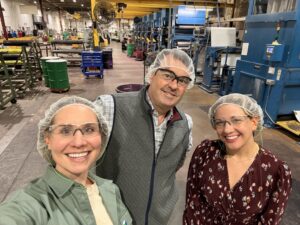
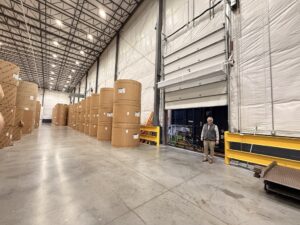 Built for Scale
 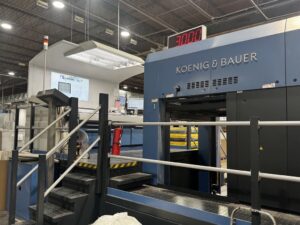 Investing in Technology and Output
 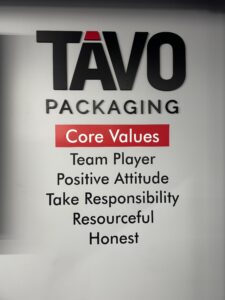 A Family Business with a Long-Term Mindset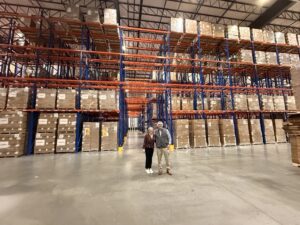
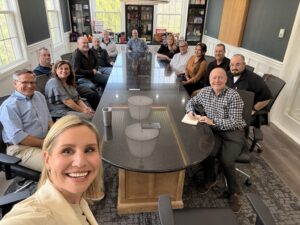 There are some company visits that stay with you long after you leave the building. My recent time with Don Droppo, Kerry Brown, and the team at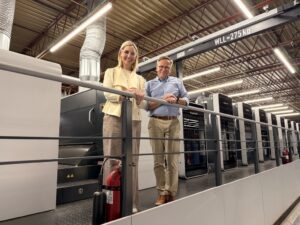
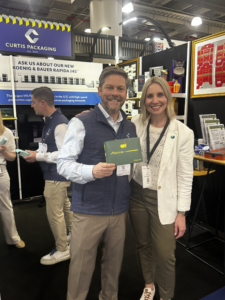
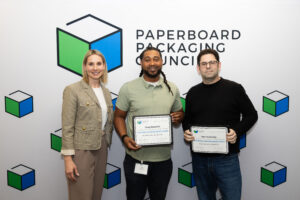
 PPC’s Spring Folding Carton Boot Camp
 Quinn Garber of Integrity Fiber
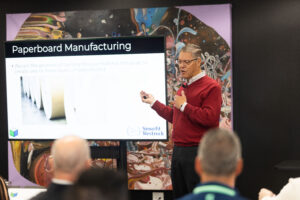 recycled materials continue to play across the paperboard packaging landscape. His presentation helped attendees better understand recycled fiber applications, sustainability considerations, and the performance characteristics manufacturers must evaluate when selecting materials.
 Attendees then explored sheeting and rewinding operations, gaining insight into how splicers, decurlers, tension control systems, rotary cutters, and stackers work together to create consistent, press-ready sheets while minimizing curl and reducing downstream production issues.
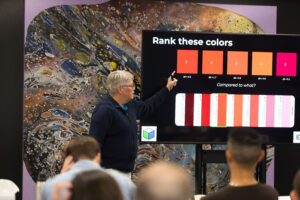 Susie Stitzel of Esko
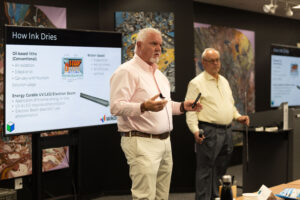 Gene Cowden and Chris Blackburn of Wikoff Color Corporation
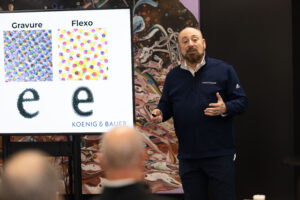 processes, cold foil applications, and rotary diecutting technologies. His presentations gave attendees a deeper understanding of how printing technologies continue to evolve to support greater efficiency, premium embellishments, and increasingly sophisticated packaging effects that help brands stand out on the shelf.
 Harold Leete of BOBST
 for prototyping, shorter production runs, customization, and packaging innovation.
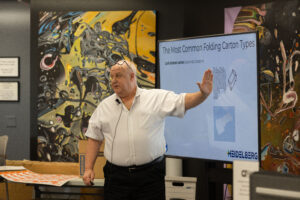 Chris Rainey of Heidelberg USA, Inc.
 Miles Guessford of Marbach
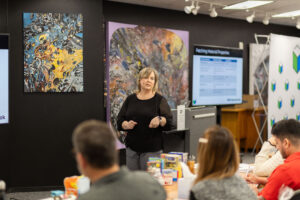 through carton windowing processes and key operational considerations. At the same time,
  integrity and production efficiency.
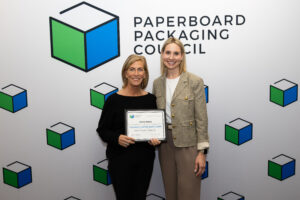 This year’s Boot Camp also welcomed PPC’s
  At this year’s SPC Impact conference in Nashville, TN, one idea kept surfacing: realistic optimism.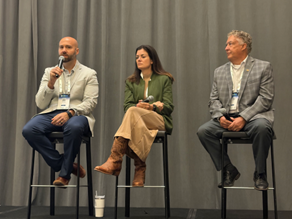
 Innovation That Signals What’s Next
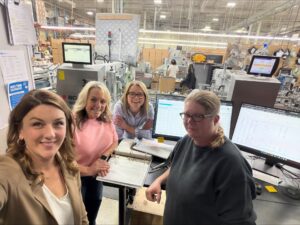 growth paired with a deep respect for the people behind it. With decades in the industry, Lynnette brings a perspective shaped by experience, but grounded in something even more important: an appreciation for the individuals who make the work possible every day.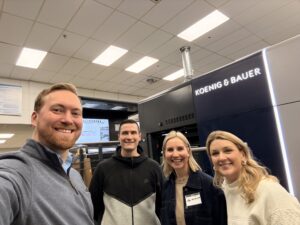
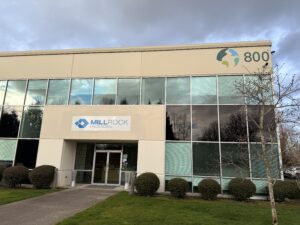
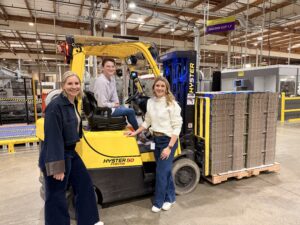

 For Diamond, sustainability begins at the design stage.
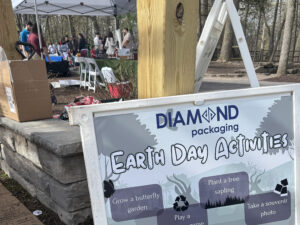
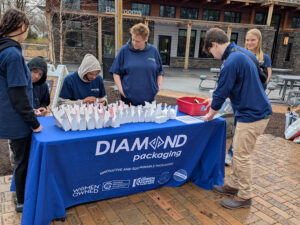 Reaching that future will require continued progress in design, stronger recovery systems, better data, and active collaboration across the value chain. It will also require the industry to stay engaged as regulations evolve, ensuring that policies reflect real-world conditions.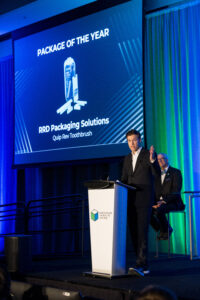
 PPC: What was the core problem the Quip Rev packaging needed to solve, and what “non-negotiables” were set from the start (performance, sustainability, brand experience, cost, etc.)?
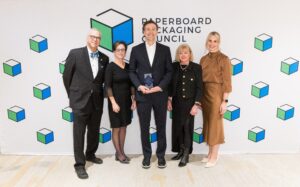 Innovation Happens When Teams Push Beyond Assumptions
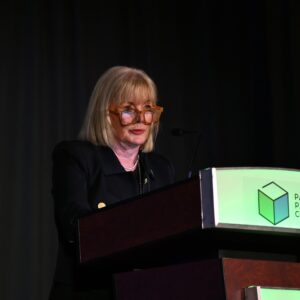
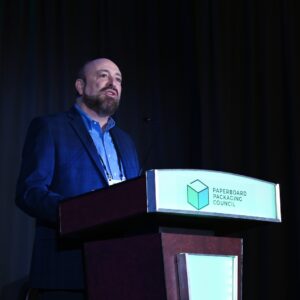
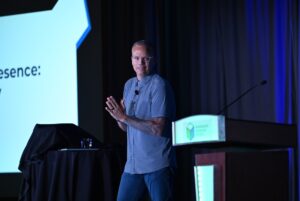
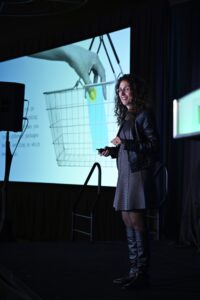 Vicki Strull, Principal of
  The brand panel, led by Paul Schutes, President of the
 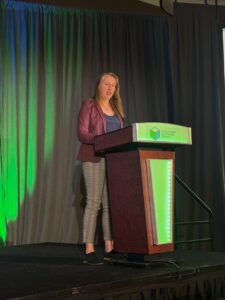 Abigail Sztein, Executive Director of Recovered Fiber at
  Chris Kuehl, Managing Director at
  Gene Marks, CEO of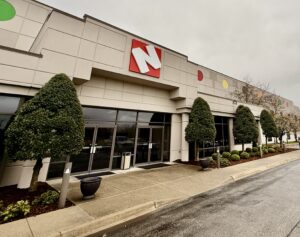
 This year’s Member Spotlight featured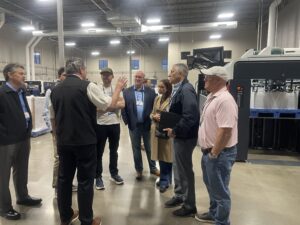
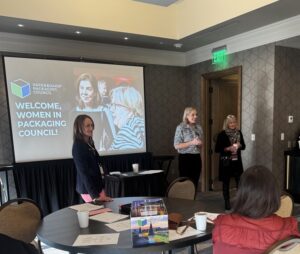 The Women in Packaging Council session, led by
 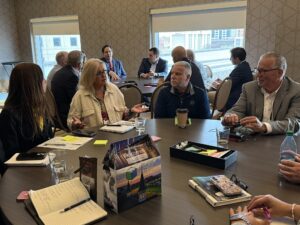 The Industry Campaign Roundtable brought members together to shape PPC’s new industry promotional campaign. It highlighted a key opportunity: while the industry has strong stories around sustainability, innovation, and performance, those stories are not being told consistently or collectively.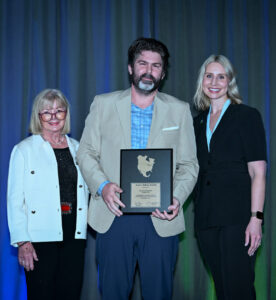
 Leadership Legacy: Honoring Ben Markens

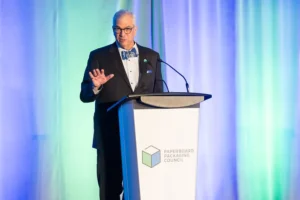
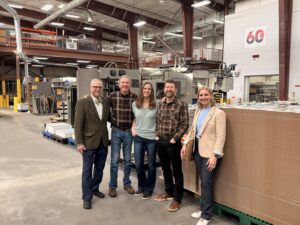

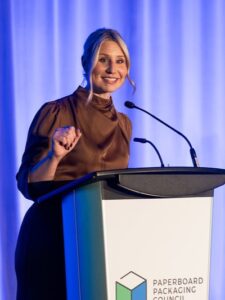
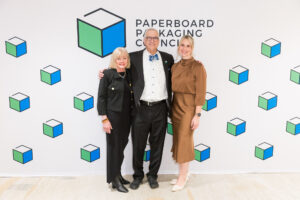
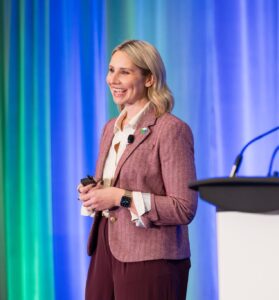
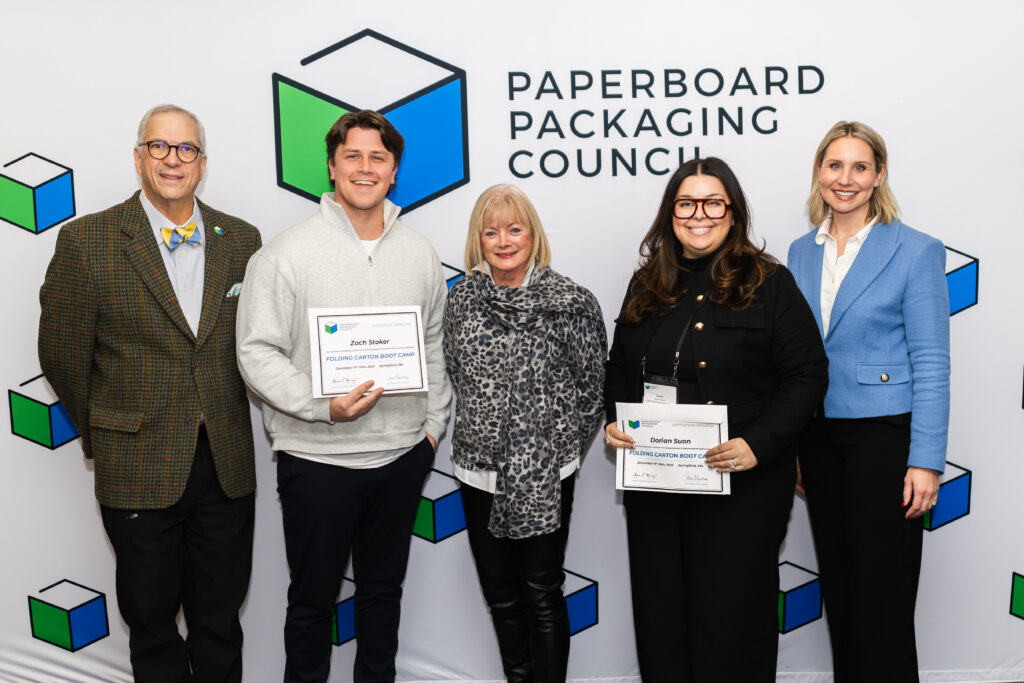
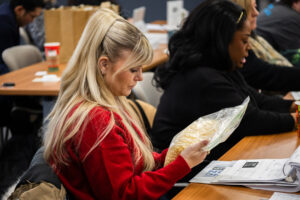 PPC recently concluded our Fall Folding Carton Boot Camp, held December 9–10 at PPC Headquarters in Springfield, Massachusetts. PPC’s signature two-day program delivered a comprehensive educational experience that paired technical insights with hands-on learning and expert-led discussion.
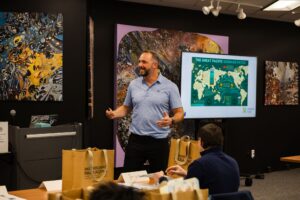 Building on that foundation, Quinn Garber of Integrity Fiber brought the recovered fiber story to life, breaking down where recovered material comes from, how it’s collected and valued, and how waste fiber is generated throughout converting operations.
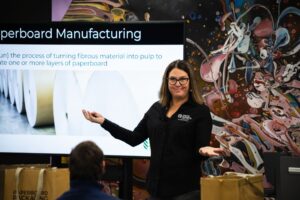 Jen Lechlitner of Graphic Packaging International advanced the discussion with an end-to-end view of recycled paperboard, from pulping and contaminant removal through forming, drying, coating, and winding. The session tied each manufacturing step to converter-critical properties such as stiffness, caliper, moisture stability, surface, and glueability, and compared grades such as CRB and SUS against real production outcomes.
 As the program moved from board to production formats, Max Rawson of BW Paper Systems delivered a practical look at web and sheet processes, highlighting what it takes to turn rolls into consistent, press-ready stacks through nonstop unwind/splicing, tension control, curl management, and key sheeter components that keep lines running reliably.
 Susie Stitzel of Esko bridged structure and graphics, covering core structural design considerations alongside graphic fundamentals and a practical color and prepress primer, including CMYK, screens/line screen, avoiding moiré, and strategies for consistent brand color across substrates and print methods.
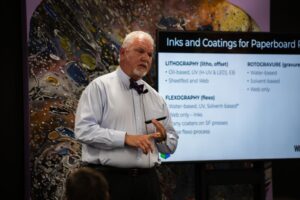 With that foundation set, Gene Cowden of Wikoff Color Corporation grounded inks and coatings in production realities, connecting print system and curing choices to key performance factors in finishing and distribution, such as adhesion, rub resistance, gloss, coefficient of friction (COF), and durability.
 Harold Leete of Bobst North America expanded the lens across multiple technologies, leading sessions on Digital Printing, Intro to Laminating, Sheetfed Diecutting/Blanking/Embossing/Stamping, and Digital Diecutting, helping attendees evaluate how different approaches affect speed, flexibility, changeovers, and overall capability.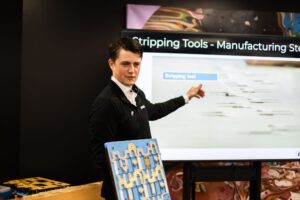
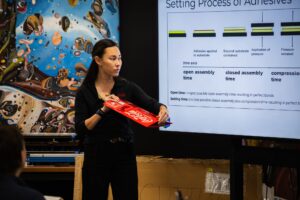 From there, Kirsty Drury of Henkel brought adhesives into the spotlight with a production-focused session on gluing fundamentals, comparing water-based and hot-melt systems and connecting bond formation to key performance attributes and day-to-day success on the folder gluer.
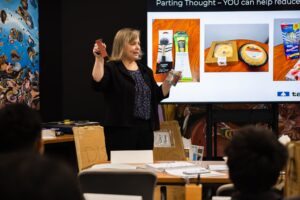 To round out key value-add processes, Gayle Harrop of Tamarack walked through carton windowing, from aperture creation to patch application either offline or inline, covering equipment features such as registration, slitting/perforating, and splicing, and how film and adhesive choices can support coated boards and specialty requirements like freezer or microwave-safe packaging.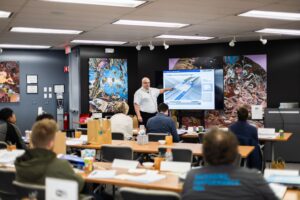
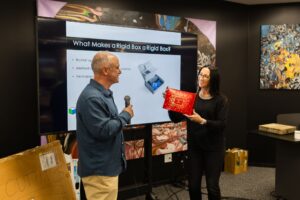
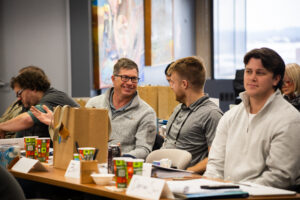 “The training at PPC Folding Bootcamp was invaluable. The industry experts’ knowledge and willingness to answer questions and provide clarity are impressive and important to the overall learning of each future boxineer. The differentiator of this training is its focus on content, free from bias or advertising for any particular brand or supplier. The information was presented in a way that prompted consideration of the result, and multiple troubleshooting paths were provided. Truly great training for anyone in the packaging industry, as it covers the entire production process.”
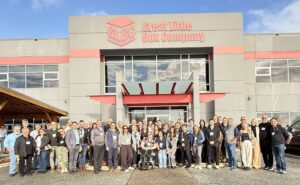
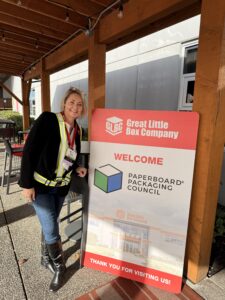
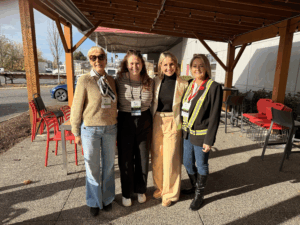 It is always one of the best parts of our PPC community in action when members open their doors to allow our community of box makers to step inside, learn from their team and operations, and share in a collective spirit of improvement and collaboration. In association, we are all better.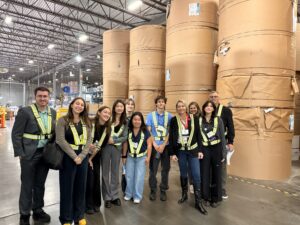
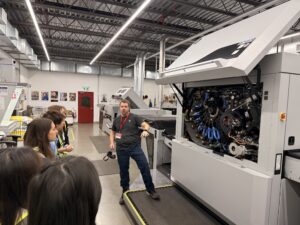
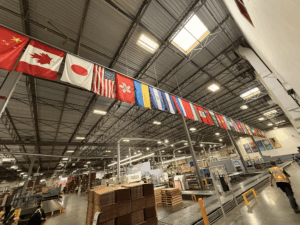
 Vancouver greeted the PPC community with a spirit that was fitting for this moment in time, one defined by collaboration, continuity, and the collective strength of an industry that succeeds when it moves forward together.
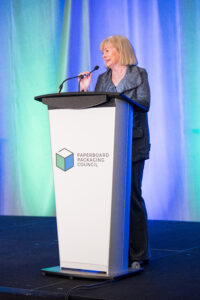





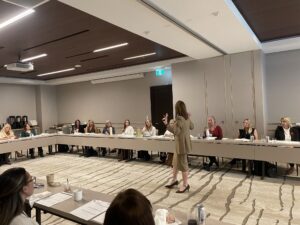
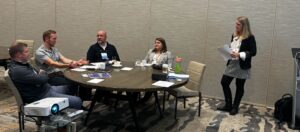
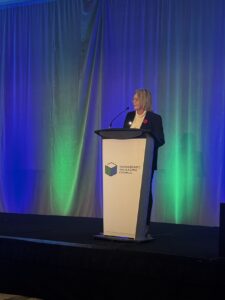
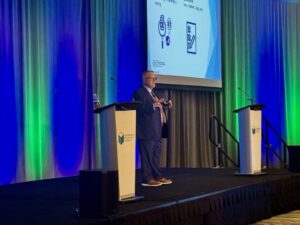

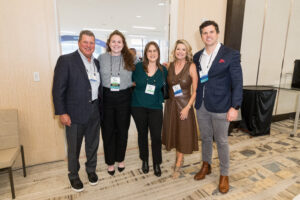
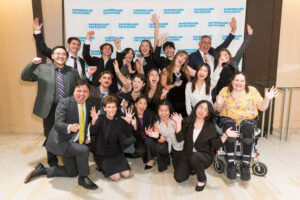
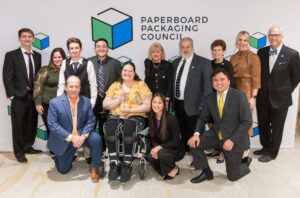
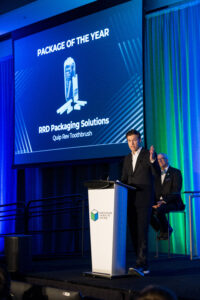
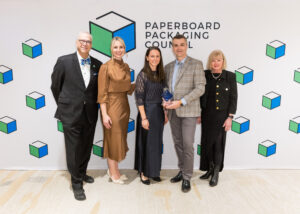
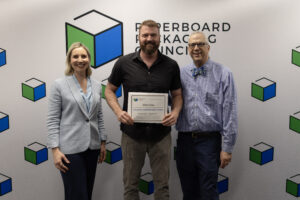
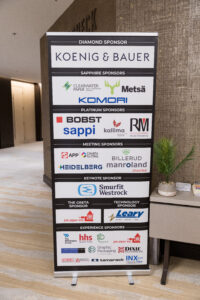
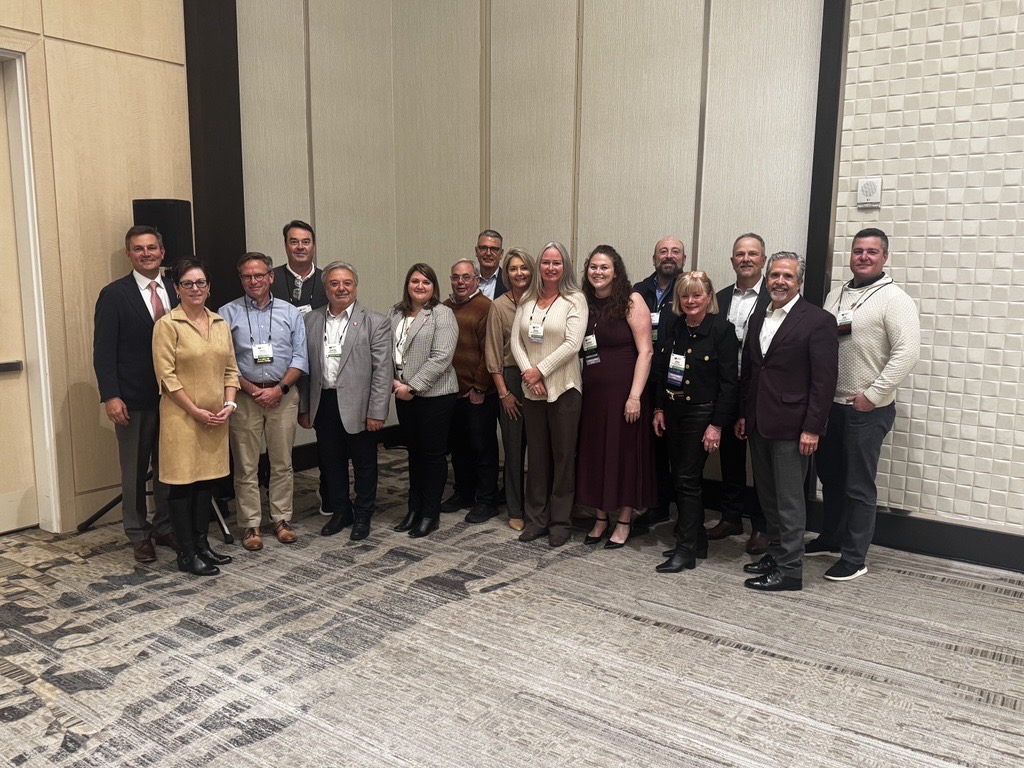
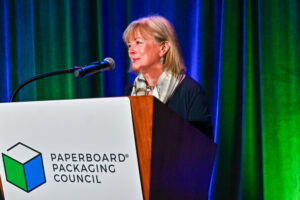
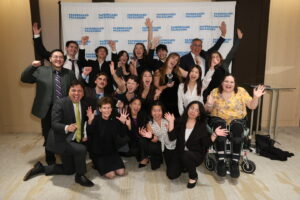 t real-world customer needs. PPA is a joint initiative of the American Forest & Paper Association (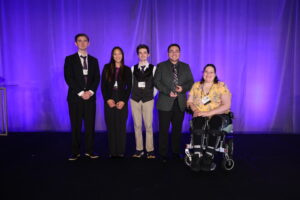

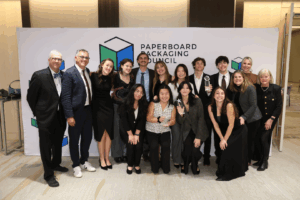
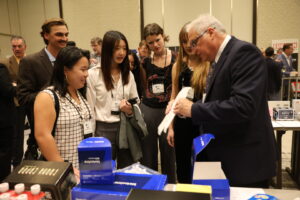


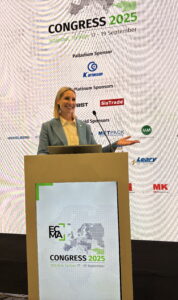 Over the course of the week, the program brimmed with insights from across the value chain. We celebrated with longtime PPC-ECMA members, welcomed new connections, and reconnected with colleagues. Coupled with ECMA’s 65th anniversary, the gathering felt both historic and forward-looking, a reminder of where we’ve been and where we’re going.
 Perhaps most inspi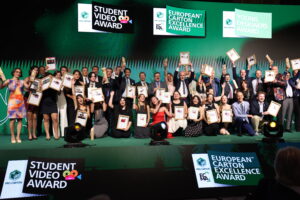
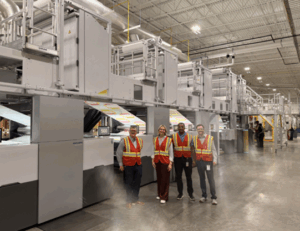
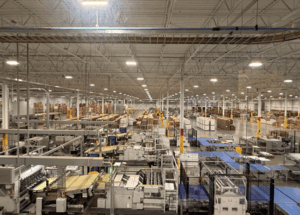
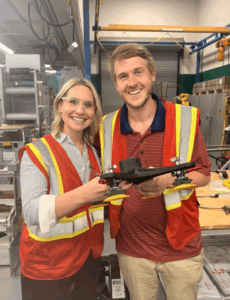 Culture and Values in Action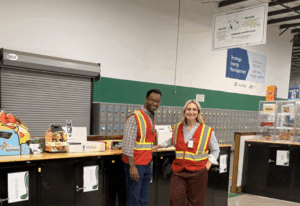
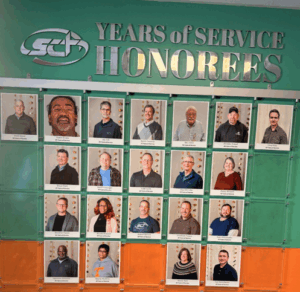 SCT’s legacy as a family-owned business runs deep. Over the years, the Zeiser family has welcomed multiple generations of families into the business, building not just a company but a true, thriving community. At their Compress facility, I was touched to see Brian Hunt, Past PPC Chair, honored on the wall for his role in shaping the facility as a distribution hub, a reminder that his vision continues to inspire and guide SCT today.
 The Spirit of SCT

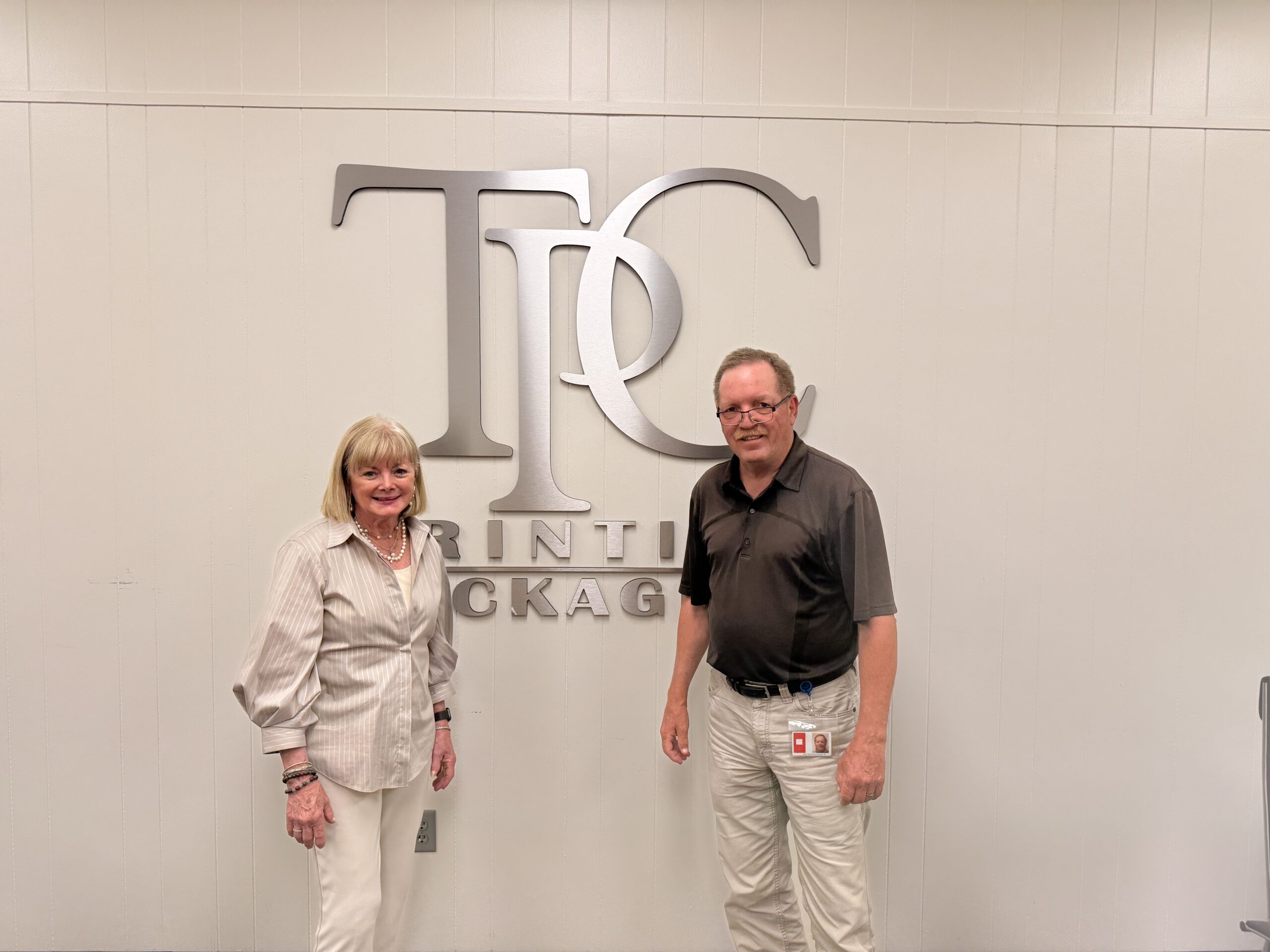
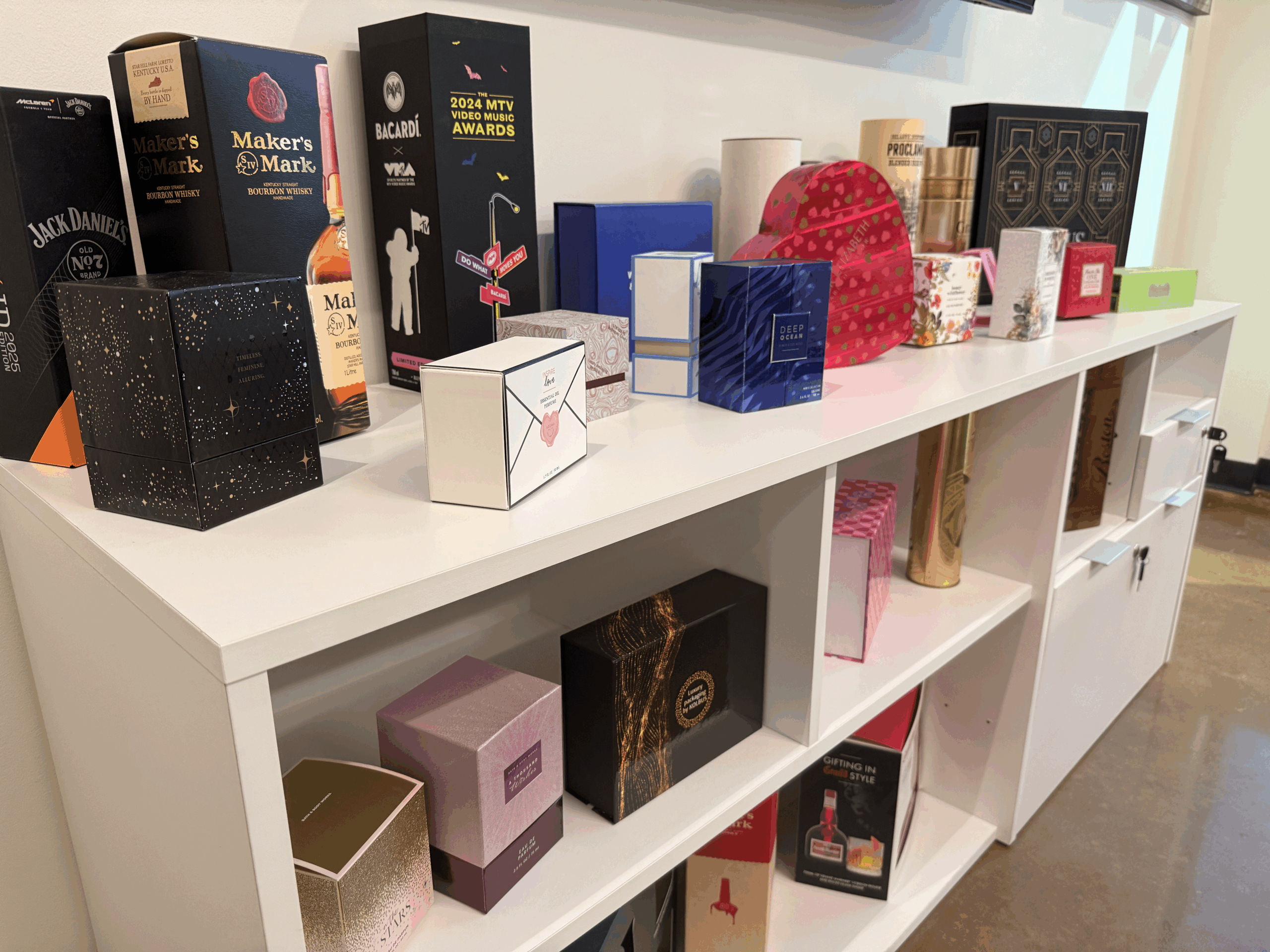
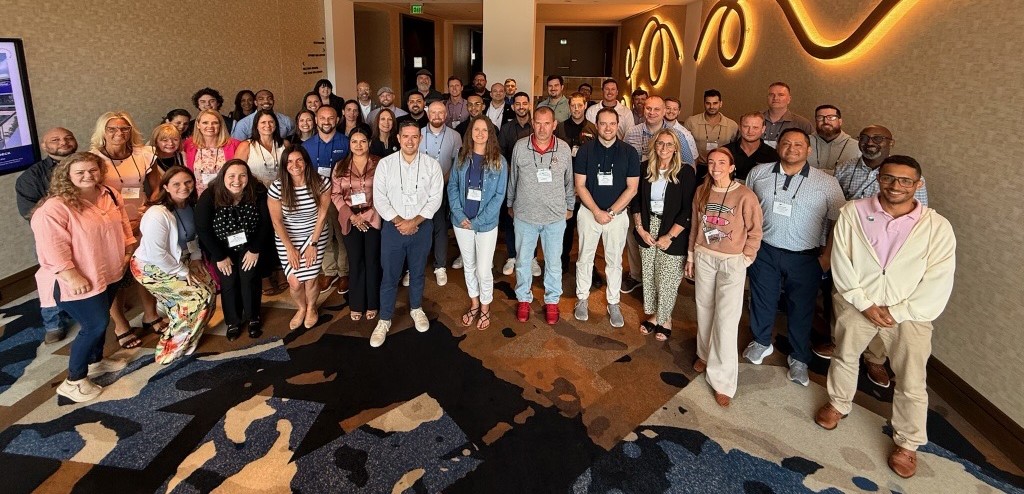
 PPC Next would not be possible without the generous support of its sponsors, whose commitment to leadership development goes beyond brand visibility.
 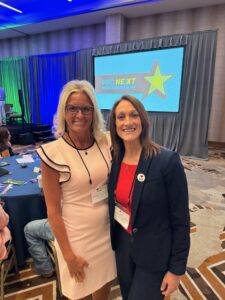 The summit opened with Ann Bowers-Evangelista, Psy.D., MBA, President of Llumos, whose keynote, The Endurance Leader: Leadership Longevity in a World of Quick Wins, challenged attendees to view leadership as a marathon rather than a sprint. Drawing parallels between her work as an executive coach and her experience as an Ironman triathlete, Ann offered strategies to pace themselves, manage energy, and adapt leadership styles over time. She provided practical tools for avoiding burnout, sustaining motivation through uncertainty, and maintaining high performance during prolonged periods of change.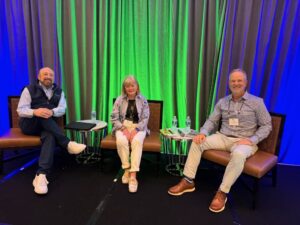
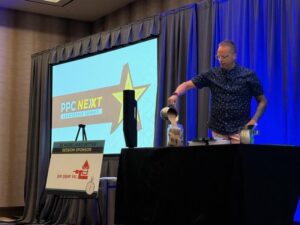
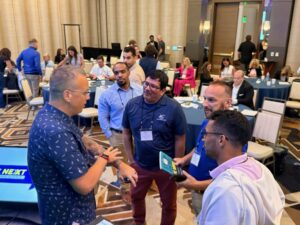
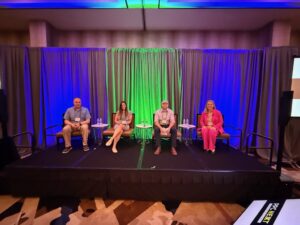
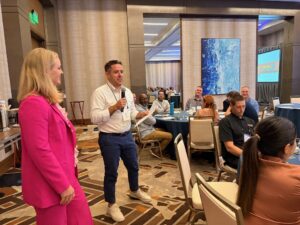 From these conversations emerged a set of shared truths: conflict doesn’t age well, cross-training is a culture move, not a checkbox, and the speed of communication often determines the speed of trust. Leaders underscored the value of modeling calm, focused leadership during high-pressure moments and the importance of building systems that strengthen culture every day, not just when it’s convenient.
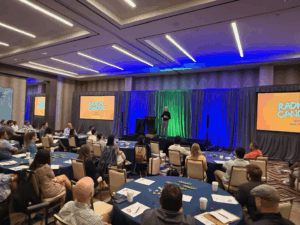 The second day was devoted to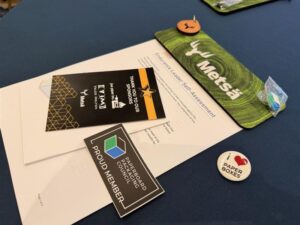
 PPC is proud to announce the return of
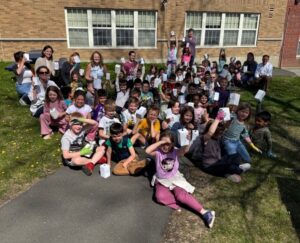
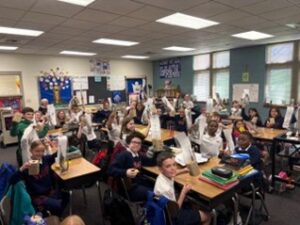
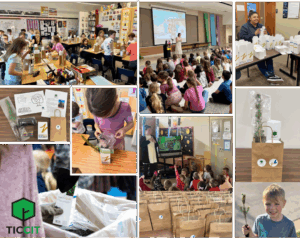
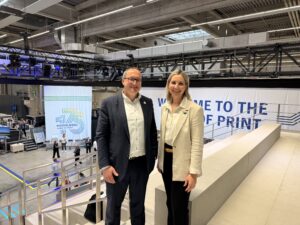
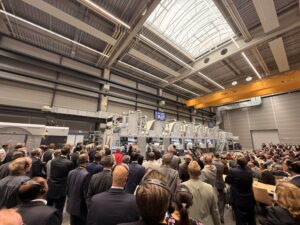
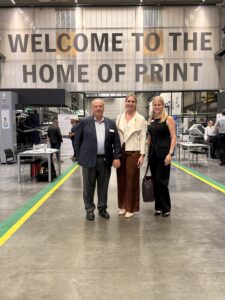
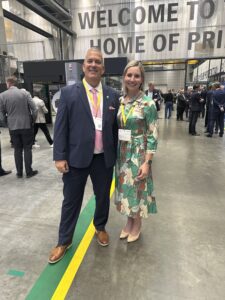
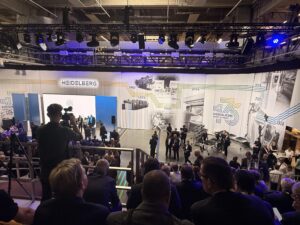
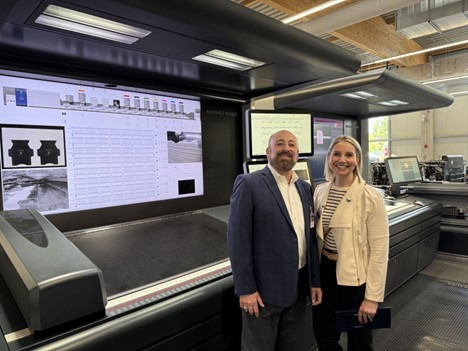 I was honored to attend Koenig & Bauer’s Open House Factory Event this May, just outside of Dresden, and was treated to an immersive, behind-the-scenes look at what it means to lead the way in the future of print and packaging. From the moment I arrived, it was clear that Koenig & Bauer tailor makes each and every press to meet their customers’ exact needs.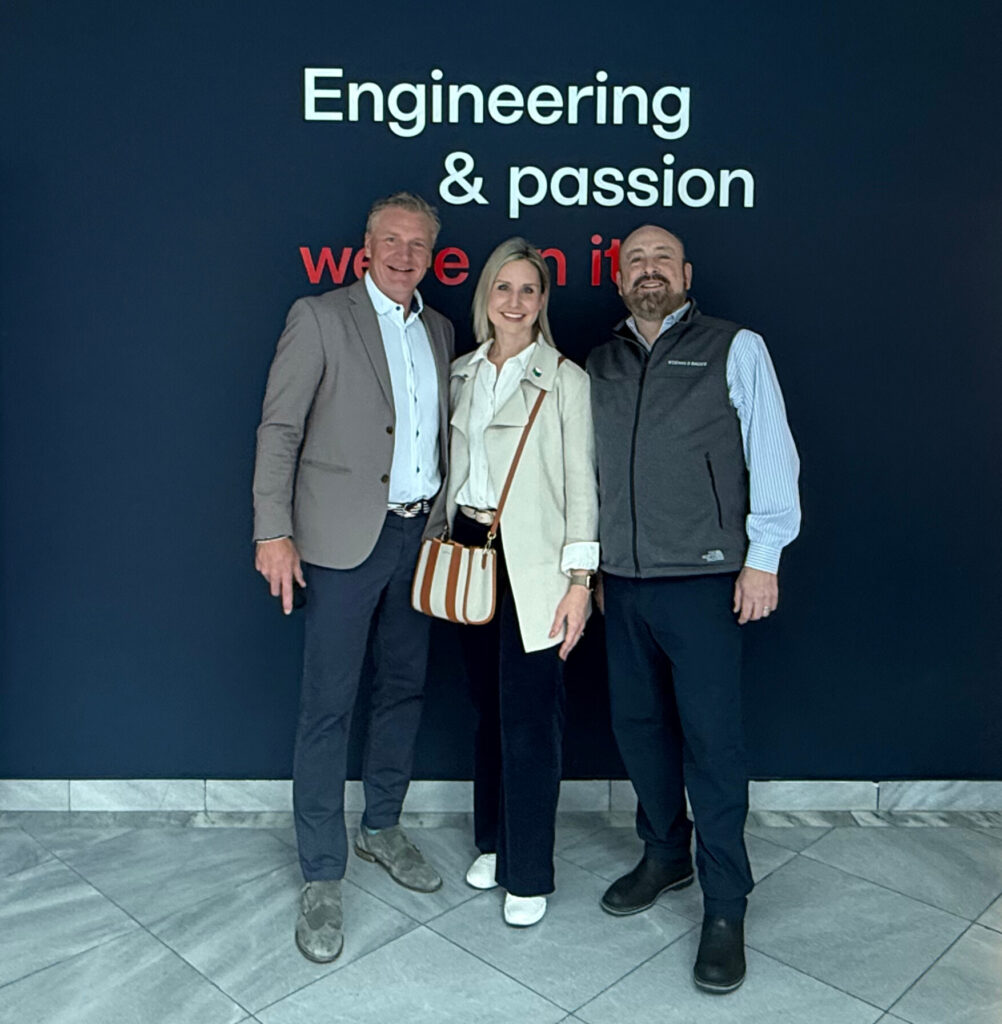
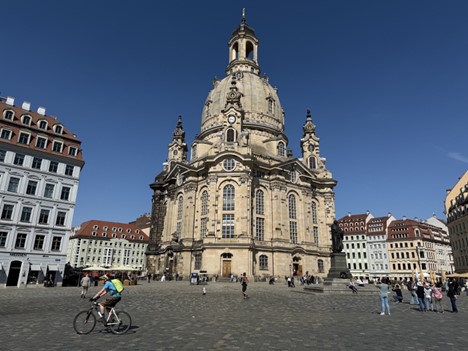
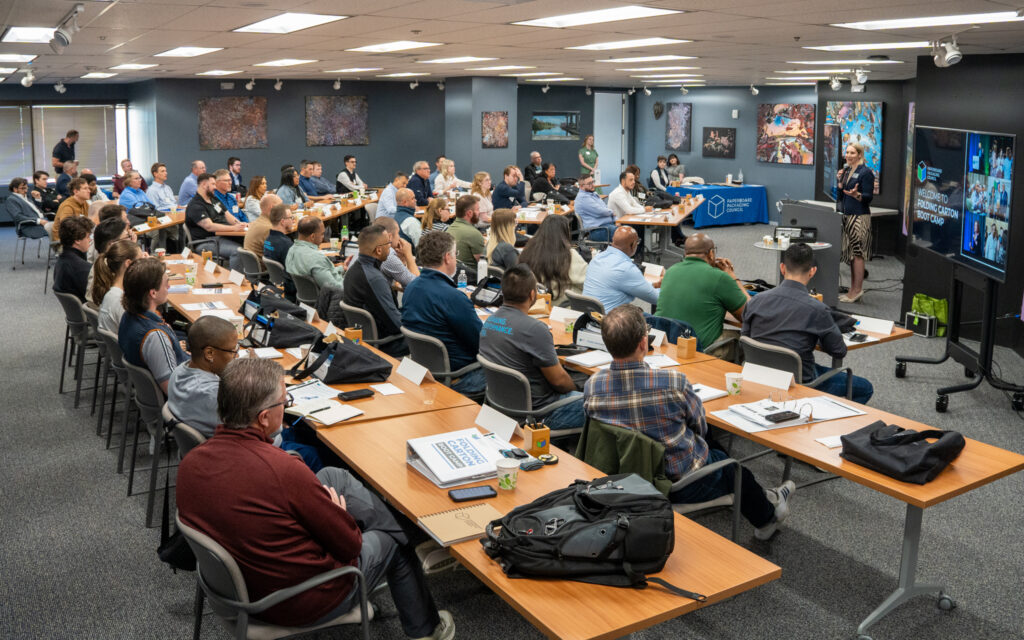
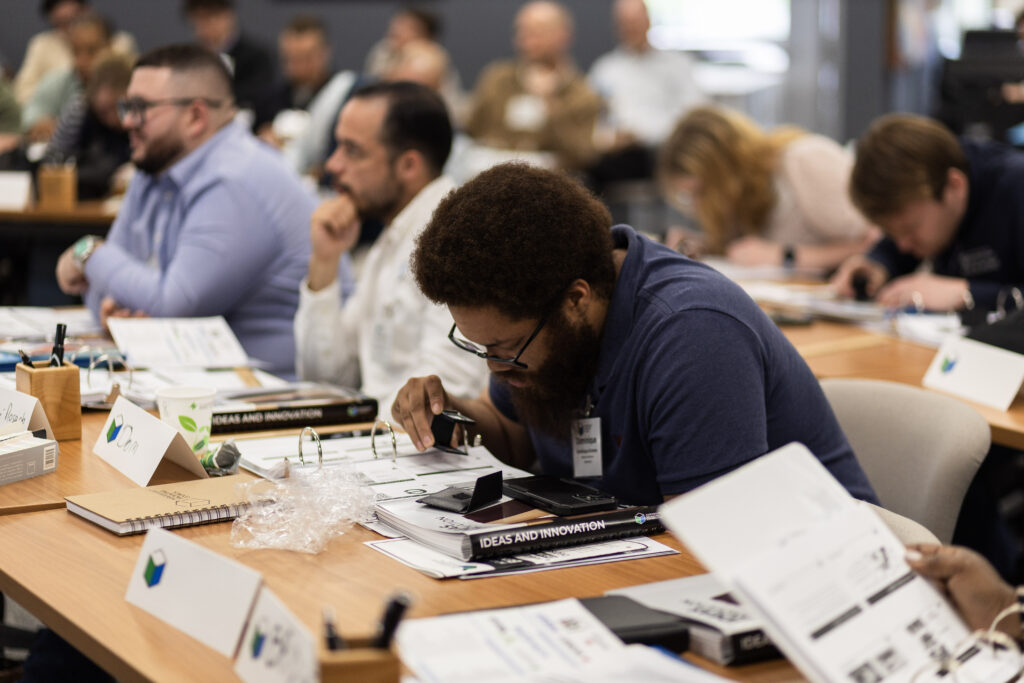 A Step-by-Step Look at the Folding Carton Journey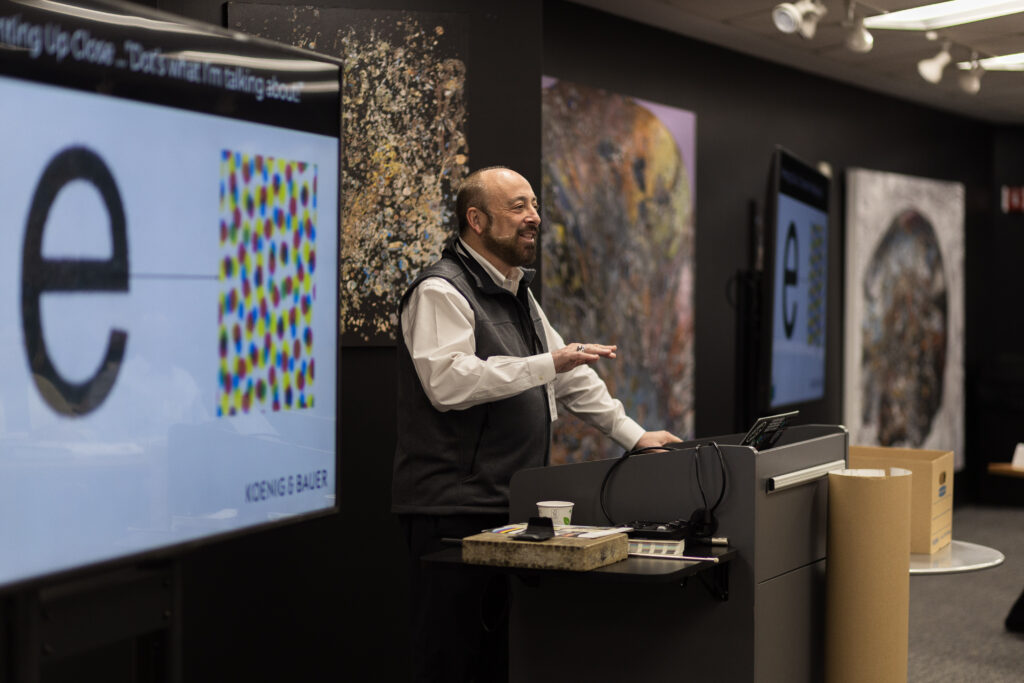
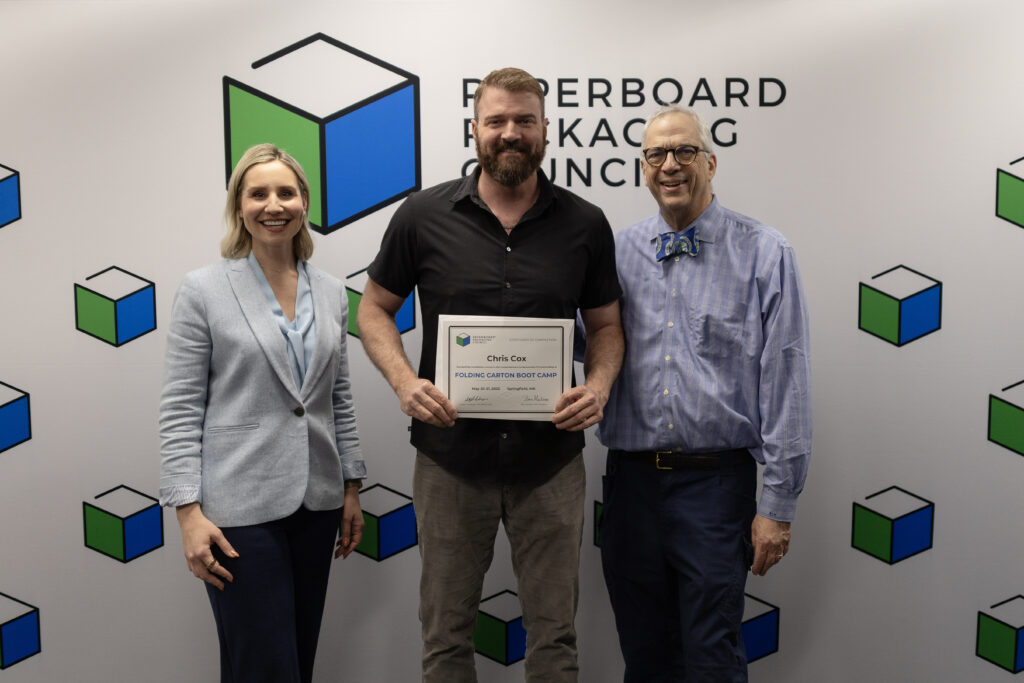
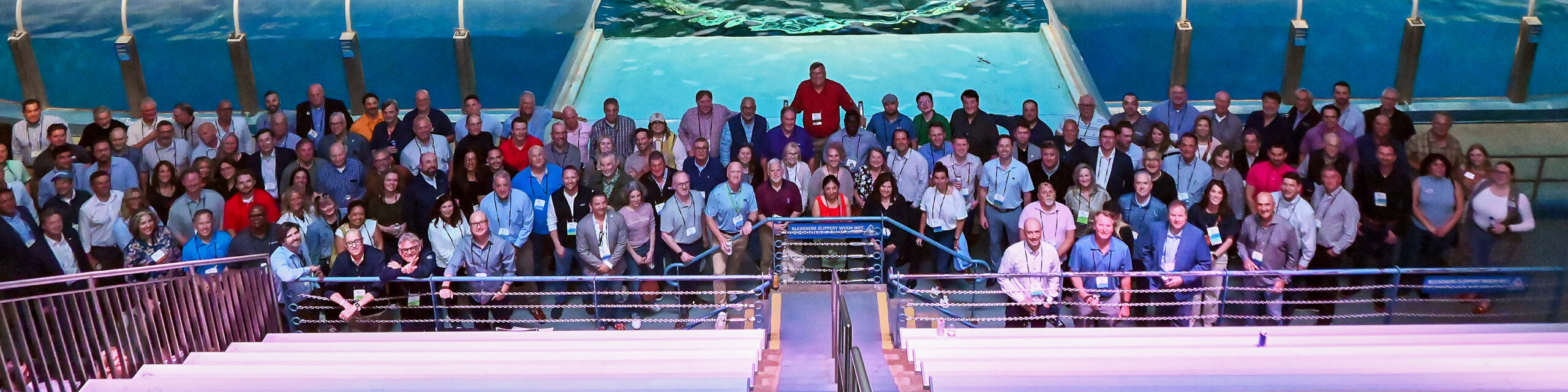
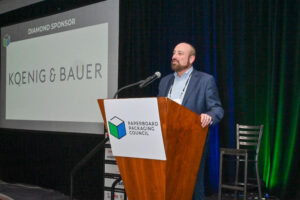

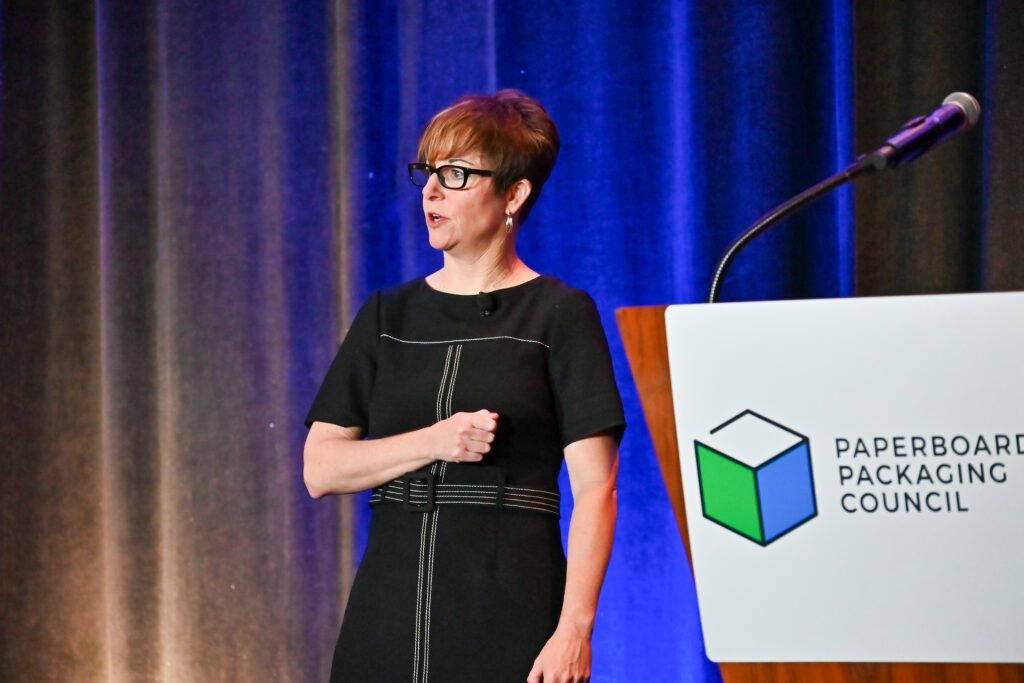
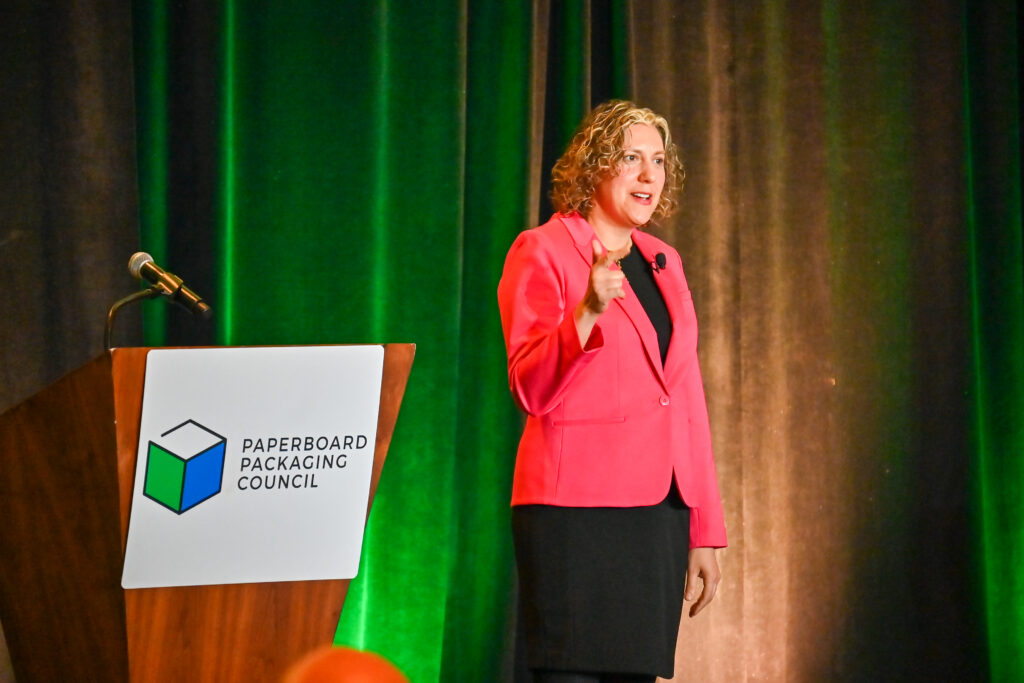
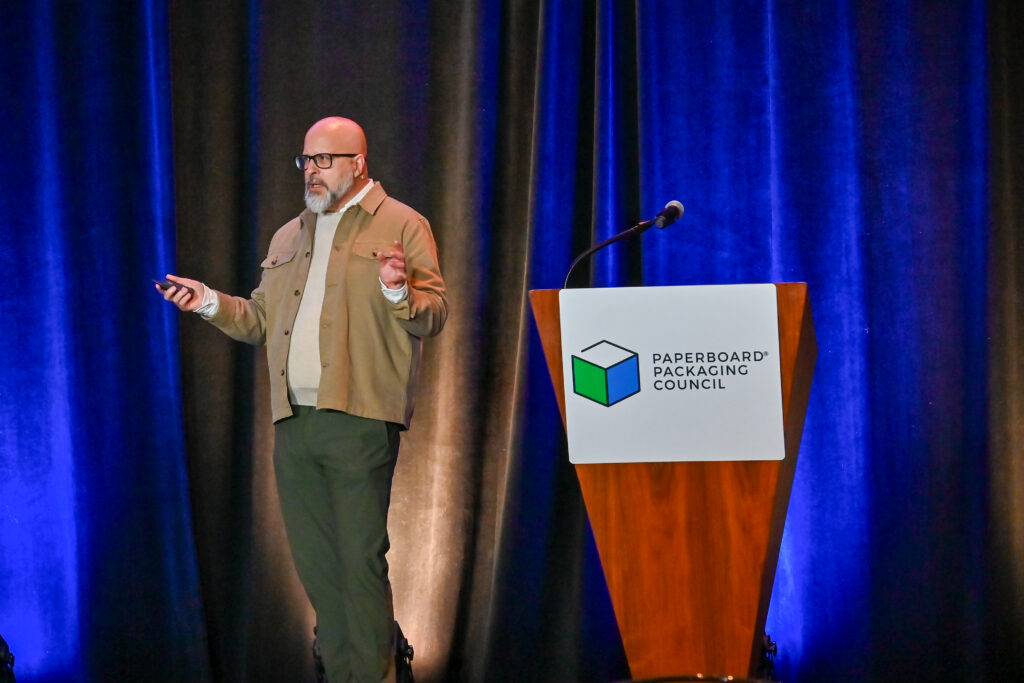
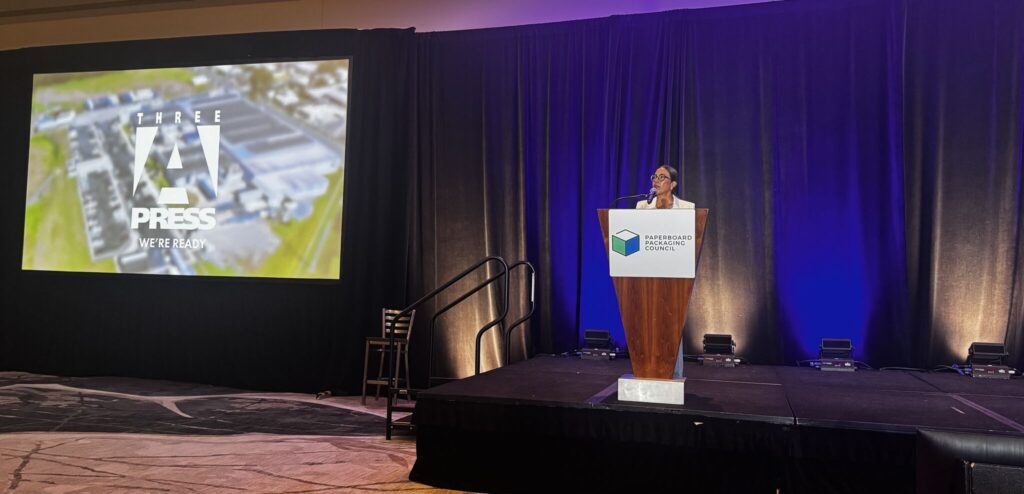
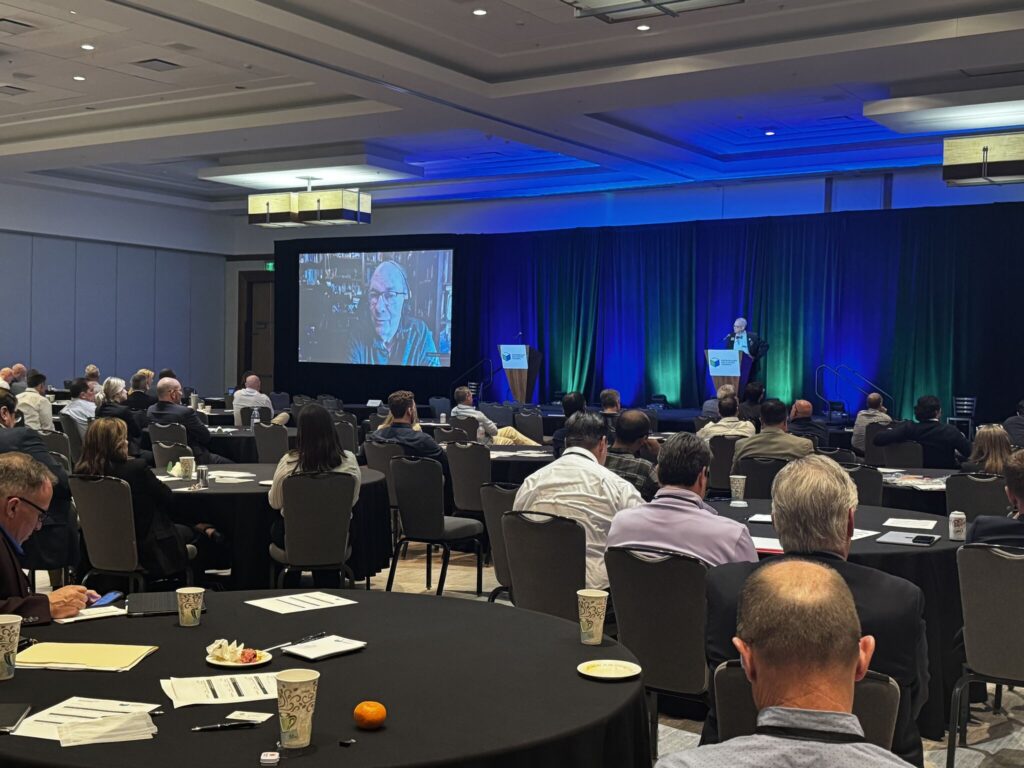
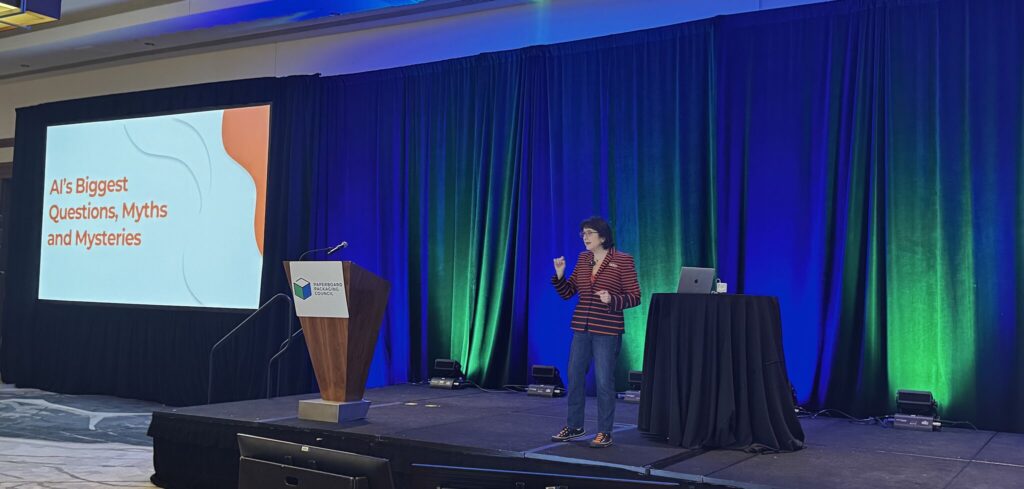
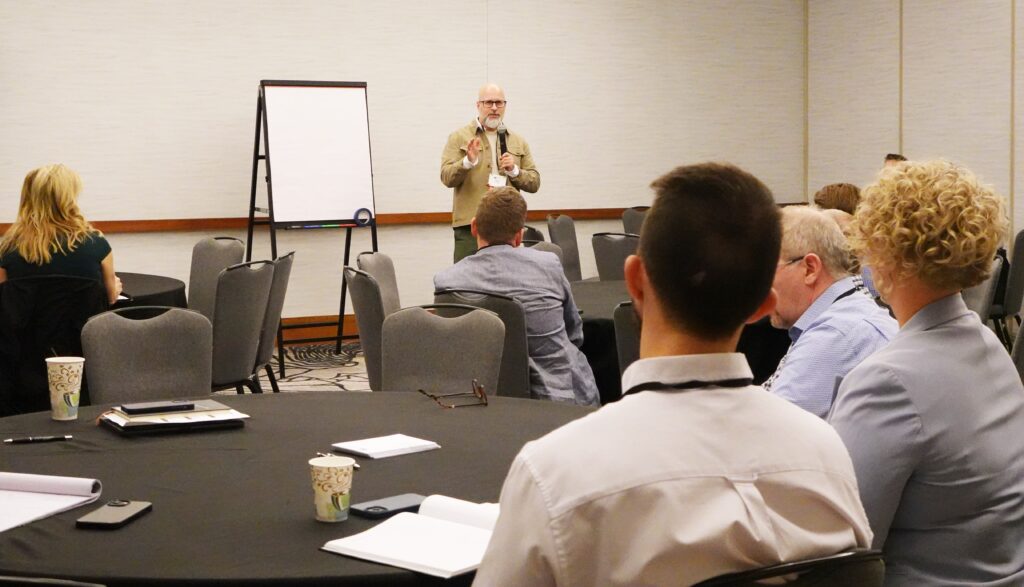
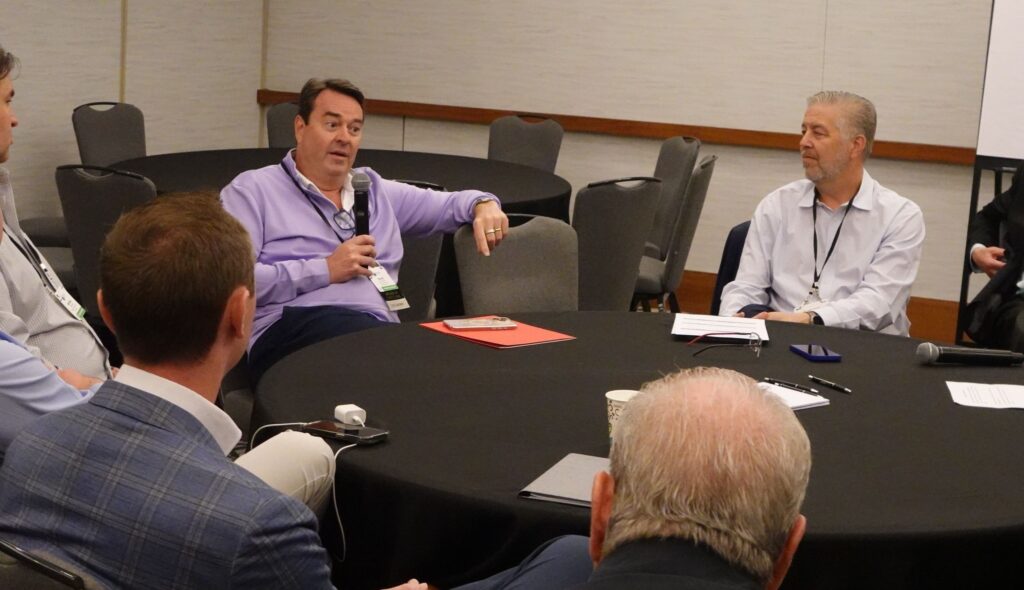
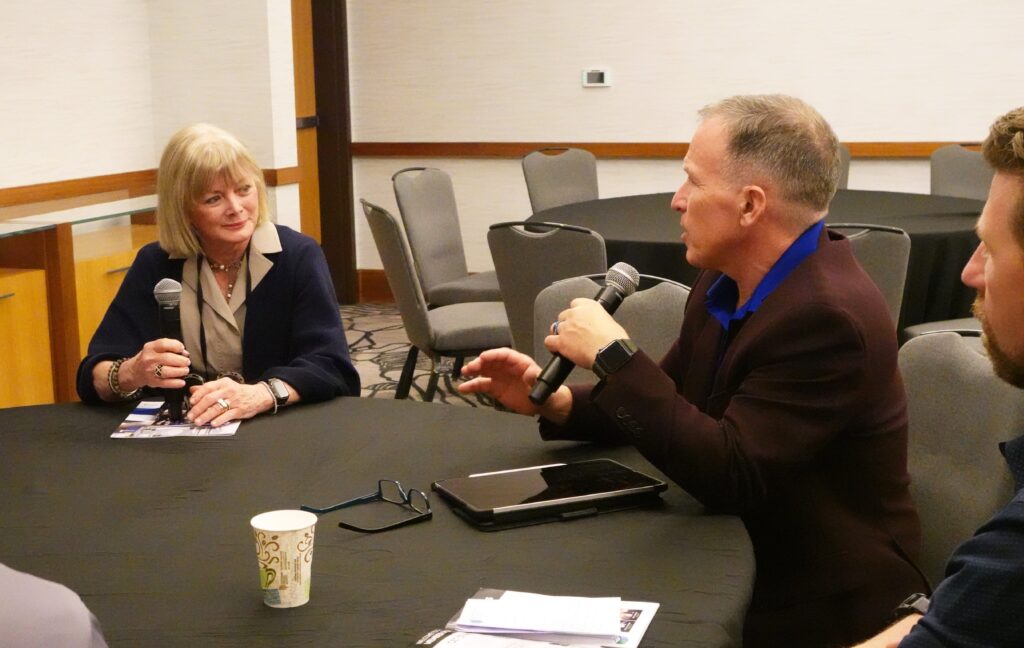
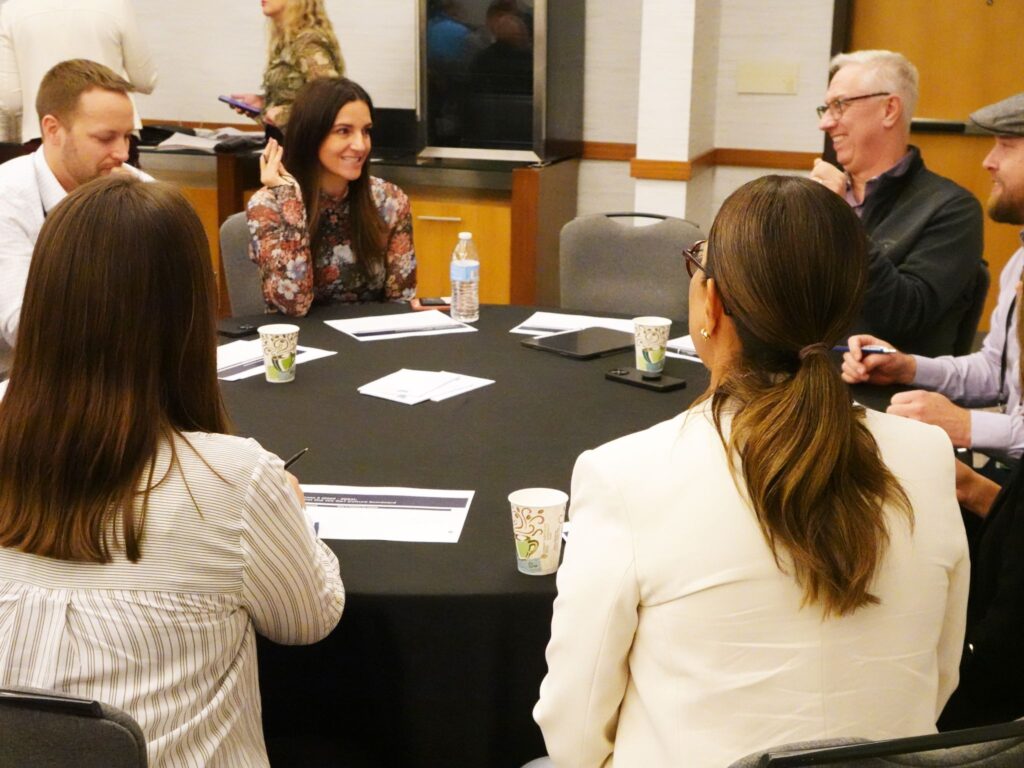
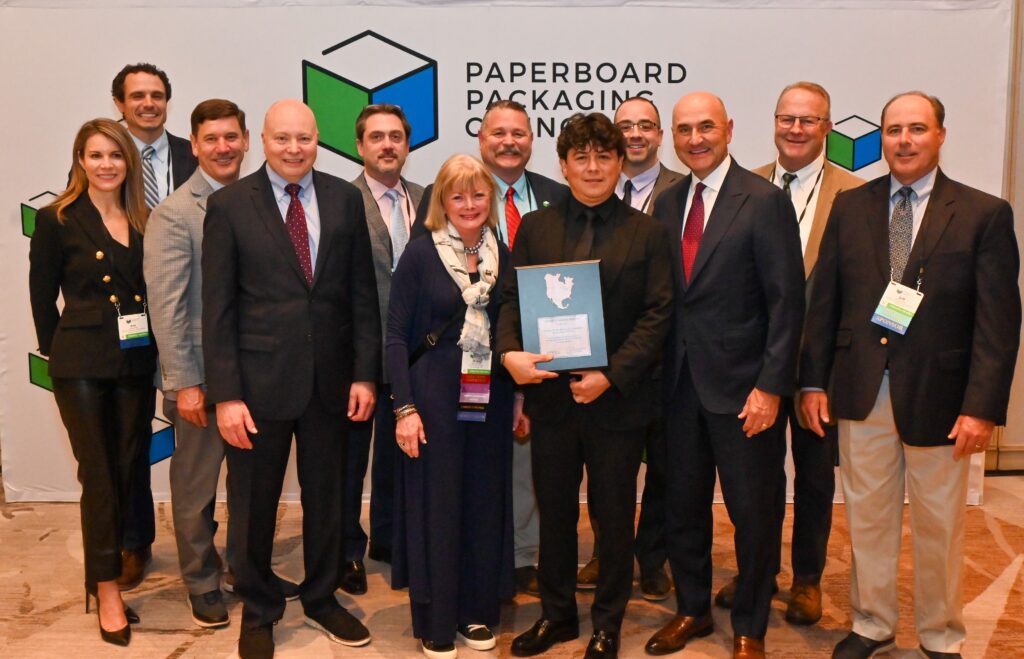
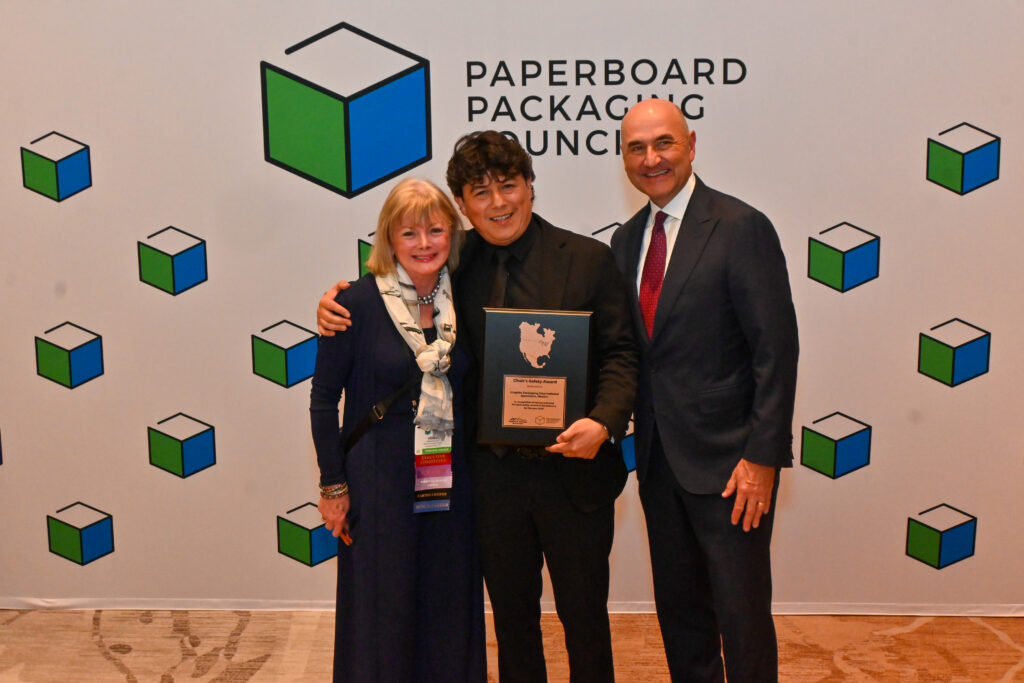
 Among them, women are breaking barriers and making strides in manufacturing, operations, and executive leadership. Their impact extends beyond their own success, paving the way for the next generation of talent and shaping a more inclusive, dynamic industry.
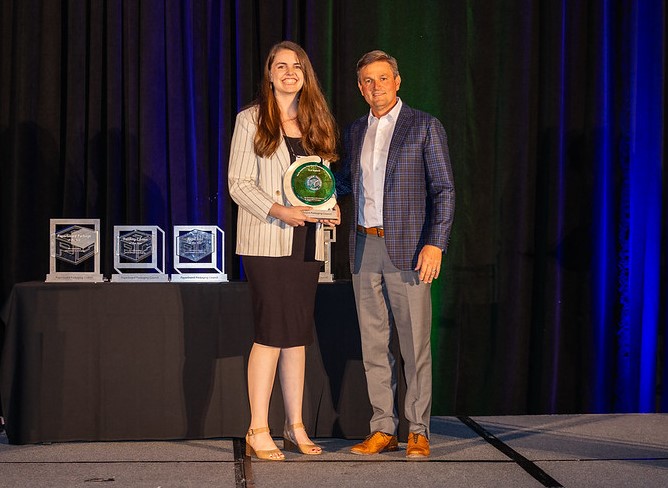
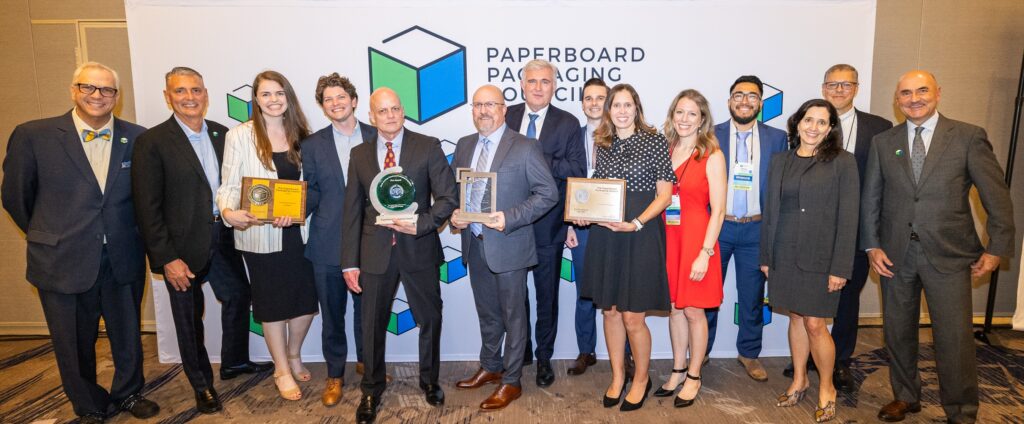
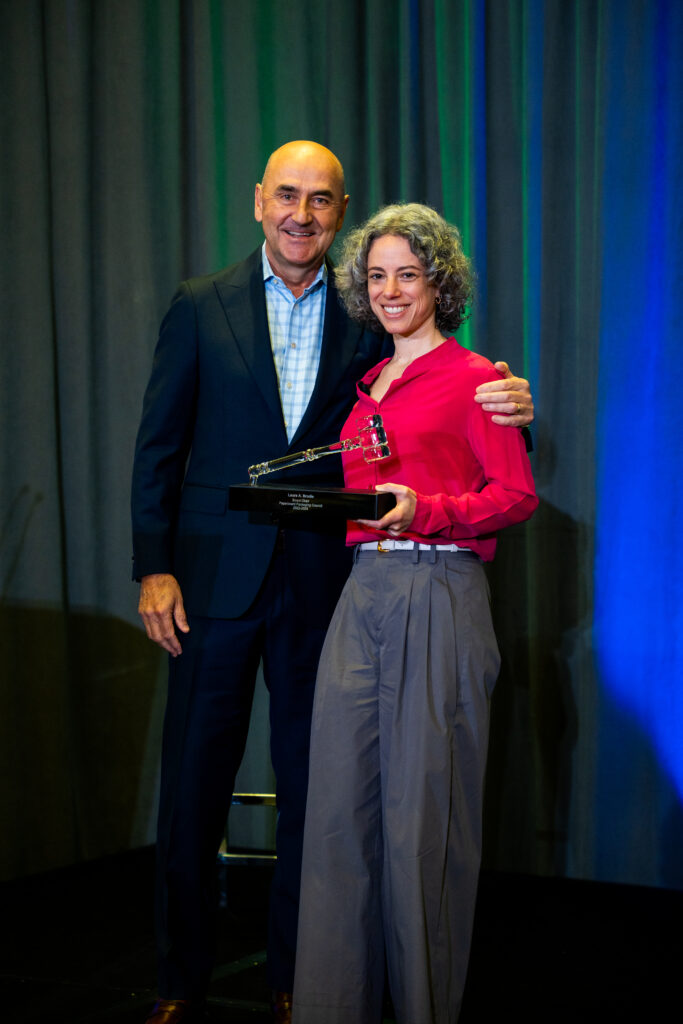
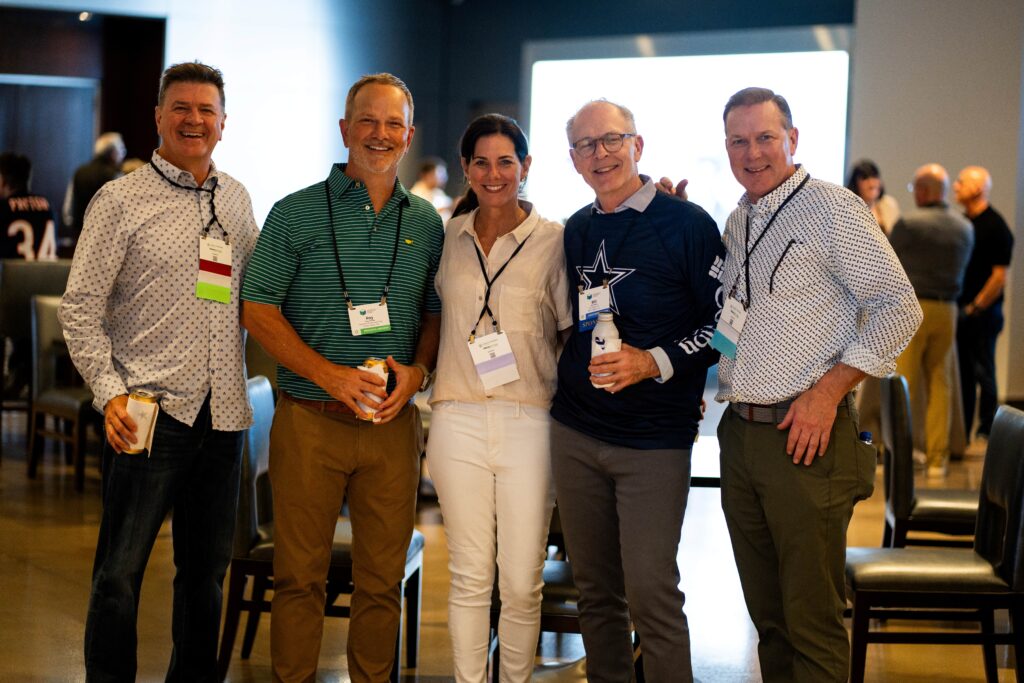
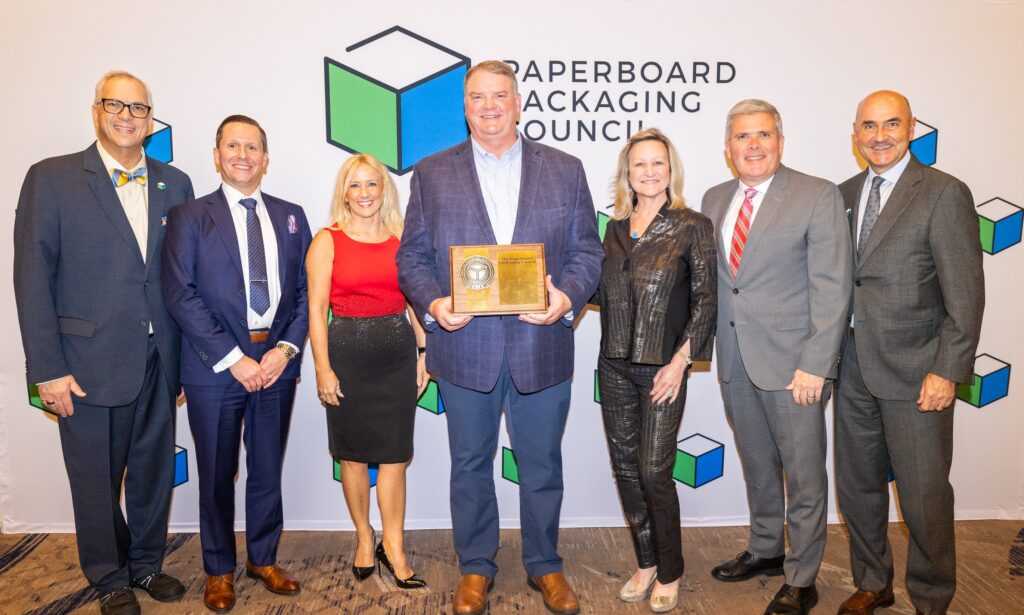
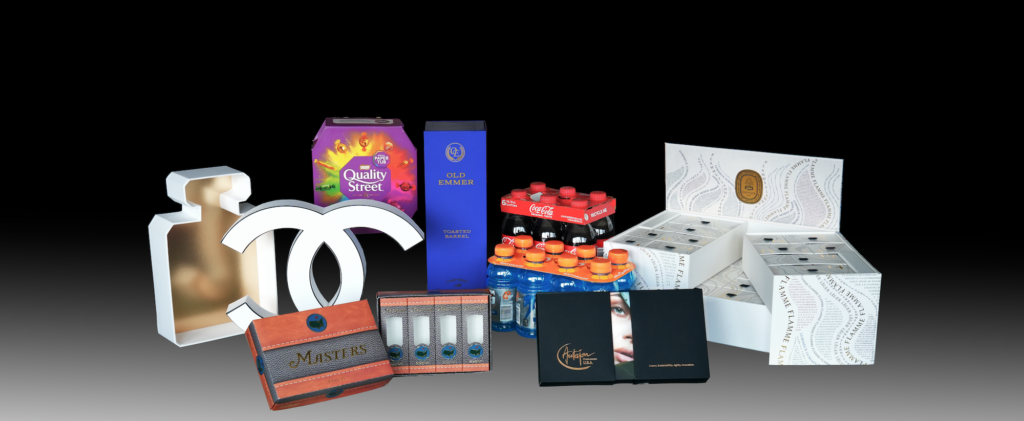
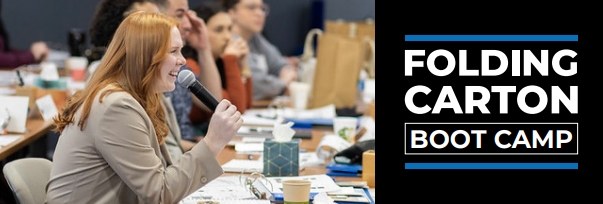 In 2024, our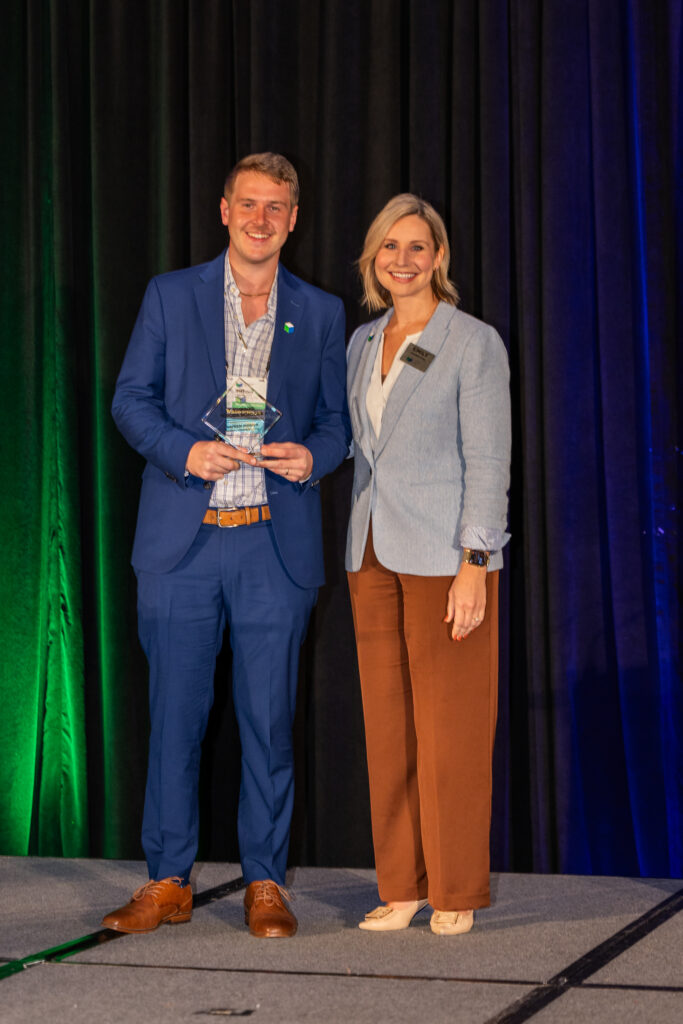
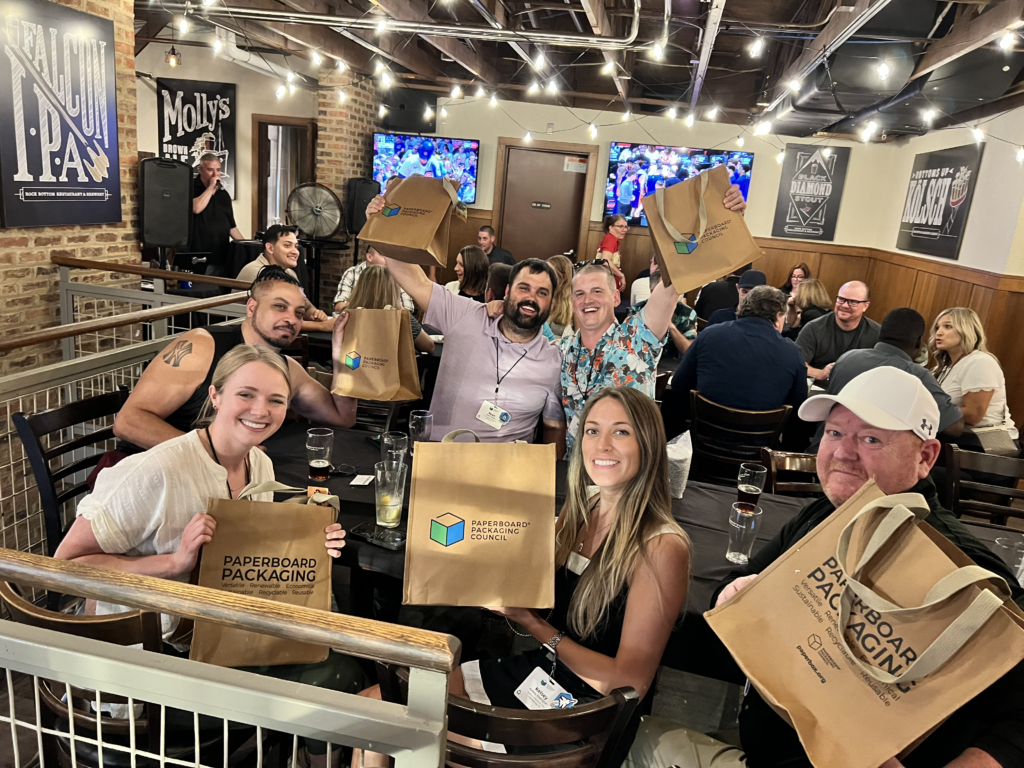
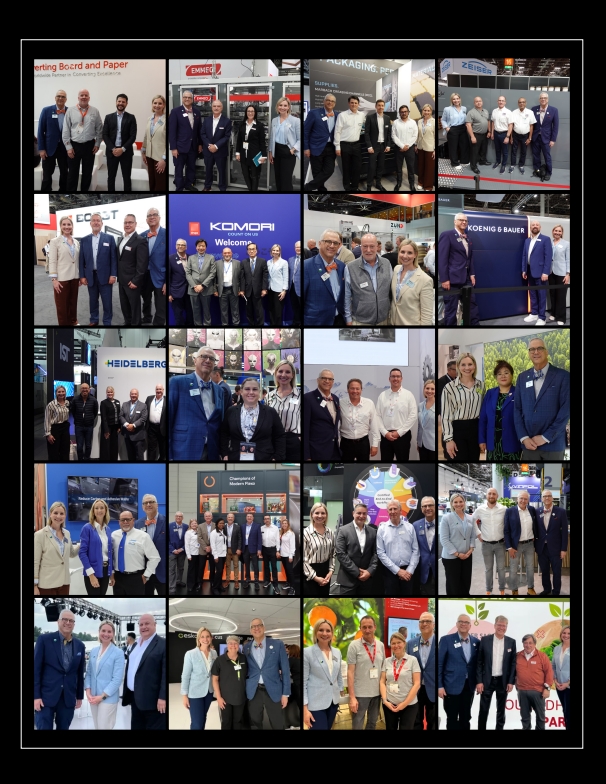 PPC was proud to represent the North American folding carton industry at
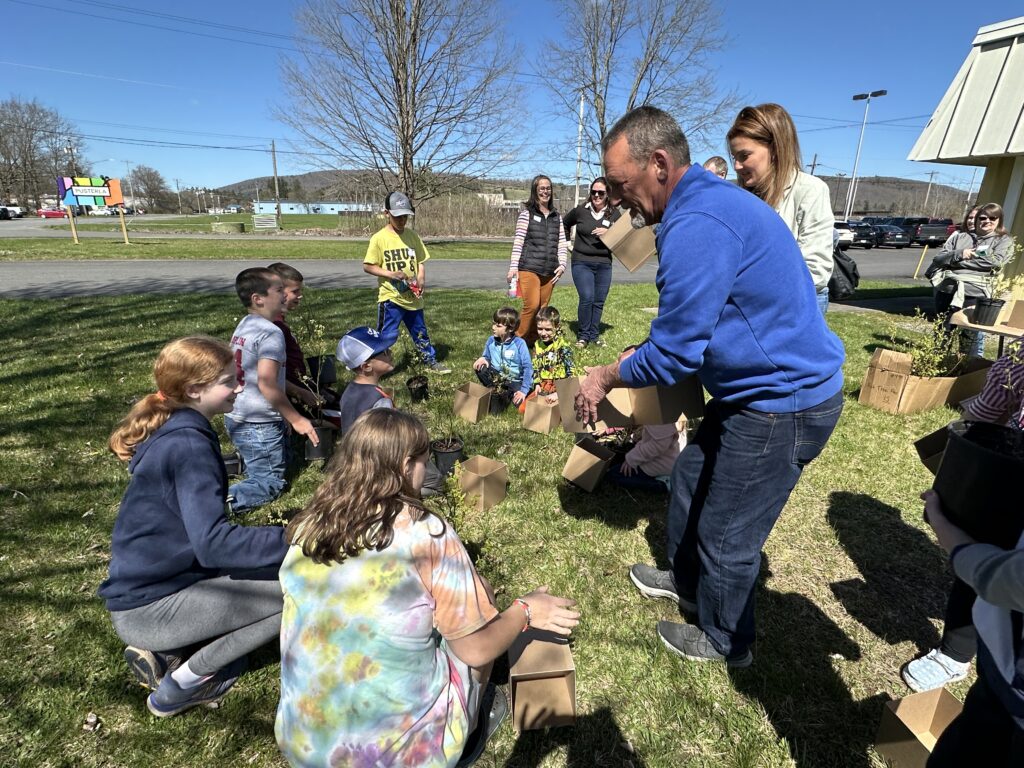
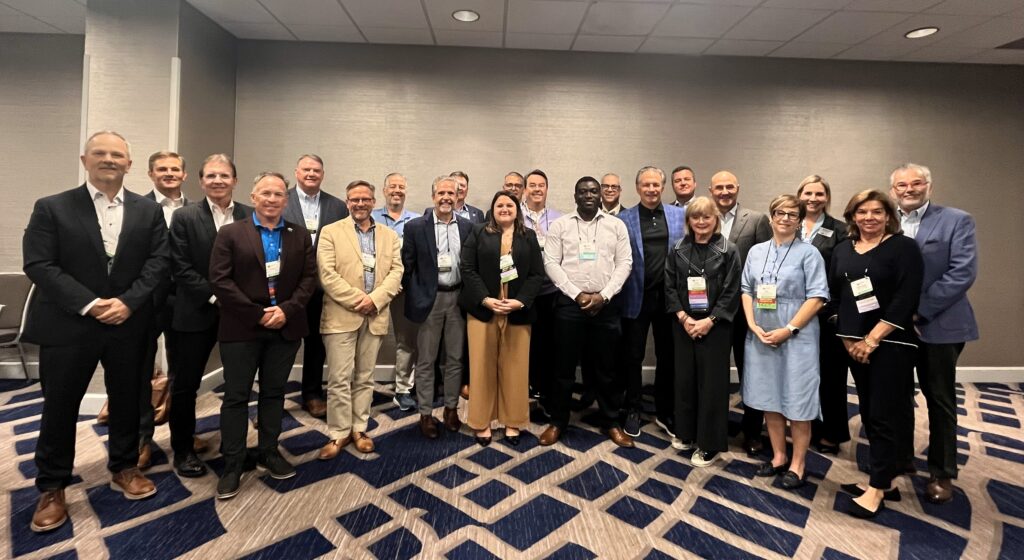

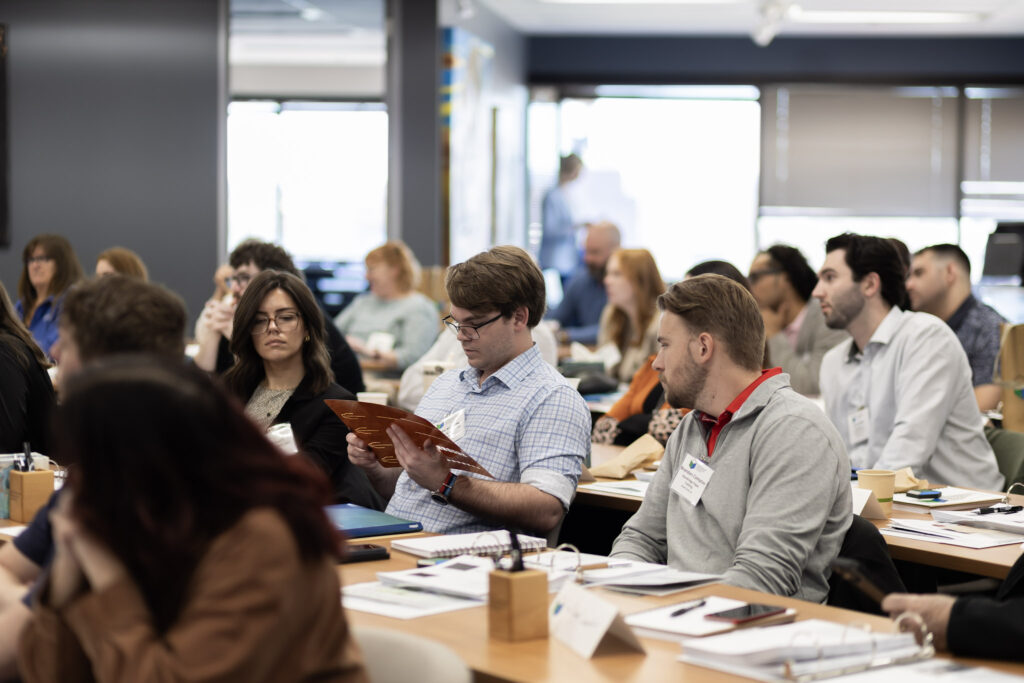
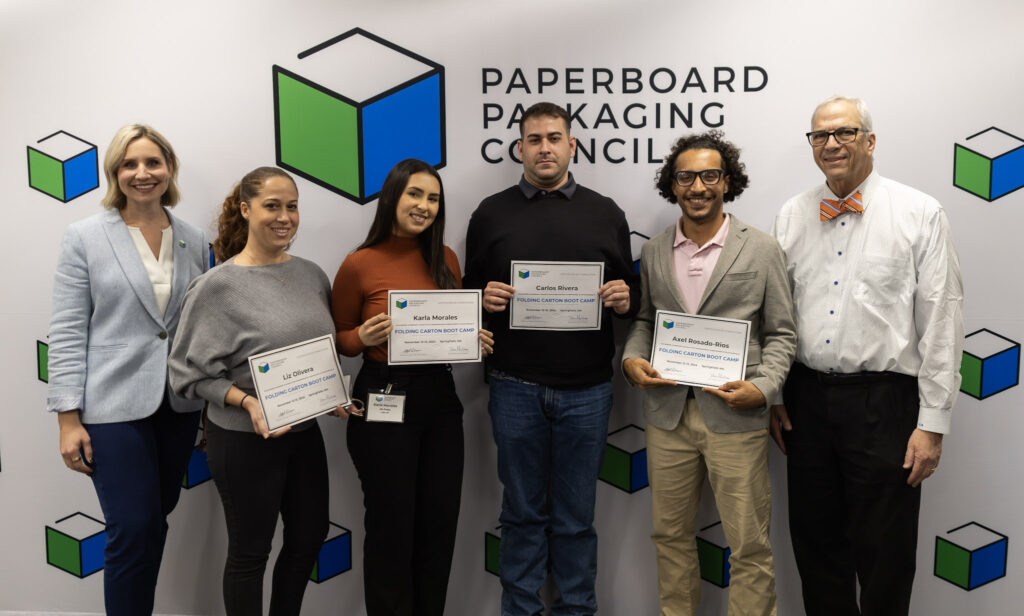
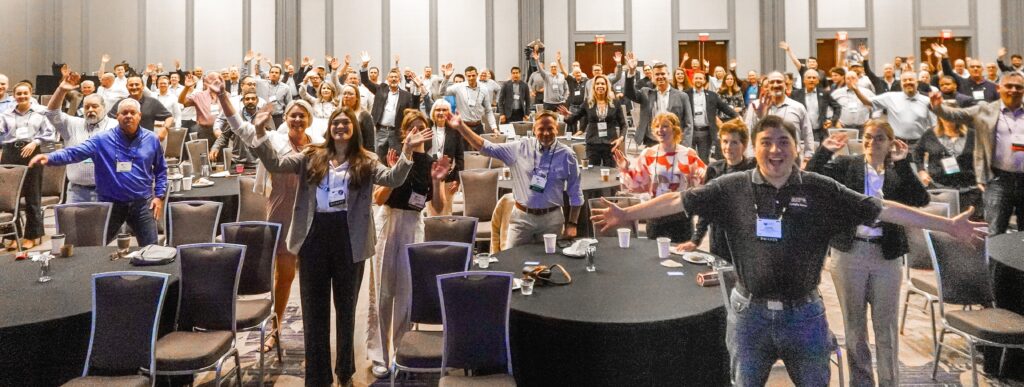
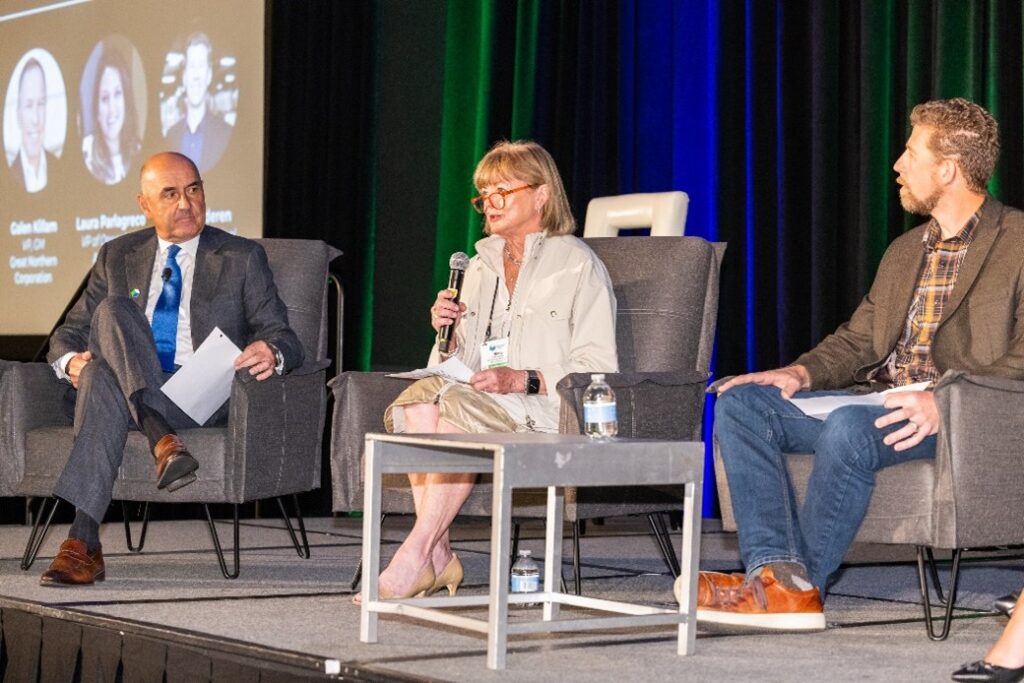
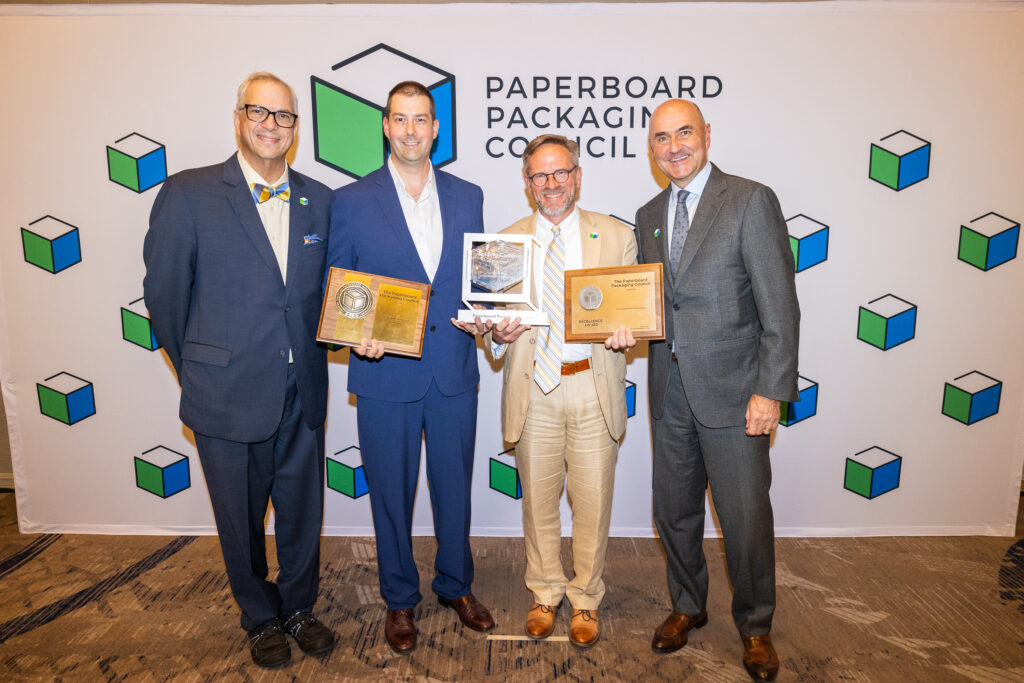
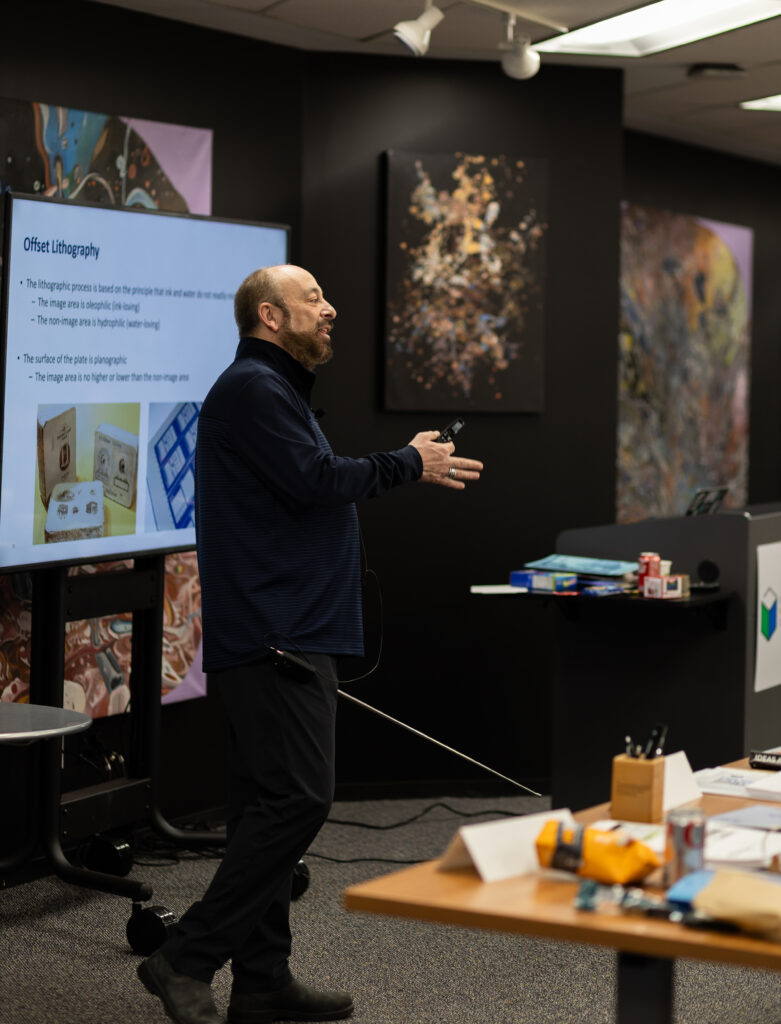
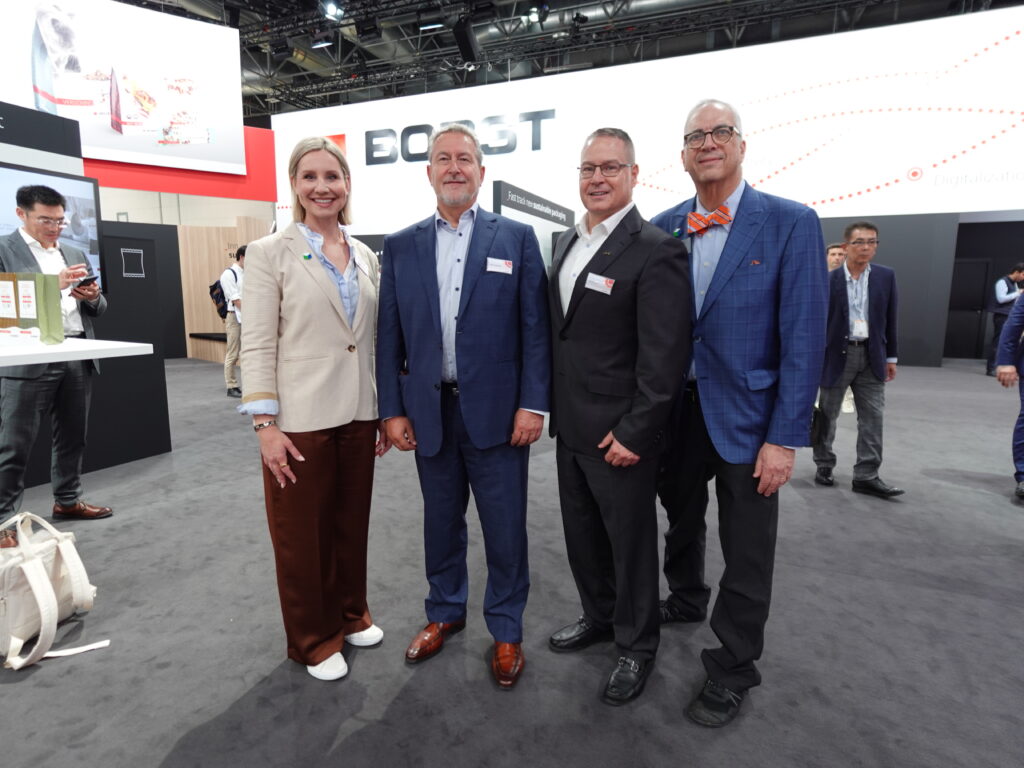
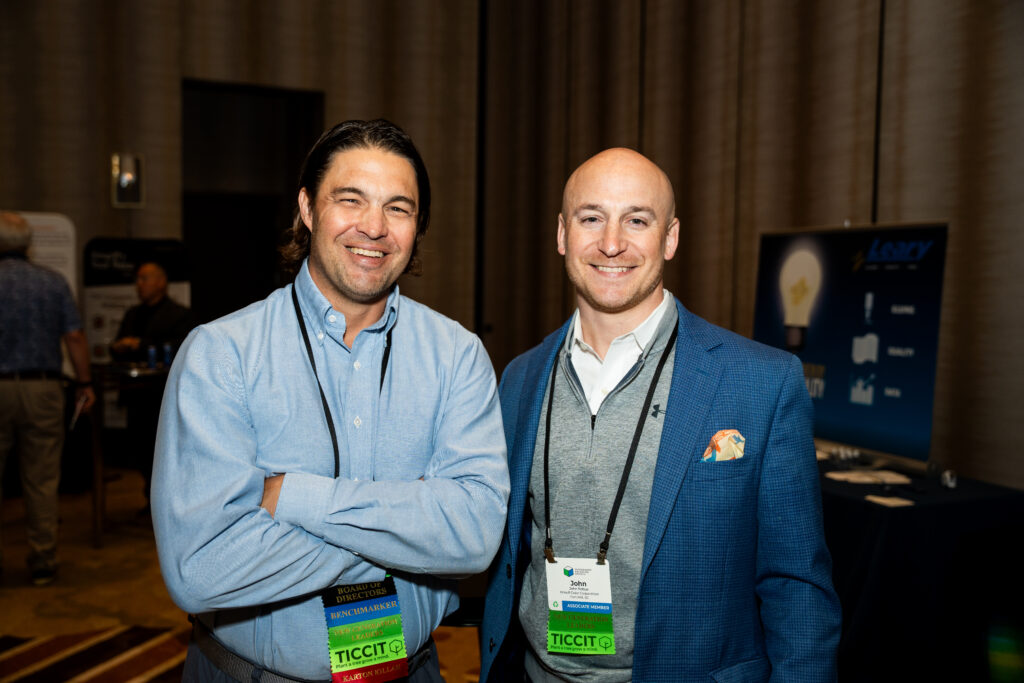 This year, our partnership with Fastmarkets RISI brought forth the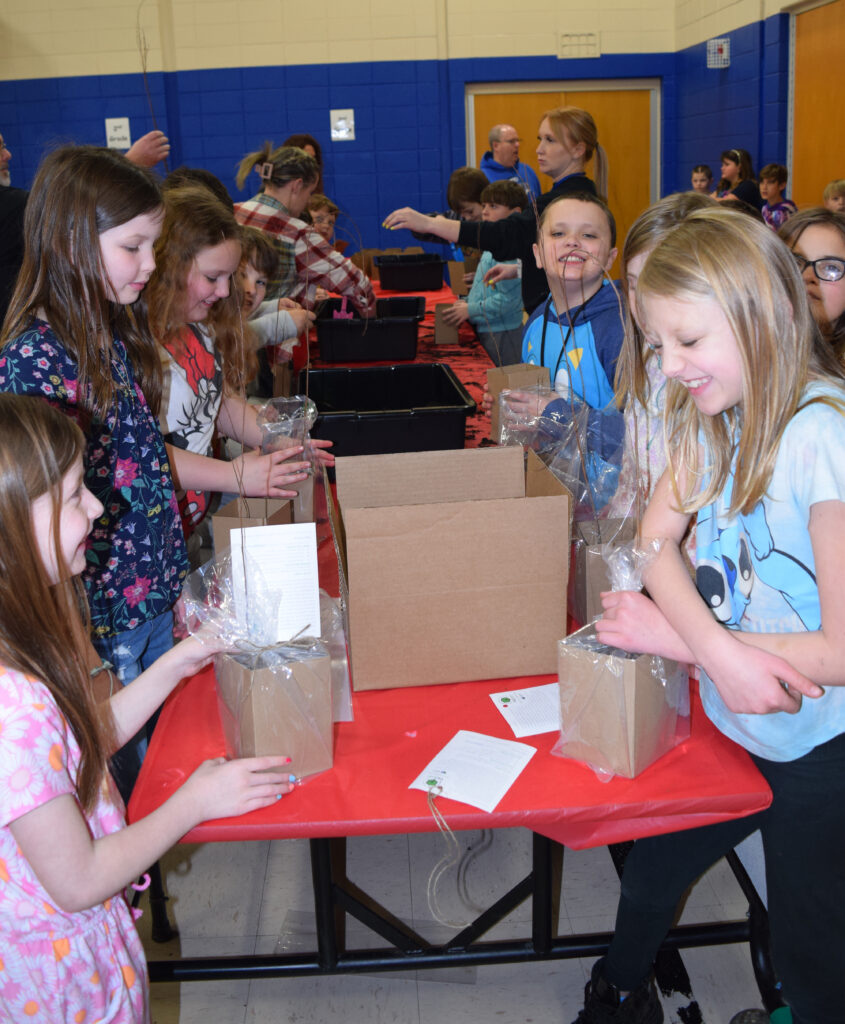

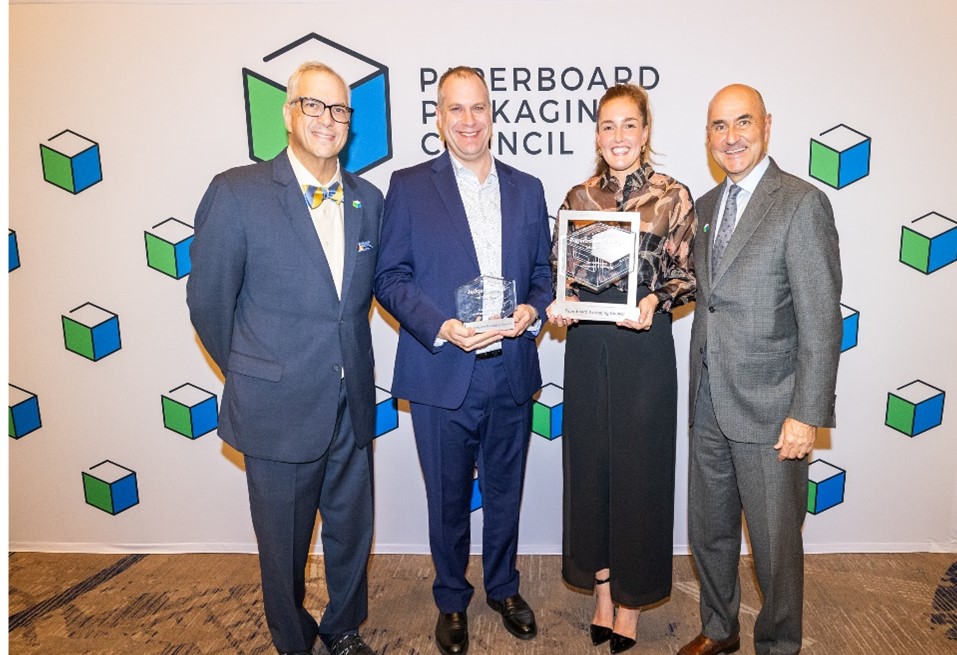


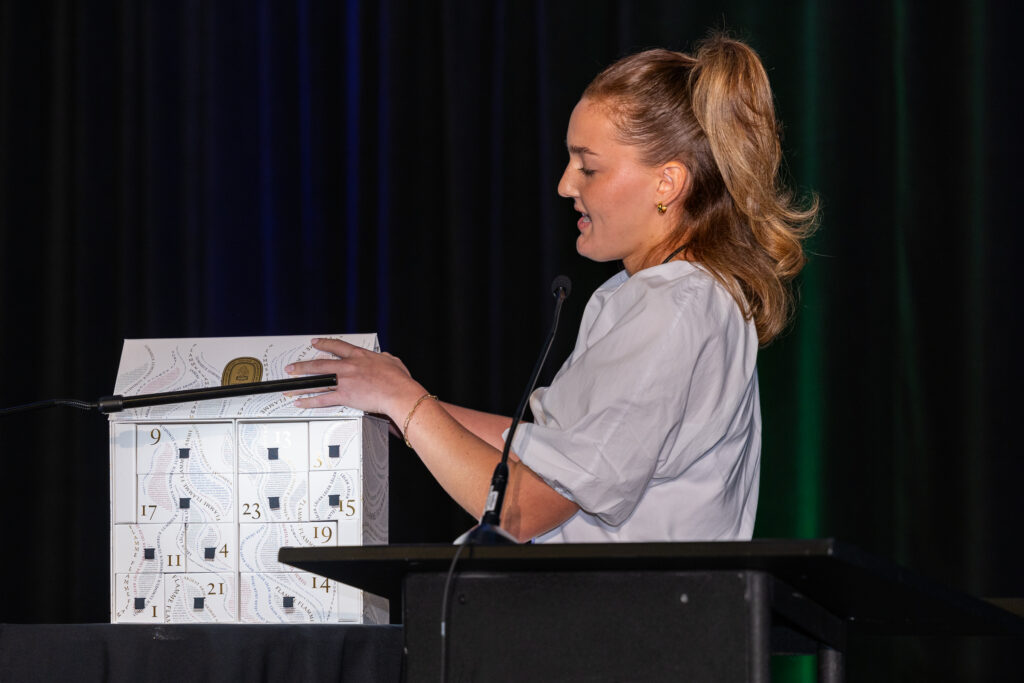
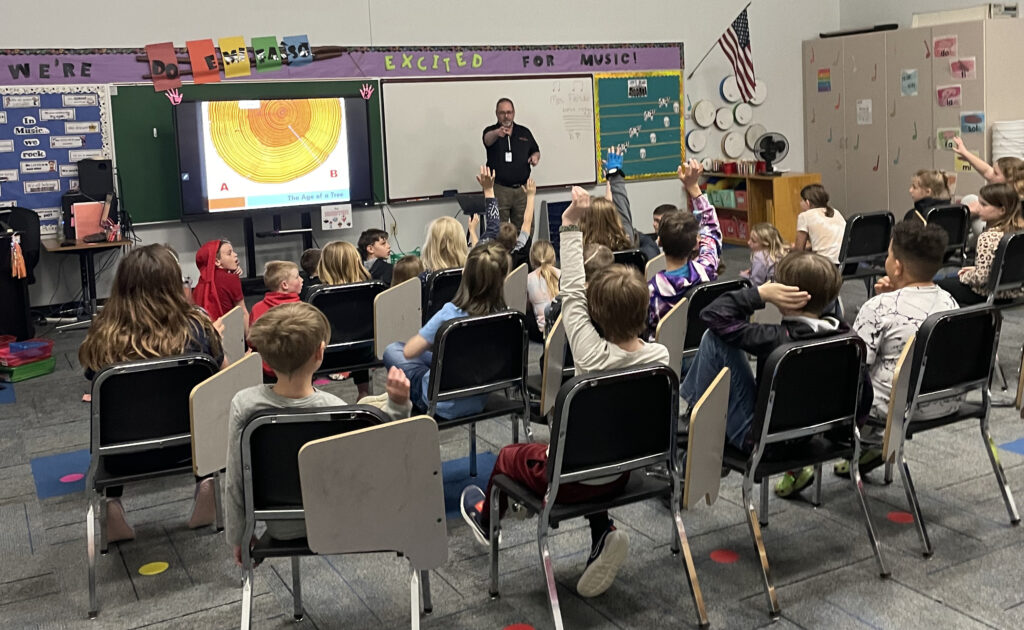
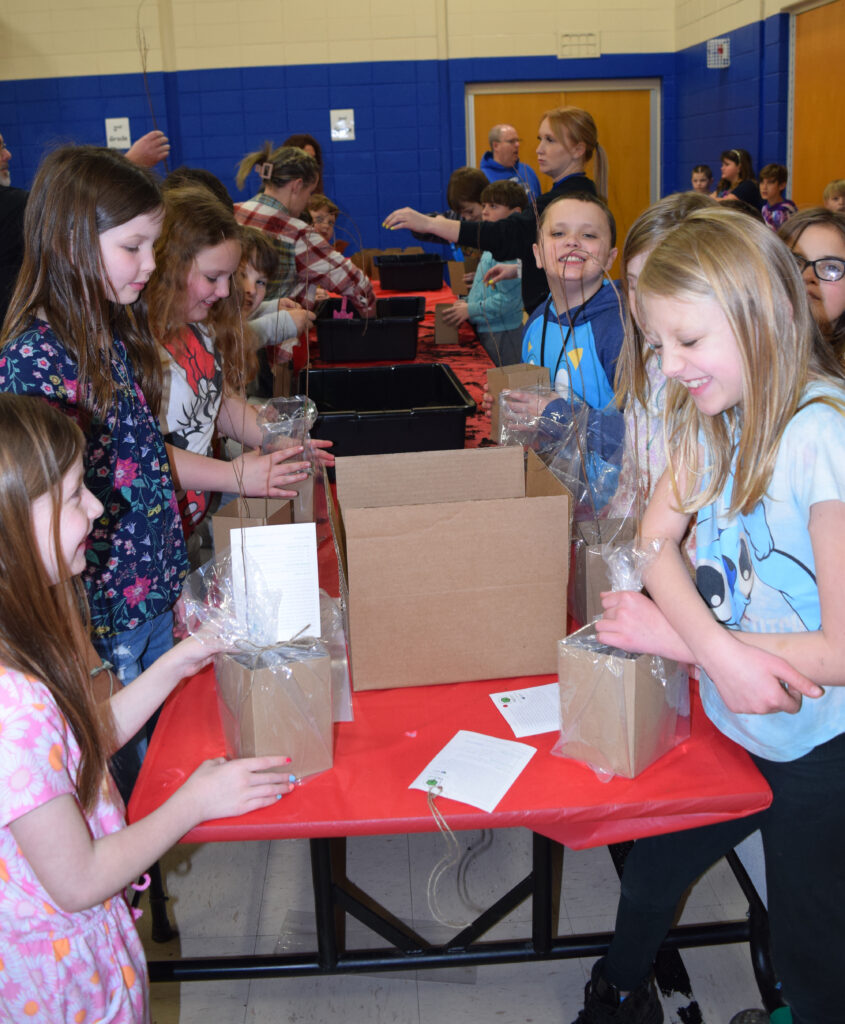

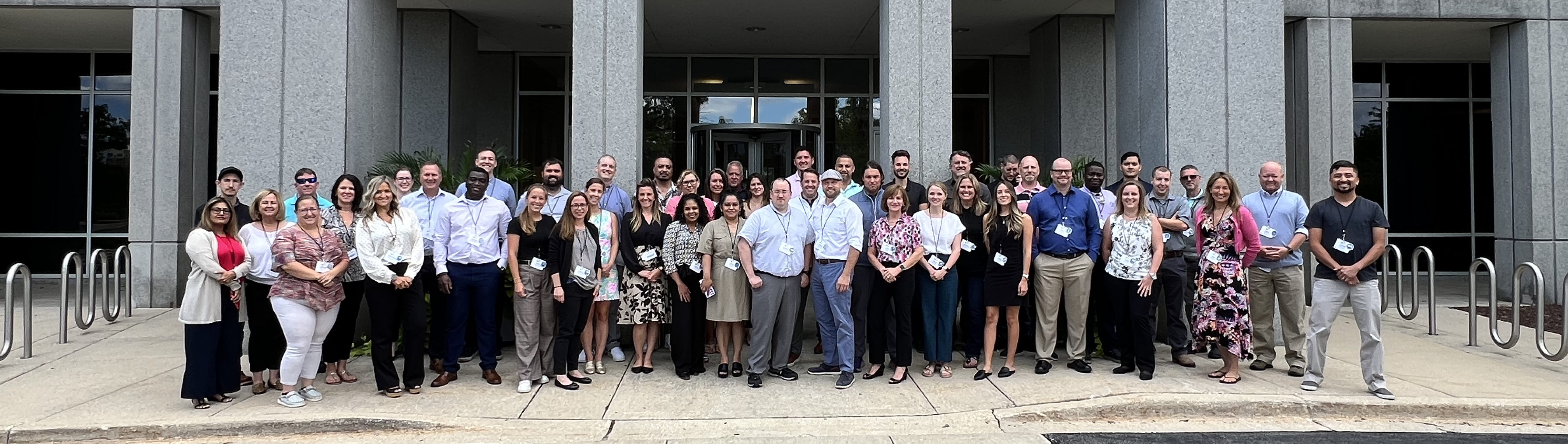
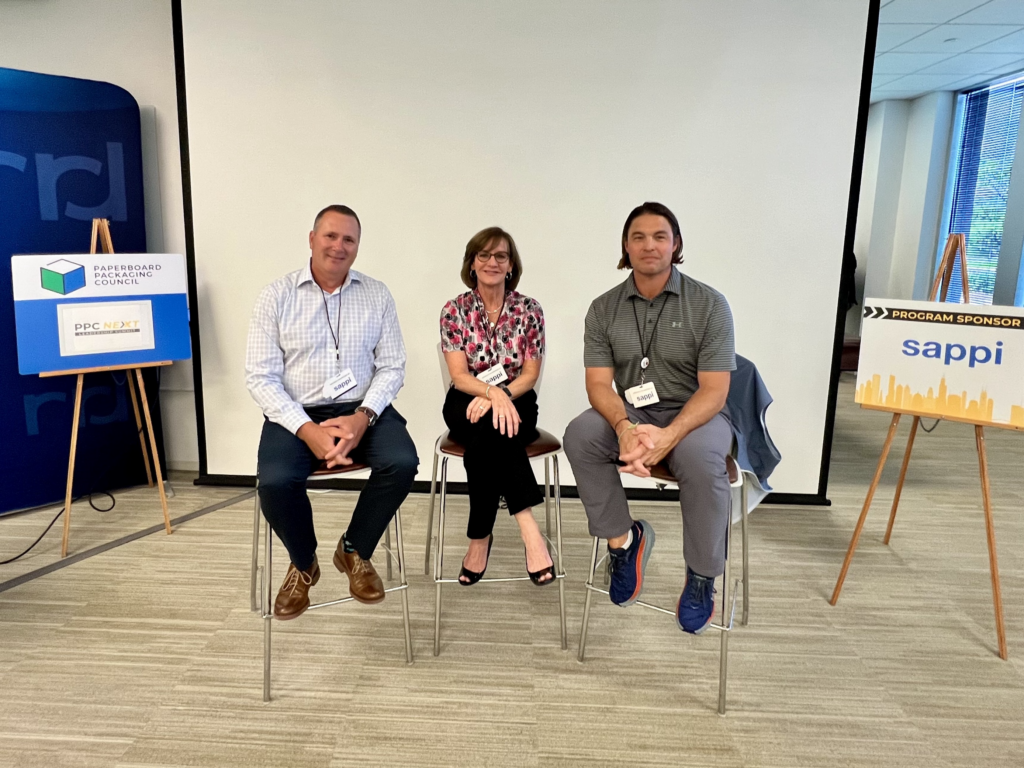
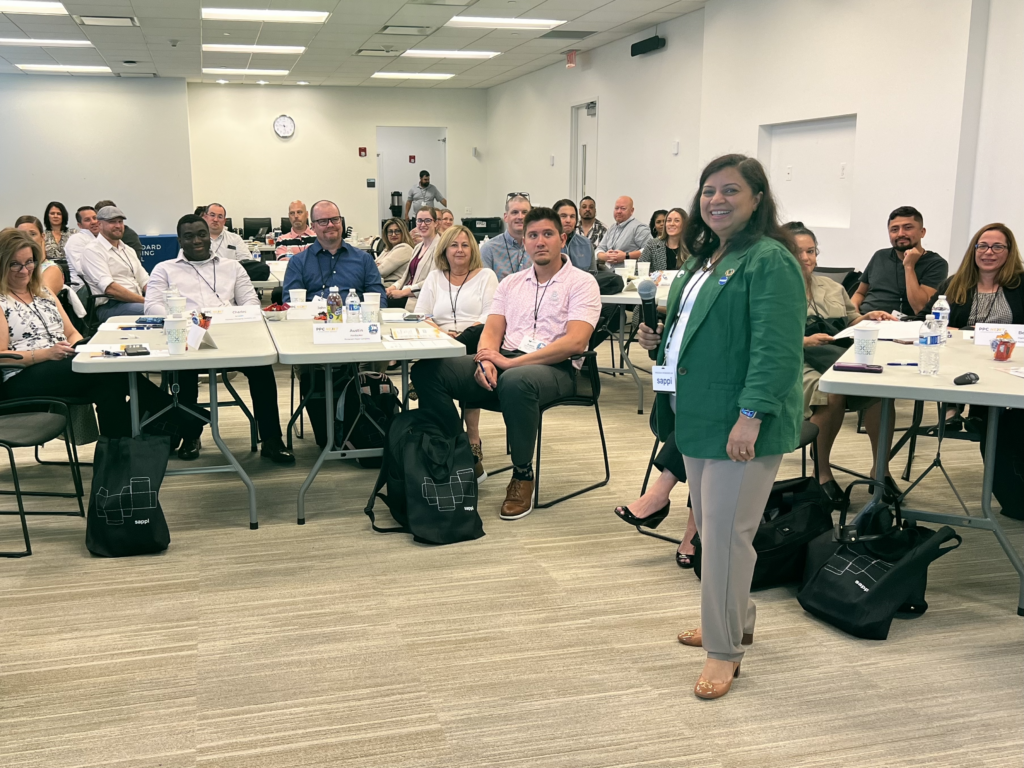
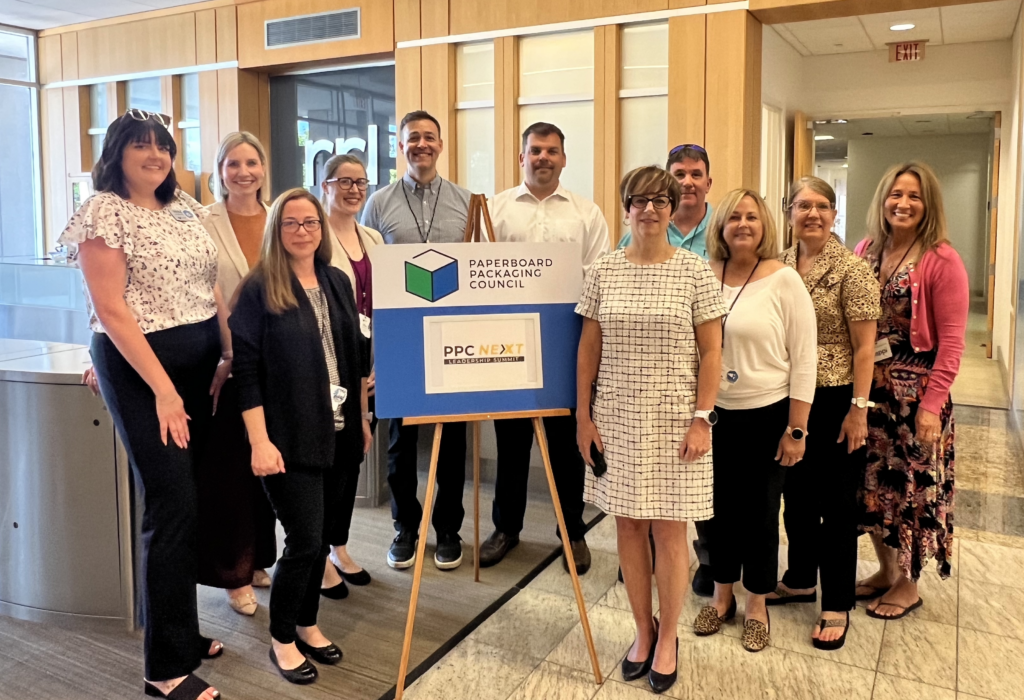
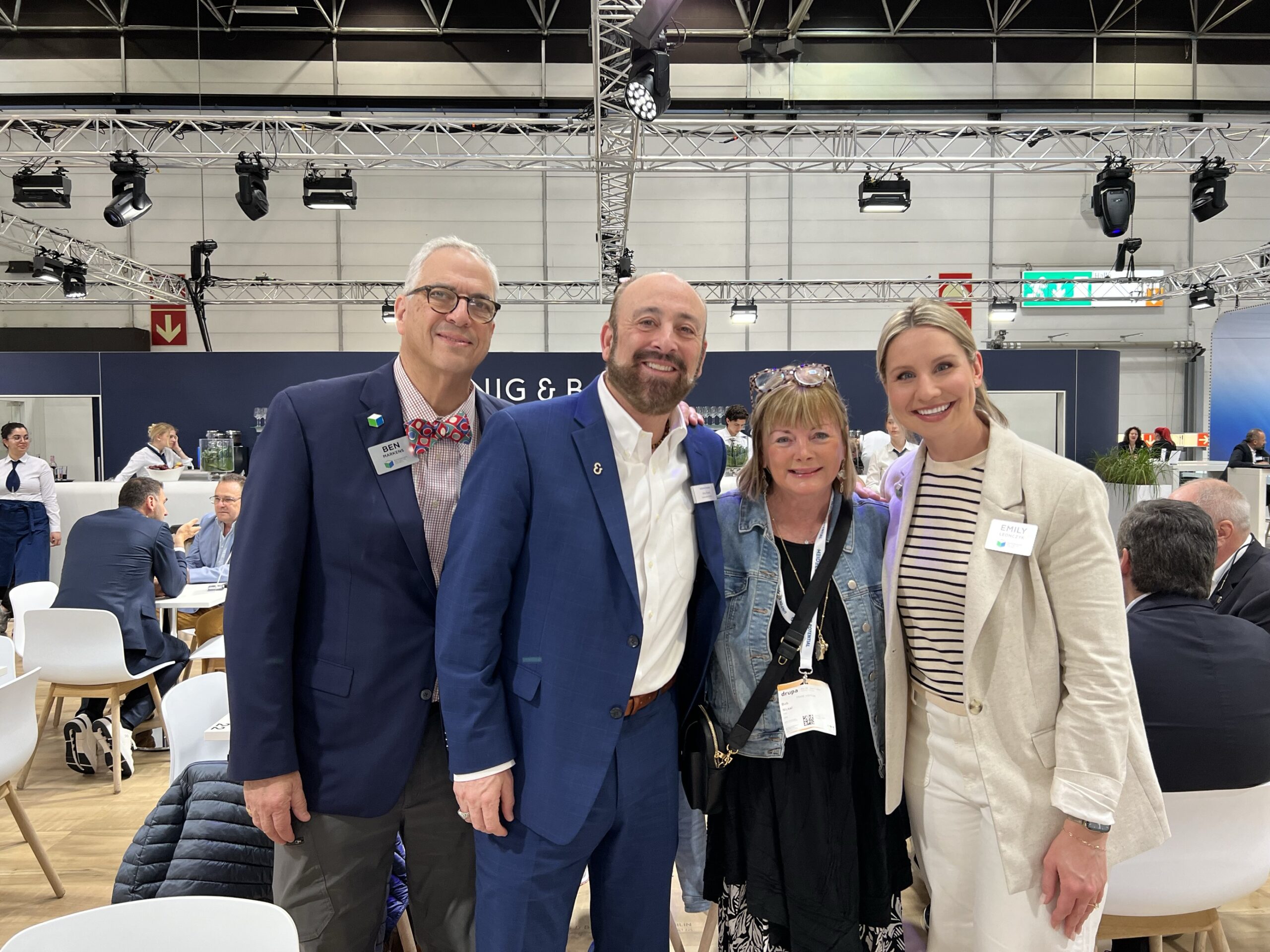
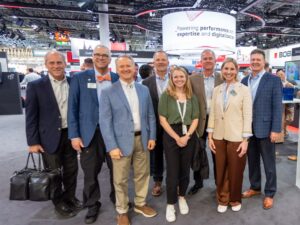
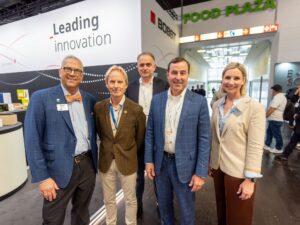
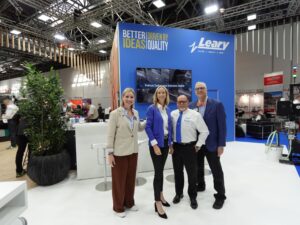
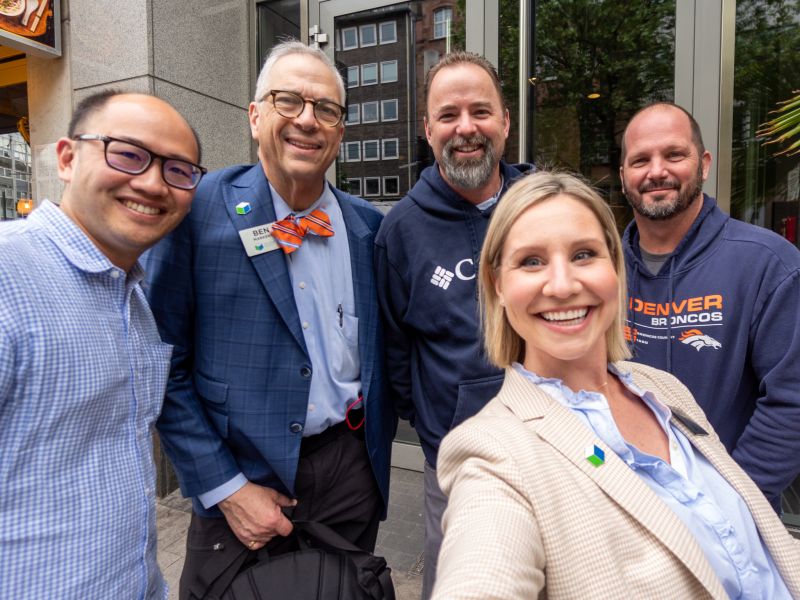
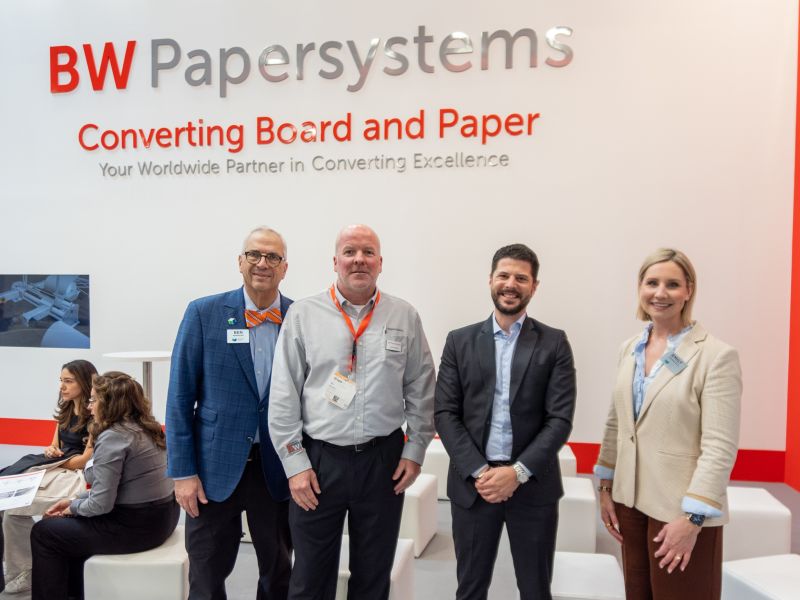
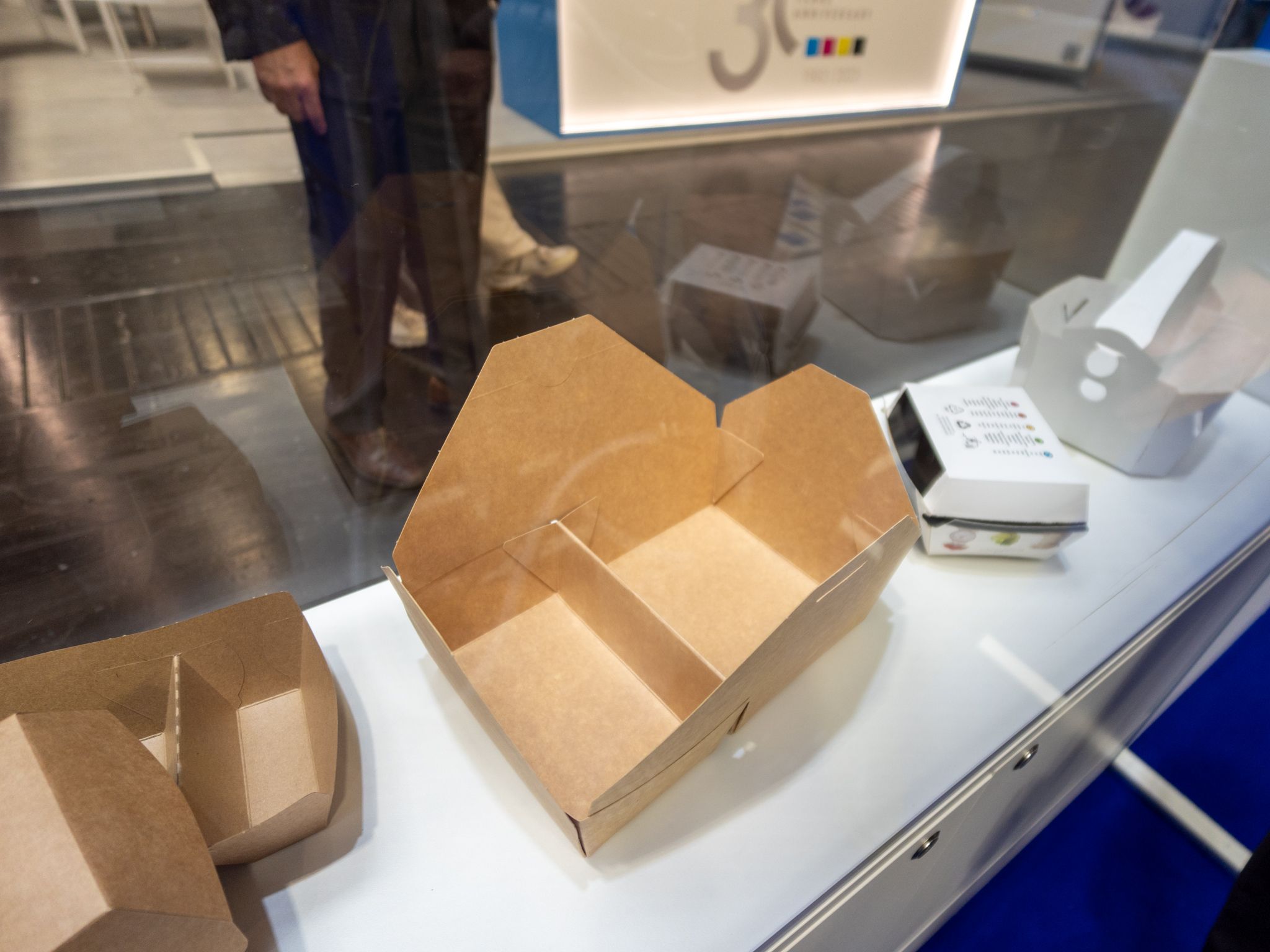
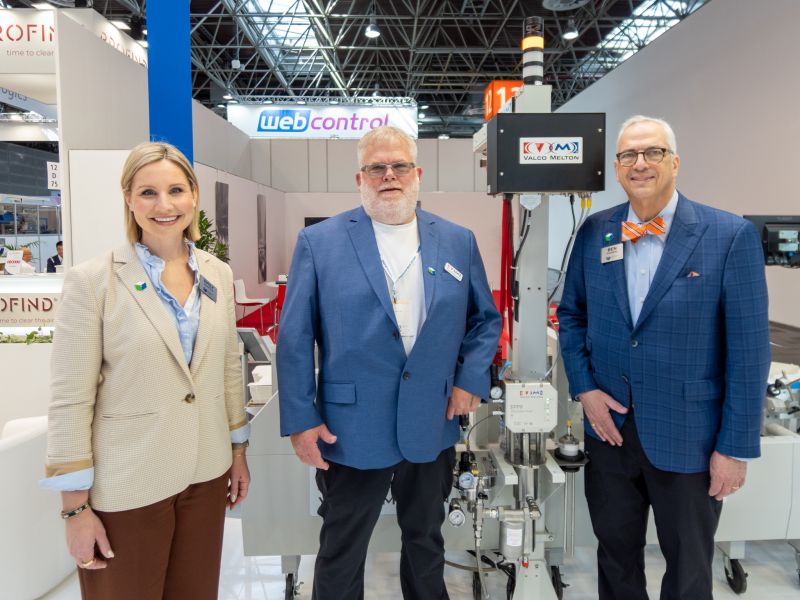
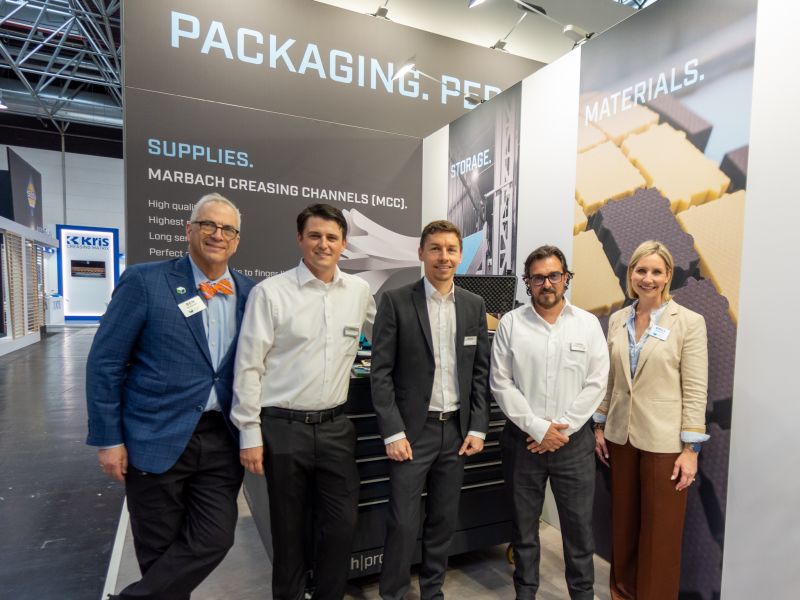
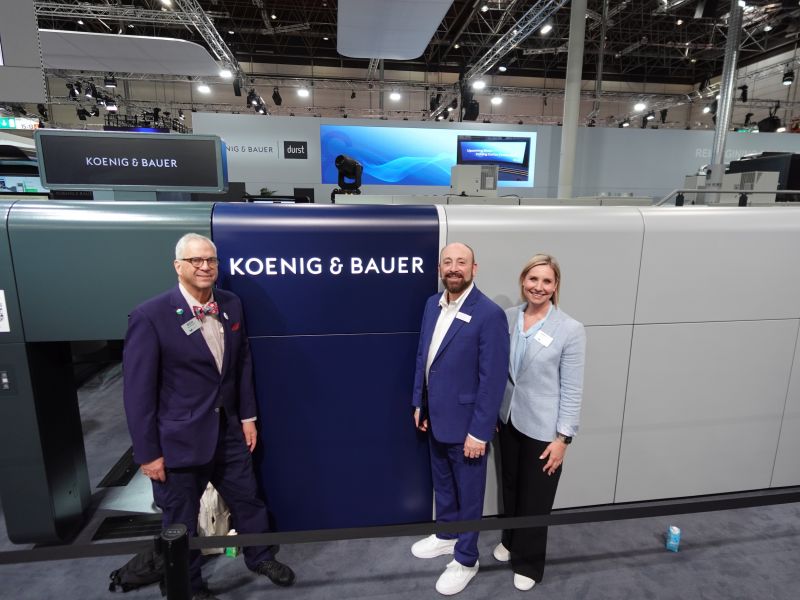
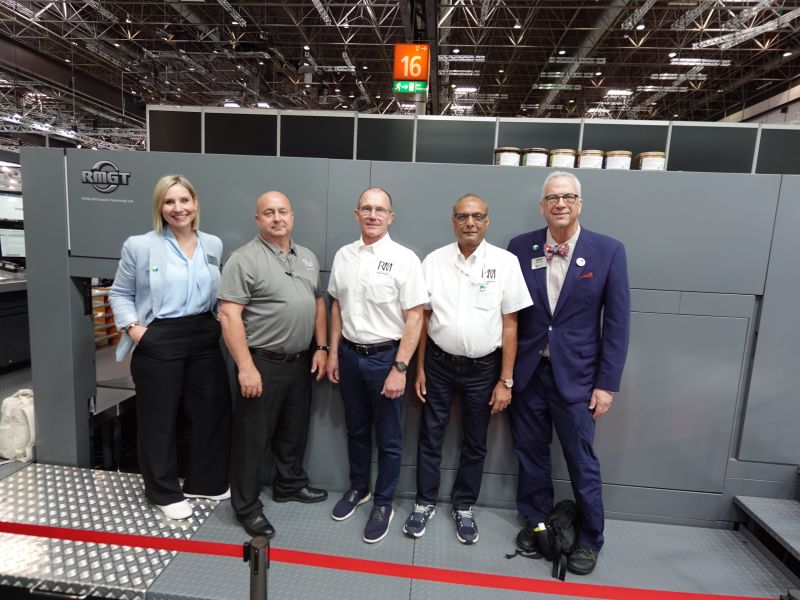
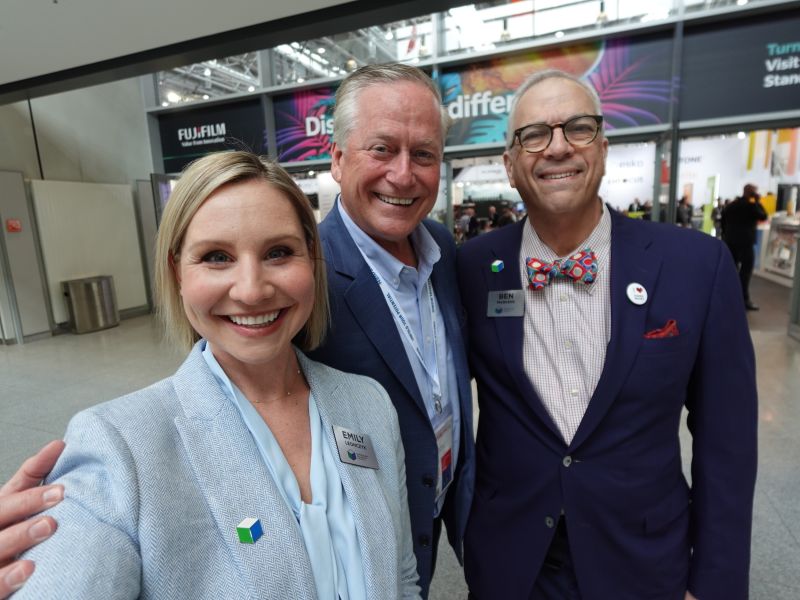
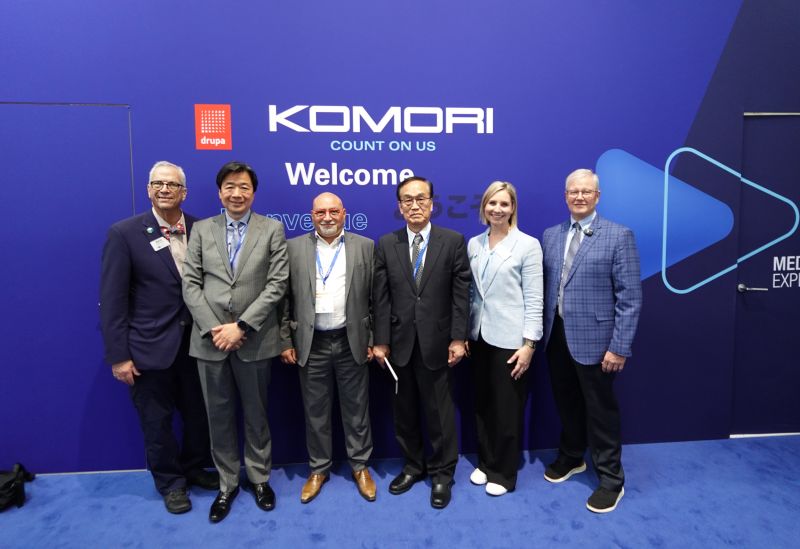
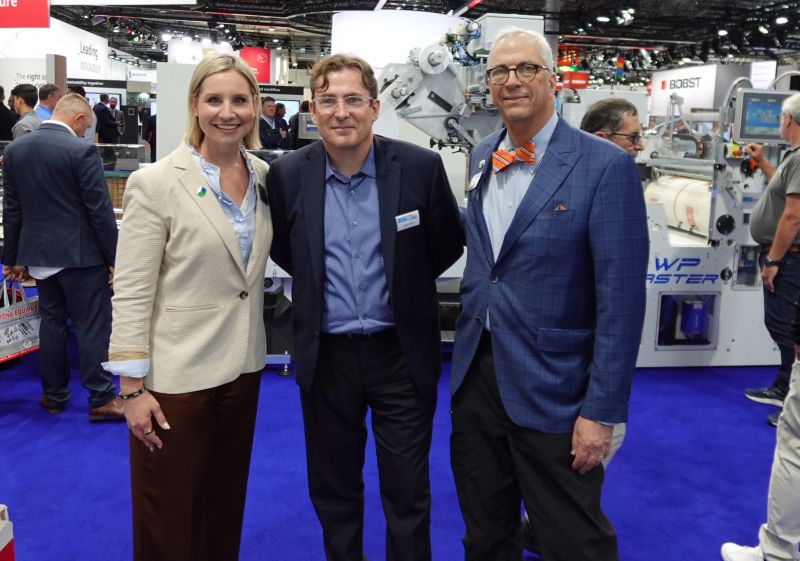
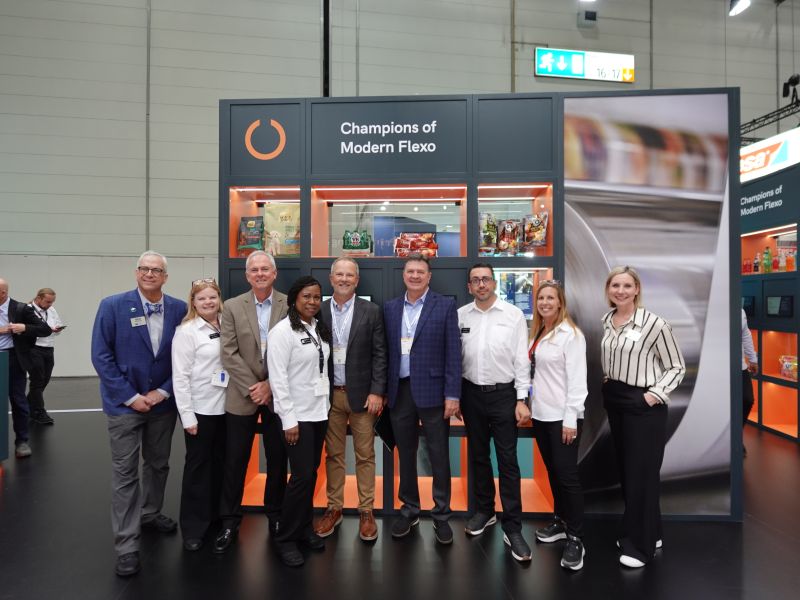
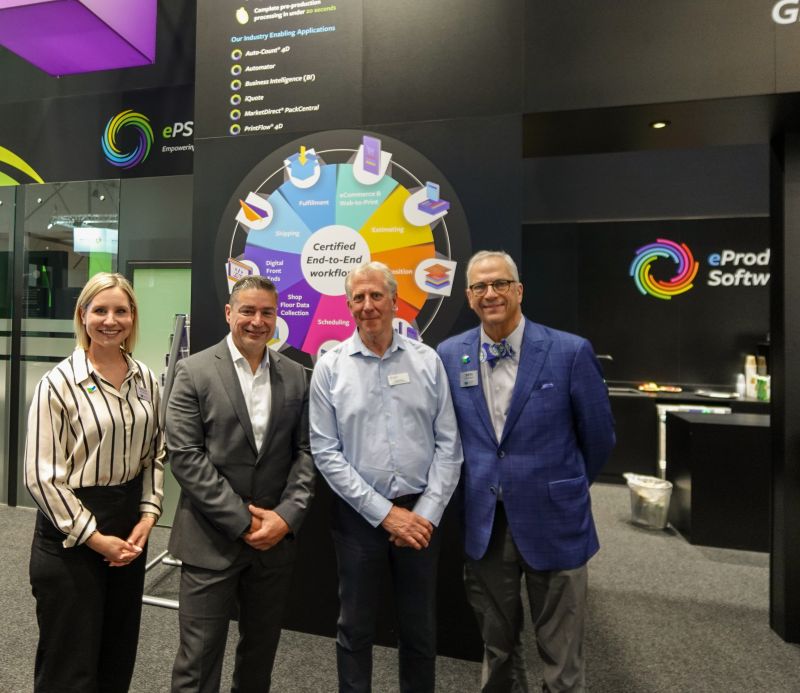
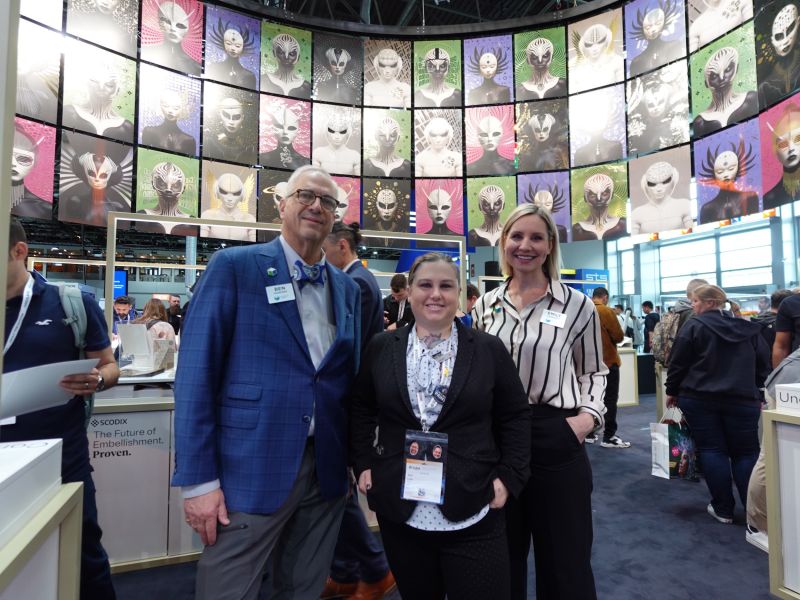
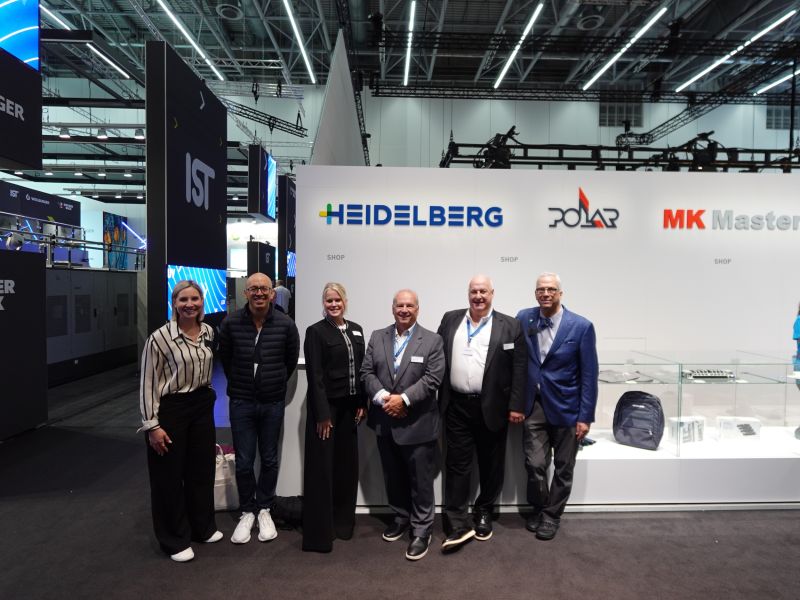
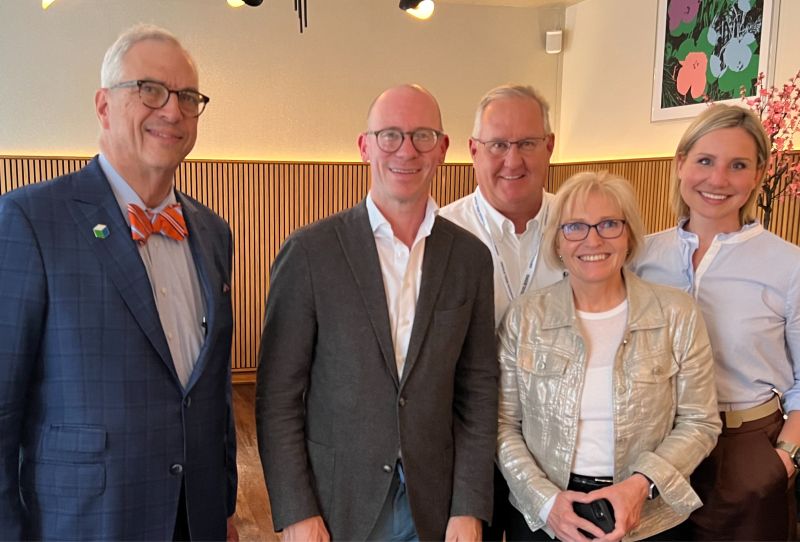
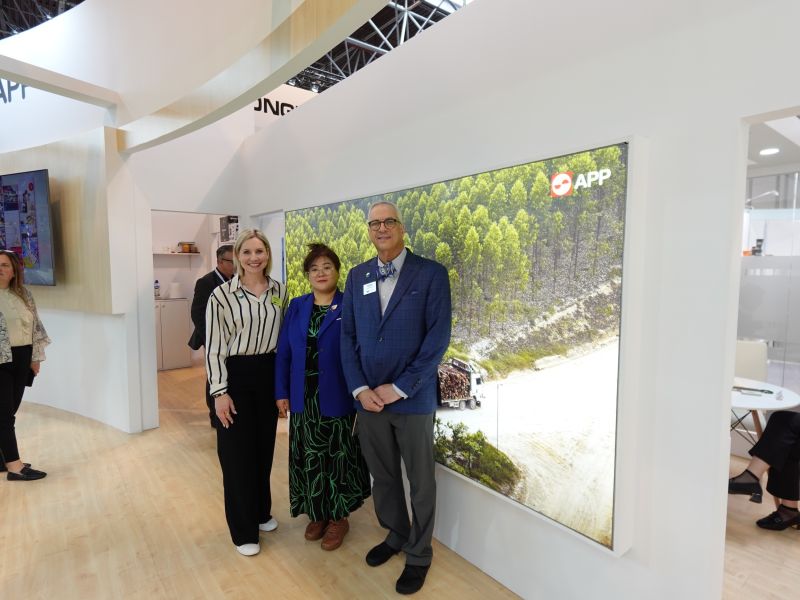
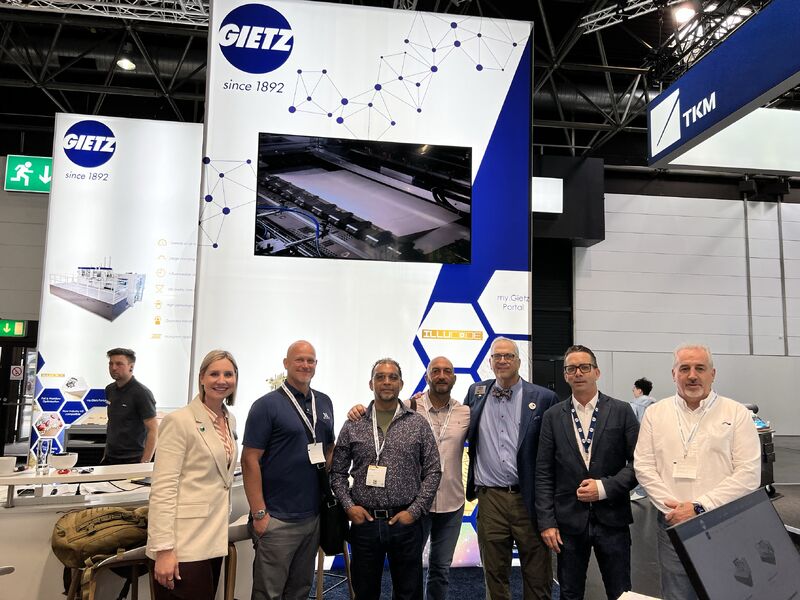
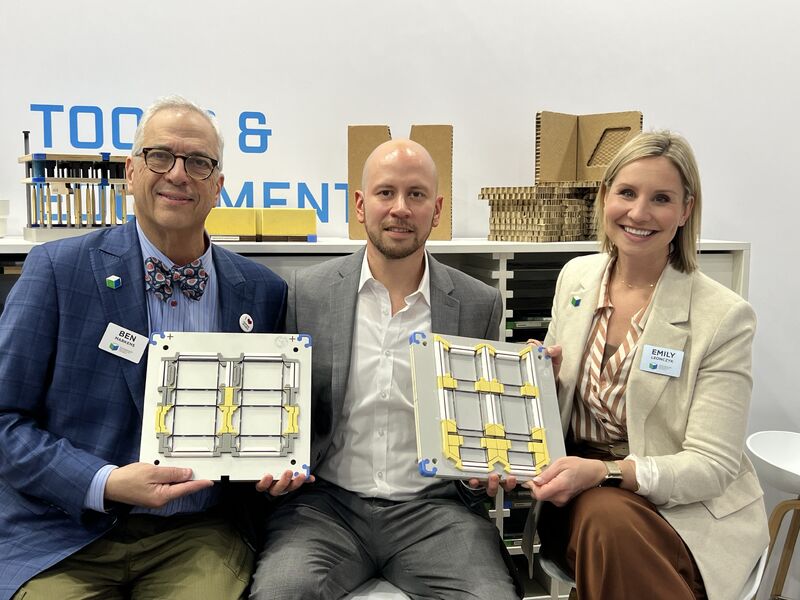
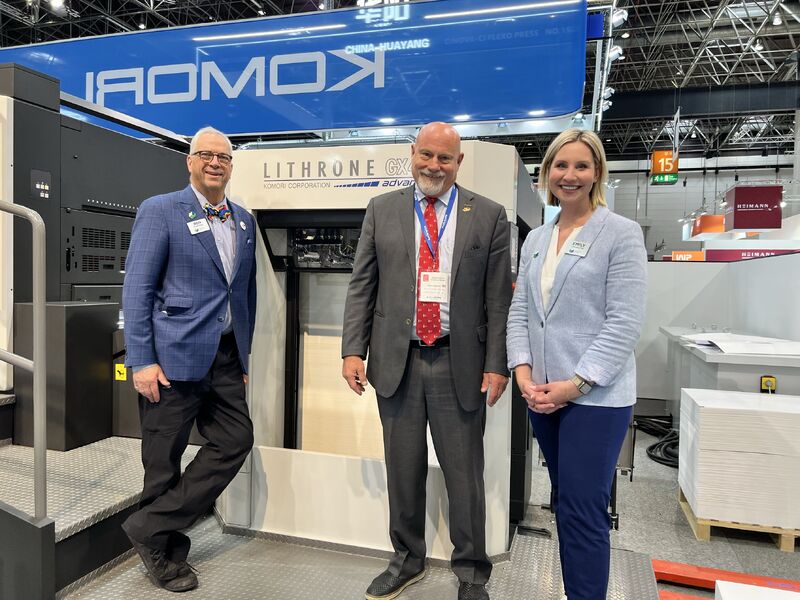
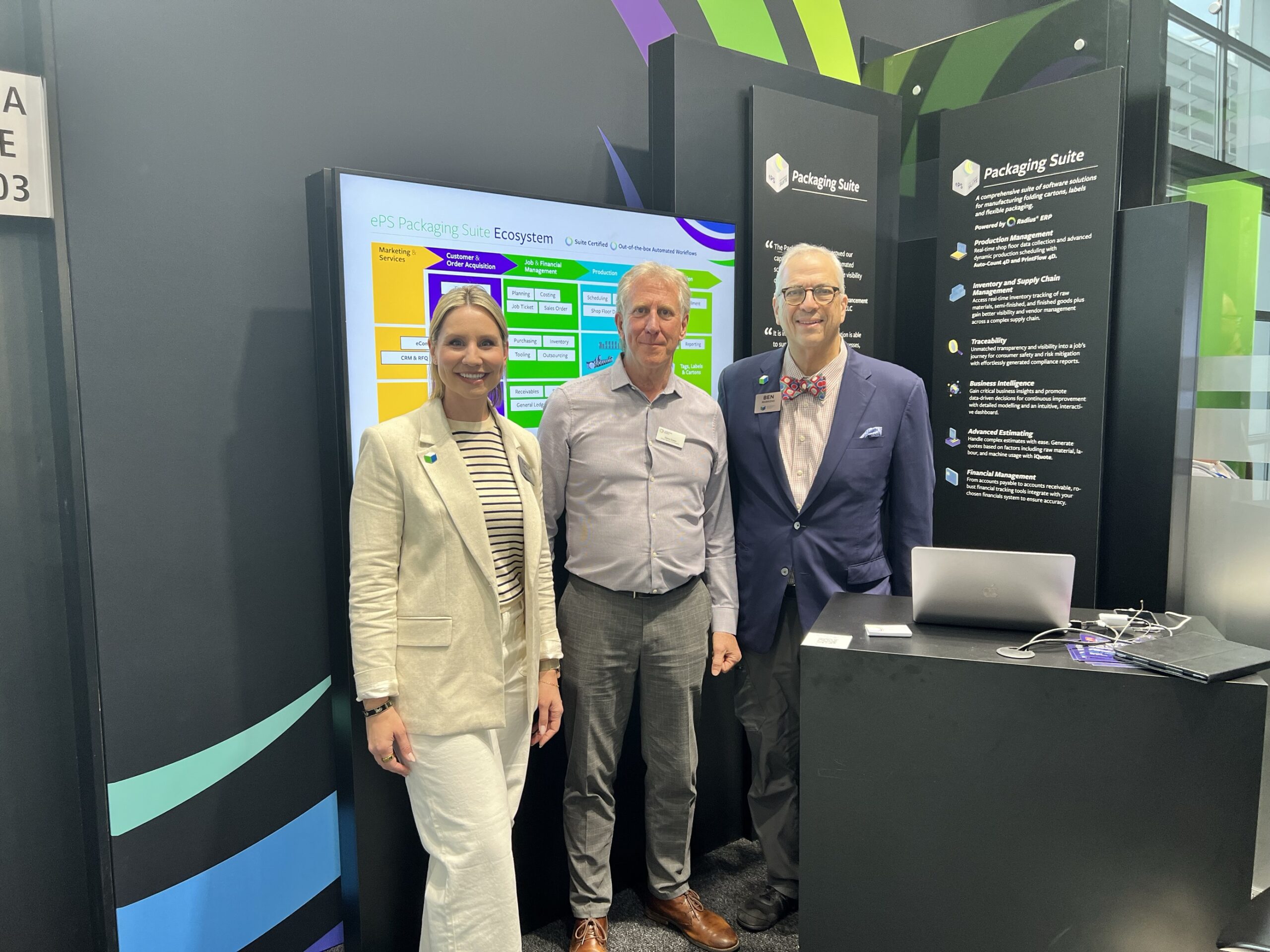
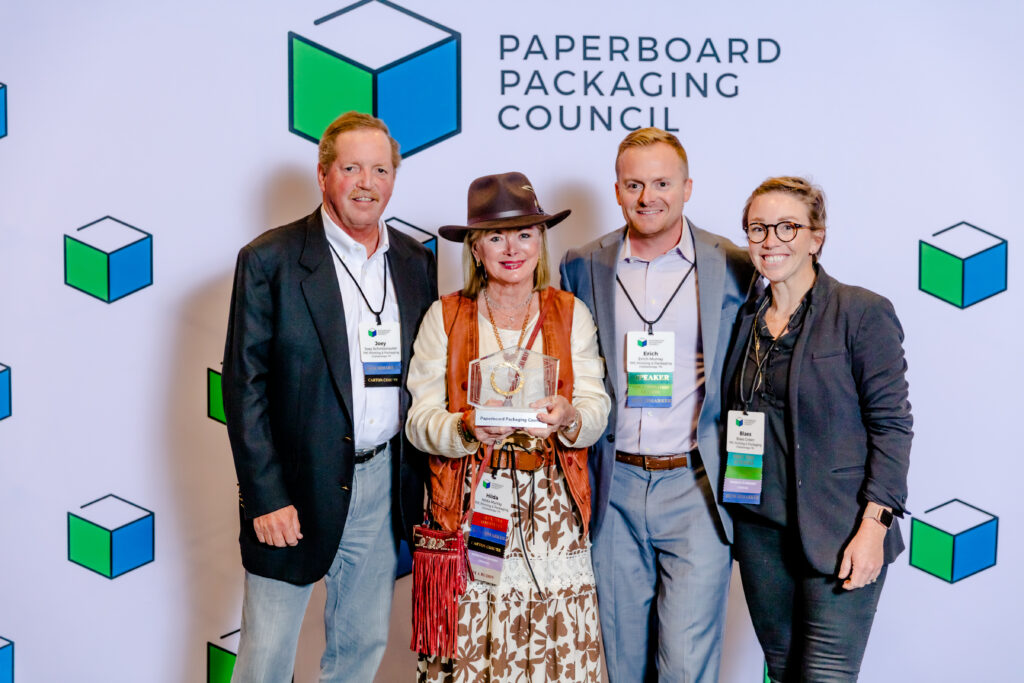 Founded as the Textile Printing Company in April 1924, TPC Packaging has a rich history intertwined with the ever-expanding textile industry of the Southeast United States. From surviving the Great Depression to emerging as a leader in the packaging industry, we’re thrilled to share TPC Packaging’s story in celebration of their 100th birthday.
 Paperboard Packaging Council: What challenges have you faced as a woman leader in the industry?
 Dan Ahern, Senior Director of Global Innovation and Design at Graphic Packaging International, represents the spirit of innovation that has always been core to the paperboard packaging industry. With a passion for design, Dan’s journey in our industry offers invaluable insights into the evolving landscape of the field.
 2021 Innovation of the Year
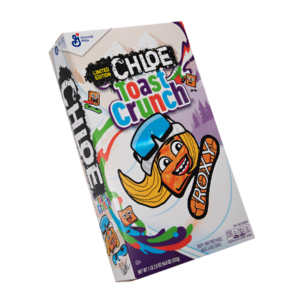 Customization has taken center stage, with brands seeking to create unique and memorable experiences for consumers. The flexibility of folding carton and paperboard allows for intricate die-cut designs, vibrant colors, and personalized branding. This trend not only enhances shelf appeal but also fosters brand loyalty by creating a distinctive and memorable unboxing experience for consumers.
  Graphic Packaging International
 It’s hard to believe that the Hardin’s Creek Clermont Tube from TPC Printing and Packaging isn’t made from metal. For this project, TPC was specifically tasked with finding a sustainable and economical replacement for the previous tin tube packaging, aligning perfectly with the customer’s goals of reducing environmental impact and production costs.
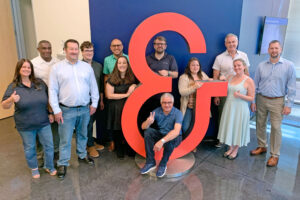 On the heels of our successful Fall Meeting, Koenig & Bauer’s Eric Frank is feeling grateful for the tremendous and diverse opportunities in the folding carton industry and the positive effort by so many to bring in new people to our industry. There were lots of new faces at the recent event, and the industry has done an incredible job at welcoming new and diverse professionals to the table while still respecting history and institutional knowledge.
 Ann Piper’s gratitude extends to friends, family, and the opportunity to work in an outstanding industry. Joe Piper Inc.’s unique giving-back initiative involves using company SWAG dollars to support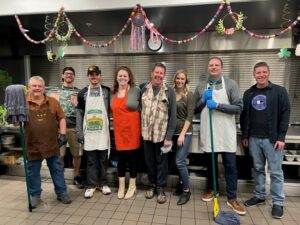
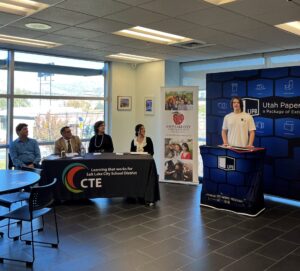
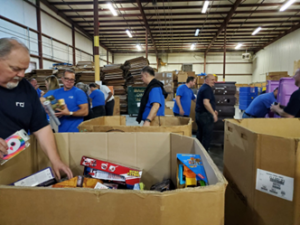 According to Lisa Pruett, community service is part of the culture at RRD. Every RRD Packaging and Label facility takes part in numerous service projects each year. This year, RRD Packaging Solutions in Seattle, Washington sorted and prepared clothing for the seasonal farm and service worker community. Their facility in Durham, North Carolina held a holiday drive, donating two bulk shipping boxes filled with food and hygiene products to the local community shelter, and their operations and sales leadership teams volunteered at the Durham Rescue Mission in North Carolina, helping fill gift bags of toys in advance of the annual holiday event.

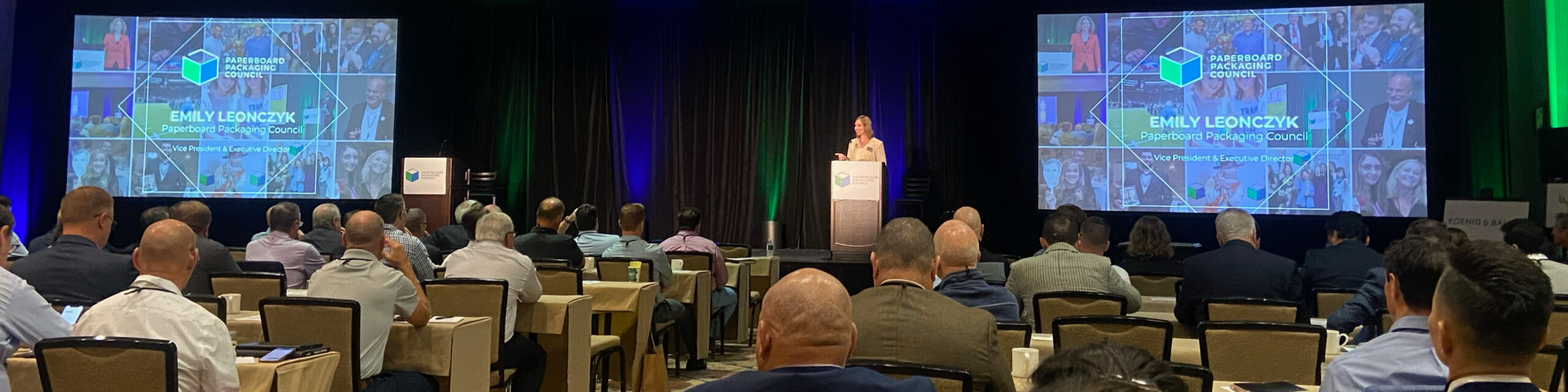
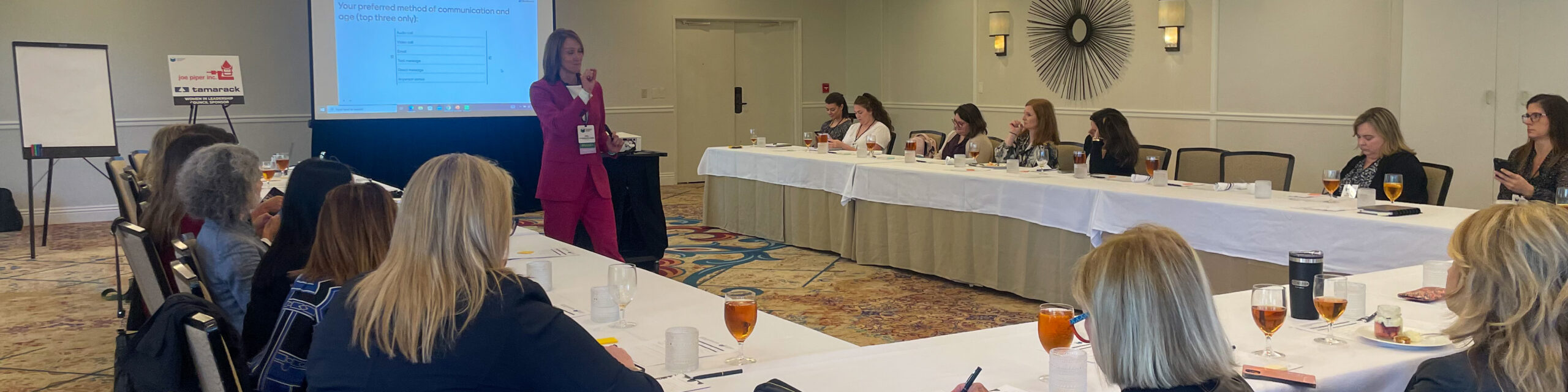

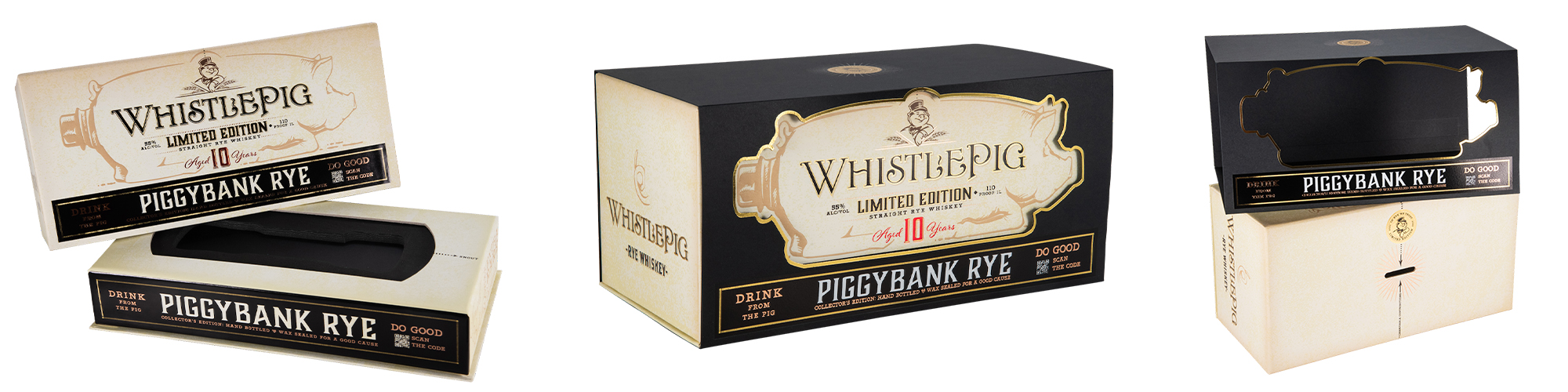

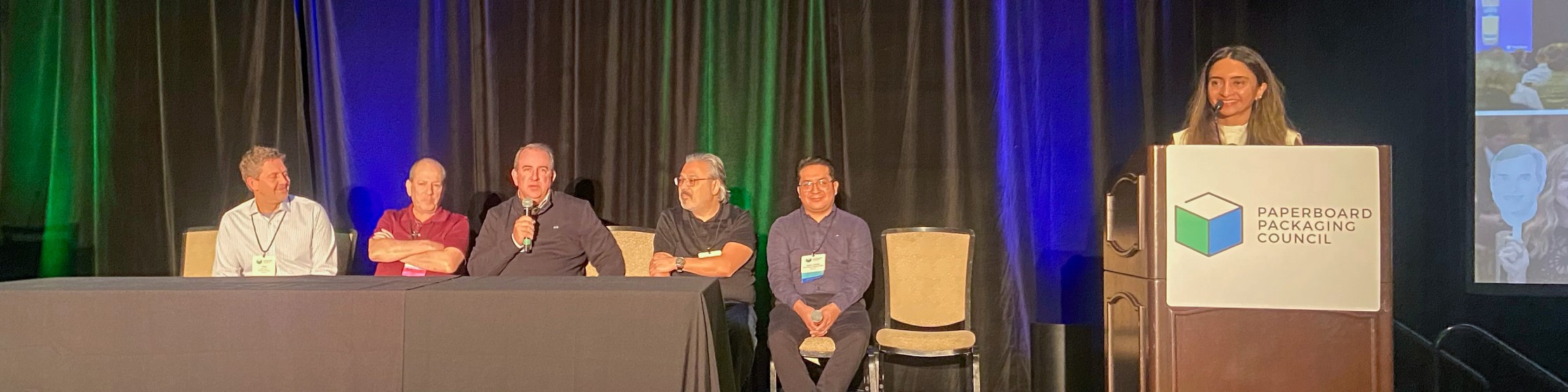
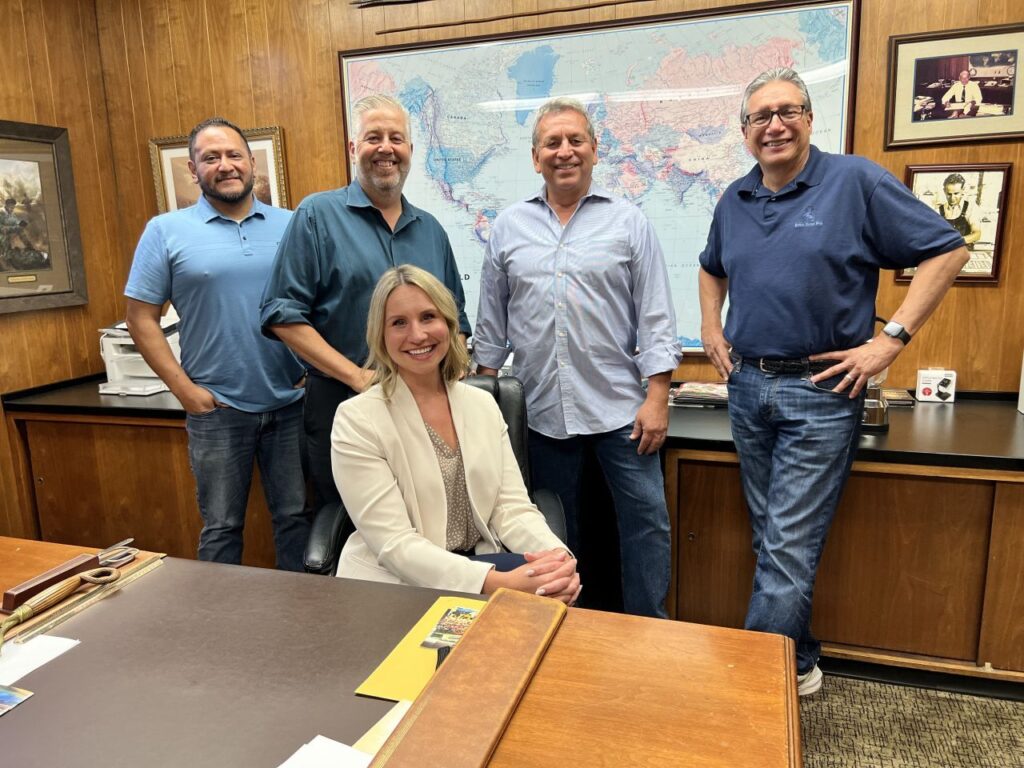 Stop 1: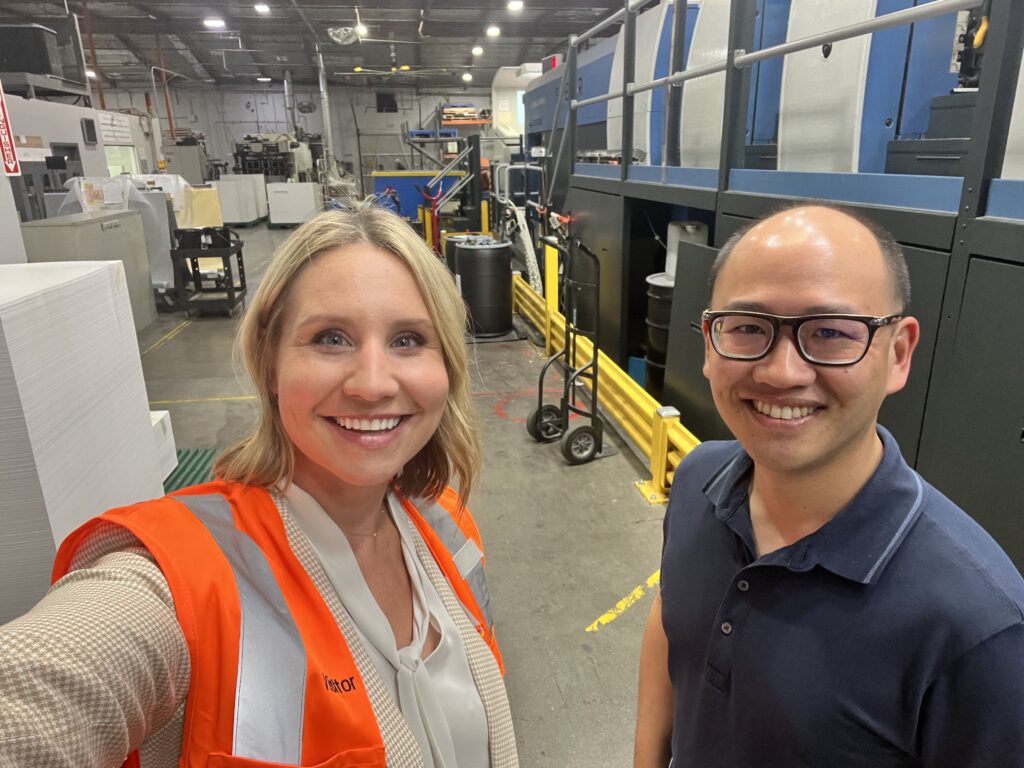
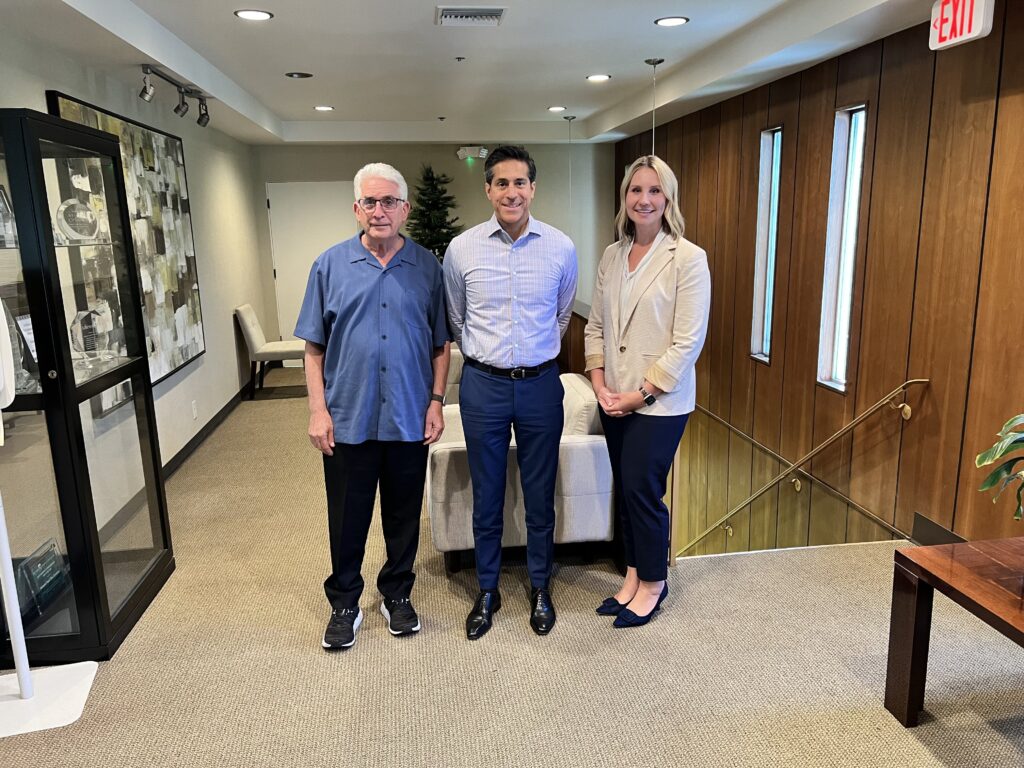 Stop 3:
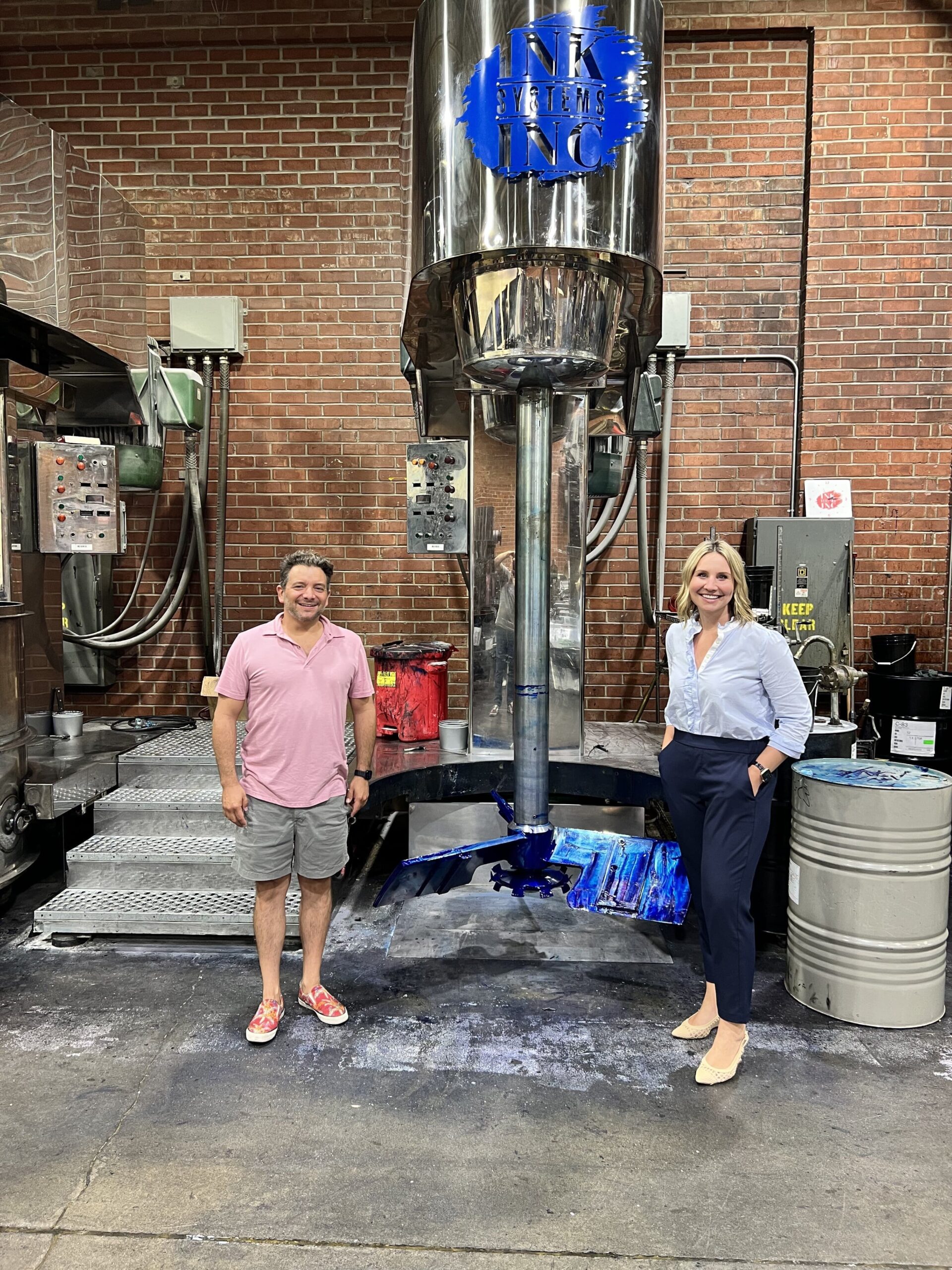 Ink Systems Inc.
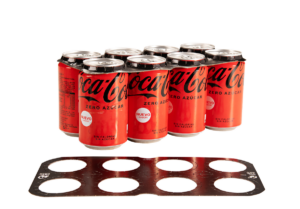
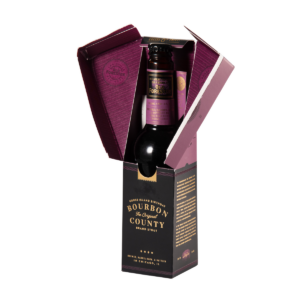 Accord Carton Company’s design for Goose Island Birthday Bourbon Stout offers a premium brand experience that perfectly reflects consumers’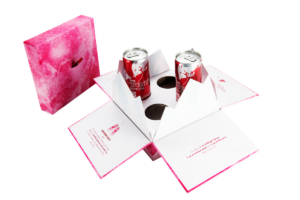
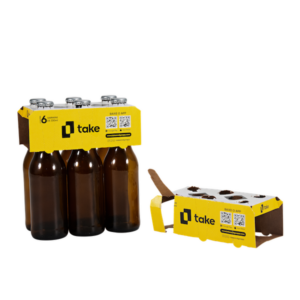
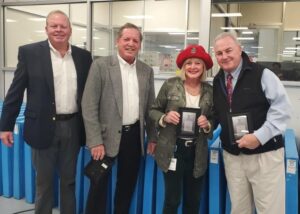 To adapt, stay ahead, and lean on family. Those are the secret ingredients to business success, at least according to the dynamic and exciting story of PPC member
 The use of metallic decorating processes for folding cartons and labels has continued to be a point of conversation for brand owners and others involved in the packaging marketplace.



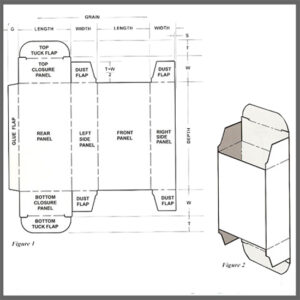
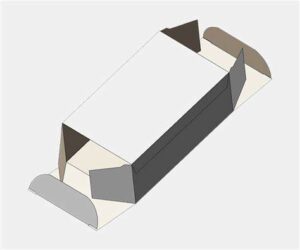

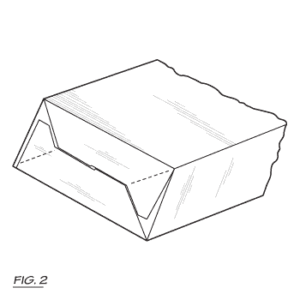

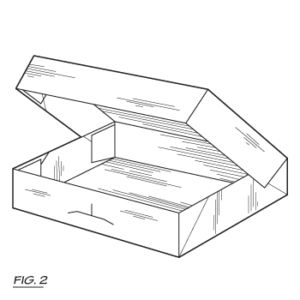
 By Gustavo Cuata, CEO, Heiber & Schroder
  It’s 11:00 a.m. on Thursday, Feb 23
 Our recent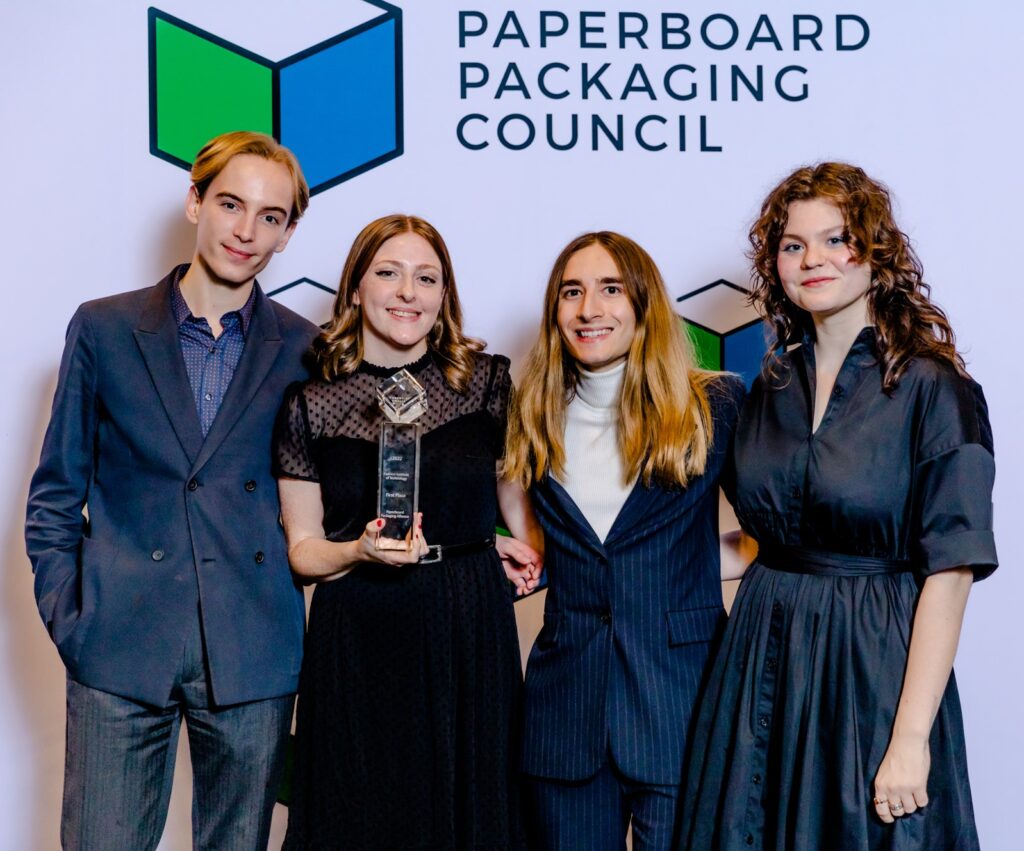
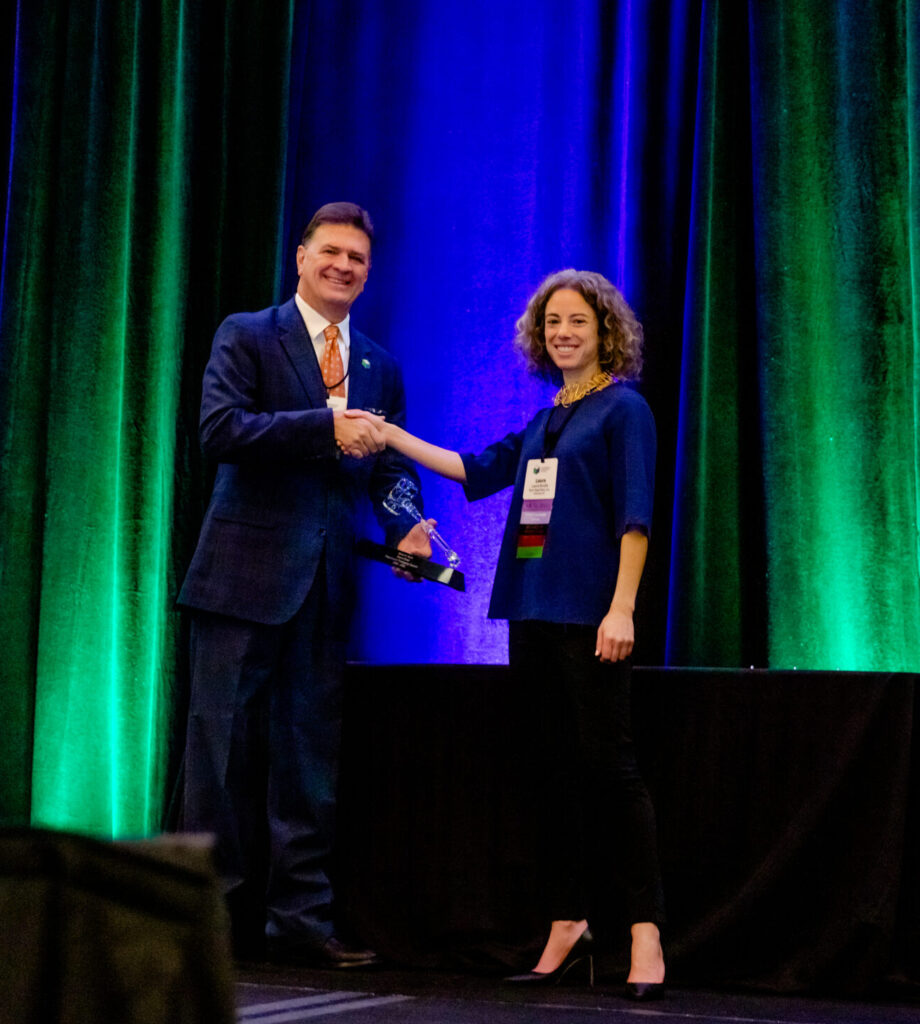
 As you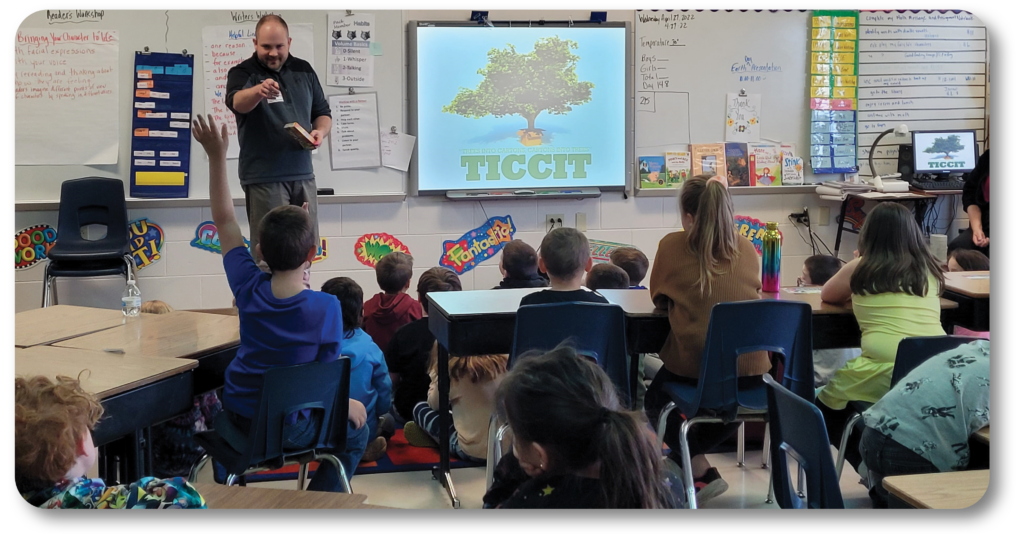
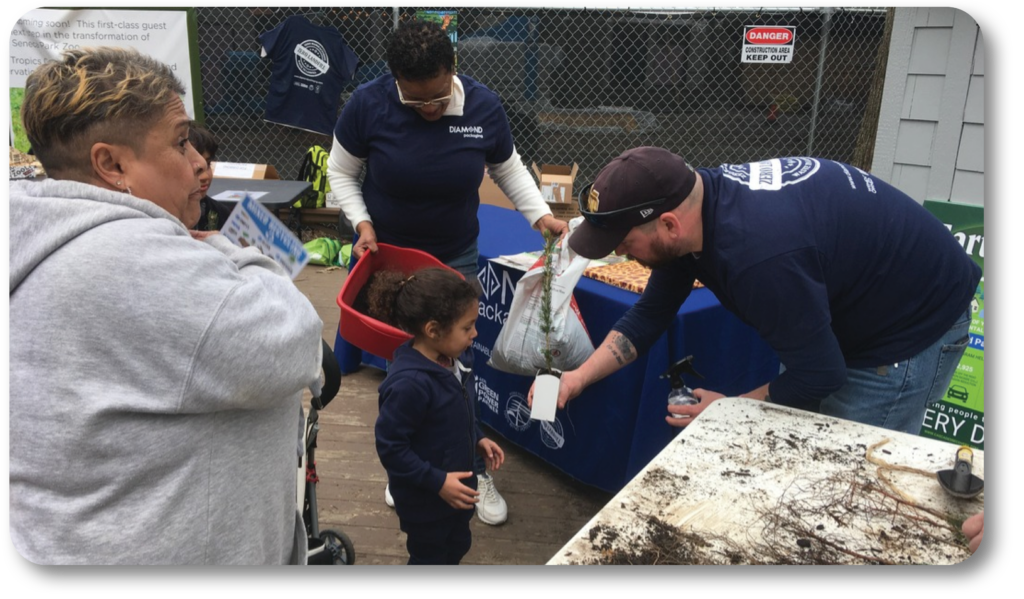
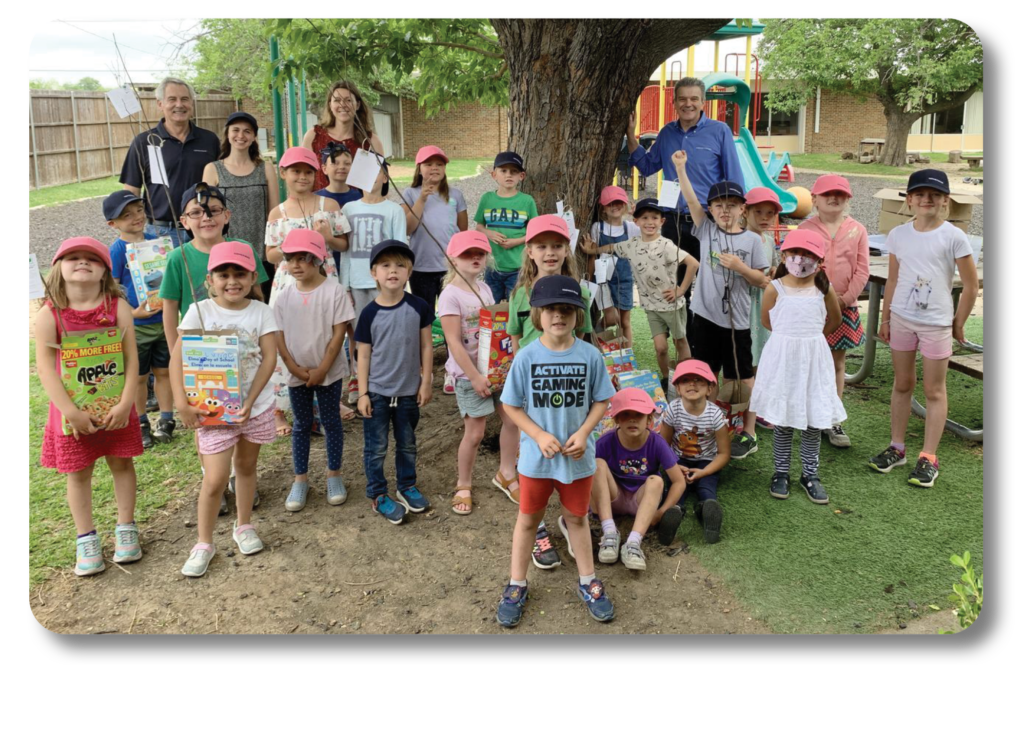
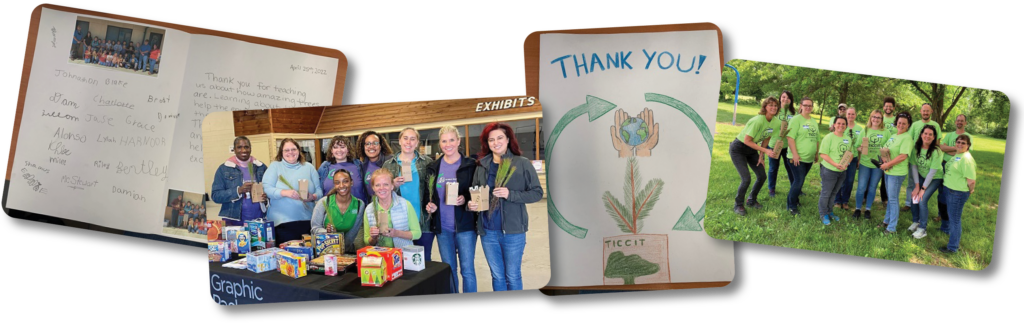
 PPC Week featured PPC’s signature Folding Carton Bootcamp and a
  By Doug Schardt,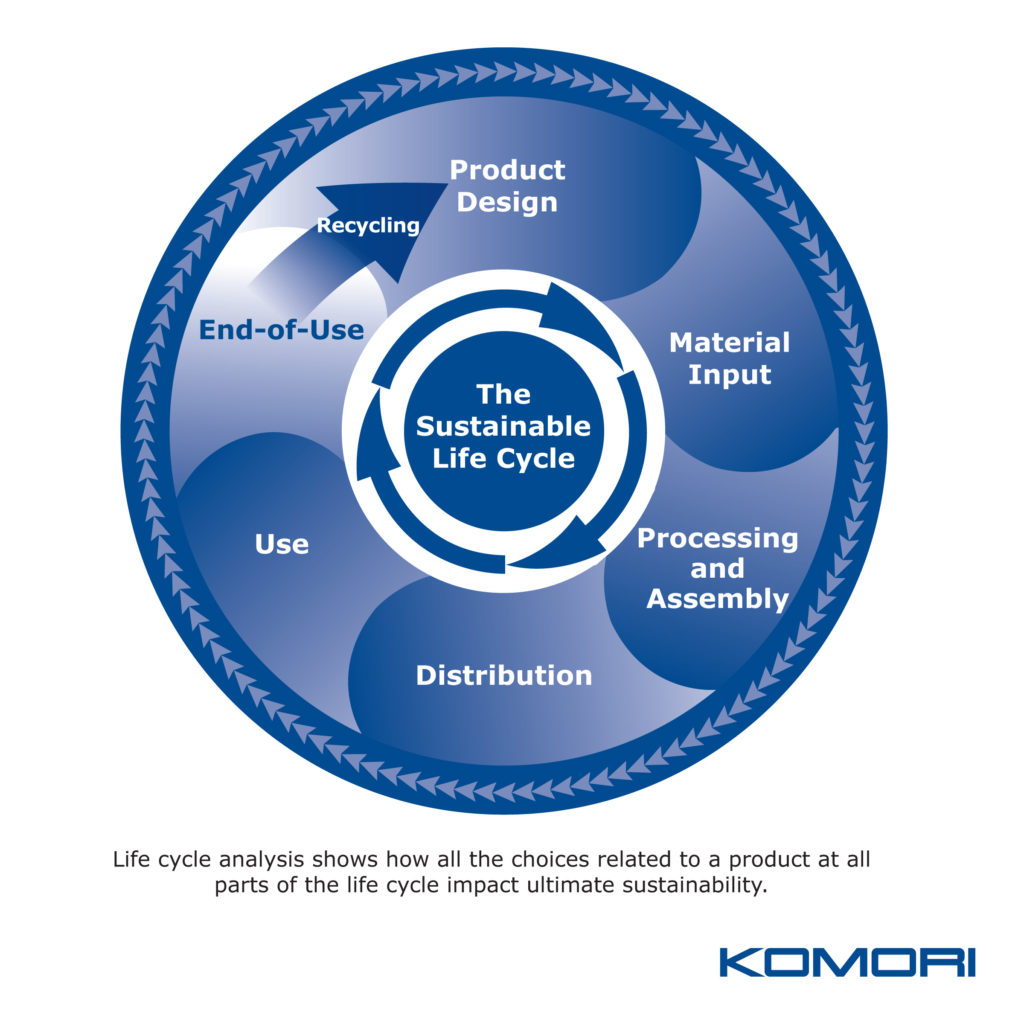
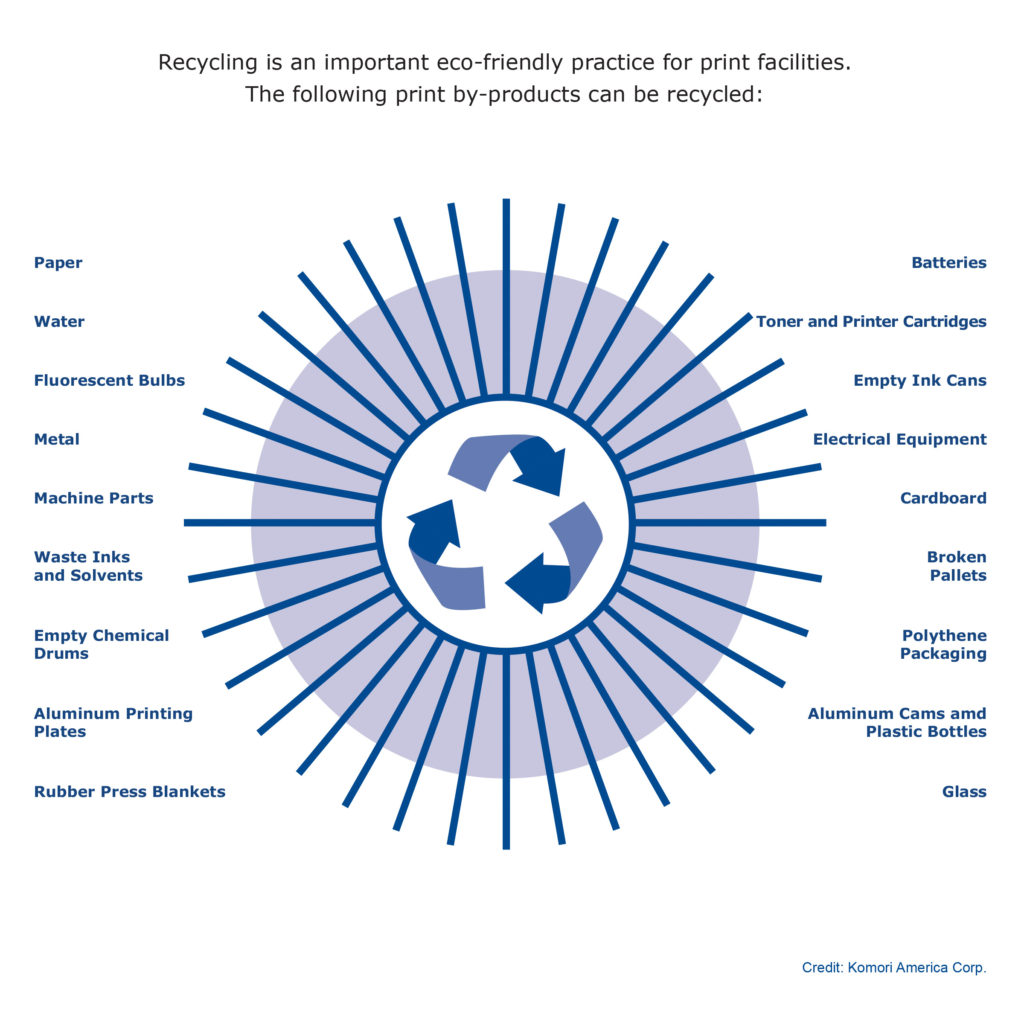 Harness Digitalization to Gain Visibility and Improve Performance
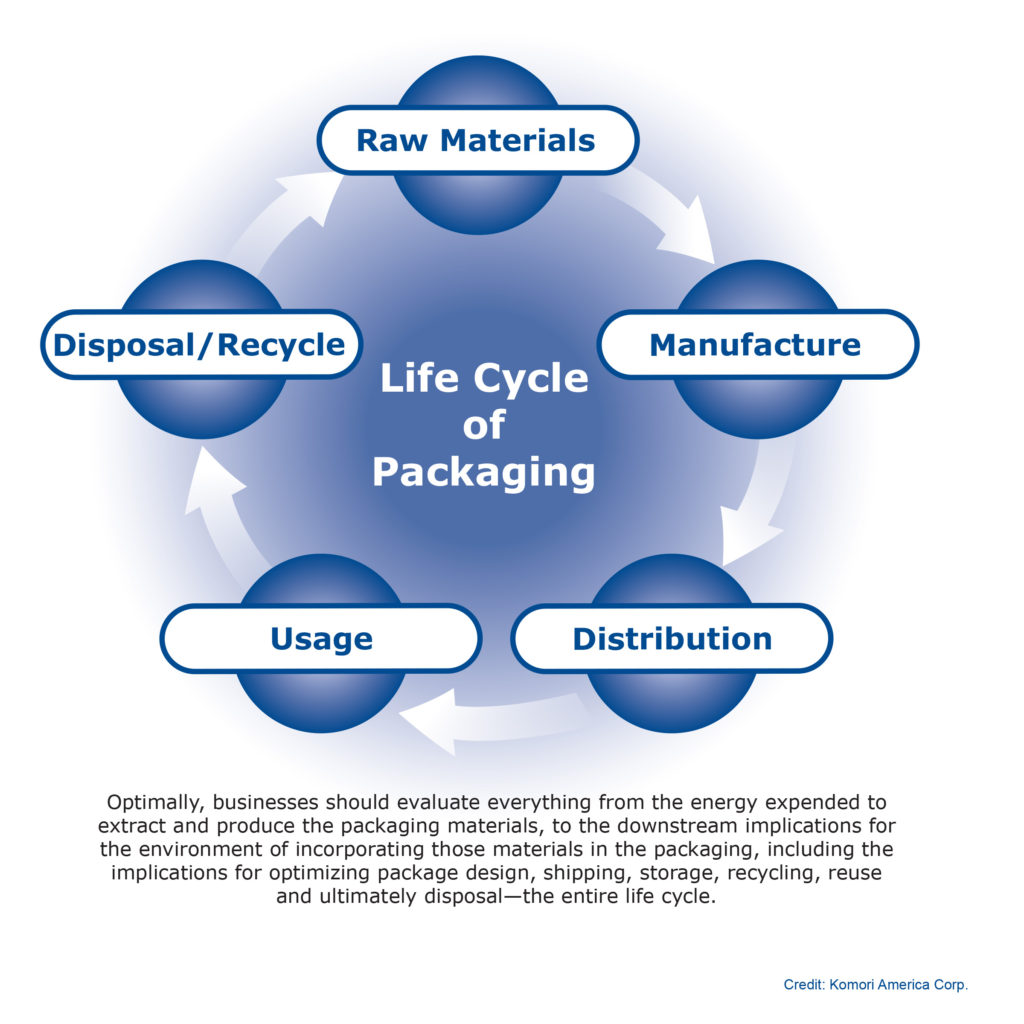 Efficiency – The Path to Sustainability and Profitability
 After placing at the top of our industry’s
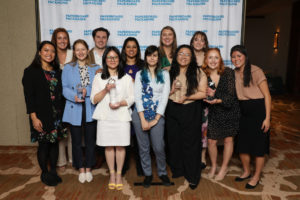
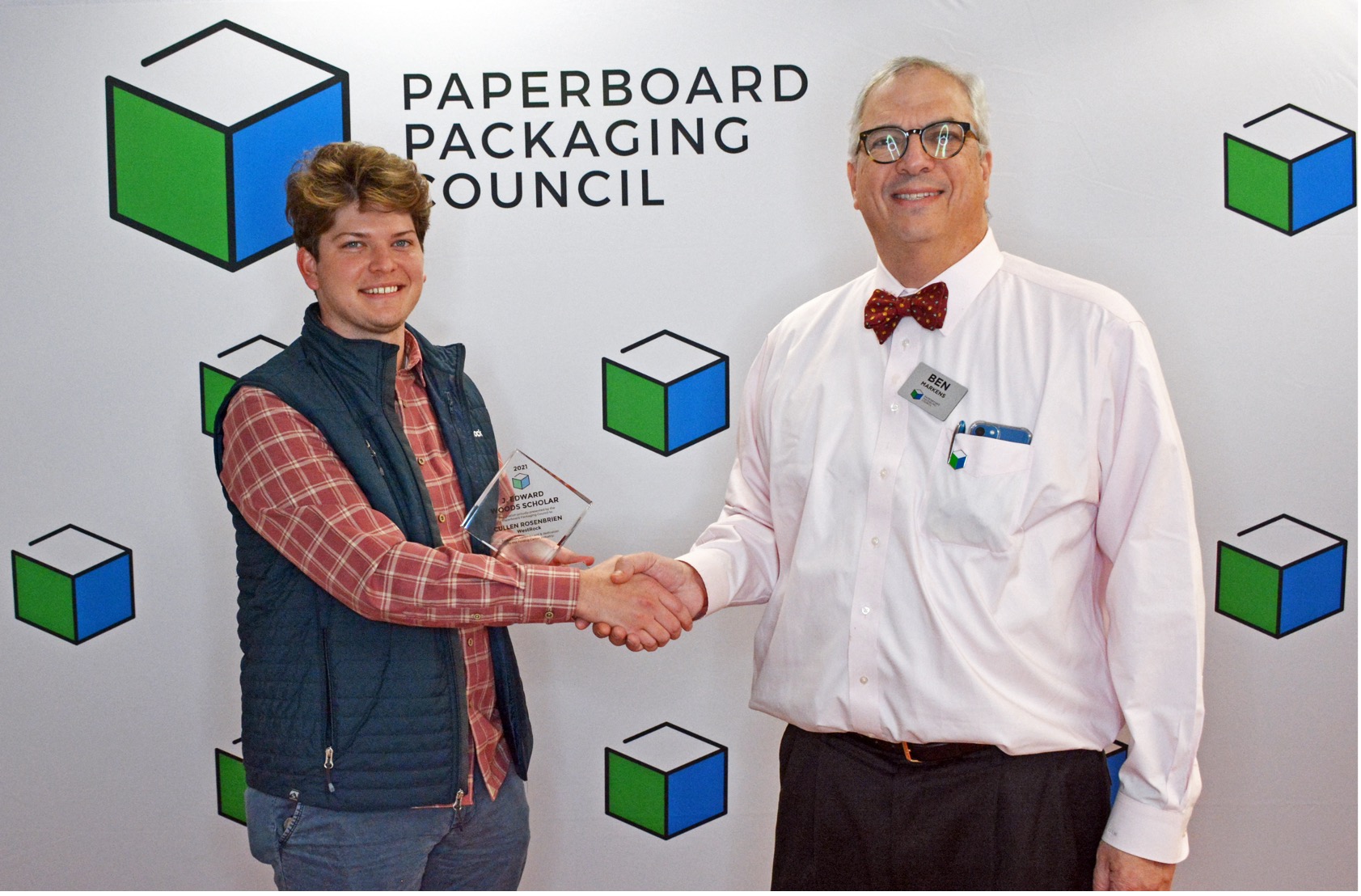
 What we can learn and how we can get more superstars to join our industry
 You may think as a paperboard manufacturer you have immunity from the likes of cybercriminals. However, according to John Motazedi, CEO, and founder of SNC Squared, that couldn’t be further from the truth. John was one of the presenters at PPC’s virtual FEI forum and spoke extensively about the dangers of cybercrime as well as the best ways to avoid being a sitting duck to cybercriminals.
 What does it truly mean to innovate? Sure, the concept of innovation, overused as it is, often elicits eye rolls rather than inspiration. Yet in order to foster positive change—both in the folding carton industry and the broader world—innovation is crucial.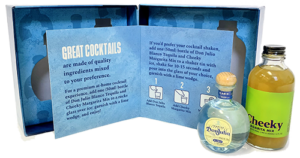








 every end-use segment, authored and illustrated both editions of PPC’s Ideas and Innovation design handbook, and, of course, served as a judge for our North American Paperboard Packaging Competition.


 The
The 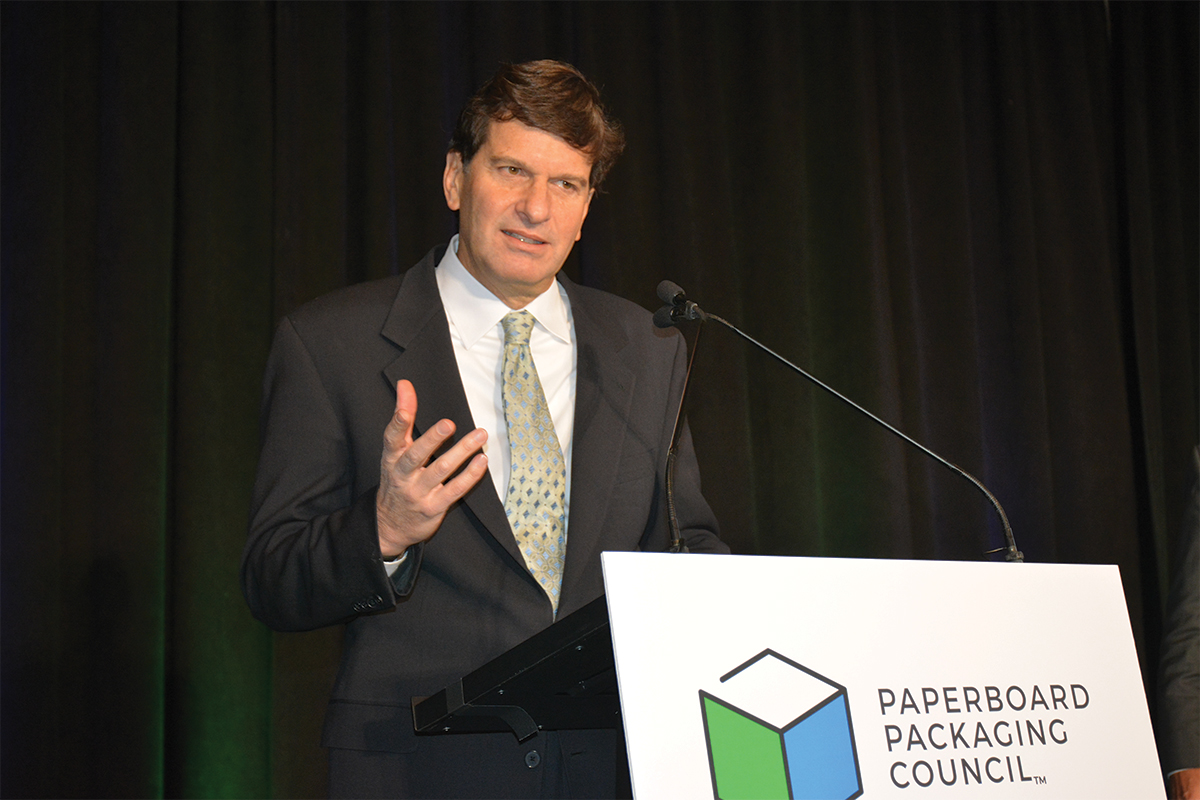

 The paperboard packaging industry relies on its leaders to expand its sphere of influence, set the course for future growth and development, and guide others towards these goals. However, a leader is only as strong as their team, which begs the question: how do you align your team with your vision in order to reach your goals?
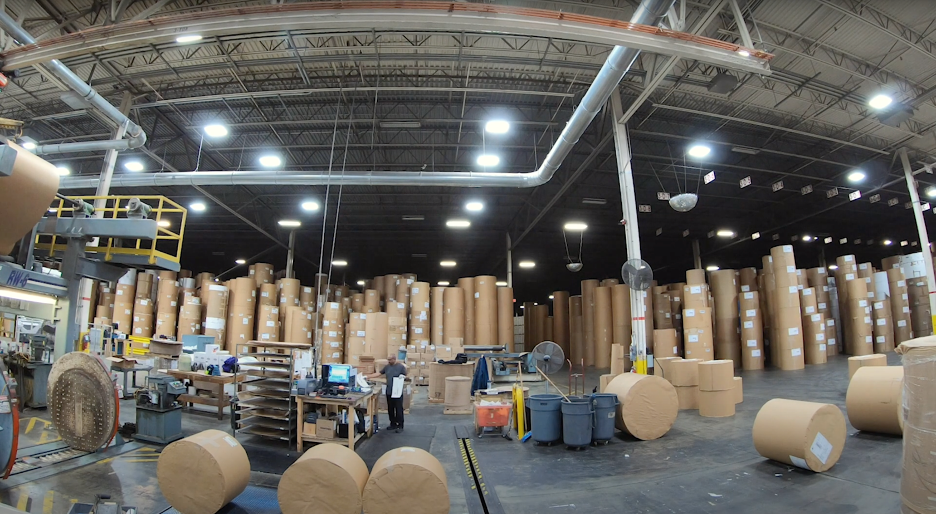 The pandemic has created unexpected difficulties for the manufacturing sector. Over the last few months, the PPC Government Affairs team has focused its efforts on both advocating for PPC members in collaboration with the broader paper industry as well as researching and posting on the PPC website the keys rules and regulations needed to operate in this environment.


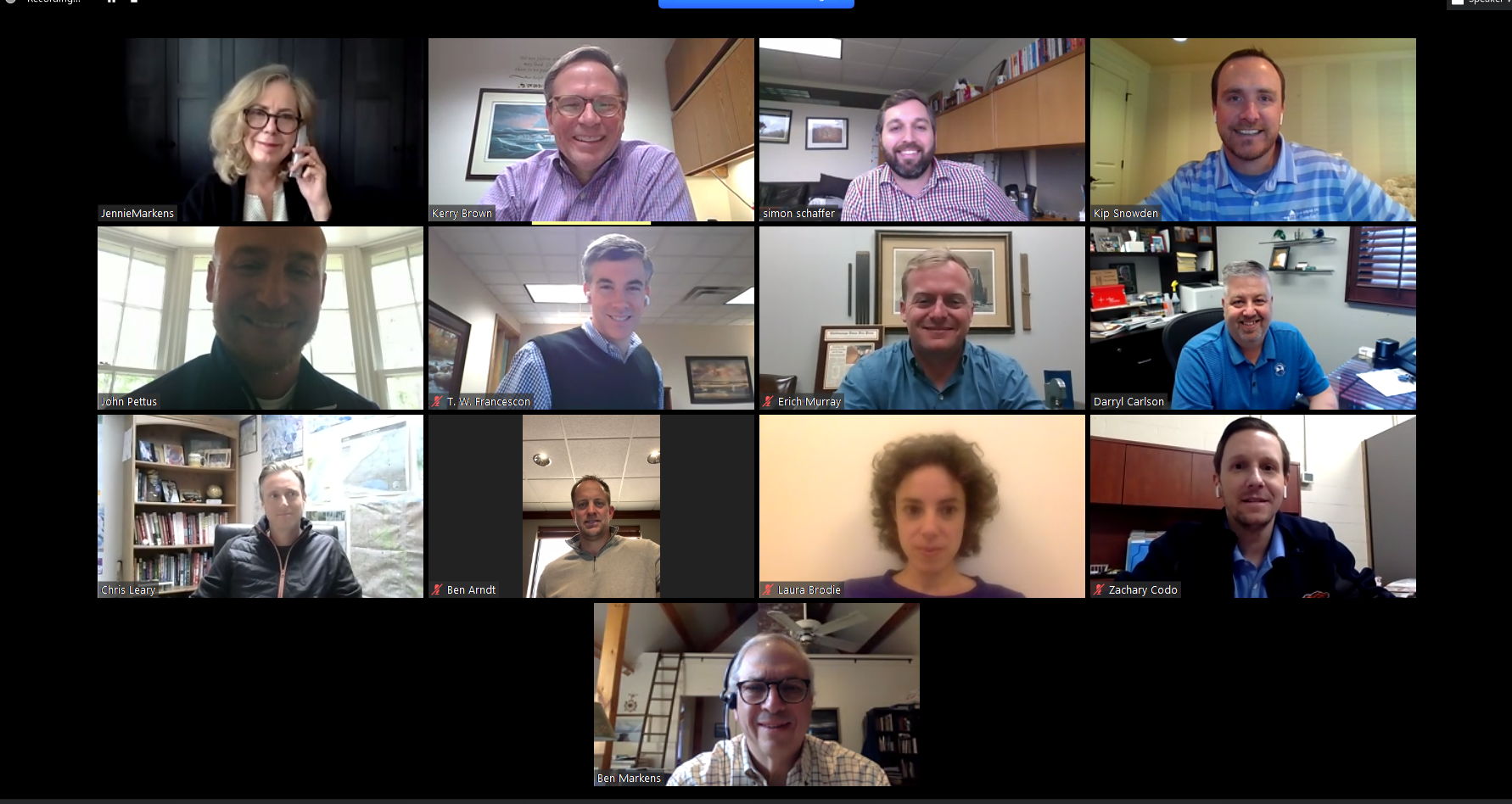 Leaders in the paperboard packaging industry face complexity and tough decision-making on a daily basis—even without a global pandemic on our hands. In light of COVID-19, add to their responsibilities the safety of their people and the need to keep operating, making sure that packaged goods get to the consumers who need them.

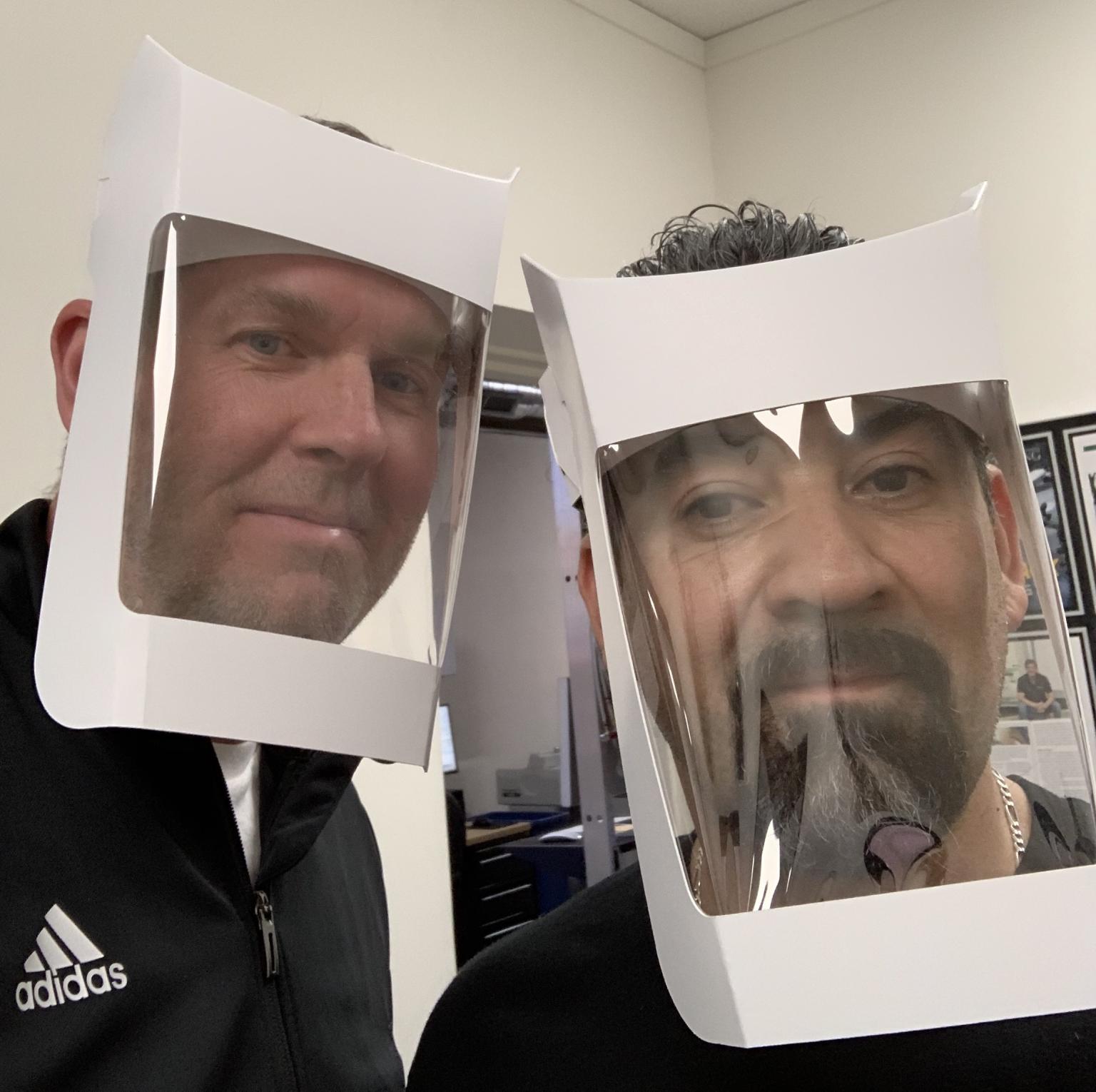

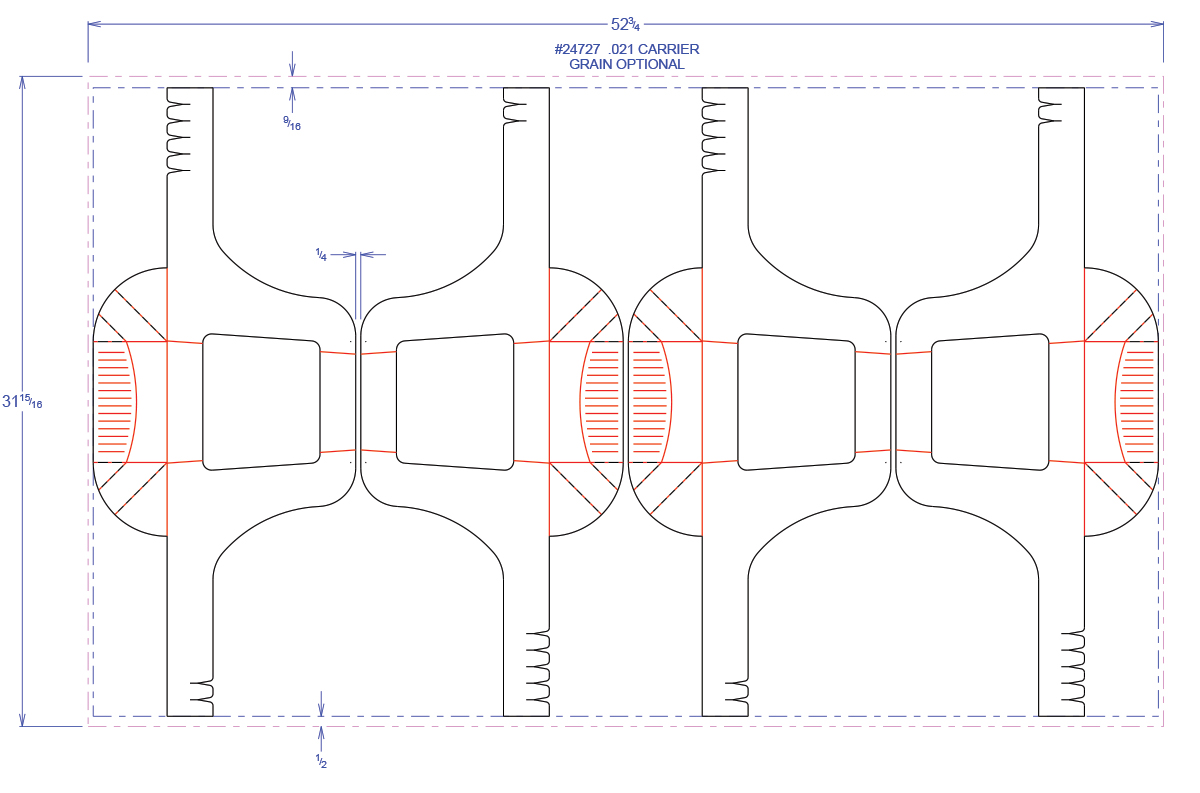

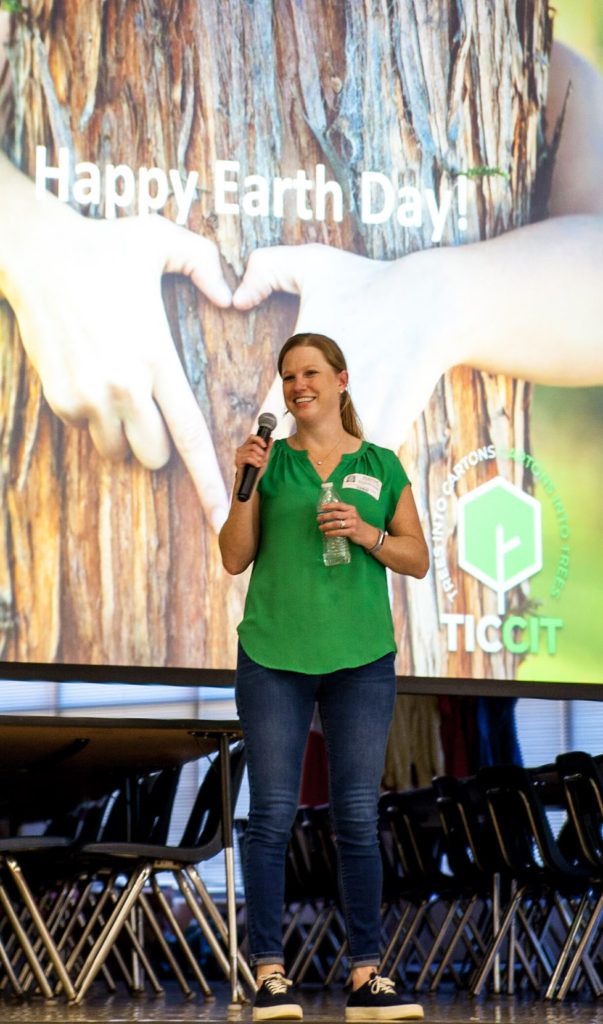




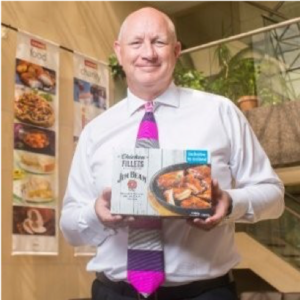
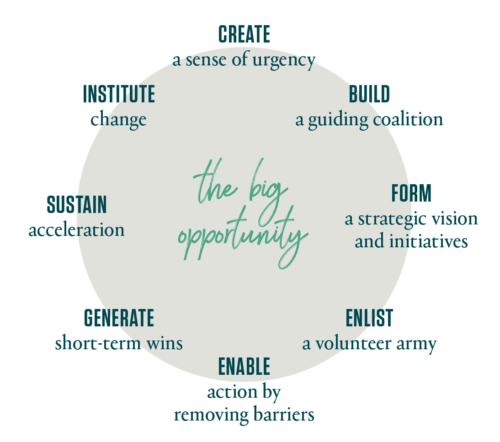


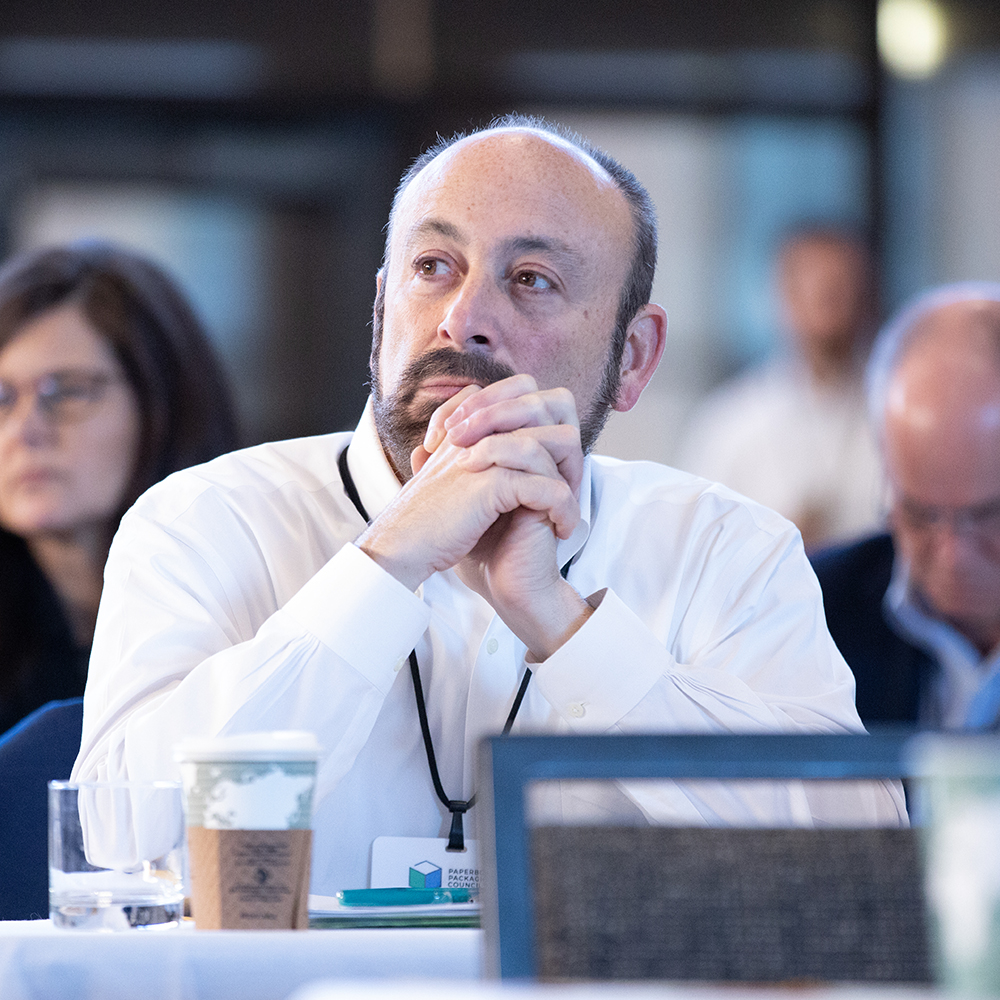

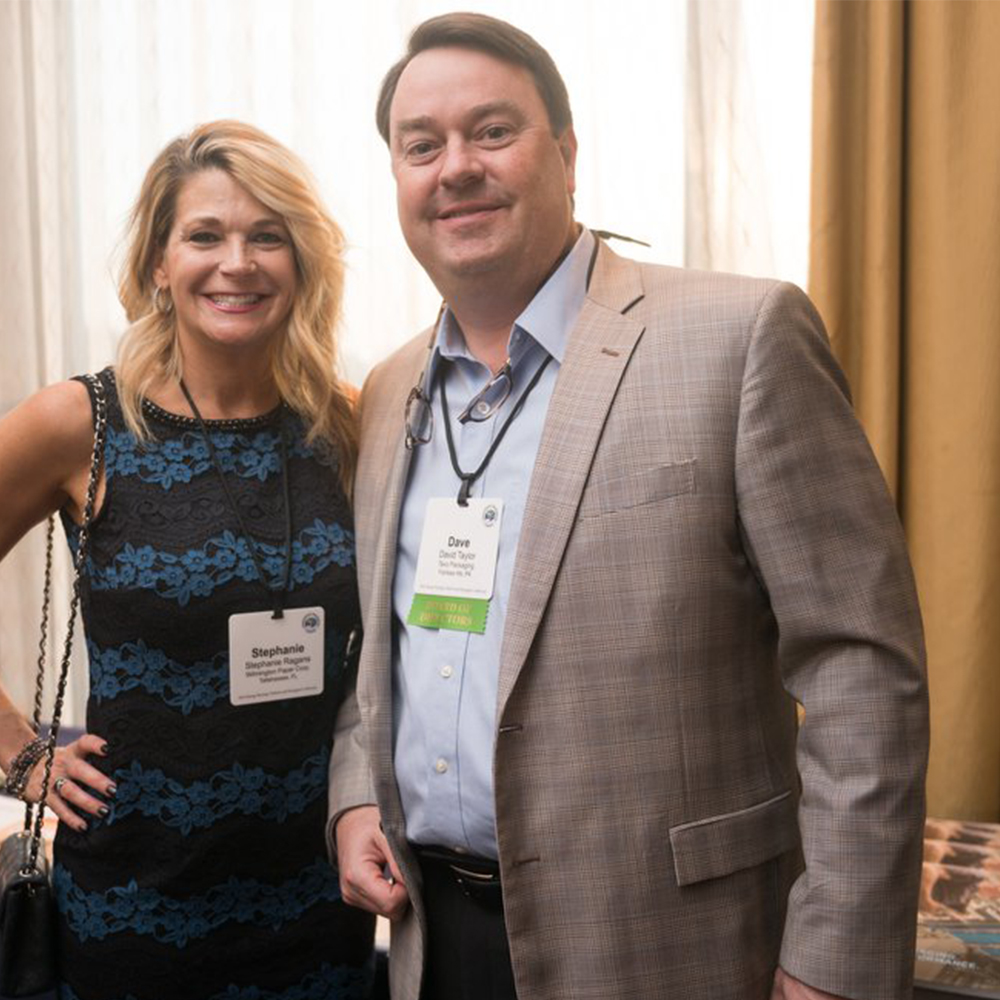

 Completely replacing printed graphics with intricate, laser-cut decoration and messaging, this carton is a holiday greeting and a fantastic way to market All Packaging’s converting capabilities. The laser cutting, unique structure, and contrasting board types create curiosity and a memorable experience for customers and prospects who receive this gift.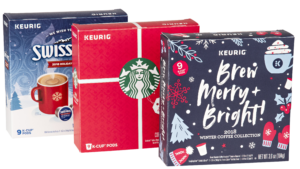
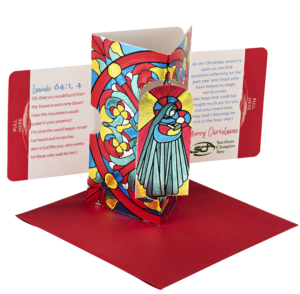 Part folding carton, part Christmas card, Southern Champion created this design to wish people season’s greetings as well as promote their company. Not your average card, the graphics, board type, digital printing, and structural design create an interactive, 3D pop-up experience for Christmas.
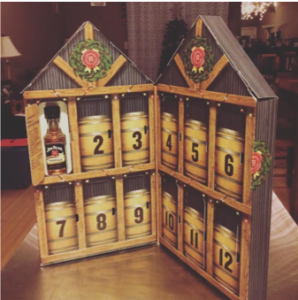 No need for gift-wrapping with this interactive whiskey advent calendar! Consumers are able to try a new whiskey every day, all the while being reminded of the brand on a regular basis. The carton includes recipes for each whiskey so recipients can experience a new cocktail for each of the 12 days.
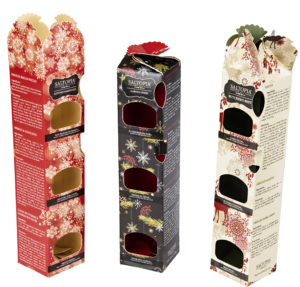 This decorative package for Saltopia sea salt stands out in photos, on shelf, and on QVC television where it exceeded customer expectations. The design allows the product to stand vertically, giving triumphant look that towers over other gift products.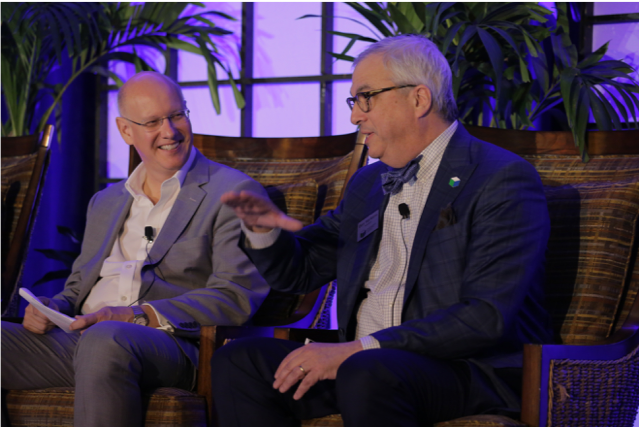
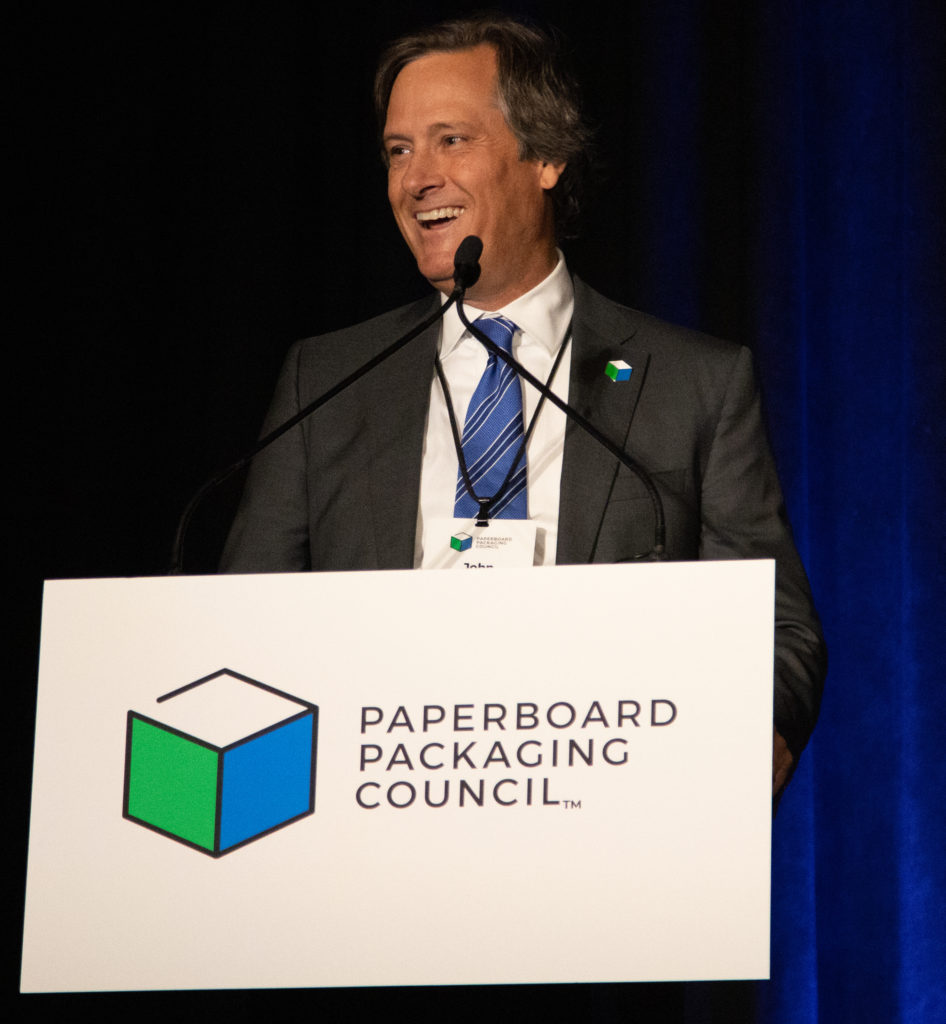

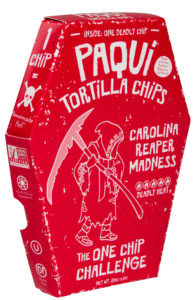
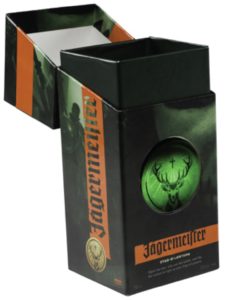
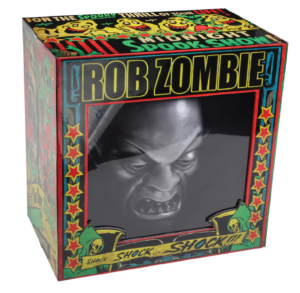 Another creepy JohnsByrne creation, this huge rigid box has a custom-made “creeper” mask and 11 vinyl records from the infamous metal musician and filmmaker. This design earned a gold award in our 2018 competition.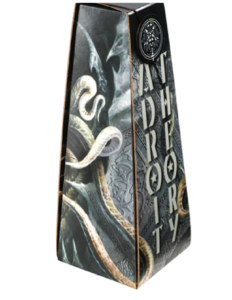
 PPC is a sponsoring partner in the fifth annual
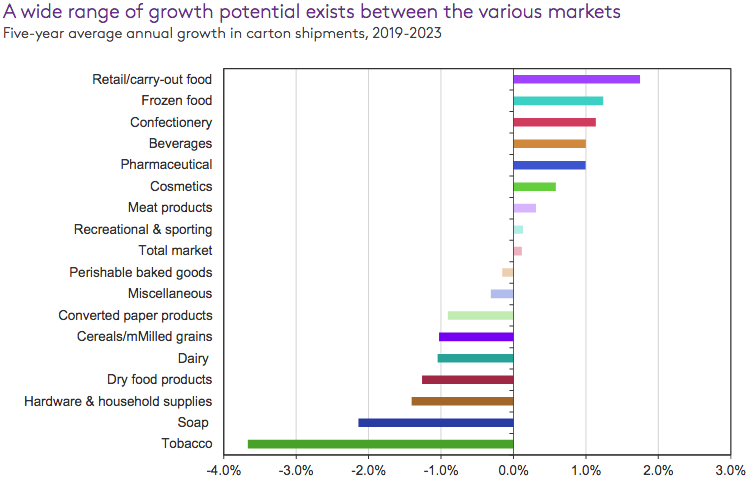
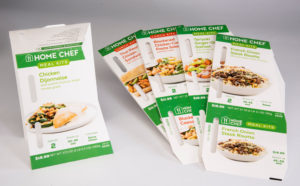 Judge Tony Hitchin, General Manager of Pro Carton, said, “Digital print and cutting is being used much more widely, and not just for personalization, but also to add speed and flexibility to the supply chain.”
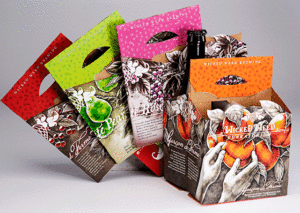 That said, we were pleased to see the great strides in sustainability from the beverage space this year, specifically in terms of replacing plastic with renewable paperboard. There was a significant move away from plastic hi-cones and shrink-wrap to highly decorated carton-based multipack solutions for both bottles and canned drinks. Not only does this move favor a more environmentally-friendly substrate, it also allows for the use of high-end finishings and design techniques unique to paperboard.
 One new design concept for 2019 was the ‘virtual window.’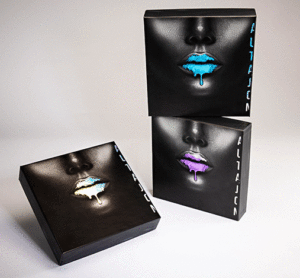


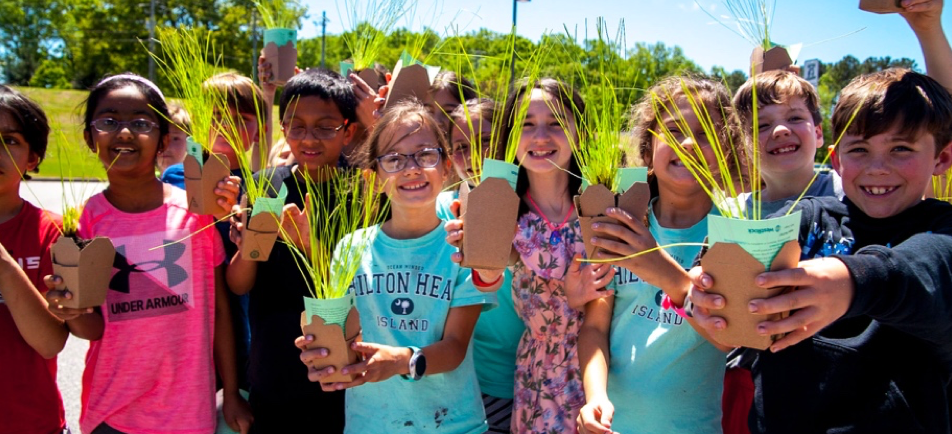

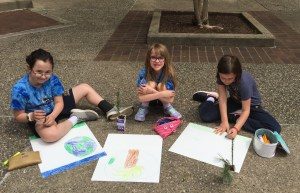
 “Cartons are Fully Recyclable”
 Clean. Fresh. Contemporary. Conversational. These words describe the site’s overall style. The bold, engaging design is both authoritative and approachable, equally editorial and inviting. As a nod to our industry, we feature graphic elements such as the center mark and color bar to divide sections.
 PPC recently sat down with Susie Stitzel, Solution Manager at Esko and frequent
 It’s time again for
 Ready to make 2019 the best year ever for your paperboard packaging company? If you’re hungry for success, and we know you are, there are a few things you need to know about the marketplace over the coming years. These six concepts come directly from PPC’s
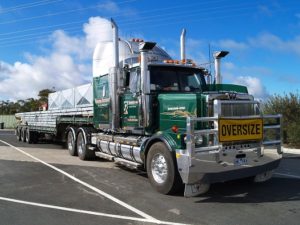 For the past 20 years the U.S. national highway system has frozen truck weight limits at 80,000 pounds, even though technological improvements and stronger roads and bridges have made it safe for trucks to carry more weight. Because of the forest products industry’s shortage of transportation capacity when moving raw materials to mills and finished products to customers, transportation has become increasingly more expensive. In fact, to alleviate the strain, 43 states already allow truck weights above 80,000 lbs., under certain conditions.
 There has been increasing coverage in the media over the US FDA’s recent banning of three chemicals used as “paper treatments” in certain food applications. The media has focused their coverage on pizza boxes containing these chemicals and their potential impact on food safety.


 In 2012, a labeling system was added to the USDA’s BioPreferred program that allows manufacturers of USDA-registered biobased products to use a “USDA Certified Biobased Product” label on their packaging. But the USDA’s interpretation of the original legislation excludes “mature markets,” or those that have been in existence before 1972 (such as cotton shirts or towels, paper and paperboard, and even wooden furniture).
 Growing up, Robin Matusik often played with Legos. She liked thinking of a creation and then making it a reality. Today, as a senior package engineer with Hasbro Toys, Robin thinks the same way about designing paperboard packaging. “You can build almost anything with paperboard,” she says. “I really enjoy coming up with the idea, figuring out how to make it, and then seeing the package at retail.”
 During her senior year of college, Robin and her team of three fellow packaging science students entered the 2005 PPA Student Design Challenge. The team was challenged to create a promotional piece for the paperboard industry. Ultimately, they built a deck of slotted cards that graphically showcased paperboard’s attributes on one side and showed how to build recognizable structures on the other side by slotting the cards together. According to Robin, the challenge sparked her career in packaging design. It showed her how impactful design can be. “It was also a great resume and interview piece—and it got me into the door at Hasbro as a newly graduated student.”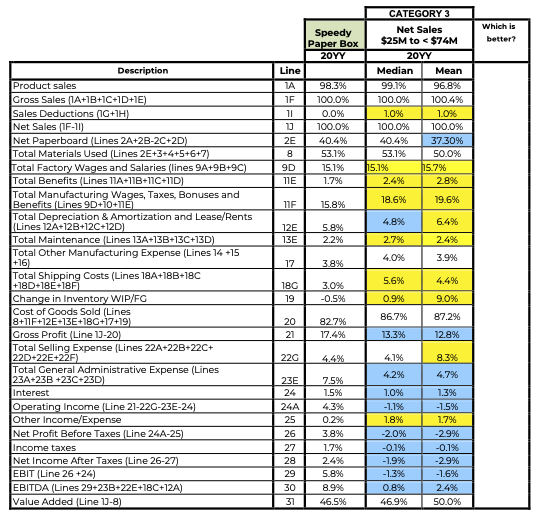

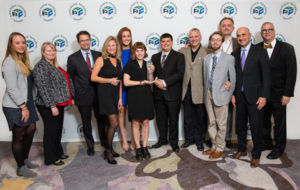
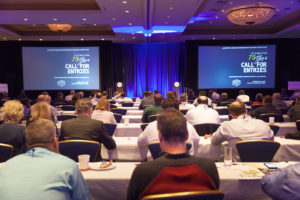

 The paperboard packaging industry, like the manufacturing sector in general, has struggled to attract younger workers over the past years. Myths about manufacturing facilities and societal pressures toward professional work have made Millennials and, the new “kids” on the block, Gen Z, hesitant to work at our converting plants.
 Dr. Melissa Gratias (pronounced “Gracious”) is a work psychologist who helps overwhelmed and underappreciated businesspeople be more focused and effective. Since 2007, thousands of people have graduated with honors from her onsite sessions, distance coaching, productivity seminars, and corporate consulting projects. To learn more,
  Over his 50-year career in the folding carton industry, Dick DePaul has seen it all. He’s worked in the converting and consumer sides of the business, designed for nearly every end-use segment, authored and illustrated both editions of PPC’s Ideas and Innovation design handbook, and has served as longtime judge of PPC’s annual North American Paperboard Packaging Competition.
 PPC represents a sizable $10 billion industry. But did you know that many of our members are small, independent, family-owned businesses? These companies pass ownership down from generation to generation, making a rich investment in their communities and family legacies. At the end of the day, it’s all about people serving people!
 Dan Shedd told the
  1. Empathize
 By Simon Schaffer, CMO, Case Paper
 Beth Ziesenis is Your Nerdy Best Friend. She is the author of several books on technology including “The Big Book of Apps.” A return speaker for PPC, Beth travels the country talking to organizations about free and bargain technology.

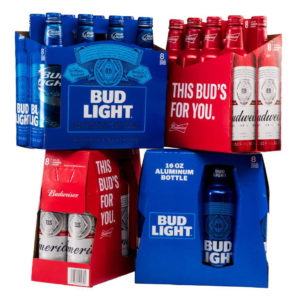 Project Ironman
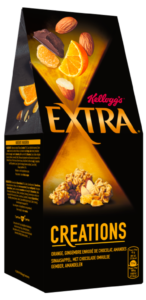 1. Digital is Upping its Game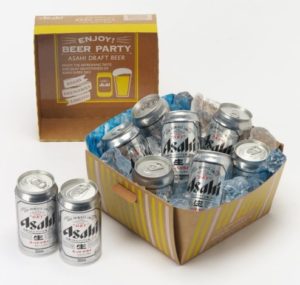
 Safety first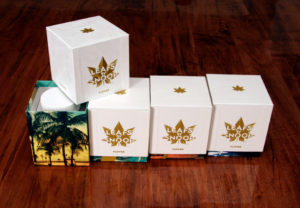




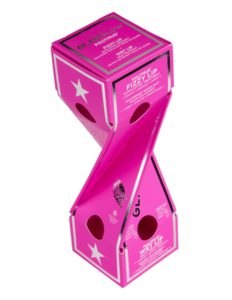
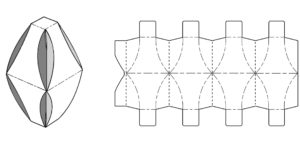

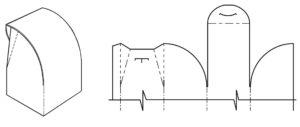
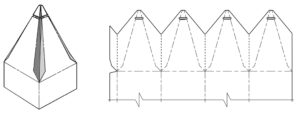


 Unlike many of the resources we extract from the earth, paperboard is inherently renewable and recyclable. We can’t grow new gold to replace what we’ve mined, nor can we extract additional oil once we’ve exhausted a well. Yet sourcing paper from managed tree farms and recycling paperboard packaging creates a virtually endless supply of paperboard, the production and consumption of which has a minimal environmental impact and promotes a sustainable world.
 A rigid (also called “set-up”) box is a container produced and delivered in three-dimensional form, ready to be filled. What distinguishes it from a folding carton is that it does not collapse like a folding carton, the chipboard used is up to four times thicker than a folding carton, and unlike folding cartons, printing is rarely applied to the board, but rather to a separate wrap (usually composed of paper, leather, or fabric) that is then adhered to a plain box.
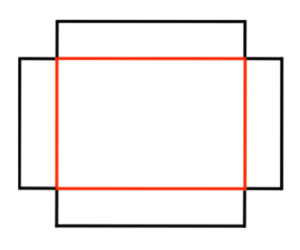 How a Rigid Box is Made
 In the top center, a machine-positioned base is descending toward the wrap below. At the bottom left is a base that has just left the station, now ready for wrapping. Pressure is applied to the top of the unwrapped tray to help adhere the glue, before the box moves into the wrapper.
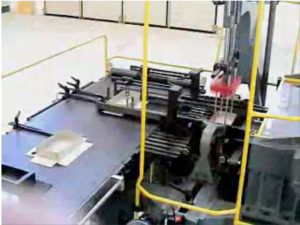 Arms then grab the tray and pull it at a right angle into the wrapper. The red plunger pushes the lid or base down and the adhesive-laden wrap is rolled up and over the tray, gluing it to the sides and inside lip of the box, giving it a turned edge.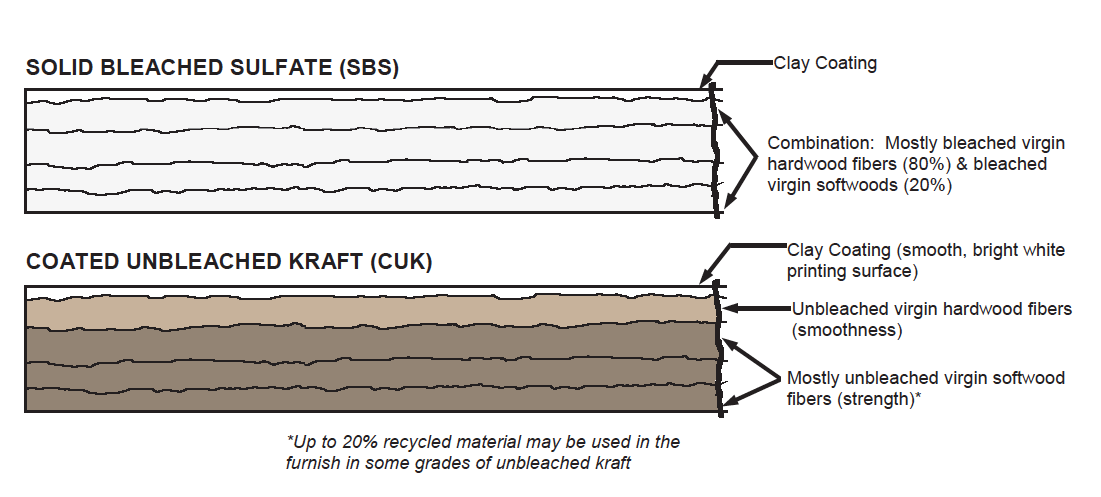


 PPC recognizes member companies’ safety milestones as a part of our monthly
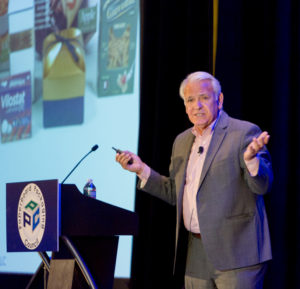 Converters of paperboard packaging might be feeling the squeeze right about now. With RFPs, reduced volumes, and shrinking margins, our industry might seem like a commodity business and a race to the bottom. Yet there are techniques we can use to add value to our packaging and break free from the commodity game. PPC’s recent Spring Meeting in Baltimore showed attendees how to do just that.
 Papermaking
 About the author:
 The Digital Store Shelf
 Be Mindful of Overpackaging
 by Darryl Carlson and Joe Carrillo,